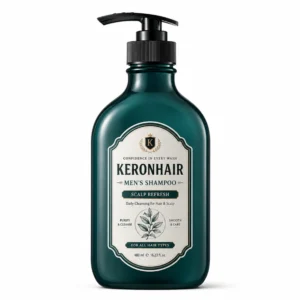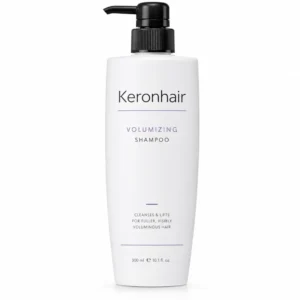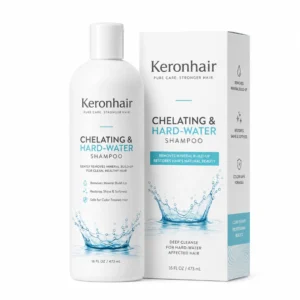
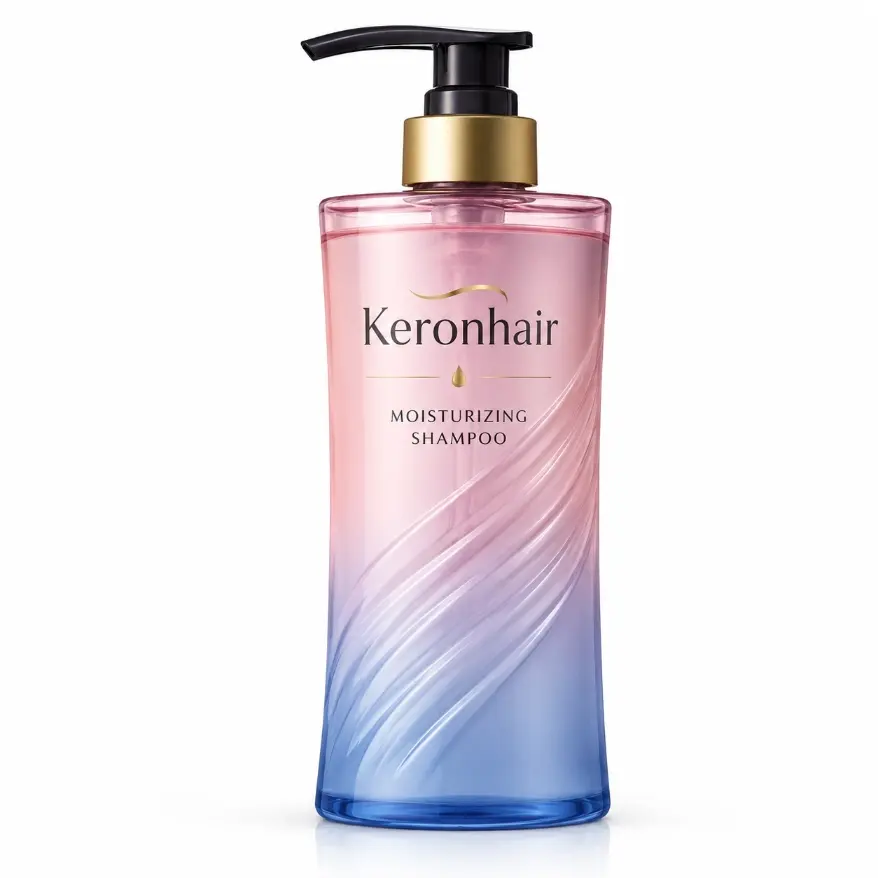
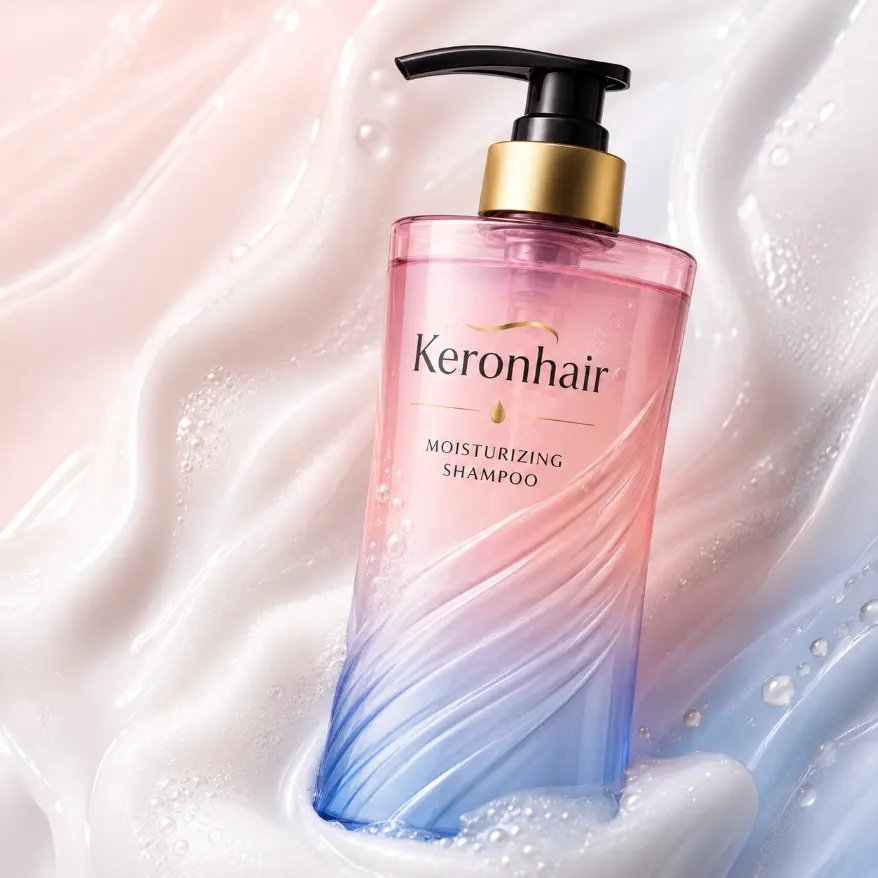
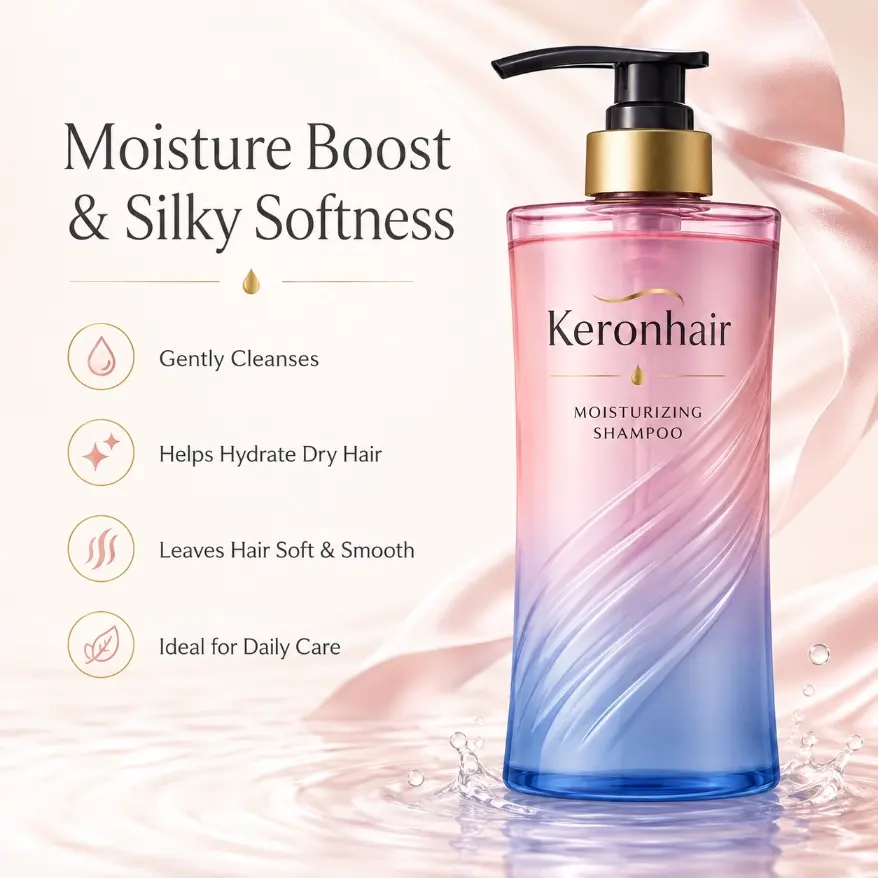
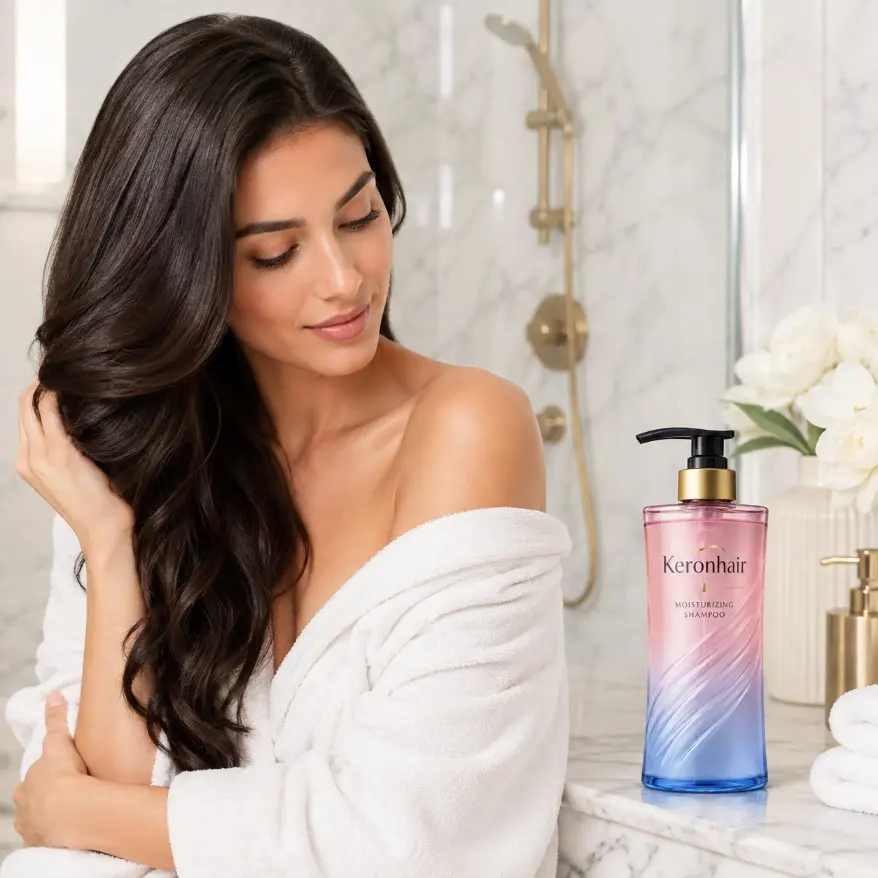
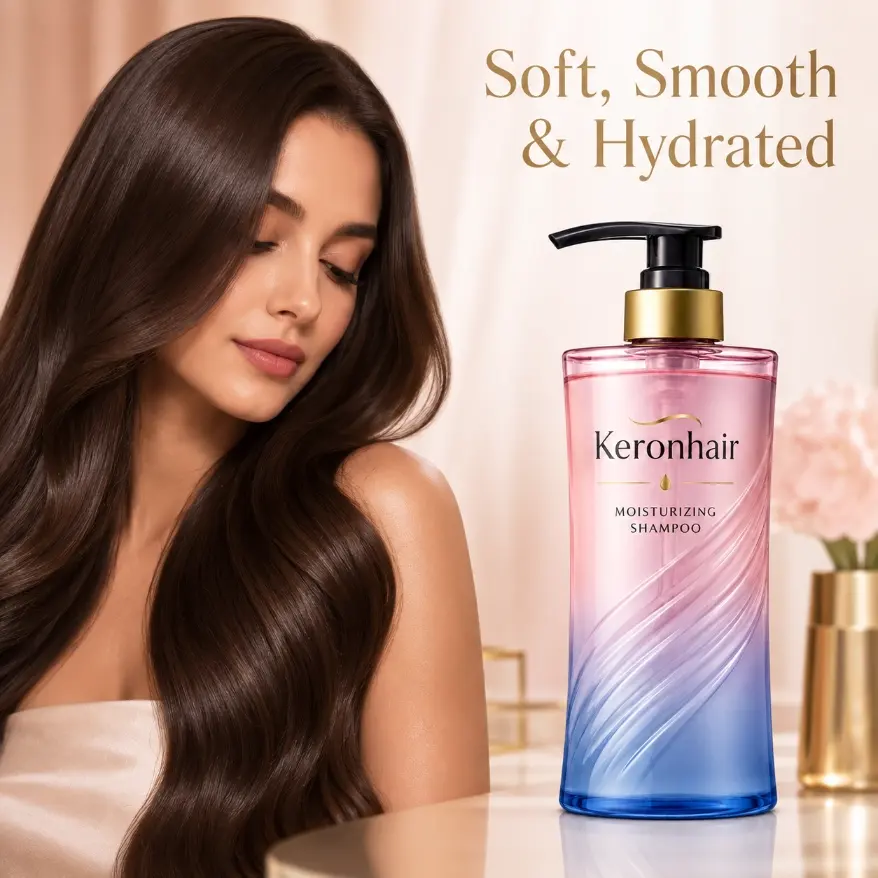
Create a moisturizing shampoo that cleanses without losing the softness, slip and manageable finish your customers expect. Keronhair develops formula direction, sensory profile, ingredient story, packaging and production for brands serving dry, textured, curly or chemically treated hair.
Proven base, semi-custom or custom development aligned with your brief.
Natural, fashion and gray-coverage shades developed for your target market.
Color cream, developer, retail packaging and project documentation.
A shampoo does not need to feel weak to support a moisturized hair experience. The development challenge is to remove oil and soil while controlling friction, tangling and a stripped after-feel. For dry or textured hair, the right balance may include a milder surfactant architecture, conditioning deposition and a rinse profile designed for the intended wash frequency.
The brief should distinguish between dry lengths, dry-feeling scalp, chemical damage, coarse texture and curl pattern. These are not interchangeable needs. A moisturizing shampoo for a curl-care line may prioritize slip and gentle cleansing, while a salon shampoo for processed hair may focus on manageable wet combing and compatibility with a repair conditioner or mask.
Sample evaluation can cover foam creaminess, spread, rinse speed, wet slip, combing, residue, softness, shine and dry-hair manageability. A richer sensory profile should not automatically mean heavy deposition. The target is agreed against hair type, benchmark and paired products.
Ingredient directions may include humectants, conditioning polymers, selected oils, proteins, amino acids, botanical extracts or other suitable cosmetic ingredients. Front-label stories such as aloe, argan, coconut or hyaluronic-acid-inspired concepts must reflect the final formula. The presence of a trend ingredient does not prove moisturizing performance by itself.
Clear, translucent or pearlescent appearances can be considered. Fragrance can range from fresh and clean to warm, creamy or salon-premium. Viscosity should match the cap or pump and remain suitable through the intended stability range. Bottle shape, recycled-content direction where available, decoration, label and carton are reviewed against quantity and budget.
For a coordinated range, the shampoo should have a distinct job. The conditioner can deliver routine detangling, the mask a more intensive treatment experience and the leave-in ongoing softness or frizz management. This makes the product architecture easier for buyers and customers to understand.
Keronhair coordinates sample evaluation, formula-appropriate specifications, stability, packaging compatibility and microbiological quality according to the project scope. Claims such as quantified moisture improvement, reduced breakage or long-lasting hydration require an agreed method and evidence for the finished product.
Send the target hair type, benchmark, desired richness, surfactant preference, ingredient direction, fragrance, packaging and order quantity. Keronhair will recommend a suitable development route and confirm sampling, MOQ and testing after review.
Yes. The brief can prioritize gentle cleansing, slip, reduced rough-feel and compatibility with curl-care conditioners and stylers. Curl pattern, hair density, wash routine, climate and desired residue level should be defined before sampling.
Yes, subject to technical and commercial feasibility. The surfactant system should be selected around cleansing, foam, viscosity, clarity, scalp feel and cost rather than assuming that sulfate-free alone guarantees mildness or moisture.
Preferred ingredients can be reviewed for formula compatibility, stability, market suitability and cost. Any hero-ingredient or “free-from” claim must match the approved formula and should not imply a benefit that has not been supported.
Evaluation can include foam, rinse feel, wet combing, friction, residue, softness, shine and dry-hair manageability on agreed hair types. Quantified moisture or breakage claims require a defined finished-product test.
Yes. Keronhair can coordinate fragrance, ingredient direction, packaging and the role of each SKU while developing different texture and performance targets for the shampoo, conditioner and mask.
—— Private label manufacturing process
One coordinated Keronhair team manages formulation, sampling, packaging, quality control, and shipment preparation—giving your brand a clearer path from concept to production.
01
Share your target market, product category, performance direction, reference products, packaging expectations, budget, and planned launch timeline with Keronhair.
02
Our R&D team recommends a proven formula route or plans custom development around your ingredients, texture, fragrance, and positioning requirements.
03
Keronhair prepares samples for your review, then coordinates feedback on fragrance, texture, viscosity, color, application, and product performance.
04
Our team coordinates bottles, jars, tubes, closures, labels, decoration, and cartons while reviewing suitability for the selected formula and filling process.
05
After written approval, Keronhair organizes materials, filling, packing, in-process quality checks, batch records, and retained production references.
06
Keronhair completes finished-product checks, packing verification, required export-document coordination, and shipment preparation for your agreed destination.
Tell us what you want to launch and where you plan to sell it. From hair care and hair color to styling products, we can help you move from product development and sampling to packaging and production.