

Develop a styling balm around smoothness, definition, flexible control and the finish your target user expects. Keronhair coordinates formula architecture, sensory development, packaging, claims and production for grooming, salon and retail brands.
Proven base, semi-custom or custom development aligned with your brief.
Natural, fashion and gray-coverage shades developed for your target market.
Color cream, developer, retail packaging and project documentation.
“Styling balm” can describe an anhydrous grooming product, a soft wax, a smoothing salve or an emulsified cream-balm. The page should explain the product’s actual role so buyers and customers do not confuse it with a rinse-off treatment balm or a medical scalp product.
The brief should define hair length, dose, application on damp or dry hair, desired shine, hold, smoothing and whether the product is intended for hair only or a wider grooming use. Multi-use positioning needs formula, safety and label review for every intended area.
An anhydrous balm can offer a concentrated scoop and rich film, while an emulsified balm may feel lighter and distribute more easily. Samples can be evaluated for pickup, glide, breakdown, tack, control, shine, residue, softness, restyling and washout.
Oils, butters, waxes, esters, polymers and conditioning ingredients may be considered according to the route. Natural-origin or ingredient-led positioning requires a defined standard and formula evidence. An ingredient story should not imply scalp healing or permanent hair repair.
Jars and tins support finger access; tubes can suit softer balm textures; sticks can support targeted application. The formula should dispense or scoop consistently under the expected temperature range. Heat-related softening, sweating, leakage and package interaction should be reviewed for the distribution market.
Shared fragrance and package design can connect a styling balm with wax, pomade, clay or beard-care items, but the intended areas of use and claims should remain clear on each label.
Stability, compatibility and microbiological quality depend on whether the system is anhydrous or water-containing. Specifications and release controls should match the final formula and pack.
Claims such as “all-day smoothing,” “non-greasy,” “humidity resistant” or suitability for both hair and beard require finished-product evaluation and appropriate safety review. Keronhair confirms scope, samples and MOQ after reviewing the brief.
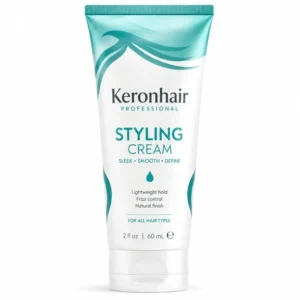
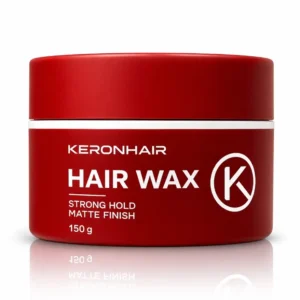
Styling balm is often positioned as a pliable smoothing or definition product. Styling cream may feel lighter and more emulsion-like, while wax often provides more texture or hold. The actual formula brief should define the category promise.
Potentially, but both intended uses, directions, safety, fragrance level and label claims must be reviewed. A hair formula should not automatically be extended to beard or facial-skin use without assessment.
Yes. Spread, shine, residue and effective dose can be developed together. Final greasiness perception should be evaluated on the intended hair type and application amount.
Yes. An anhydrous route can be considered for a concentrated balm texture. Oxidation, heat behavior, fragrance, packaging and ingredient-story requirements should be planned for the complete system.
Yes. Formula and package samples can be reviewed for softening, sweating, leakage, application feel and styling performance under relevant conditions. A quantified heat or humidity claim requires a suitable test.
مراحل تصنيع المنتجات بعلامتك التجارية
يتولى فريق Keronhair واحد تنسيق تطوير التركيبة والعينات والعبوات وضبط الجودة وتجهيز الشحن، ليمنح علامتك مساراً أوضح من الفكرة إلى الإنتاج.
01
أخبرنا عن السوق المستهدف وفئة المنتج والأداء المطلوب والمنتجات المرجعية ومتطلبات التعبئة والتغليف والميزانية والموعد المخطط للإطلاق.
02
يقترح فريق البحث والتطوير تركيبة سبق اختبارها، أو يضع خطة لتطوير تركيبة مخصصة وفق المكونات والقوام والرائحة وموقع المنتج الذي تستهدفه في السوق.
03
تُعدّ Keronhair عينات لمراجعتك، ثم تنسّق ملاحظاتك بشأن الرائحة والقوام واللزوجة واللون وطريقة الاستخدام وأداء المنتج.
04
ينسّق فريقنا اختيار الزجاجات والعلب والأنابيب والأغطية والملصقات وتشطيبات العبوات والكرتون، مع التحقق من ملاءمتها للتركيبة وعملية التعبئة.
05
بعد الحصول على الموافقة الخطية، تنظّم Keronhair المواد والتعبئة والتغليف وفحوص الجودة أثناء الإنتاج وسجلات الدُفعات والعينات المرجعية المحفوظة.
06
تُجري Keronhair فحوص المنتج النهائي وتتحقق من التغليف وتنسّق مستندات التصدير المطلوبة وتجهّز الشحنة للوجهة المتفق عليها.
Tell us what you want to launch and where you plan to sell it. From hair care and hair color to styling products, we can help you move from product development and sampling to packaging and production.