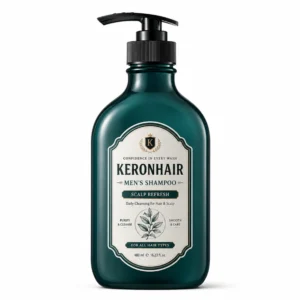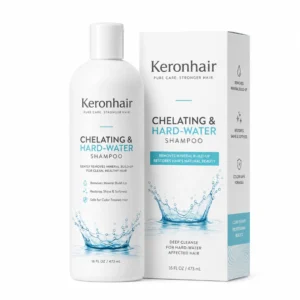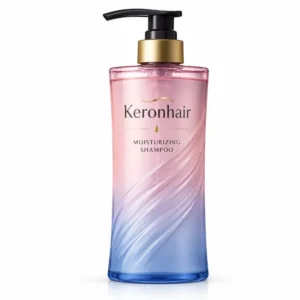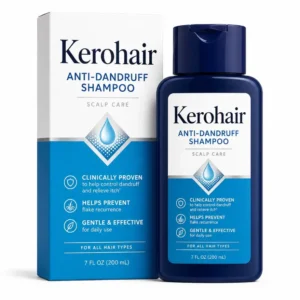
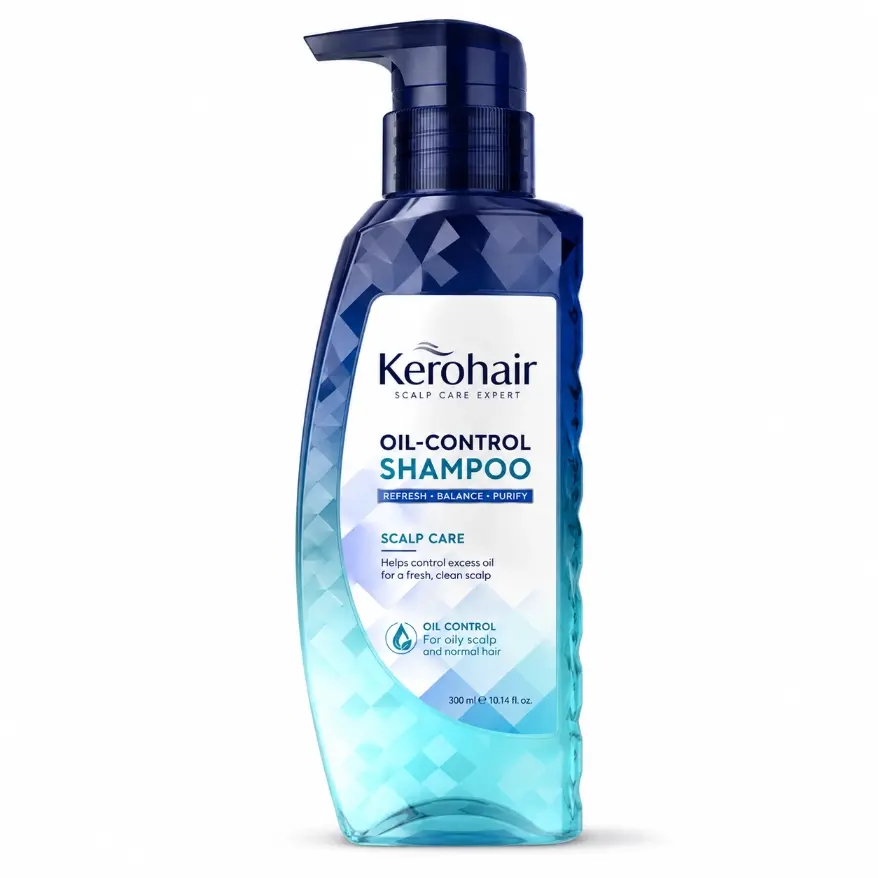
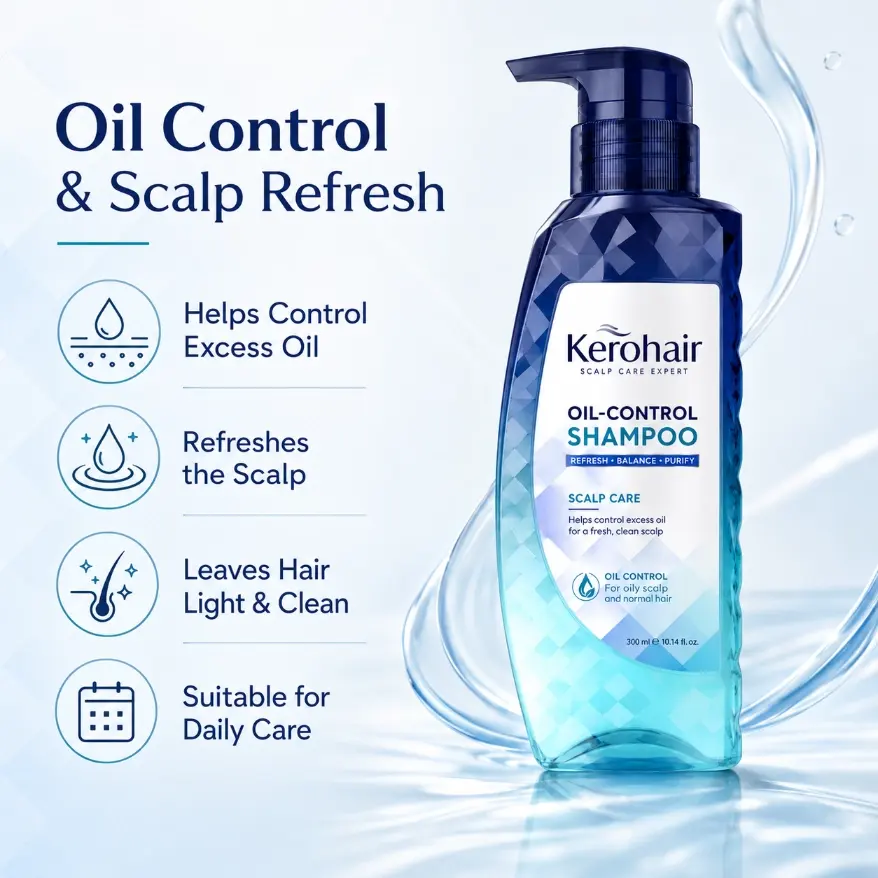
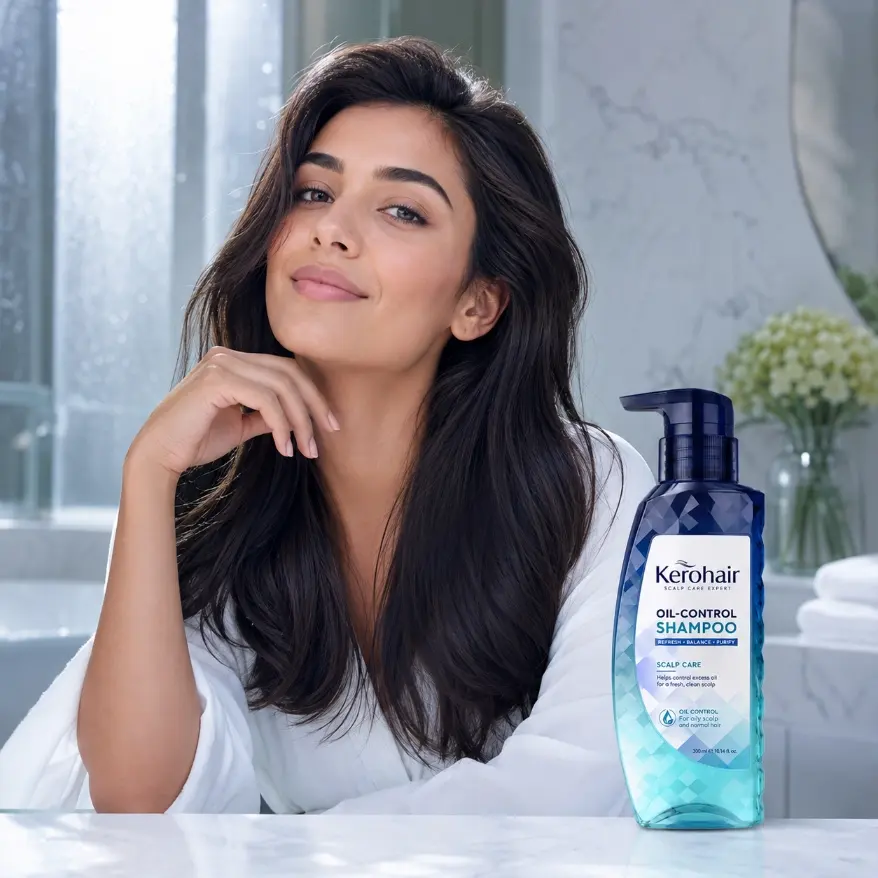
Build an oil-control shampoo around effective cleansing, a fresh scalp feel and acceptable softness through the lengths. Keronhair helps brands define the surfactant system, foam, rinse profile, fragrance, packaging and claim direction for retail, salon and e-commerce launches.
Proven base, semi-custom or custom development aligned with your brief.
Natural, fashion and gray-coverage shades developed for your target market.
Color cream, developer, retail packaging and project documentation.
For a cosmetic shampoo, oil-control positioning should begin with what the customer can observe: removal of excess oil and styling residue, cleaner-looking roots, a fresher wash experience and a finish that does not feel heavily conditioned. Claims about reducing or regulating sebum production may cross into a different evidence or regulatory territory and should not be assumed from the product name.
Keronhair translates the concept into sample criteria. The brief should state how quickly roots normally feel oily, how often the customer washes, whether dry shampoo or styling products are common, the climate, hair length and the acceptable level of squeak, slip and fragrance after rinsing.
The same shampoo can perform differently on oily roots and dry or color-treated ends. A successful formula needs enough cleansing to meet the root target while controlling roughness, tangling and fragrance residue through the lengths. Conditioning ingredients, polymers and deposition should be adjusted carefully so the shampoo does not undermine its clean-rinse position.
Sample review can include foam speed, foam density, oil and residue removal, rinse speed, wet combing, root lift, dry softness and the time before hair appears oily again under an agreed use protocol. A claim such as “stays fresh for 48 hours” requires a suitable finished-product test and should not be used as generic copy.
Possible directions include clear or pearlescent appearance, herbal or citrus fragrance, cooling sensation, selected botanical extracts and sulfate-free surfactant systems. Every ingredient story and “free-from” statement must match the final INCI list and market requirements. Menthol or similar cooling ingredients can create a fresh sensation, but sensation is not proof of oil reduction.
Viscosity and bottle dispensing should support quick shower use. Flip-top bottles, pumps, travel sizes and larger salon packs can be reviewed for filling, leakage, dose and cost. For humid markets and e-commerce channels, closure integrity and pack-out deserve early attention.
The final product and package should be evaluated for stability, compatibility, microbiological quality and formula-appropriate specifications. Keronhair coordinates the approved sample, packaging, artwork and production file so the same product definition moves into bulk manufacturing.
Share the target market, hair type, wash frequency, desired cleansing strength, sulfate preference, fragrance, benchmark, pack size and forecast. The formula route, MOQ, sample stages and testing plan are confirmed after project review.
Yes. Daily-use cleansing can be a development target, but the correct surfactant level and conditioning balance depend on hair type, wash frequency, climate and the expected after-feel. Samples should be evaluated over repeated use rather than after one wash only.
Yes, subject to the required foam, cleansing strength, viscosity, clarity and cost. Sulfate-free surfactant systems may produce a different foam and rinse profile, so the brief should prioritize performance rather than the claim alone.
That should not be assumed. A cosmetic shampoo can be positioned around cleansing excess oil and leaving roots fresh and clean-looking. Claims that the product changes sebum production require a separate regulatory and evidence review.
This sensory direction can be reviewed. The intensity, fragrance interaction, scalp comfort and destination-market suitability should be tested in the finished formula. Cooling sensation should not be presented as proof of dandruff or oil treatment.
The choice depends on viscosity, dose, channel, price position and order quantity. Flip-top bottles are common for retail, while pumps can suit larger salon or family formats. Keronhair reviews component compatibility, leakage, decoration and minimums with the formula.
—— Private label manufacturing process
One coordinated Keronhair team manages formulation, sampling, packaging, quality control, and shipment preparation—giving your brand a clearer path from concept to production.
01
Share your target market, product category, performance direction, reference products, packaging expectations, budget, and planned launch timeline with Keronhair.
02
Our R&D team recommends a proven formula route or plans custom development around your ingredients, texture, fragrance, and positioning requirements.
03
Keronhair prepares samples for your review, then coordinates feedback on fragrance, texture, viscosity, color, application, and product performance.
04
Our team coordinates bottles, jars, tubes, closures, labels, decoration, and cartons while reviewing suitability for the selected formula and filling process.
05
After written approval, Keronhair organizes materials, filling, packing, in-process quality checks, batch records, and retained production references.
06
Keronhair completes finished-product checks, packing verification, required export-document coordination, and shipment preparation for your agreed destination.
Tell us what you want to launch and where you plan to sell it. From hair care and hair color to styling products, we can help you move from product development and sampling to packaging and production.