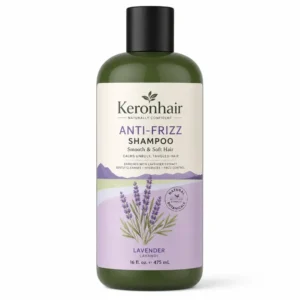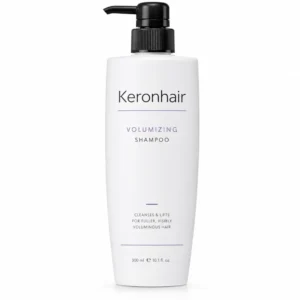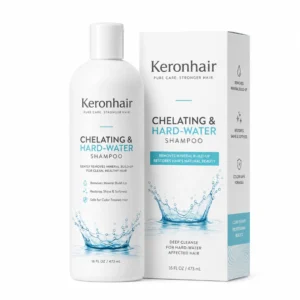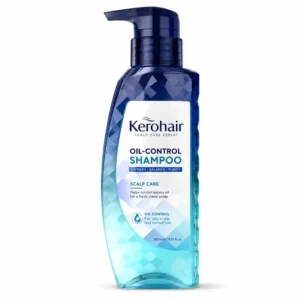
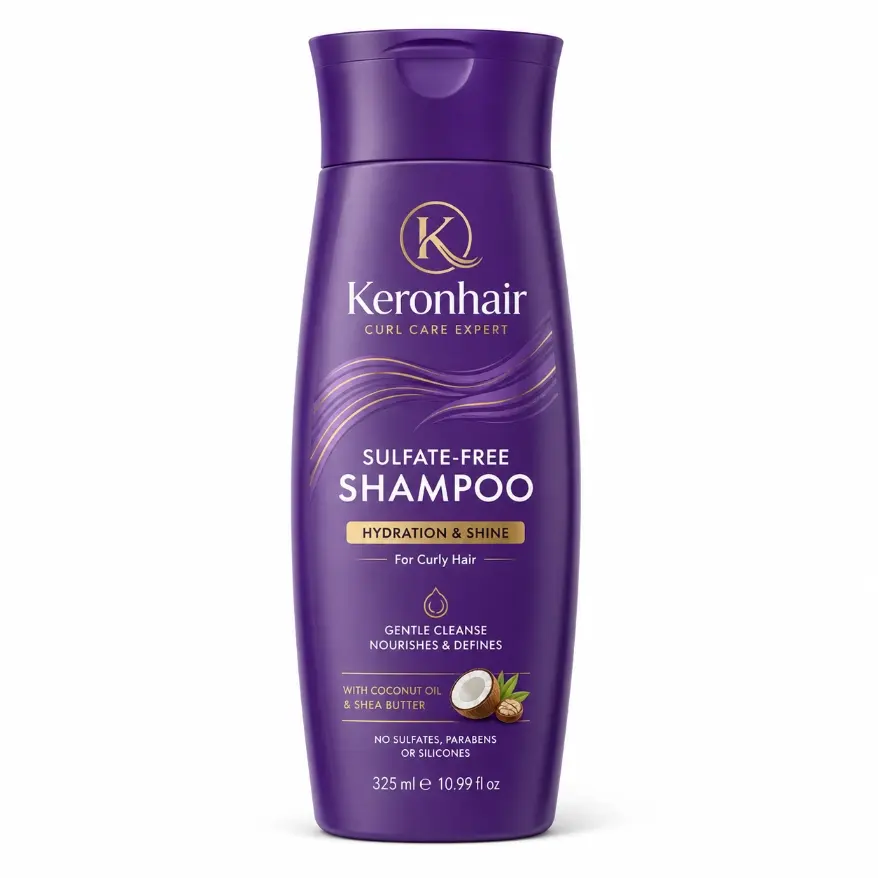
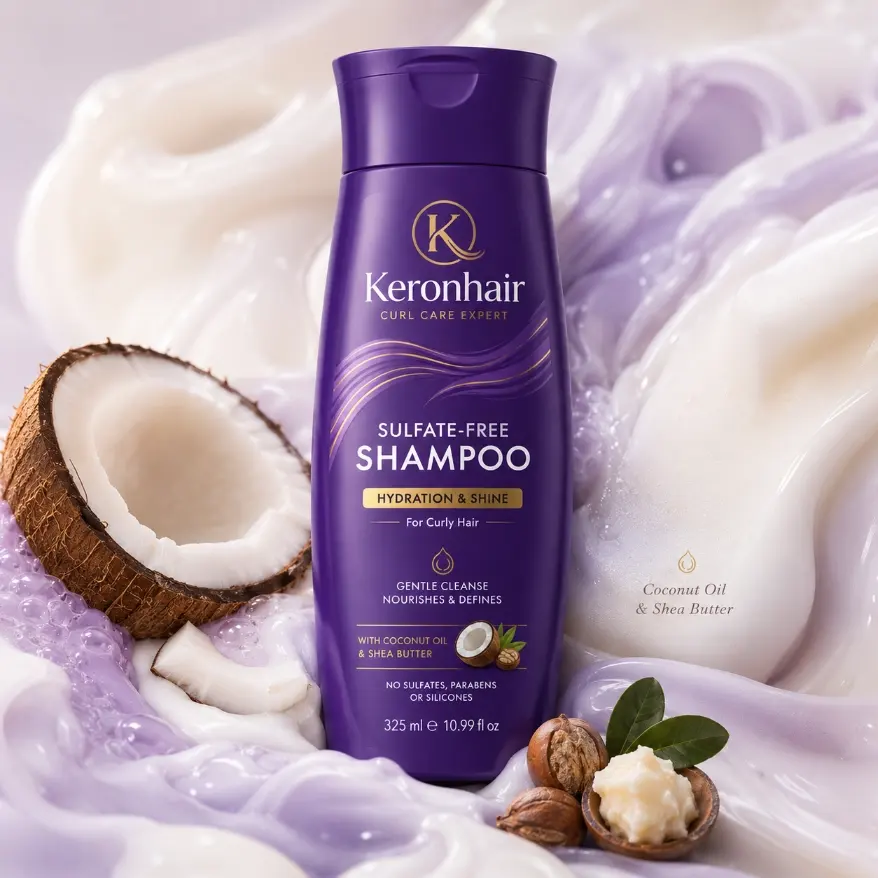
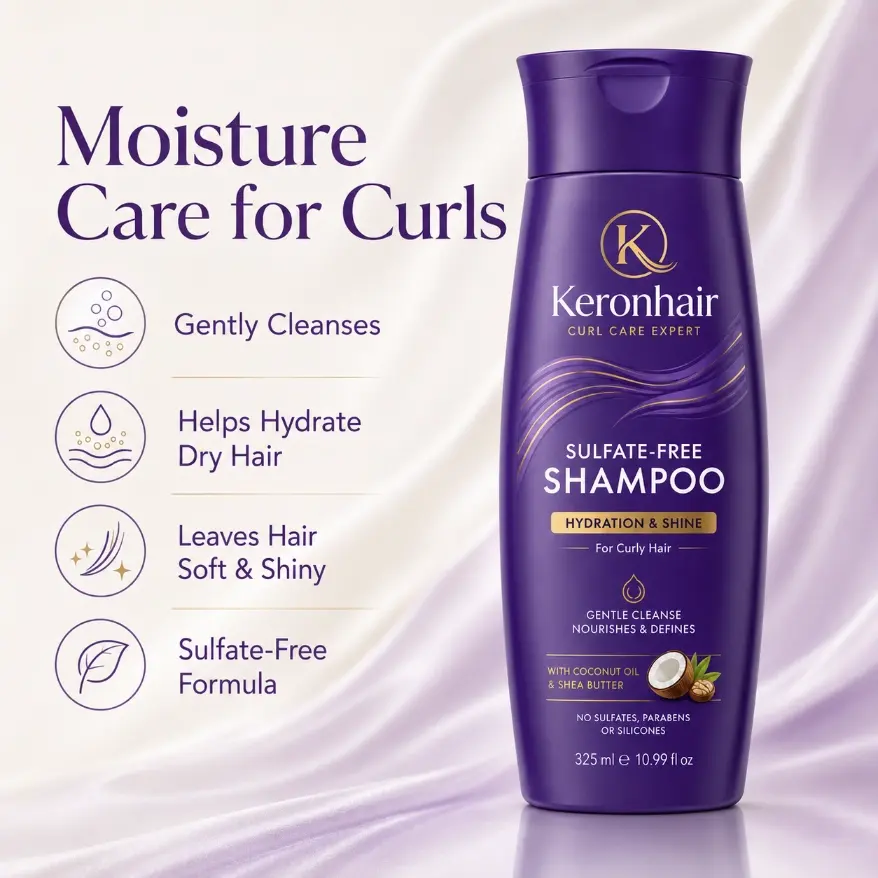
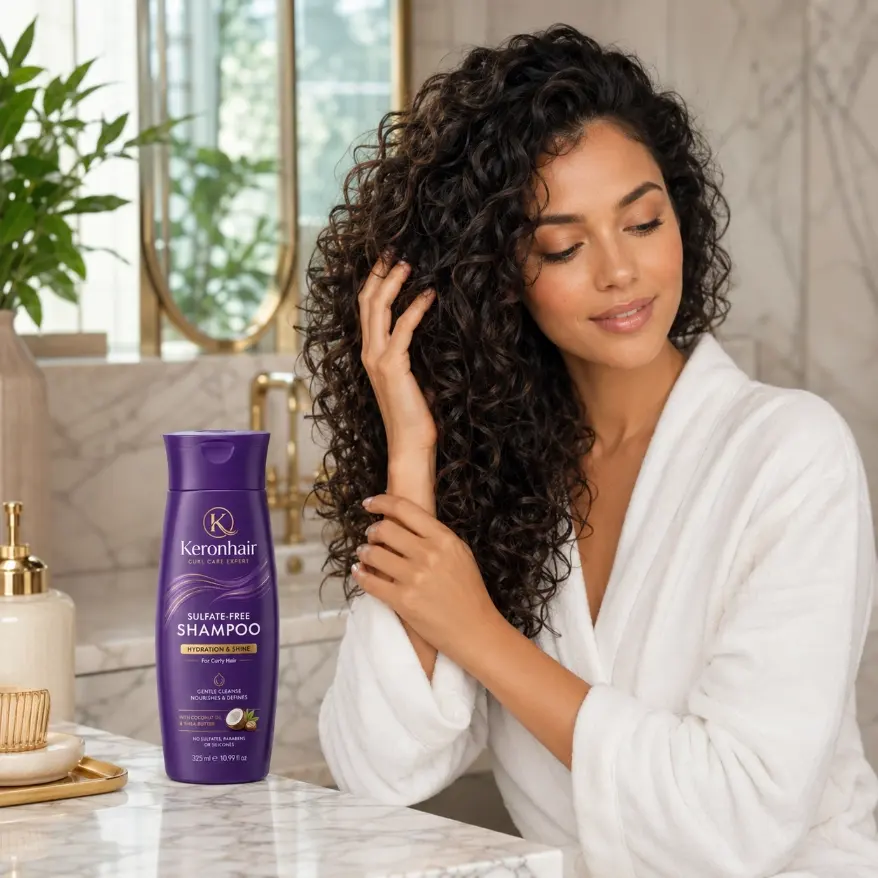
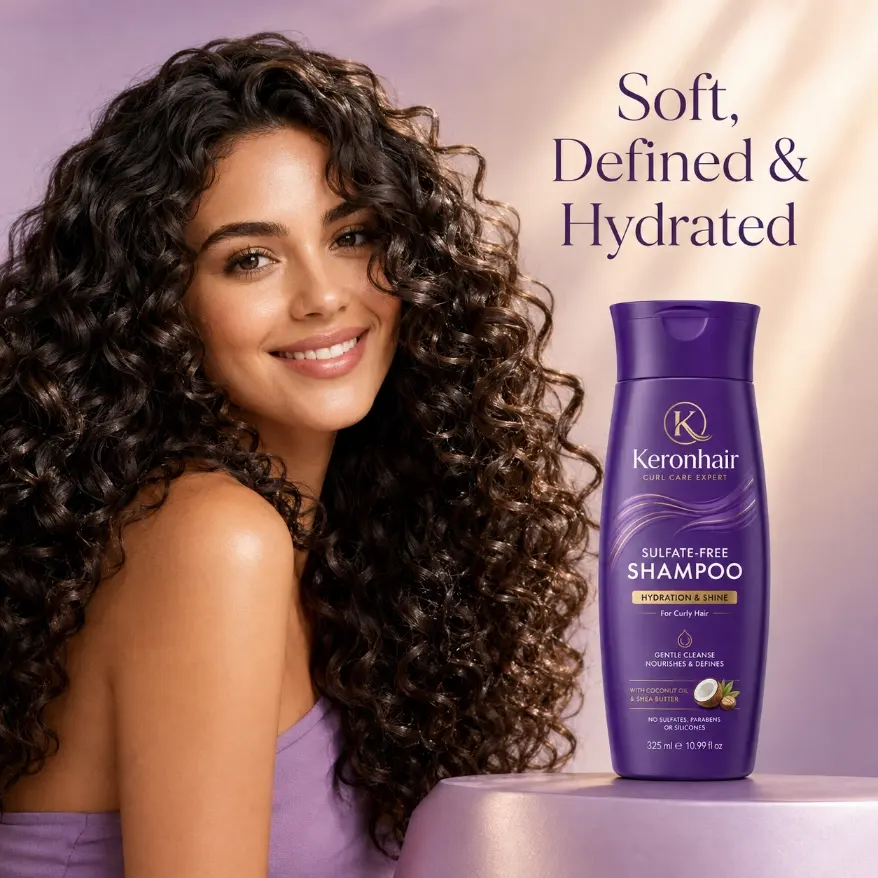
Develop a sulfate-free shampoo that meets your target for cleansing, foam, viscosity, rinse feel and hair manageability. Keronhair helps brands define the exclusion list, surfactant architecture, sensory profile, packaging and production plan instead of treating “sulfate-free” as a complete formula brief.
Proven base, semi-custom or custom development aligned with your brief.
Natural, fashion and gray-coverage shades developed for your target market.
Color cream, developer, retail packaging and project documentation.
Buyers may use “sulfate-free” to mean no sodium lauryl sulfate and sodium laureth sulfate, while others apply a wider internal exclusion list. Keronhair records the exact ingredient names or families the brand intends to exclude before formula selection. This avoids label disputes after the sample has already been approved.
Sulfate-free does not mean surfactant-free, automatically gentle or suitable for every scalp. Alternative surfactants still need to be balanced for cleansing, foam, eye-area exposure, rinse feel, viscosity and preservation. Mildness, color protection or sensitive-scalp positioning must follow the actual finished product and evidence.
Some markets expect abundant, fast foam; others accept a creamier, lower-foam experience when the positioning is clear. The surfactant blend, polymers, fragrance, salt response and conditioning ingredients can all affect viscosity and foam. A formula that looks attractive in the bottle may still require adjustment if it spreads poorly, rinses slowly or leaves excessive residue.
Samples can be evaluated for cleansing strength, foam volume and texture, spread, rinse speed, scalp feel, wet combing, softness and residue. Benchmarks should be used as performance references, not as formulas to copy.
The project can consider silicone-free, color-care, vegan-positioned, botanical or naturally derived ingredient directions where technically and commercially appropriate. Each term needs a defined standard, full formula check and destination-market review. One exclusion claim should not be used to imply that other ingredients are unsafe.
Packaging options include flip-top bottles, pumps, salon sizes, travel packs and refill-oriented formats where component availability allows. Formula viscosity, closure, label area, decoration and leakage performance are reviewed as one product system.
The final formula and pack should be assessed for stability, compatibility and microbiological quality according to project needs. If the page or label will claim mildness, reduced color fade, improved moisture or suitability for sensitive scalp, define the wording and supporting evidence before artwork approval.
Keronhair offers Ready-to-Brand, Semi-Custom and Fully Custom routes. MOQ depends on bulk batch, surfactant and fragrance sourcing, bottle and closure, decoration, number of SKUs and the chosen development route.
The answer depends on the brand’s defined standard. Provide the exact ingredient names or exclusion policy you want to use. Keronhair checks the final formula against that agreed definition before label copy is approved.
It can be designed for a satisfying foam profile, but the volume, speed and creaminess may differ from a sulfate-based benchmark. Water conditions, oil level and styling residue also affect consumer-perceived foam.
Potentially. These directions should be reviewed together because conditioning, deposition, color-care performance and combability still need to meet the brief. Every “free-from” statement must match the finished formula.
No. Mildness depends on the complete surfactant system, concentration, pH, fragrance and other formula factors. Sensitive-scalp claims require appropriate safety, claim and market review rather than relying on sulfate-free positioning alone.
MOQ depends on the formula route, batch size, surfactant and fragrance sourcing, packaging, decoration and number of variants. Keronhair confirms the minimum after the formula and package configuration are clear.
—— Private label manufacturing process
One coordinated Keronhair team manages formulation, sampling, packaging, quality control, and shipment preparation—giving your brand a clearer path from concept to production.
01
Share your target market, product category, performance direction, reference products, packaging expectations, budget, and planned launch timeline with Keronhair.
02
Our R&D team recommends a proven formula route or plans custom development around your ingredients, texture, fragrance, and positioning requirements.
03
Keronhair prepares samples for your review, then coordinates feedback on fragrance, texture, viscosity, color, application, and product performance.
04
Our team coordinates bottles, jars, tubes, closures, labels, decoration, and cartons while reviewing suitability for the selected formula and filling process.
05
After written approval, Keronhair organizes materials, filling, packing, in-process quality checks, batch records, and retained production references.
06
Keronhair completes finished-product checks, packing verification, required export-document coordination, and shipment preparation for your agreed destination.
Tell us what you want to launch and where you plan to sell it. From hair care and hair color to styling products, we can help you move from product development and sampling to packaging and production.