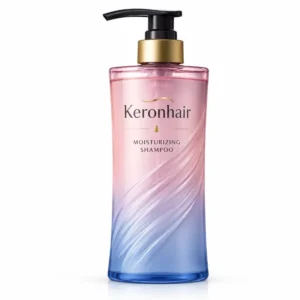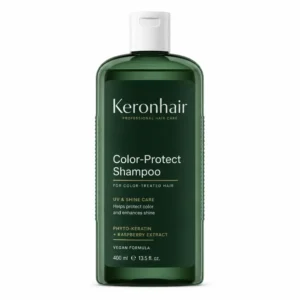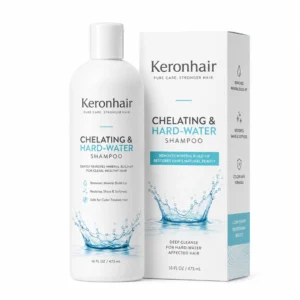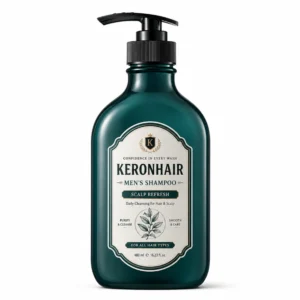
Customized Shampoo can be tailored to your brand through changes to the formula, fragrance, appearance, packaging, and washing experience. But adding more custom features does not automatically make your product more competitive. I recommend focusing on the differences your customers will notice and value, so each change has a clear purpose.
As a manufacturer, I prefer to start with three questions: Who is this shampoo for? What should it feel like to use? Which requirements are essential? Once those answers are clear, we can discuss ingredients, bottles, and development options without losing sight of the original goal as revisions progress.
You do not necessarily need a formula developed from scratch. First, identify what genuinely needs to change, then decide how much customization you need.
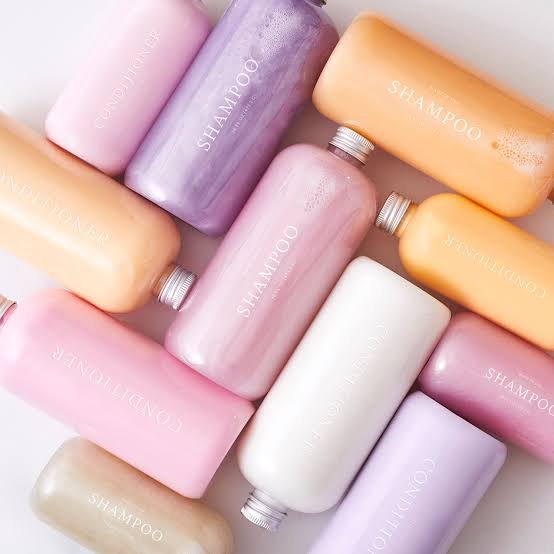
What Can You Customize in a Shampoo for Your Brand
You can discuss cleansing performance, how the hair feels afterward, fragrance, color, thickness, bottle shape, pumps, labels, and packaging sizes. What can actually be changed depends on the formula, development approach, packaging availability, and target market.
I would not treat these as a checklist of independent options. The shampoo’s thickness needs to suit the dispenser, for example, and fragrance needs to be evaluated in the complete formula. Even when a change appears to affect only one feature, we still need to check its effect on the others.
| Area of customization | What you can request | What still needs checking |
| Washing experience | Cleansing performance, rinsing feel, and how hair feels afterward | Whether the complete formula meets expectations |
| Ingredients | Ingredients to include or exclude | Suitability, supply, and formulation feasibility |
| Fragrance | Scent direction and intensity | How the fragrance performs in the finished shampoo |
| Appearance and thickness | Clarity, pearl effect, color, and flow | Stability and actual dispensing performance |
| Bottles and dispensers | Bottle shape, pump, or flip-top cap | Whether the formula and packaging work together |
| Branding and sizes | Labels, decoration, fill volume, and cartons | Artwork, labeling requirements, and packaging supply |
Separate the problems you must solve from the ideas that would be nice to include. If your main complaint about a reference product is that it is difficult to squeeze out, we should first look at how its thickness works with the packaging, rather than immediately adding another botanical ingredient.
Let Your Product Goals Determine How Much to Customize
An existing formula, a modified formula, and a formula developed from scratch each have their place. I would choose between them based on the gap between the available samples and your brand’s goals, rather than treating full customization as the default.
| Development approach | When it is worth considering | What to clarify first |
| Use an existing formula | An available sample meets your core requirements | Whether it suits your customers and proposed packaging |
| Modify an existing formula | The basic performance is right, but some features need to change | What needs to be reassessed after the changes |
| Develop a new formula | Existing bases cannot meet a key requirement | Whether the scope is clear and the investment makes sense |
Keep an Existing Formula When It Already Works
If an existing sample already delivers the cleansing performance and after-wash feel you want, keeping that formula is a reasonable choice. Within the available options, you can focus customization on packaging, labels, and how your brand is presented.
An existing formula does not mean you can skip project-specific checks, though. I would still review the applicable specifications and test information, including whether they cover the packaging combination you plan to use.
Be Clear About What to Change and What to Keep
You may like how a sample washes but find its fragrance too strong. Or you may want to adjust the thickness so it is easier to dispense. For requests like these, modifying an existing formula can be a useful starting point.
I would first write down the performance we want to preserve and the features we want to change, then discuss both with the formulator. Switching fragrance or slightly adjusting thickness sounds simple. The wording alone does not tell us how much work is involved or what needs reassessment.
Explain Why Existing Options Fall Short Before Developing a New Formula
Consider a new formula when existing bases cannot meet an important requirement. Rather than saying, “I want a completely unique shampoo,” bring reference samples and explain what works and where they fall short. Those details give us a clearer direction for development.
At Keronhair, we offer existing formulas, semi-custom development, and fully custom development. You can discuss a suitable approach through our custom hair care formulation service. For me, agreeing on the actual scope of work matters more than defining the relationship simply as OEM or ODM.
Decide on the Washing Experience Before Discussing Ingredients
When developing shampoo, I care more about how it works for the customer than how impressive the ingredient list looks. You can tell us which ingredients you prefer, but also explain what you want those choices to contribute to the finished product.
Turn General Preferences Into Requirements We Can Compare
Start by describing who will use the shampoo, how they normally wash their hair, and what they dislike about their current products. Understanding the different types of shampoo can also help you choose a direction before discussing individual ingredients.
For example, “We want it to rinse easily and leave less of the noticeable coated feel we get from the reference sample” is clearer than “premium, nourishing, and pleasant to use.” The first tells us what to compare; the second needs more questions. These are development goals, however, not yet proven product benefits.
A shampoo brief for a curl-care line should identify which leave-in, styling and treatment products will follow it. The South Africa curl-care range example makes that product-system discussion concrete with a four-step collection.
When comparing samples, I recommend recording lather, rinsing feel, wet-hair feel, and the result after drying separately. Keep the rest of the hair care routine as consistent as possible. If you change the conditioner at the same time as the shampoo, it becomes difficult to tell what caused the difference.
Silverson’s shampoo formulation and processing application report explains the different roles of surfactants, conditioning ingredients, and viscosity modifiers. Lather and thickness should be considered alongside overall performance. Neither abundant foam nor a thick appearance is enough on its own to approve a formula.
An Ingredient Request Is Not Proof of a Product Benefit
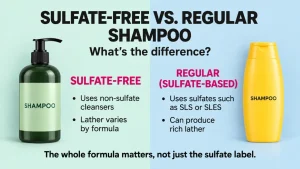
Adding an ingredient and proving that a product delivers a particular result are different tasks. If your brand wants sulfate-free or naturally derived positioning, I would first clarify what that means for the complete formula, then check the support for the claims you plan to use.
If organic positioning is part of the customization brief, establish the evidence requirements before choosing extracts or writing a label. The organic manufacturer evaluation guide helps turn that marketing direction into questions the laboratory and supplier can answer.
Decide on your target market early, too. For example, FDA guidance on the distinction between cosmetics and drugs explains that, in the United States, shampoo intended to treat dandruff is both a cosmetic and a drug. That example does not apply automatically to every market, but it shows why reviewing packaging claims should not wait until the design is finished.
Evaluate Fragrance Appearance and Thickness During Actual Use
It is easy to judge scent and texture on first impressions. I recommend evaluating them during a real wash instead. What you notice when opening the bottle, while washing, and after rinsing is worth describing separately.
Make Your Fragrance Brief Specific
“Fresh” might mean citrus, green leaves, an aquatic scent, or something quite different. You do not need to design the fragrance yourself. You just need to give us a clear enough direction to narrow the options.
A useful fragrance brief can include:
- The scent direction you like and any physical references you can provide.
- Whether you want a subtle fragrance or something more noticeable.
- Scents you dislike or want to avoid.
- Whether the scent in the bottle, during washing, or after rinsing matters most to you.
I recommend approving the fragrance in a finished shampoo sample, not just smelling a fragrance sample on its own. Record your impressions at each stage of use, then confirm whether a fragrance change requires additional assessment. Liking a scent does not establish that it is suitable for this formula.
Approve Thickness and Appearance With the Final Packaging
A sample that looks good in an open jar may not work as well in the final bottle. Before deciding that a thicker shampoo feels more premium, I would first ask whether it dispenses smoothly through the intended pump or flip-top cap.
For clarity, color, and pearl effects, distinguish essential requirements from preferences you can adjust. Approve the formula and packaging as a combination. Approving them separately does not establish that they will work together.
Packaging Customization Goes Beyond a New Label
Packaging choices include bottle shape, dispensing method, fill volume, decoration, and outer packaging. When a brand wants a distinctive bottle, I prefer to compare a stock bottle with custom decoration against a newly molded design before deciding which approach fits the project.
Appearance is only part of that comparison. Discuss what tooling work is included, whether packaging supply will be dependable, and how reorders will work. Then consider the customer’s experience: Can they grip the bottle with wet hands? Is the product name easy to read? Can they dispense a suitable amount of shampoo easily?
Packaging also needs technical assessment. Cosmetics Europe’s Guidelines on Stability Testing of Cosmetic Products discusses interactions between the product and its container, including testing in containers representative of the intended market packaging. This is industry guidance, not evidence that a particular bottle has passed testing.
If you change the bottle material, pump, or another closure component after sample approval, I recommend checking what needs reassessment first. Labels and decoration should also be reviewed against the actual packaging and the information required in your target market. Our packaging and sampling planning guide covers more of these arrangements.

Which Choices Affect Minimum Orders Cost and Lead Time
I suggest defining the product configuration before comparing quotes. An existing formula in a standard bottle involves a different scope of work from a new formula with special packaging and several fragrances. Price per bottle alone does not tell you which offers better value.
When discussing a quote, check:
- Whether it includes formula development, sample revisions, and relevant testing.
- Whether special ingredients are involved and what purchasing requirements apply.
- The separate minimum quantities for bottles, pumps, labels, and cartons.
- How many fragrances, sizes, or other product versions you plan to launch.
- Which approvals and material deliveries are required before production can be scheduled.
Confirm the finished-product minimum order quantity and packaging purchasing minimums separately. If you need to buy more packaging than the first production run uses, clarify who stores the remainder, how it is paid for, and whether it can be used for later orders. What happens if you change the design before that stock runs out? These questions are best settled before placing an order.
For a first launch, I prefer to prioritize changes that address the core requirements and quote optional variations separately. That helps the brand decide what is worth investing in now and what can wait. Our private label shampoo MOQ guide also explains why a minimum quantity shown on a webpage should not be treated as the final ordering terms for a particular project.
Does Customized Shampoo Mean You Own an Exclusive Formula
“Customized for your brand” does not automatically mean “an exclusive formula owned by your brand.” Formula ownership, exclusive supply arrangements, and development fees need separate agreements. The more important exclusivity is to your brand, the earlier you should clarify the terms, before committing to a development approach.
First, establish what you need: ownership of the formula information, exclusive supply of a particular product, or access to documents required for your target market. Then confirm the territory, duration, and product variations covered, along with any minimum purchase commitments.
Consider future changes as well. Who approves ingredient substitutions? What information can the brand obtain if the working arrangement changes? These points belong in a written agreement, with appropriate legal advice where needed.
My recommendation is to settle these expectations before approving development costs. Both the brand and the manufacturer can then judge whether the proposed arrangement meets their needs.
Turn Your Product Idea Into a Brief the Factory Can Use
You do not need to bring us a complete formula, but you do need to explain the product direction. Before seeing a long list of trending ingredients, I would rather have a clear brief describing who the product is for, what problem it should solve, and which requirements are already settled.
For an initial discussion, prepare:
- Your target market, sales channel, and intended customer.
- The washing experience that matters most and the sensations you want to avoid.
- Reference products, including specific likes and dislikes.
- Essential ingredient requirements and preferences you can adjust.
- Fragrance direction, planned packaging, and fill volume.
- Expected order volume, budget range, and launch timing.
I once worked on a project for a salon brand developing a retail shampoo for customers who washed their hair frequently. The brand liked how the reference product rinsed but found the scent too strong and wanted easier dispensing. A lighter fragrance and convenient dispensing were therefore priorities, while a distinctive bottle shape was optional.
Texture decisions become more useful when they are tested beside the products that follow the shampoo. Our lightweight scalp-care development example shows how cleansing, conditioning and treatment roles can be coordinated within one collection.
With a brief like that, my first question is whether we can keep the core performance of an existing base, adjust the fragrance, and pair it with suitable standard packaging. That approach still needs assessment, but it gives us something concrete to discuss before deciding to develop from scratch.
Once you start comparing samples, I recommend numbering each version and recording what you want to keep and change. “Keep the scent direction of Sample B, but make it less noticeable” is easier to act on than “make it more premium.” Agree on the evaluation method as well; personal preferences cannot replace the necessary product testing.
After product approval, our shampoo manufacturing process guide explains the next stages. When you are ready to start, bring your brief to Keronhair’s custom shampoo manufacturing team. I would like us to clarify the product goals first, then discuss development and packaging together, rather than adding every customization option at the outset.
Frequently Asked Questions About Customized Shampoo
These questions are worth addressing early. The right approach still depends on your formula, packaging, and agreed development scope.
Can You Customize Shampoo Without Developing a New Formula
Yes. If an existing formula meets your core requirements, focus on available packaging and branding options, or discuss targeted formula changes. Confirm the options and necessary assessments for your project.
Can a Factory Copy a Shampoo I Like
A reference helps us understand your performance goals, but cannot guarantee an identical result. Explain the features you like and want to improve, then develop your own product direction, branding, and packaging.
Do More Ingredients Make a Better Shampoo
Not necessarily. Ingredient count does not establish performance. I focus on whether the complete formula delivers the intended cleansing and user experience, rather than simply making the ingredient list longer.
Can You Change the Fragrance After Approving a Sample
You can request a change, but it should not go straight into production. First assess its effect on the formula, testing, specifications, and schedule, then approve the revised sample.
References and Sources
These sources support the technical discussion and market-specific explanations. They do not validate a particular Keronhair formula, packaging combination, or customer project.
1. Silverson Application Report on the Manufacture of Shampoos. Explains ingredient functions and processing considerations. This is an equipment application report, not a universal technical specification for every shampoo formula.
2. Cosmetics Europe and CTFA Guidelines on Stability Testing of Cosmetic Products. Industry guidance published in March 2004, covering formula changes, product stability, and packaging compatibility. It is not a current regulatory compliance checklist.
3. FDA Guidance on Whether a Product Is a Cosmetic a Drug or Both. Official U.S. guidance explaining how intended use and claims affect product classification.