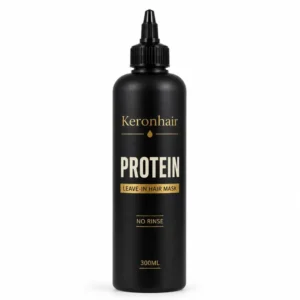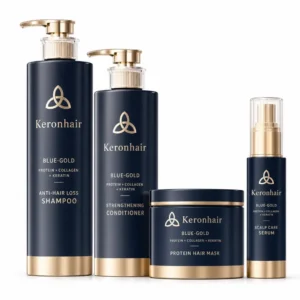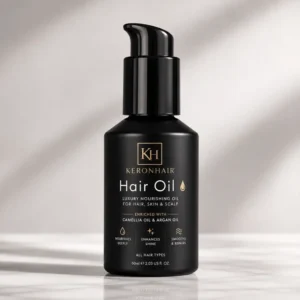
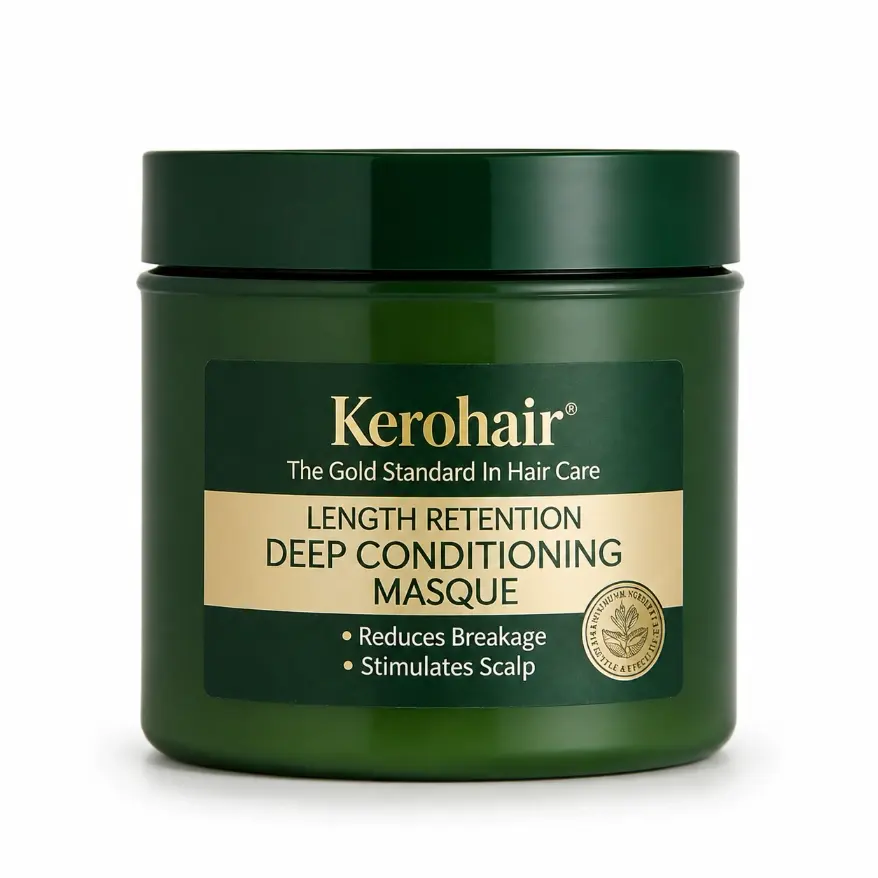
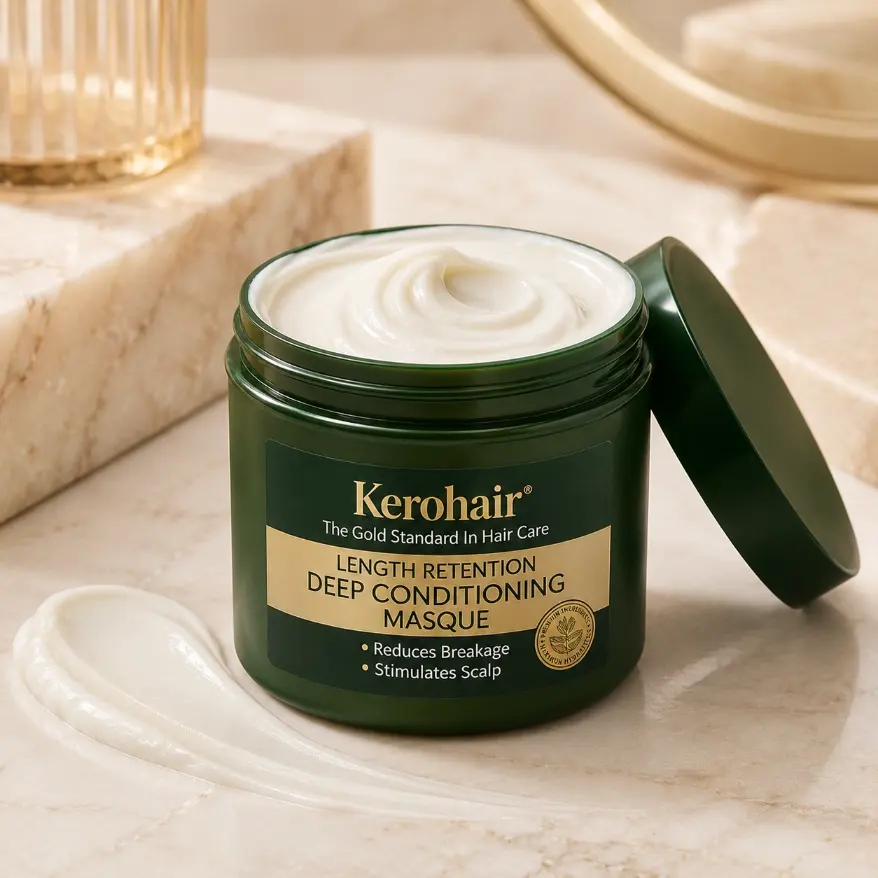
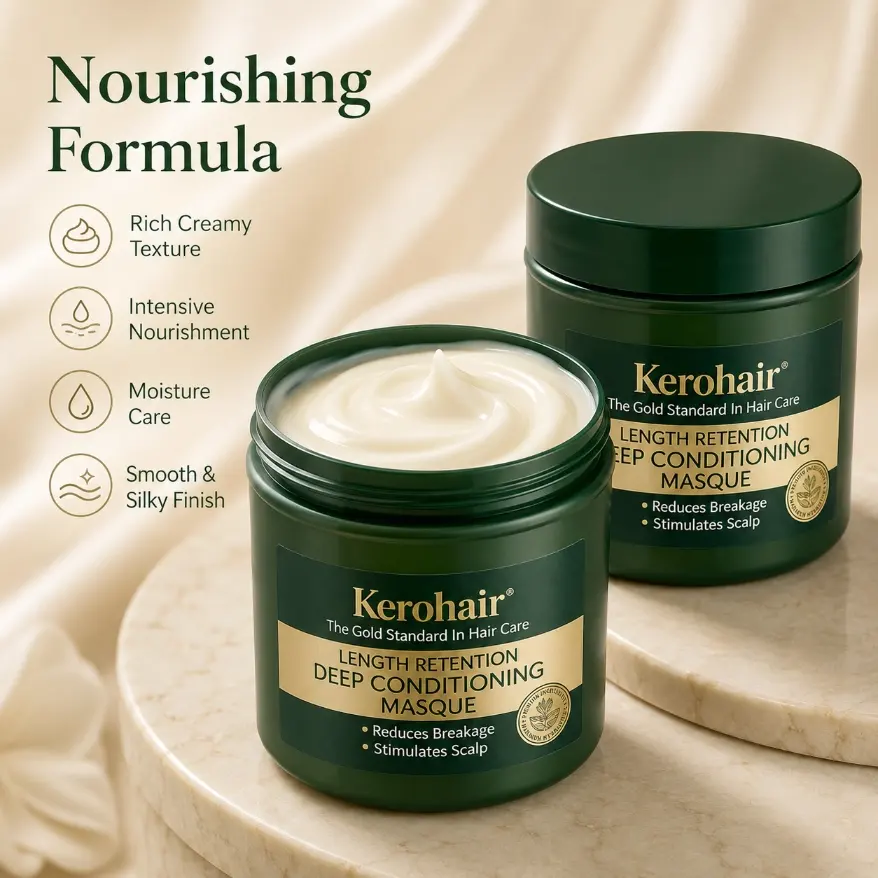

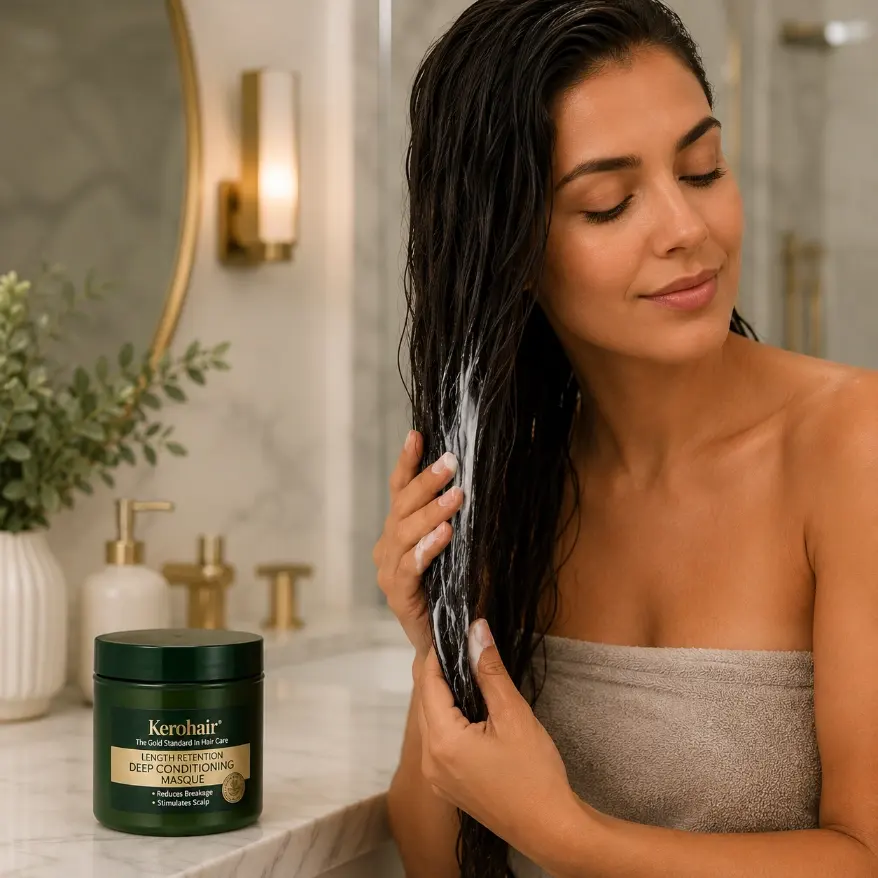
Develop a treatment mask around the richness, spread, detangling, rinse feel and after-use experience that defines your brand. Keronhair supports private label and custom hair masks for salon, retail, distributor and e-commerce channels.
Proven base, semi-custom or custom development aligned with your brief.
Natural, fashion and gray-coverage shades developed for your target market.
Color cream, developer, retail packaging and project documentation.
If a conditioner and mask use the same claim, texture and finish, buyers may struggle to understand why both products belong in the range. A mask should have a defined use occasion—such as weekly intensive care, post-service support, high-porosity hair care, curl nourishment or richer conditioning for dry-feeling lengths.
Keronhair helps brands distinguish the mask through texture, dose, application area, recommended frequency, sensory payoff and packaging. “More active ingredients” is not a sufficient differentiator unless the formula and evidence support the statement.
Consumers often judge a mask first by its scoop, spread and fragrance, then by slip during application, rinsing and dry-hair feel. A visually rich formula can still disappoint if it drags during application, rinses unevenly or leaves an unsuitable coating.
The sample brief can define viscosity, pick-up from the jar or tube, distribution, wet slip, detangling, rinse time, residue, softness, shine and manageability. Hair type, previous chemical treatment, climate and the paired shampoo should be included in evaluation.
Possible directions include plant oils and butters, hydrolyzed proteins, amino acids, conditioning polymers, silicones or alternatives, botanical extracts and fragrance. The final formula—not the ingredient name alone—determines whether a moisture, smoothing, breakage or repair claim is supportable.
Claims such as “reverses damage,” “restores virgin hair,” “repairs every strand,” “rebuilds bonds” or a fixed percentage reduction in breakage require precise definitions and evidence. Keronhair uses conditional, product-specific claim development rather than universal promises.
Jars support a rich, scoopable mask and a premium treatment ritual. Tubes can improve dose control and shower handling. Pumps may work for selected viscosities, while larger jars or tubs can suit professional backbar use. Sachets can support sampling, travel or single-service programs.
Packaging review covers viscosity, filling, compatibility, closure, seal, wet-environment handling, leakage and decoration. If the brand wants recycled-content, mono-material or refill-style packaging, component claims and formula compatibility need separate confirmation.
Keronhair can begin from a Ready-to-Brand mask, adapt selected sensory or ingredient directions through Semi-Custom development, or create a Fully Custom formula against a benchmark and target cost.
After sample approval, product specifications can define appearance, odor, pH, viscosity, fill and agreed sensory characteristics. Stability, microbiological quality and packaging compatibility are assessed according to the formula and project plan. Batch records and retained samples support production traceability and reorders.
Share the target hair, use frequency, desired richness, rinse profile, benchmark, ingredient story, pack, destination market and forecast. Keronhair will recommend the most suitable development route.
A conditioner is usually positioned for routine use and efficient rinsing, while a mask often offers a richer or more intensive treatment experience with a longer application time. The actual difference must be created in formula, use and claims—not the product name alone.
Bond-support or repair-positioned concepts can be reviewed. The exact ingredient technology, mechanism language and finished-product evidence determine whether claims such as “bond repair” are appropriate.
Yes. Lower residue, quicker rinsing and a lighter after-feel can be development targets. Evaluation should use the intended hair type, climate-related routine and paired cleanser.
The choice depends on viscosity, dose, use location, channel and brand position. Jars, tubes, pumps, sachets and professional formats can be assessed for filling, compatibility, leakage and minimums.
Yes, subject to packaging availability, filling compatibility and order quantity. A project can evaluate retail jars or tubes alongside larger professional formats while keeping the formula, directions, label information and cost structure appropriate for each channel.
—— Private label manufacturing process
One coordinated Keronhair team manages formulation, sampling, packaging, quality control, and shipment preparation—giving your brand a clearer path from concept to production.
01
Share your target market, product category, performance direction, reference products, packaging expectations, budget, and planned launch timeline with Keronhair.
02
Our R&D team recommends a proven formula route or plans custom development around your ingredients, texture, fragrance, and positioning requirements.
03
Keronhair prepares samples for your review, then coordinates feedback on fragrance, texture, viscosity, color, application, and product performance.
04
Our team coordinates bottles, jars, tubes, closures, labels, decoration, and cartons while reviewing suitability for the selected formula and filling process.
05
After written approval, Keronhair organizes materials, filling, packing, in-process quality checks, batch records, and retained production references.
06
Keronhair completes finished-product checks, packing verification, required export-document coordination, and shipment preparation for your agreed destination.
Tell us what you want to launch and where you plan to sell it. From hair care and hair color to styling products, we can help you move from product development and sampling to packaging and production.