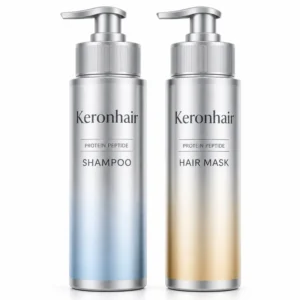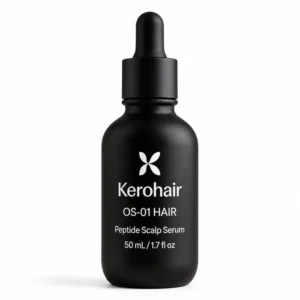
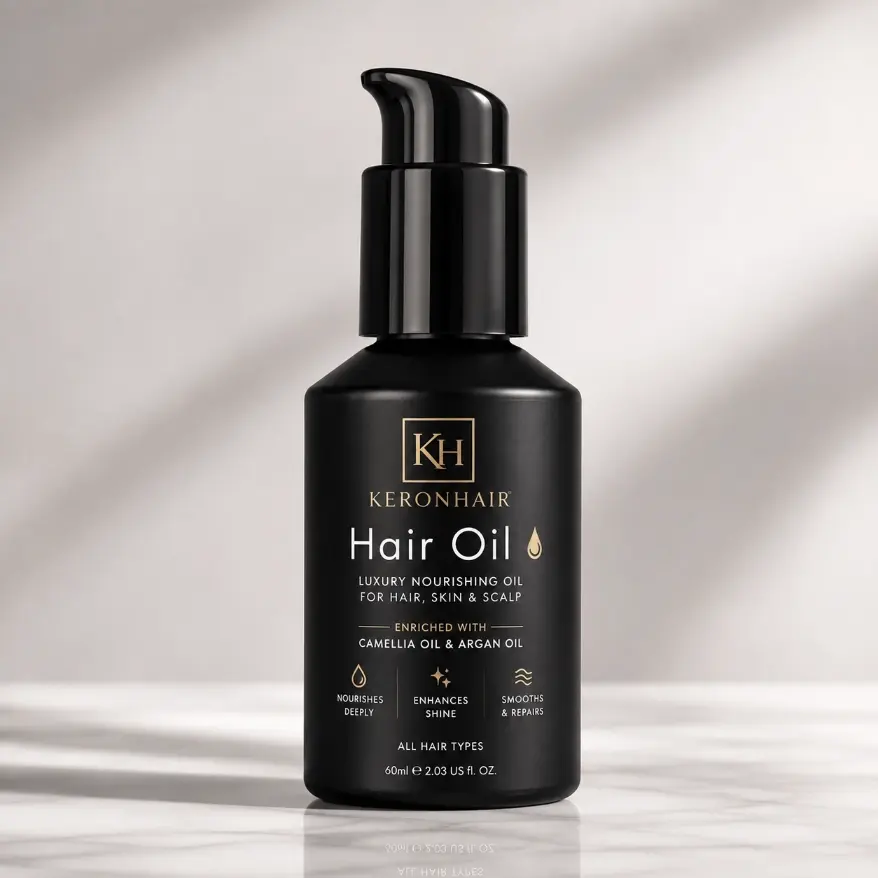
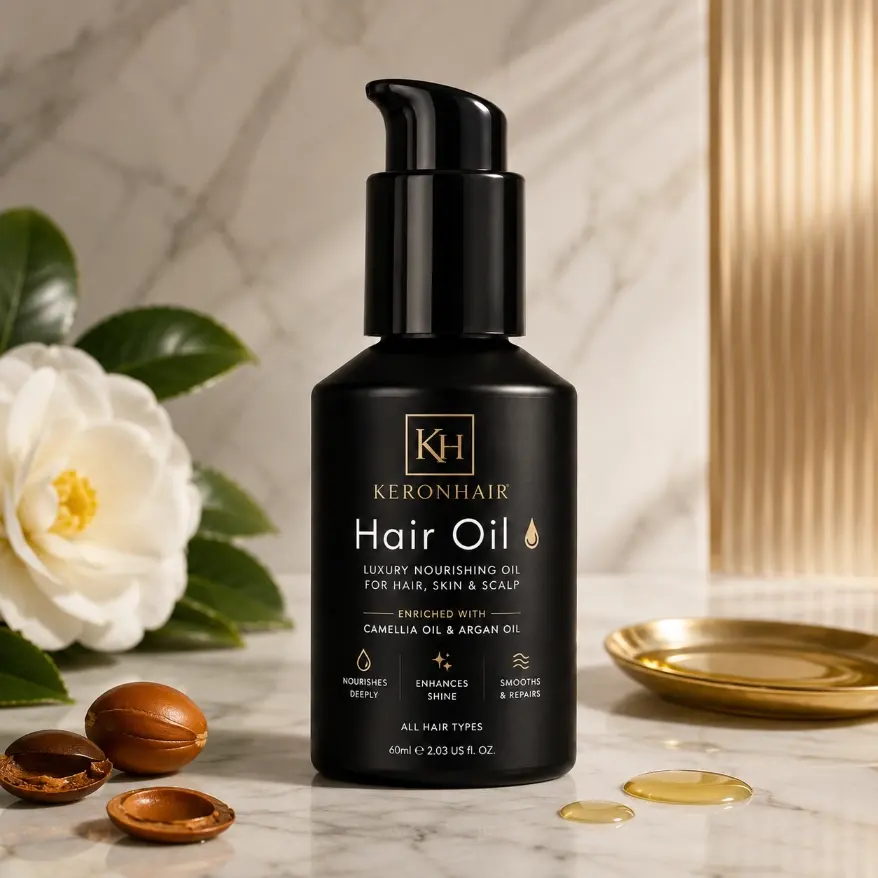
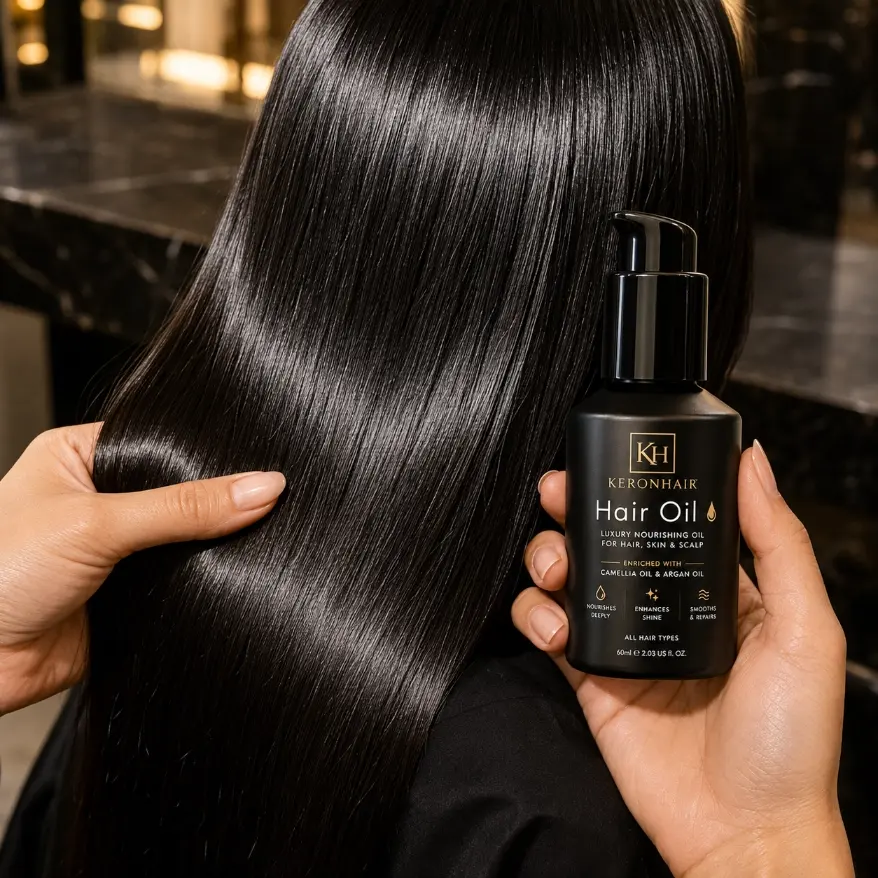
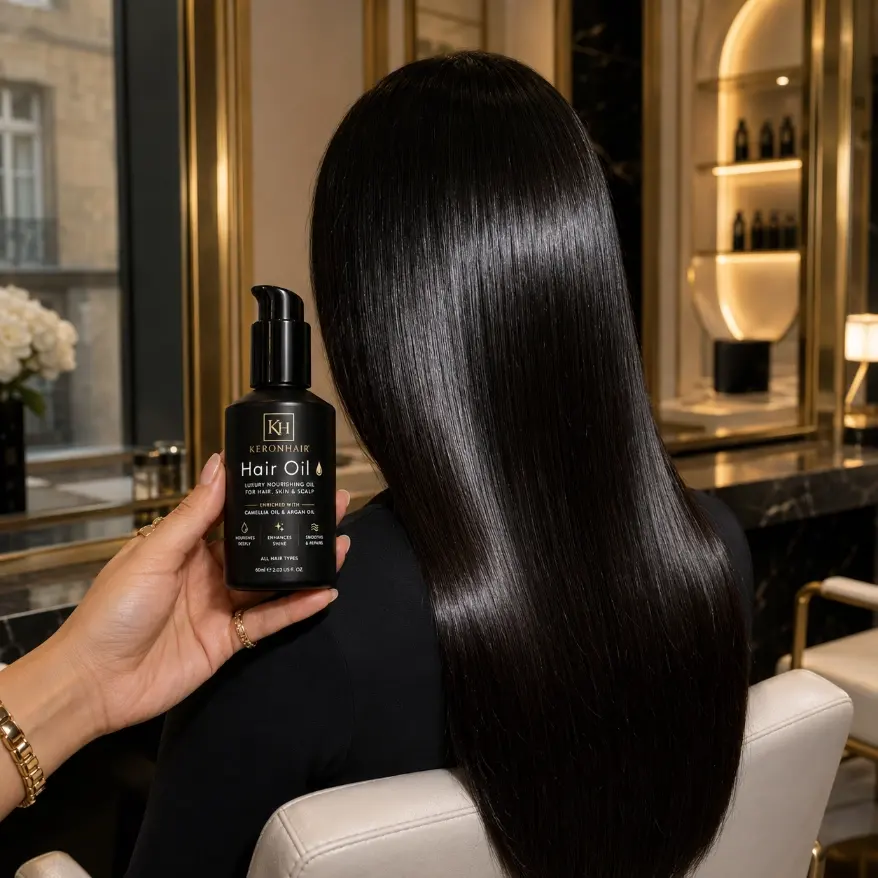
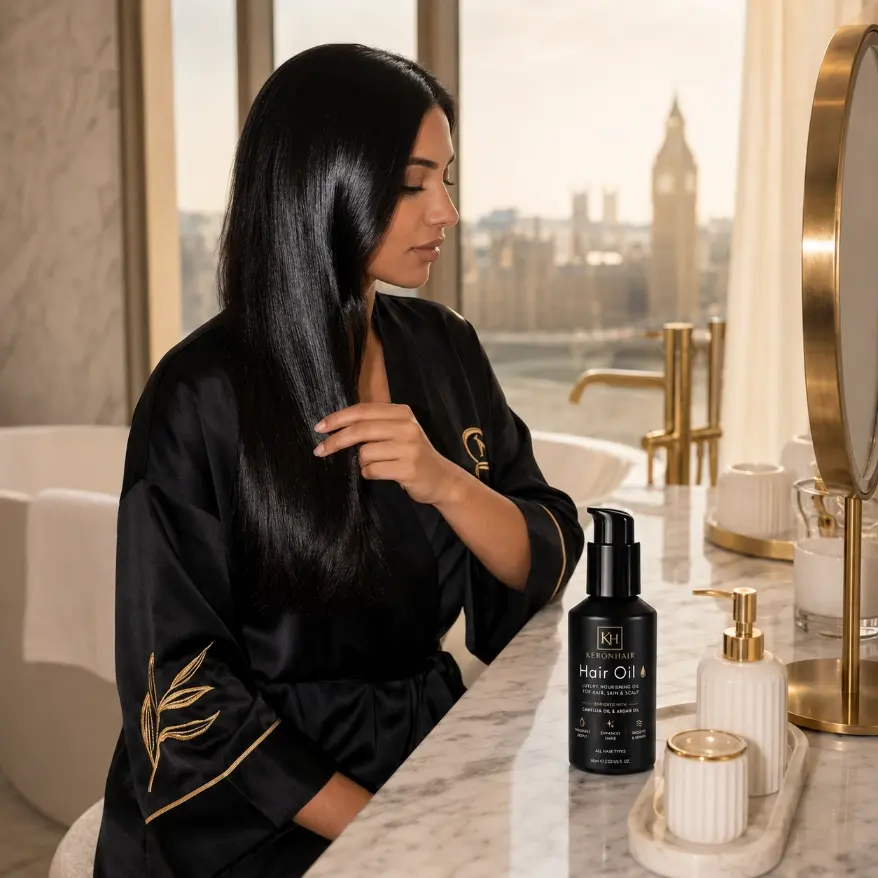
Develop a leave-in finishing product around the texture, shine, frizz-control experience and price position your market expects. Keronhair coordinates formula direction, sensorial development, packaging compatibility and production for salon, retail and e-commerce brands.
Proven base, semi-custom or custom development aligned with your brief.
Natural, fashion and gray-coverage shades developed for your target market.
Color cream, developer, retail packaging and project documentation.
Consumers may notice an oil name on the front label, but they judge the product by what happens in the hand and on the hair: spreadability, absorption perception, residue, shine, softness, strand separation and how the finish changes across fine, thick, straight, curly or chemically treated hair.
Keronhair turns these expectations into an evaluation brief before sample development. A lightweight serum for fine hair requires a different balance from a richer oil for coarse, dry or textured hair. The target dose, application stage and climate also influence formula and packaging decisions.
Ingredient directions may include argan, coconut, jojoba, camellia, avocado or other suitable oils, silicones or silicone-free alternatives, esters, fragrances and selected conditioning ingredients. An ingredient story does not automatically prove the same benefit in the finished formula; product-level claims must follow the actual composition and evidence.
An oil-based system can support a simple ingredient story and rich sensorial profile. Oxidation control, fragrance compatibility, color, viscosity and package barrier remain important development considerations.
A clear or translucent serum can be designed for high slip, shine and controlled application. The formula may be lightweight or more substantial depending on hair type, dose and desired finish.
Where the brief requires a lighter, more treatment-like feel, a water-containing emulsion or fluid serum may be considered. This route introduces preservation, microbial and compatibility requirements that differ from an anhydrous oil.
Pump output, dropper design, nozzle size and bottle material affect how much product the customer applies. Too much dose can make even a technically lightweight formula feel heavy; too little may make the benefit difficult to perceive. Keronhair evaluates the formula with the intended package rather than approving them as separate items.
Options may include plastic or glass pump bottles, droppers, airless packs, small salon vials, travel formats and cartons. Component availability, decoration, leakage resistance, shipping risk and minimums are confirmed during quotation. E-commerce projects should include pack-out and leak-prevention considerations early.
Samples can be reviewed for appearance, odor, spreadability, perceived absorption, residue, shine, softness and finish on agreed hair types. For heat-protection, humidity resistance or quantified breakage claims, a suitable product-specific test plan is required before publication.
Project specifications may include appearance, odor, viscosity, fill weight and other formula-appropriate controls. Stability and packaging compatibility should be evaluated using the final formula, fragrance, color and commercial component.
Send us the target hair type, desired finish, benchmark, ingredient direction, fragrance, bottle reference, destination market and estimated quantity. Keronhair will recommend a Ready-to-Brand, Semi-Custom or Fully Custom development route.
Yes. Lightweight spread, controlled residue and dose can be development targets. Final performance should be evaluated on the intended hair type and with the proposed pump or dropper output.
Ingredient directions can be reviewed for technical, regulatory and commercial feasibility. Any front-label ingredient or “free-from” claim must match the final formula and destination-market requirements.
These can be product-development targets, but published claims require an appropriate method and evidence for the finished product. The testing scope is agreed according to the market and claim wording.
MOQ depends on formula route, bulk batch, bottle and pump availability, decoration, carton printing, fragrance or ingredient sourcing and the number of SKUs. Keronhair confirms it after reviewing the complete brief.
Yes. Bottle shape, pump or dropper, decoration, label and carton options can be reviewed against the formula viscosity, target dose, compatibility requirements, order quantity and budget. Packaging is confirmed as a complete system so the chosen dispenser supports both product performance and the intended brand position.
—— Private label manufacturing process
One coordinated Keronhair team manages formulation, sampling, packaging, quality control, and shipment preparation—giving your brand a clearer path from concept to production.
01
Share your target market, product category, performance direction, reference products, packaging expectations, budget, and planned launch timeline with Keronhair.
02
Our R&D team recommends a proven formula route or plans custom development around your ingredients, texture, fragrance, and positioning requirements.
03
Keronhair prepares samples for your review, then coordinates feedback on fragrance, texture, viscosity, color, application, and product performance.
04
Our team coordinates bottles, jars, tubes, closures, labels, decoration, and cartons while reviewing suitability for the selected formula and filling process.
05
After written approval, Keronhair organizes materials, filling, packing, in-process quality checks, batch records, and retained production references.
06
Keronhair completes finished-product checks, packing verification, required export-document coordination, and shipment preparation for your agreed destination.
Tell us what you want to launch and where you plan to sell it. From hair care and hair color to styling products, we can help you move from product development and sampling to packaging and production.