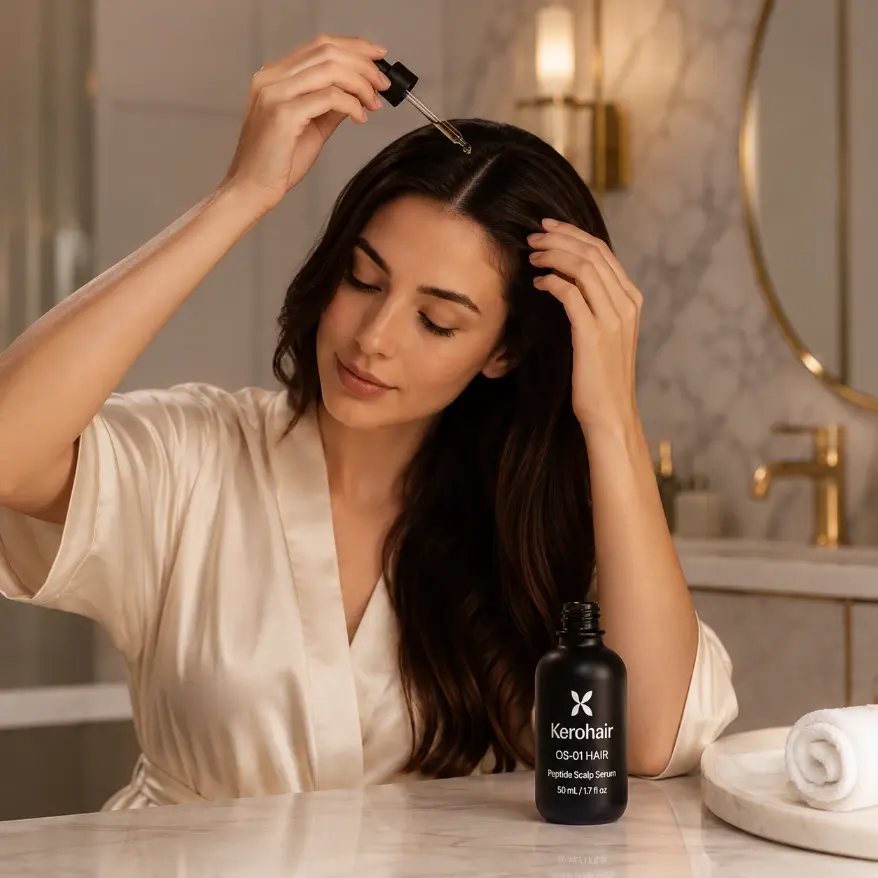
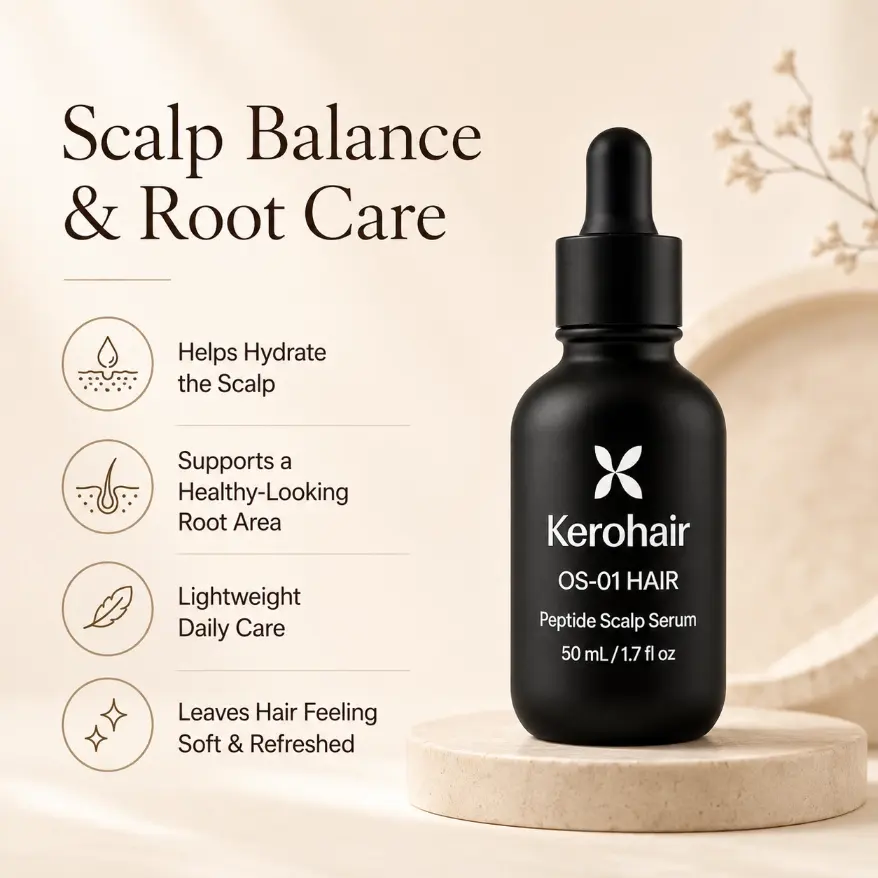
Build a scalp care range around cleansing, freshness, lightweight hydration, comfort and an easy-to-use application format. Keronhair helps brands translate a scalp concern into a compliant cosmetic brief, formula direction, package and production plan.
Proven base, semi-custom or custom development aligned with your brief.
Natural, fashion and gray-coverage shades developed for your target market.
Color cream, developer, retail packaging and project documentation.
“Scalp care” can refer to oiliness, product buildup, dryness, tight-feeling skin, visible flakes, odor perception or a desire for a fresher washing routine. These concerns do not all call for the same product. Before sampling, Keronhair defines the target user, use frequency, rinse-off or leave-on format, climate, hair density, fragrance direction and acceptable after-feel.
For hot and humid markets or frequent-washing routines, a lightweight texture and clean finish may be central. For dry-feeling scalp positioning, comfort and hydration perception may matter more than a cooling sensation. The brief should explain the intended cosmetic experience rather than relying on an ingredient list alone.
Keronhair can develop cosmetic products intended to cleanse, condition, refresh, moisturize or improve the appearance and feel of the scalp and hair. Claims about treating dandruff, stopping hair loss, stimulating follicles, regrowing hair, treating dermatitis or changing a body function may place the product in a drug, quasi-drug or other regulated category depending on the market.
For the United States, an anti-dandruff treatment is regulated as a drug/cosmetic combination, and hair-restoration claims can create drug status. Buyers should decide the intended regulatory route before formula and artwork approval. Keronhair can support the manufacturing brief and applicable product information; the brand and its market-responsible party must confirm legal classification and registration requirements.
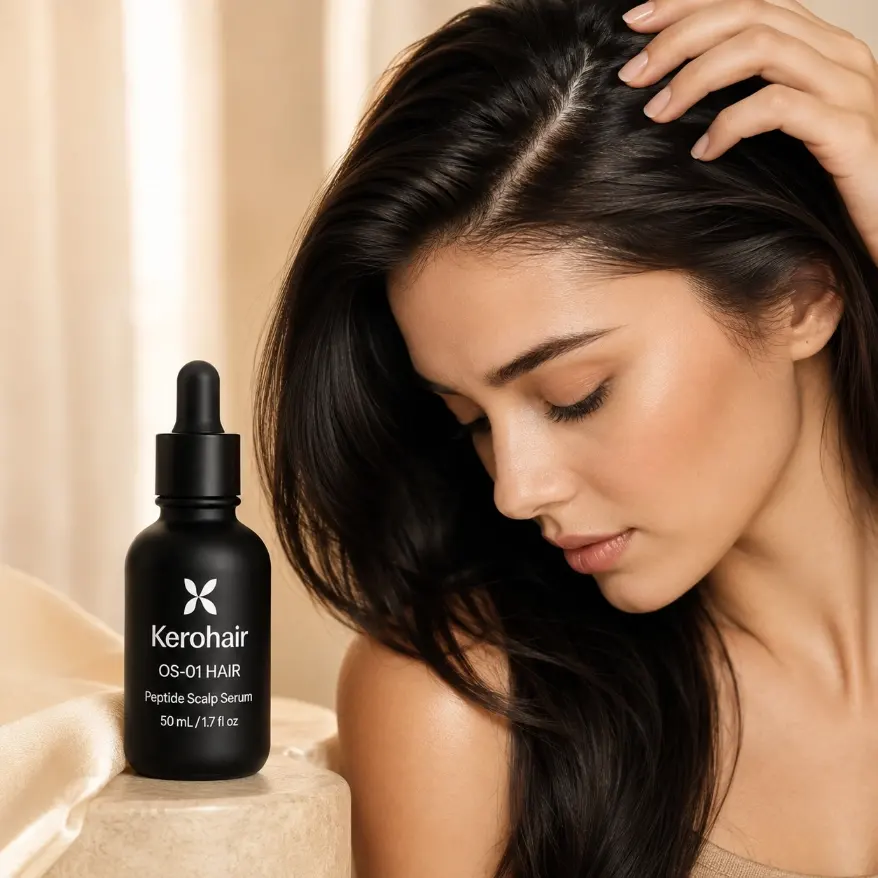
A leave-on scalp product should reach the scalp through the hair, spread in a controlled way and dry to an acceptable finish. Development can evaluate flow, spray pattern, nozzle precision, perceived cooling, tack, residue at the roots and compatibility with styling.
Scrubs and rinse-off formats require different questions: particle or exfoliant type, distribution, rinseability, hair entanglement, scalp feel and package dispensing. Natural-looking particles, acids, botanical extracts or other ingredients do not remove the need for formula-level safety and claim review.
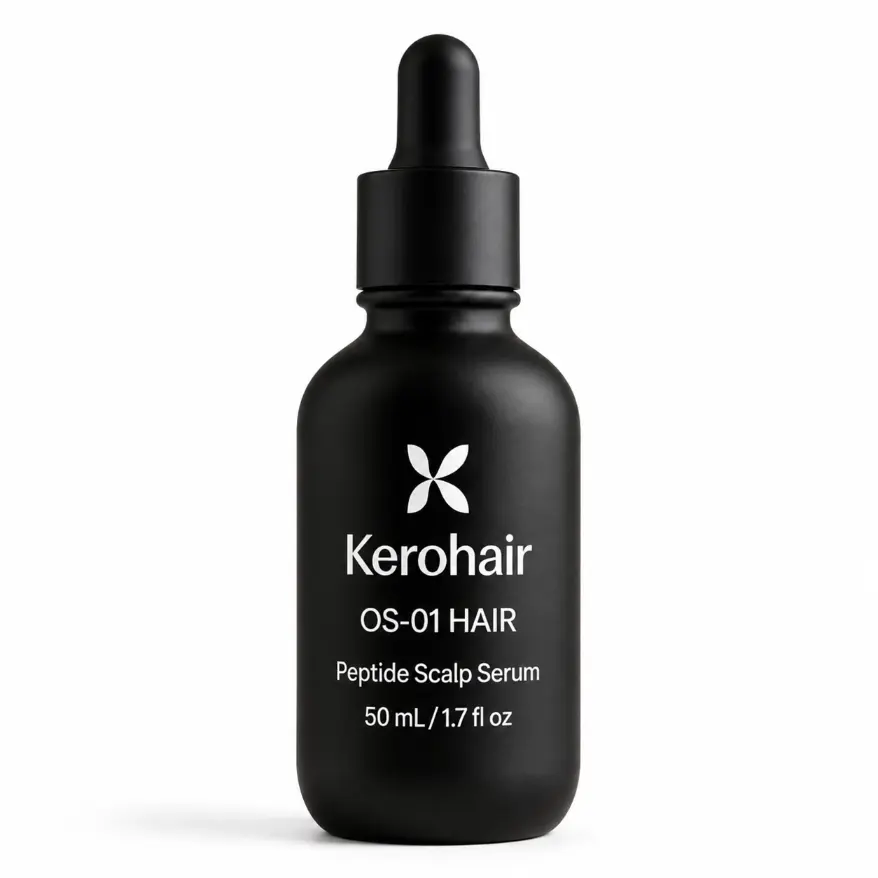
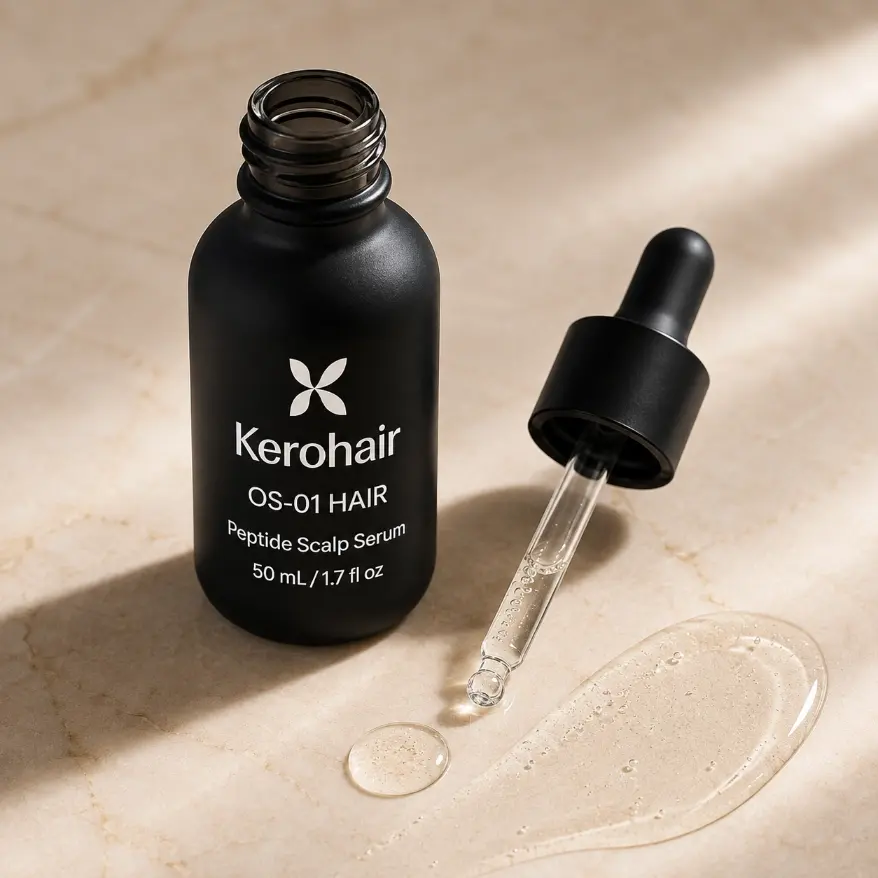
Options may include pointed-nozzle bottles, spray pumps, droppers, comb applicators, tubes and jars. The pack should be chosen around viscosity, dose, use position, leakage, user control and compatibility. For sensitive formulas or applicators that contact the scalp, contamination control and use instructions also require attention.
The project workflow can cover brief review, formula route, samples, sensory and use evaluation, packaging compatibility, stability, specifications, artwork information, bulk manufacture and final inspection. Water-containing scalp products require an appropriate preservation and microbiological quality strategy.
Project-specific checks may include appearance, odor, pH, viscosity, fill, spray or nozzle function and other agreed criteria. Claims such as “clinically tested,” “microbiome-friendly,” “anti-dandruff,” “reduces hair fall” or “for sensitive scalp” need evidence and regulatory review appropriate to the exact wording.
Share the target concern, cosmetic claim direction, leave-on or rinse-off format, texture, applicator, benchmark, destination market and forecast. Keronhair will identify the development and compliance questions that should be resolved before sampling.
Keronhair can review the brief, but anti-dandruff claims may change the product’s regulatory category. The formula, active ingredients, testing, manufacturing and label route must be assessed for the destination market before the claim is used.
Hair-growth and hair-restoration claims can be therapeutic or drug claims. A cosmetic project should instead use substantiated appearance, conditioning or scalp-care language unless the buyer is following the required regulated-product pathway.
The best applicator depends on viscosity, dose and user routine. Pointed nozzles, sprays, droppers and comb applicators can be evaluated with the formula for control, leakage and root residue.
Yes. A range may combine cleansing shampoo, conditioner, scrub, tonic or serum, provided each SKU has a distinct role and the formulas, claims, packaging and routine are coordinated.
The testing plan depends on the formula, applicator, claims and destination market. It may include stability, packaging compatibility, microbiological quality and any claim-specific evaluation required for the approved positioning. Keronhair reviews the scope before bulk production and artwork release.
—— Private label manufacturing process
One coordinated Keronhair team manages formulation, sampling, packaging, quality control, and shipment preparation—giving your brand a clearer path from concept to production.
01
Share your target market, product category, performance direction, reference products, packaging expectations, budget, and planned launch timeline with Keronhair.
02
Our R&D team recommends a proven formula route or plans custom development around your ingredients, texture, fragrance, and positioning requirements.
03
Keronhair prepares samples for your review, then coordinates feedback on fragrance, texture, viscosity, color, application, and product performance.
04
Our team coordinates bottles, jars, tubes, closures, labels, decoration, and cartons while reviewing suitability for the selected formula and filling process.
05
After written approval, Keronhair organizes materials, filling, packing, in-process quality checks, batch records, and retained production references.
06
Keronhair completes finished-product checks, packing verification, required export-document coordination, and shipment preparation for your agreed destination.
Tell us what you want to launch and where you plan to sell it. From hair care and hair color to styling products, we can help you move from product development and sampling to packaging and production.