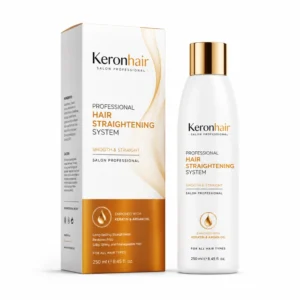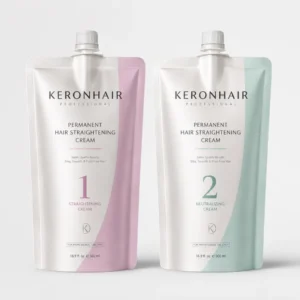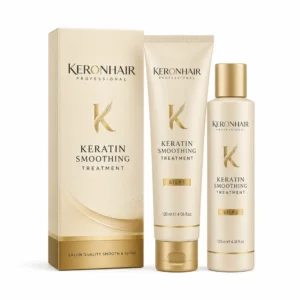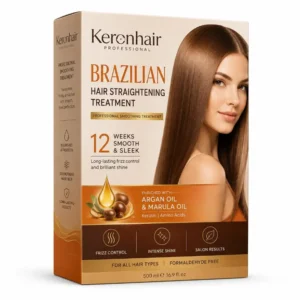
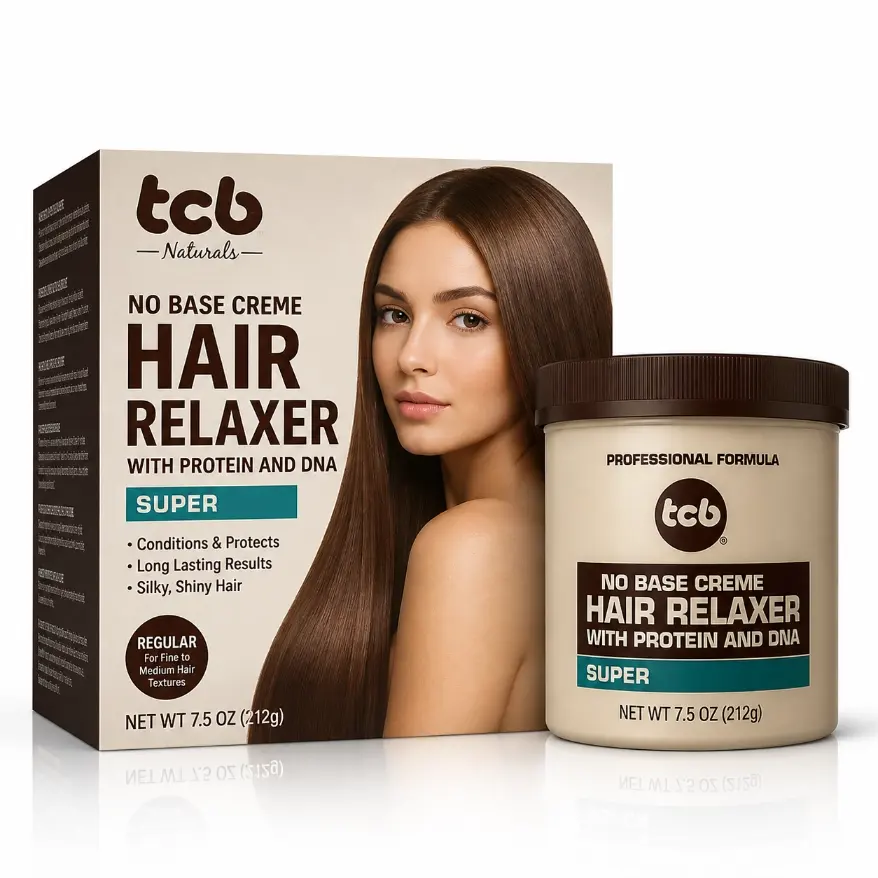
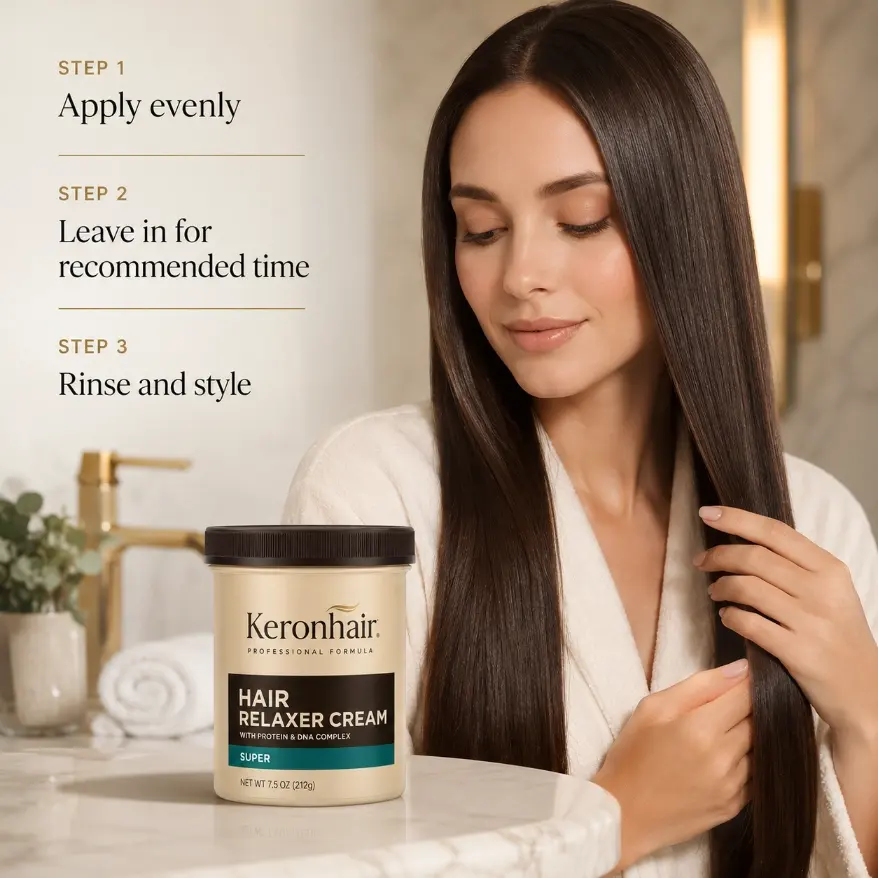
Build a relaxer system around a clearly defined texture profile, service strength and professional control plan. Keronhair connects the cream, compatible neutralizing care, packaging, instructions and production specification for salon brands and distributors.
Proven base, semi-custom or custom development aligned with your brief.
Natural, fashion and gray-coverage shades developed for your target market.
Color cream, developer, retail packaging and project documentation.
Relaxer cream is intended to reduce curl or change the hair’s configuration through a controlled chemical process. It should not be marketed as an ordinary styling cream or universal treatment. Hair history, scalp condition, previous relaxer type, color and bleach history must be considered before service.
Keronhair develops from a written protocol that defines application area, protective preparation, timing, overlap control, rinsing, neutralization and aftercare. The formula and directions are approved together so a strong performance message is not separated from the controls that make professional use more predictable.
“For resistant hair,” “regular strength” or “sensitive scalp” are not interchangeable marketing labels. Each phrase must be connected to the actual formula, user profile, instructions and evidence. A no-lye, lye or other relaxer direction also requires exact chemistry and market review rather than broad equivalence claims.
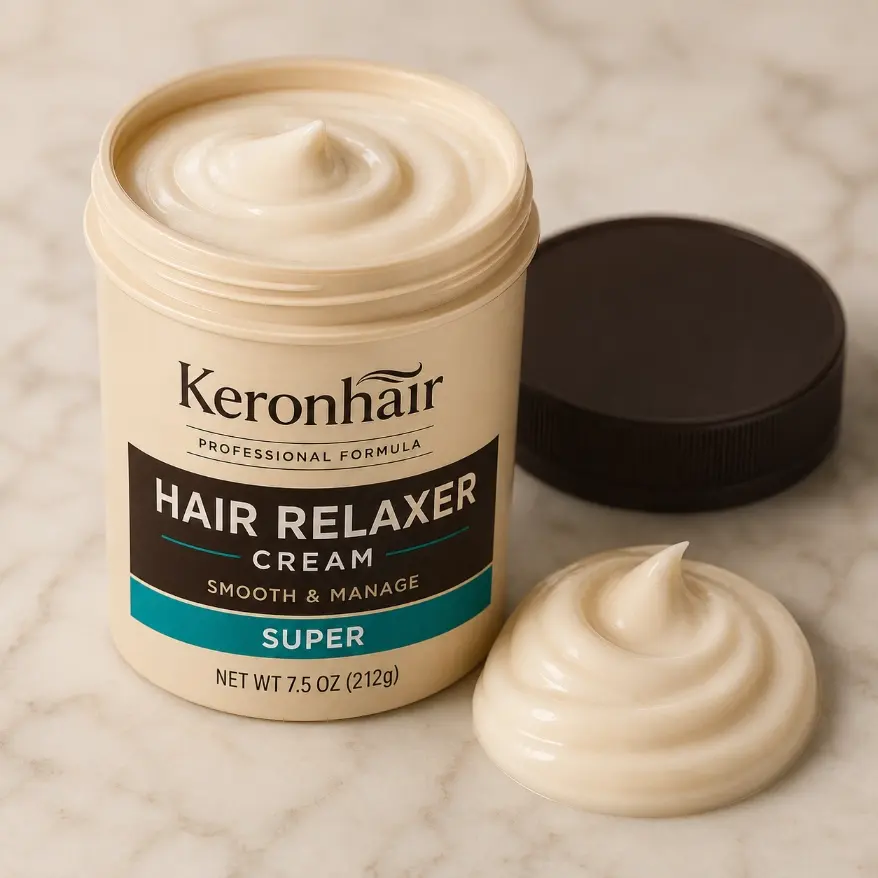
During sampling, the project may assess cream consistency, ease of spreading, section control, rinse behavior, odor, post-service feel and performance on defined hair tresses. The final product should include clear incompatibility and reapplication guidance suitable for its chemistry.
The relaxer step is only one part of the service. Complete rinsing, compatible neutralization and appropriate conditioning are essential system decisions. Packaging and instructions should help the professional identify each step and avoid mixing components from incompatible systems.
For retouch services, the directions should emphasize new-growth application and overlap control where applicable. Claims such as zero breakage, scalp-safe or suitable after bleaching are too absolute unless supported by formula-specific evidence and a qualified use protocol.
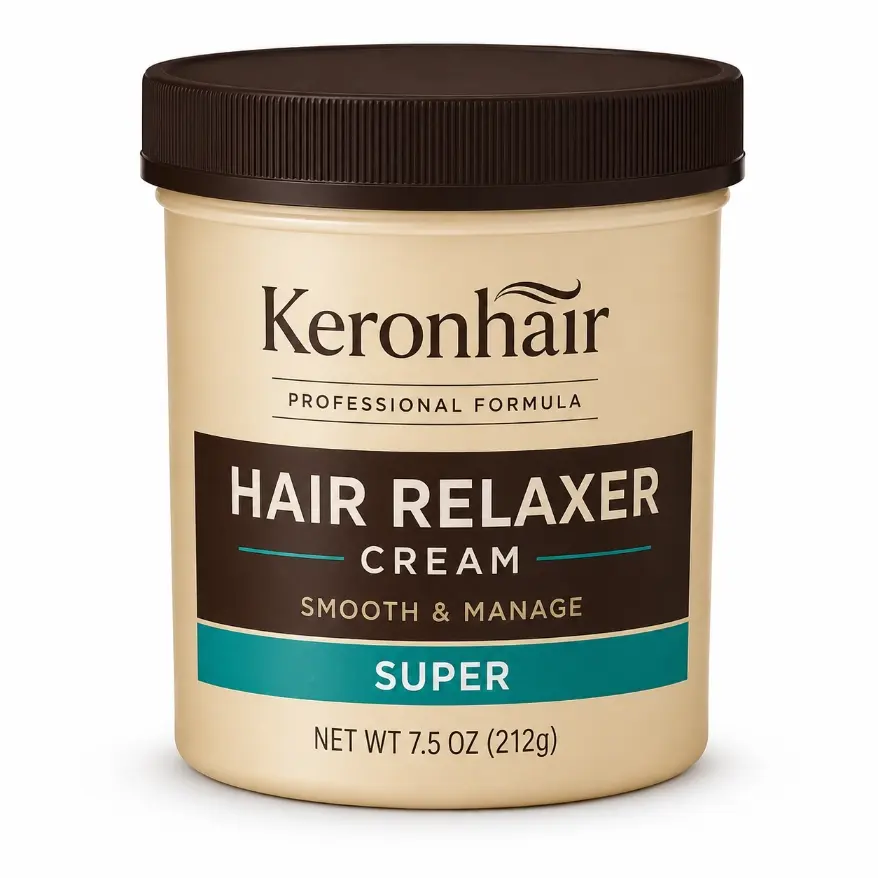
Common formats include wide-mouth professional jars, tubs, tubes and complete kits. Keronhair reviews product viscosity, component resistance, sealing, fill, label space, carton configuration and batch coding. Multi-step packs can be numbered and visually differentiated for salon clarity.
Quality alignment may include approved sample, appearance, odor, pH, viscosity, fill and packaging compatibility, plus system-specific criteria agreed in the specification. MOQ, testing scope and timing depend on formula route, packaging and quantity by SKU.
Share the target texture, strength direction, previous-service compatibility requirements, neutralizing plan, market, packaging and forecast. Keronhair will review feasibility and recommend the development route.
Different strength directions can be evaluated for clearly defined hair profiles and protocols. Each version requires its own sample, specification, instructions and claim review; a strength name alone is not sufficient technical guidance.
Feasibility depends on the requested chemistry, market, packaging and manufacturing scope. Keronhair confirms the available route after reviewing the complete brief and does not treat the two systems as automatically interchangeable.
The required neutralizing or post-service step depends on the chemistry. Where required, the compatible product and use sequence should be developed and communicated as part of the system rather than left to assumption.
No blanket suitability claim should be made. Bleached, previously straightened or severely compromised hair may be unsuitable. Professional hair-history assessment, strand testing, incompatibility guidance and conservative service decisions are essential.
Jars and tubs support salon access, while tubes or single-service packs can support dose and hygiene control. The final choice depends on viscosity, formula compatibility, pack size, local label needs, quantity and cost target.
—— Private label manufacturing process
One coordinated Keronhair team manages formulation, sampling, packaging, quality control, and shipment preparation—giving your brand a clearer path from concept to production.
01
Share your target market, product category, performance direction, reference products, packaging expectations, budget, and planned launch timeline with Keronhair.
02
Our R&D team recommends a proven formula route or plans custom development around your ingredients, texture, fragrance, and positioning requirements.
03
Keronhair prepares samples for your review, then coordinates feedback on fragrance, texture, viscosity, color, application, and product performance.
04
Our team coordinates bottles, jars, tubes, closures, labels, decoration, and cartons while reviewing suitability for the selected formula and filling process.
05
After written approval, Keronhair organizes materials, filling, packing, in-process quality checks, batch records, and retained production references.
06
Keronhair completes finished-product checks, packing verification, required export-document coordination, and shipment preparation for your agreed destination.
Tell us what you want to launch and where you plan to sell it. From hair care and hair color to styling products, we can help you move from product development and sampling to packaging and production.