Are you dreaming of growing your fashion label into a full lifestyle brand with its own signature hair care line? Pairing your clothing with a custom shampoo is one of the smartest ways to stand out in a crowded market, and I’ve watched it work beautifully for creators who once assumed it was out of reach. Still, I won’t pretend the first step feels easy. When you’re new to all of this, hunting for a trustworthy factory on the other side of the world can be genuinely nerve-wracking.
Take a breath, though, because I’ve got you. Below, I’ll walk you through exactly how to work with a shampoo manufacturer in China safely and confidently, from vetting suppliers to locking in a premium formula. My goal is simple: to help you turn a creative idea into real bottles your audience will actually love holding. If you’re building a fashion brand and want hair care to be part of the story, you’re in the right place.
Why Source Your Shampoo from China?
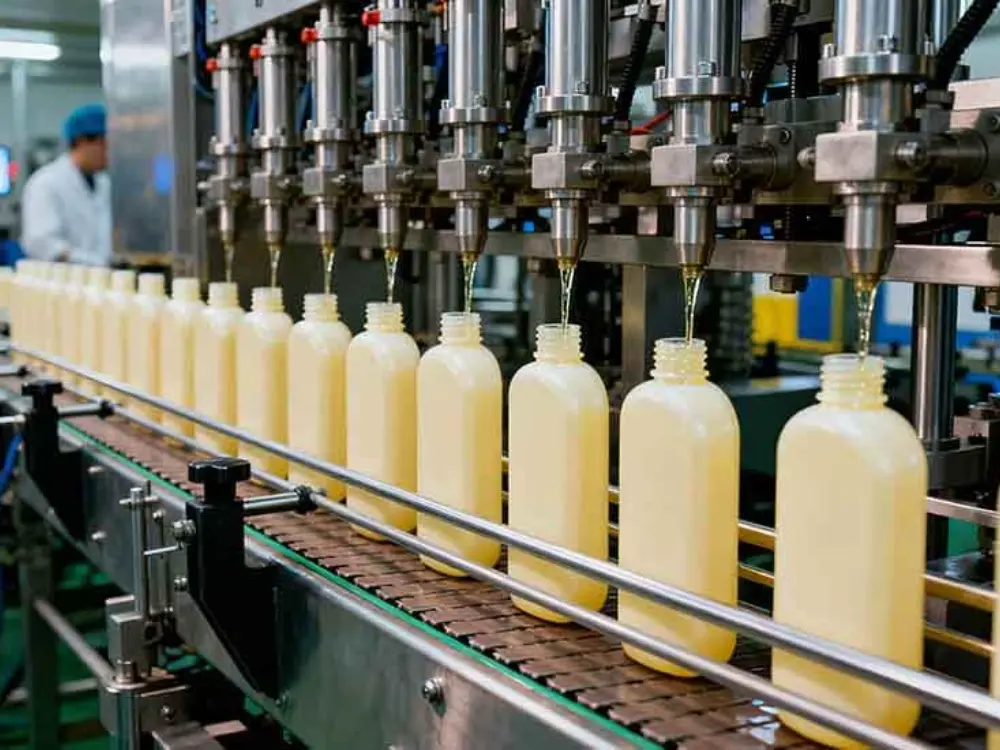
China makes it possible to produce a polished, market-ready shampoo at a lower cost and with far less friction than most newcomers expect. After decades of investment, the country has built complete manufacturing clusters where formula labs, bottle makers, and filling lines all sit in the same region, so you can get everything handled in one place without ever owning a factory yourself.
Compared with suppliers in the US or Europe, a shampoo manufacturer in China typically offers lower per-unit pricing, friendlier minimums for first-timers, and impressively quick turnaround on both samples and bulk runs. Factories in India and Vietnam are catching up, but for packaging variety and supply-chain depth, China still leads the pack.
Cost Advantages and Pricing Structure
Let’s talk money, since that’s usually what brings people to me in the first place. Chinese factories can often produce shampoo at a noticeably lower per-unit cost than plants in North America or Europe, and that gap comes from a handful of places: lower labor and overhead, locally sourced raw materials, and the sheer scale these facilities operate at.
But here’s something I wish someone had told me earlier. The price per bottle is only one piece of the puzzle. Your real cost is built from several layers:
- The formula itself — cheaper with a stock recipe, pricier if you want something custom-developed
- Packaging — often the single biggest variable, since a frosted bottle with a metallic pump can cost more than the shampoo inside it
- Setup and tooling fees — especially if you need custom molds or printed bottles
- Sampling costs — incurred before you ever place a bulk order
So when a supplier quotes you a number, always ask what’s included. Early in my own sourcing journey, I got dazzled by a rock-bottom figure that conveniently left out packaging and freight, and the “bargain” evaporated the moment the real invoice landed. Once you understand these layers, comparing two suppliers becomes far easier, and you’ll negotiate from a much stronger position.
Production Capacity and Scalability for Growing Brands
One of the quiet advantages of sourcing from China is room to grow. Many factories are set up to handle both modest first runs and large reorders, which matters enormously when you’re not yet sure how fast your brand will take off.
Think of it this way: you might launch with a small batch to test demand, then return six months later needing ten times the volume. A well-chosen partner can scale with you without forcing you to switch factories, re-test your formula, or redesign your packaging from scratch. That continuity protects the one thing customers notice most: consistency. A shampoo that smells, pours, and lathers the same way every single time builds trust, and keeping the same reliable factory behind it makes that far easier to deliver as your numbers climb.
Who Typically Needs a Chinese Shampoo Manufacturer?
You might be wondering whether this path is even right for you, so let’s get specific. Sourcing from China tends to suit:
- First-time founders launching a private-label hair care brand on a tight budget
- Salon owners and stylists who want their own branded products to sell to clients
- E-commerce sellers building a line for Amazon, Shopify, or TikTok Shop
- Established beauty brands adding products or trimming their cost of goods as they expand
- Influencers and creators turning an engaged audience into a real product line
Types of Shampoo Manufacturers in China (OEM, ODM, and Private Label)
Before reaching out to a shampoo manufacturer in China, it helps to understand the three main production models: OEM, ODM, and private label. These terms can sound technical, but they simply describe how much control you have over the product, formula, packaging, and development process.
A shampoo factory may offer several development routes under similar marketing language. Our Chinese OEM and ODM sourcing guide provides the broader service-scope questions to ask before selecting the shampoo route.
For a beginner building a fashion or beauty brand, picking the right model upfront saves time, reduces costs, and prevents a lot of confusion once you start talking to suppliers. Here’s a side-by-side breakdown of how they compare across the metrics that matter most:
| Manufacturing Model | Formula & Design Ownership | Level of Customization | Best Suited For | Typical MOQ |
|---|---|---|---|---|
| OEM (Original Equipment) | You own it. You supply the exact recipe, packaging specs, and branding. | Absolute. Every element is built from the ground up to your blueprint. | Established brands with a proprietary formula wanting full exclusivity. | High (typically 5,000+ units) |
| ODM (Original Design) | Factory owns it. You use their pre-tested formulas but can request tweaks. | Moderate. Adjust the fragrance, color, or add a trendy active ingredient. | Growing brands wanting a unique feel without heavy R&D costs. | Medium (typically 3,000+ units) |
| Private Label | Factory owns it. You pick an off-the-shelf product from their catalog. | Low. The formula and bottle stay the same; only your logo and label change. | Beginners launching a proven shampoo fast with minimal risk. | Low (often 1,000–3,000 units) |
Which Model Is Right for a Beginner?
If you’re just starting out, my honest advice is to begin with private label or ODM. There’s no shame in it; plenty of household names launched exactly this way. It lets you learn the ropes, confirm that people genuinely want to buy your product, and build cash flow without sinking thousands into formula development you might later regret.
Then, once you have real customers and a clearer sense of what makes your brand special, you can graduate to OEM and full custom formulation. That’s when investing in a signature product truly pays off. Start lean, prove the concept, and scale your way into uniqueness. It’s a far safer path than betting everything on a custom formula before you’ve sold a single bottle.
Where to Find a Shampoo Manufacturer in China
Alright, you understand the models. Now comes the question everyone asks me next: where do you actually find these factories? It’s a fair one, because China is enormous, and the difference between a great supplier and a frustrating one often comes down to where and how you went looking. The good news is you have a few solid routes, each suited to different budgets, comfort levels, and timelines.
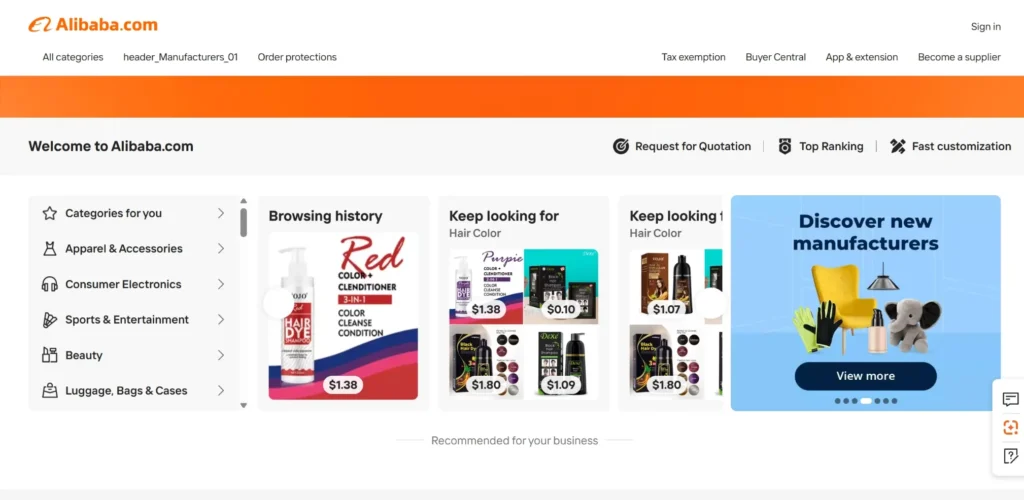
Online B2B Marketplaces (Alibaba, Made-in-China, Global Sources)
For most beginners, this is where the journey starts, and for good reason. Platforms like Alibaba, Made-in-China, and Global Sources are giant directories where thousands of manufacturers list their products, capabilities, and contact details. You can browse from your couch, message a dozen suppliers in an afternoon, and gather quotes without spending a cent.
The convenience is unbeatable, but so is the need for caution. Because anyone can list, quality varies wildly, and not every “manufacturer” is actually a factory; some are trading companies reselling other people’s products. A few habits will protect you:
- Look for verification badges, such as Verified Supplier or Gold Supplier status
- Check how many years they’ve been on the platform and read their reviews
- Favor suppliers with Trade Assurance, which adds a layer of payment protection
- Ask direct questions and notice how quickly and clearly they respond
Treat these platforms as your starting shortlist, not your final answer. The aim is to gather candidates you’ll vet more carefully, which we’ll cover shortly.
Industry Trade Shows and Exhibitions
If you’d rather shake hands and see products in person, trade shows are tough to beat. Events like the Canton Fair in Guangzhou or Cosmoprof Asia in Hong Kong gather hundreds of cosmetics manufacturers under one roof. The first time I walked a fair floor, I learned more in a single afternoon than in weeks of emails: you can feel the bottle, smell the shampoo, and read a supplier’s professionalism face to face.
Meeting a team in person builds trust faster than endless back-and-forth, and you can compare many factories in a day. The obvious downside is cost and effort, since flights, hotels, and time off add up, which makes this route harder for someone simply testing the waters. That said, many shows now run online versions, and even if you can’t attend, scanning the exhibitor lists is a great way to surface established, serious manufacturers worth contacting later.
Using a Sourcing Agent or Sourcing Company
The third option is to hand the legwork to a professional. A sourcing agent is a person or company based in China who finds suppliers, vets them, negotiates pricing, checks quality, and helps manage production, essentially acting as your eyes and ears on the ground.
For a beginner who feels overwhelmed, this can be a real relief. A good agent already knows reputable factories, speaks the language, understands local business customs, and can spot red flags you’d easily miss. They usually charge either a flat fee or a percentage of your order, so weigh that against the time, stress, and mistakes they save you. The key word, though, is good. A trustworthy agent is worth their weight in gold, while a careless one adds little. If you go this route, vet your agent as rigorously as you’d vet a factory, ask for references, and insist their fees are transparent from day one.
How to Vet and Verify a Reliable Manufacturer
Finding a promising supplier online or at a trade show is exciting, but you can’t stop there. In cosmetics, an unverified partner is a serious liability. If a factory uses substandard raw materials or skips cleanroom protocols, you could end up with a contaminated batch that separates on the shelf or irritates someone’s scalp.
To protect your investment and build a premium brand, put every candidate through a rigorous verification process. Done right, vetting confirms a factory has the official infrastructure to legally clear customs and consistently deliver elite quality. This is the stage where partnering with an experienced shampoo manufacturer really separates the professionals from the pretenders.
Essential Certifications to Request (GMP, ISO, MSDS)
Before discussing pricing, ask the factory for its official certification paperwork. A legitimate export-focused facility should immediately produce a compliance portfolio containing:
- GMPC & ISO 22716 (Cosmetics Good Manufacturing Practices): The gold-standard frameworks for cosmetics production quality. They prove the factory follows strict sanitation, employee hygiene, contamination control, and raw-material tracking protocols. You can review the official standard on the ISO website.
- SDS / MSDS (Safety Data Sheets): This document breaks down the chemical profile, safe handling, and environmental hazards of your liquid formula. Shipping lines and customs offices require an updated SDS to transport liquids internationally.
- COA (Certificate of Analysis): Provided for every production batch, confirming the physical and chemical properties (like pH and viscosity) match your approved baseline sample.
A critical warning for US importers: if you’re bringing cosmetics into the United States, your factory must comply with the Modernization of Cosmetics Regulation Act (MoCRA). The facility needs a registered FDA Establishment Identifier (FEI) number. If your supplier can’t show proof of active FDA registration, border agents have the authority to block or seize your entire shipment at the port of entry.
Requesting and Evaluating Product Samples
Never place a full order based on a factory’s promises alone. You need to touch, smell, and test the liquid yourself. Sampling is where you judge the real-world execution of a manufacturer’s hair care R&D.
When you order samples, request at least three variations of the base formula, adjusting things like lather level, scent concentration, or conditioning weight. Once they arrive, don’t just wash your hair once and call it done. Put them through a proper evaluation:
- Viscosity and texture: Does it pour smoothly, or is it too watery? Does it hold its thickness across different bathroom temperatures?
- Lather quality: Does it build a rich, luxurious foam quickly, or does the lather collapse instantly? Fashion-forward audiences expect a high-end sensory experience.
- Fragrance stability: Scent behaves differently inside an emulsion. Check whether it stays clean and pleasant after a few weeks in the bottle, or turns sour.
- Packaging compatibility: Fill a few of your intended bottles with the sample and leave them upside down for a week. A client of mine skipped this once and discovered leakage only after the first thousand units shipped, so trust me, that quiet week of testing is worth it.
Conducting a Factory Audit or Inspection
The final layer of verification is checking the factory itself, confirming it’s a real, functioning operation rather than a middleman or, worse, a scam. You have a few options depending on budget.
The gold standard is an in-person visit, but that’s unrealistic for most beginners, and that’s perfectly fine. A practical alternative is hiring a third-party inspection company; firms like SGS, Bureau Veritas, or TÜV will visit on your behalf and send a detailed report on the factory’s size, equipment, working conditions, and quality systems. It’s a modest cost for serious peace of mind. At the very least, request a live video tour over a call. A confident, legitimate shampoo manufacturer in China will happily walk you across their floor, and watching the operation in real time tells you far more than any glossy brochure.
Understanding MOQs, Pricing, and Production Timelines
Now let’s talk numbers, because this is where a fun idea becomes a real business decision. Once you’ve found a promising supplier, the conversation quickly turns to quantities, costs, and timing. These three factors are tightly linked, and understanding how they interact helps you budget realistically and dodge nasty surprises. I’ll be upfront: figures vary from factory to factory, so treat what follows as a general guide rather than gospel.
Typical Minimum Order Quantities for Shampoo
MOQ, or Minimum Order Quantity, is the smallest amount a factory will produce in a single run, and it’s often the first reality check for new brands. For shampoo, the MOQ on a private-label or ODM product usually starts somewhere around 500 to 1,000 units per variation, though this swings widely by manufacturer and product type.
Why insist on minimums? Setting up a line, sourcing ingredients, and configuring the filling equipment all take time and effort, so factories need a run large enough to make the job worthwhile. Custom formulations naturally carry higher MOQs than off-the-shelf options. The good news is that many suppliers will negotiate, especially on a first order. It never hurts to ask whether they offer a smaller trial run while you test the market.
What Influences Your Per-Unit Cost
The price you pay per bottle isn’t pulled from thin air; it’s the sum of several moving parts. The main drivers include:
- Order volume — the more you order, the lower your per-unit price, thanks to economies of scale
- Formula complexity — premium or specialized ingredients (organic, sulfate-free, active compounds) cost more than standard ones
- Packaging choices — the bottle, pump, cap, and label can rival the cost of the shampoo itself
- Customization level — a unique custom formula costs more per unit than a ready-made one
- Add-ons — custom boxes, special finishes, and printed inserts each nudge the price upward
The lesson is that small choices compound. A heavier bottle or a metallic label seems minor on its own, but multiplied across a thousand units, it meaningfully shifts your margins. Decide early which details genuinely matter to your brand and which are nice-to-haves you can add later.
Estimating Lead Times from Sample to Shipment
Patience is part of the process, so let’s map a realistic timeline. Things almost always take longer than first-timers expect, and building in buffer time saves a world of stress. Here’s a rough breakdown:
- Sampling: around 1 to 3 weeks to develop and ship your samples
- Production: roughly 3 to 6 weeks once your order is confirmed and the deposit is paid
- Shipping: anywhere from a few days by air to 4 to 6 weeks by sea, depending on method and destination
Add it up and a full cycle from first sample to delivered product often spans two to three months, sometimes more during busy seasons like the run-up to Chinese New Year, when factories slow or close entirely. My advice: plan your launch with generous margins and never commit to a hard deadline until your stock is safely in hand. In this business, the people who plan ahead are the ones who sleep well at night.
Step-by-Step Process for Working With a Shampoo Manufacturer in China
We’ve covered a lot, so let’s tie it together into a clear, practical roadmap. If everything until now felt like scattered puzzle pieces, this is where they click into place. I’ve broken the journey into five manageable steps; follow them in order, resist rushing the early stages, and you’ll move from “I want to start a shampoo brand” to “my product is on its way” with far more confidence and far fewer missteps.
Step 1: Define Your Shampoo Product Requirements
Before you contact anyone, get crystal clear on what you want to make. The more specific you are here, the smoother every later step becomes; vague requests lead to vague quotes and mismatched samples. Write down the essentials:
- Product type — anti-dandruff, moisturizing, sulfate-free, color-safe?
- Key ingredients — anything you definitely want included or avoided
- Target audience — who is this for, and what matters to them?
- Packaging vision — bottle style, size, and overall look
- Budget and quantity — a rough price range and order size
You don’t need every detail nailed perfectly, but this foundation lets you approach suppliers like a serious buyer rather than someone still figuring it out. It also makes comparing quotes far easier, since you’re asking everyone the same questions.
Step 2: Shortlist and Contact Potential Manufacturers
With your requirements in hand, build a shortlist. Using the sources above—B2B platforms, trade-show exhibitor lists, or a sourcing agent—gather around five to ten manufacturers that look like a good fit. You can also compare leading private label shampoo manufacturers to understand how different suppliers vary in formula development, MOQ, packaging support, certifications, and ideal buyer profile. Don’t pin all your hopes on one; a slightly wider net protects you and gives you leverage to compare.
Then reach out with a clear, professional message. Briefly introduce your brand, share your key requirements, and ask about MOQs, pricing, certifications, and the sample process. How they respond tells you a lot: prompt, detailed, easy-to-understand replies are a great sign, while slow or confusing answers hint at how the relationship might go. Use this first contact to quietly narrow your list to two or three standouts.
Step 3: Request Samples and Compare Performance
Now put their products to the test. Request samples from your top suppliers and evaluate them properly, remembering everything we covered about scent, texture, lather, rinse, and packaging quality. This is your chance to experience exactly what your customers eventually will.
Comparing samples side by side is wonderfully revealing. One factory’s “moisturizing shampoo” might feel luxurious while another’s falls flat at a similar price. Take notes, get honest opinions from a few friends, and don’t let a low quote tempt you into accepting a product you’re not genuinely proud of. The sample stage is where you confirm you’ve found a partner whose quality you can stand behind.
Step 4: Confirm Formula, Packaging, Price, and Contract Terms
Once you’ve chosen your manufacturer, lock down every detail in writing. This step is all about clarity and protection; handshake deals have no place here. Finalize the exact formula, the precise packaging specs, the per-unit price, the MOQ, payment terms, and the production timeline.
Then get it all into a proper contract spelling out product specifications, quality standards, delivery dates, the payment schedule, and what happens if something goes wrong. It’s also wise to address intellectual property, especially if you’ve developed a custom formula or unique branding. Documenting everything now prevents misunderstandings later, when fixing them is far harder and more expensive. If anything feels unclear, keep asking until it isn’t.
Step 5: Monitor Production, Inspection, and Shipping
The home stretch is staying engaged while your order comes to life. After you’ve paid the deposit and production begins, keep in touch and ask for occasional updates; a quick photo or progress note keeps things transparent and lets you catch issues early.
Before the goods ship, arrange a quality inspection, particularly on a first order. Whether you use a third-party service or request detailed photos and video, this final check confirms the product matches what you approved. Then you’ll coordinate shipping—faster air freight or more economical sea freight—and handle customs in your destination country. After that comes the best part: your shampoo arrives, and you’re officially in business. A dependable shampoo manufacturer makes this final stage feel like a celebration rather than a gamble.
Conclusion
Finding the right shampoo manufacturer in China is far more approachable once you know the steps. Define your product, vet suppliers carefully, test samples with a critical eye, and confirm everything in writing. Take your time, ask plenty of questions, and stay involved through production. With a little patience and preparation, launching your own shampoo line—and giving your fashion brand a complete lifestyle feel—is genuinely within reach.