Most semi-permanent hair dye is designed to remain visible for several shampoos, and 4–12 washes is a useful planning range for many products. That can mean less than two weeks for someone who shampoos daily or several weeks for someone who washes once or twice a week. The label on your specific product should be your starting point because formulas marketed as “semi-permanent” do not all use the same dyes, pigment concentration, or instructions.
Hair condition, starting color, shade, application, washing frequency, shampoo choice, heat, sun exposure, and water contact can all change the result. A vivid shade may also leave a residual tint on light, bleached, or porous hair even after the main color has faded.
- Typical planning range: about 4–12 shampoos, unless the product label gives a different estimate.
- First visible change: often a loss of brightness or a shift in tone rather than complete color removal.
- Most important variable: how often the hair is washed.
- Important limitation: semi-permanent does not guarantee that every trace will wash out by a specific date.
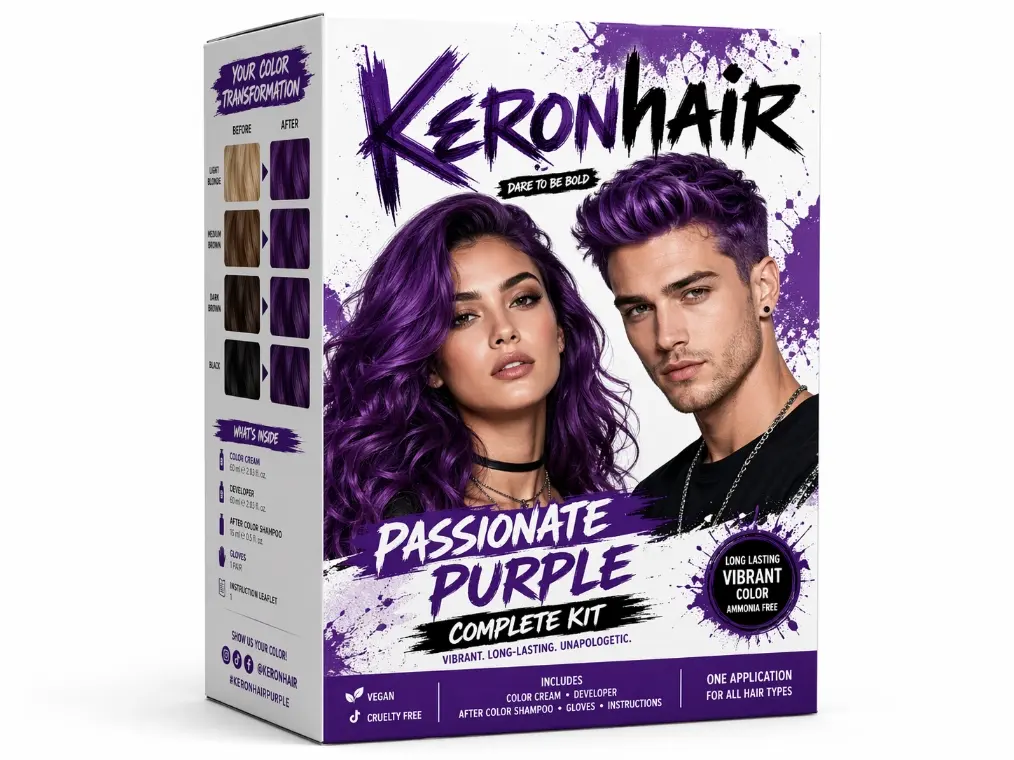
What Is Semi-Permanent Hair Dye?
Semi-permanent hair color is generally a non-oxidative, direct-dye product that deposits color without being mixed with a peroxide developer. It usually cannot lighten your natural hair because it does not remove existing melanin. Instead, it adds or refreshes visible tone.
The common description that semi-permanent dye only “coats the surface” is too simple. As explained in a peer-reviewed review of hair-dye chemistry, semi-permanent direct dyes behave differently from oxidative permanent dyes. Direct dyes can attach to the cuticle and, depending on the dye, formula, and condition of the hair, may also move into the outer parts of the fiber. That helps explain why some colors disappear quickly while others stain porous hair.
How It Compares With Temporary, Demi-Permanent, and Permanent Color
Hair-color terminology is not always used consistently across brands or countries. Check whether the product requires a developer instead of relying only on the category name. The guide to the different types of hair color provides a broader comparison.
| Color Type | Typical Formula | What It Can Do | How It Fades |
|---|---|---|---|
| Temporary | Surface color in a spray, gel, powder, or rinse | Adds short-term color without lightening | Often removed in one shampoo, although staining can occur |
| Semi-permanent | Usually direct dye with no peroxide developer | Deposits or refreshes tone; does not lighten natural pigment | Gradually loses intensity over several shampoos |
| Demi-permanent | Usually oxidative color with a low-strength developer | Deposits tone, glosses, or blends some gray without meaningful lift | Usually lasts longer than direct semi-permanent color and fades gradually |
| Permanent | Oxidative dye plus developer and an alkaline agent | Can deposit color and may lighten natural pigment | The structural color change grows out, although the visible shade can fade |
No Developer Does Not Mean No Precautions
Many semi-permanent formulas avoid peroxide developer and ammonia, which can reduce the amount of oxidative processing compared with permanent color. However, “ammonia-free” or “developer-free” does not mean allergy-free, irritation-free, or suitable for every scalp. Direct dyes, fragrances, preservatives, and other ingredients can still cause a reaction.
Which Hair Types Show the Color Most Clearly?
- Light or pre-lightened hair: vivid and pastel shades are usually more visible, but staining is also easier to see.
- Dark hair: a semi-permanent shade may add a subtle reflection or gloss but cannot lift the base to a lighter color.
- Previously colored or porous hair: pigment uptake can be stronger or less even, so a strand test is especially useful.
- Gray or white hair: results can vary from resistant to highly absorbent depending on the individual fiber and product; do not assume complete gray coverage.
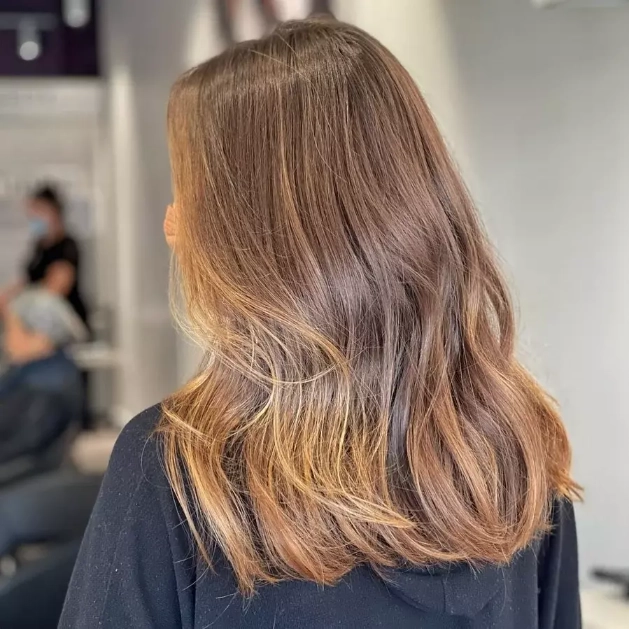
How Long Does Semi-Permanent Hair Dye Last? Real Expectations
You shampoo four days after a fresh application, glance in the mirror, and the color already looks softer. You’re not imagining it, and the product isn’t failing you. Semi-permanent color fades faster than most people expect — but it also lasts far longer than most people realize, with the right approach.
Use 4–12 Washes as a Planning Range, Not a Guarantee
For a product labeled to last 4–12 shampoos, the count refers to wash sessions rather than calendar days. The color may begin looking softer before the lower end of that range and may remain faintly visible after the upper end. Some highly pigmented masks and direct dyes carry different label claims, so follow the instructions and expectations for the exact product.
“Lasts 12 washes” usually does not mean that wash 11 looks identical to day one and wash 12 removes everything. Fading is progressive. Saturation, shine, and tonal balance can change at different rates.
Why Results Vary From Person to Person
- How often the hair is shampooed
- The product’s dye system and pigment concentration
- The starting hair color and whether it was pre-lightened
- Hair porosity, damage, and previous chemical treatments
- How evenly the product was applied and whether the instructions were followed
- Exposure to hot water, swimming, strong cleansing, heat styling, and sunlight
Early Signs of Fading
The first change is often tonal. A cool shade may look warmer, a vivid color may become pastel, or the ends may appear different from the roots. You may also notice more colored runoff during shampooing or greater contrast between porous and less porous areas.
Uneven fading does not automatically mean the product failed. Older ends, bleached sections, and areas with different product buildup may take up and release color differently.
How to Estimate Your Fade Timeline in Weeks
This new section turns a wash-count claim into a practical calendar estimate. Divide the product’s expected number of shampoos by the number of times you normally shampoo each week.
Estimated weeks = expected washes ÷ shampoos per week
| Your Shampoo Frequency | 4-Wash Estimate | 12-Wash Estimate |
|---|---|---|
| 7 times per week | About 4 days | About 12 days |
| 3 times per week | About 1.3 weeks | About 4 weeks |
| 2 times per week | About 2 weeks | About 6 weeks |
| 1 time per week | About 4 weeks | About 12 weeks |
This is only a scheduling tool. Swimming, repeated rinsing, exercise, UV exposure, a clarifying shampoo, or very porous hair can make the visible result differ from the calculation. If you need the color gone before a wedding, work event, school policy change, or another dye service, do not plan around the maximum estimate without first doing a strand test.
Key Factors That Affect Color Longevity
Even the highest-quality professional pigment performs differently depending on the canvas it’s applied to. Here’s what’s really dictating your fading timeline.
Hair Porosity and Chemical History
Porosity is important, but the relationship is not as simple as “porous hair always holds color longer” or “porous hair always fades faster.” Bleached or damaged areas may accept more direct dye, creating intense color or staining, yet a rough and uneven fiber can also lose color irregularly during washing. Low-porosity hair may take up less pigment in the first place.
A strand test on the lightest, most processed section gives a more useful prediction than a general hair-type label.
Your Starting Color
The base changes both the initial result and how obvious fading appears. A pink shade on very light blonde hair may pass through several visible pastel stages. The same product on dark brown hair may create only a subtle reflection, so its fade can seem faster even if some dye remains.
Shade and Formula
There is no universal rule that every red, blue, pastel, or natural shade fades at the same rate. Retention depends on the specific dyes, concentration, formula, hair, and washing conditions. Highly saturated blue, green, purple, red, or black direct dyes can leave noticeable residue on light or porous hair, while a low-pigment pastel may lose visible intensity quickly.
Application and Saturation
Missed sections, insufficient product, uneven saturation, or changing the instructed processing time can produce patchiness that looks like rapid fading. Apply the amount, method, and timing specified by the manufacturer. Do not add heat or leave the product on longer unless the instructions explicitly permit it.
Water, Swimming, and Sun Exposure
Frequent wetting and shampooing increase opportunities for dye to leave the fiber. Chlorinated pools, salt water, and extended sun exposure may also change the visible tone or condition of colored hair. A swim cap, thorough freshwater rinse after swimming, and a hat during strong sun are practical protective steps.
How Washing Habits Impact Your Color
What you do in the shower over the following weeks will determine whether that color lasts four washes or fourteen. These habits are entirely within your control.
Water Temperature
Very hot water can be drying and may contribute to faster color loss. Use comfortably lukewarm water instead. A cool final rinse is optional if it feels pleasant, but it should not be presented as a method that permanently “seals” the cuticle or guarantees longer-lasting color.
Washing Frequency
Because semi-permanent color is designed to fade through washing, shampoo frequency has a direct practical effect on the calendar timeline. If your scalp and routine allow it, leaving more time between shampoos can extend the number of days the color remains visible. Do not ignore scalp hygiene or discomfort merely to preserve color.
Shampoo Choice
A strongly clarifying or cleansing shampoo can remove color faster and may be useful only when buildup or intentional fading is the goal. For routine care, choose a shampoo labeled for color-treated hair that also suits your scalp and hair type.
Avoid reducing the advice to “all sulfates strip color.” Cleansing performance depends on the complete formula, concentration, and how the product is used—not the presence of one ingredient name alone.
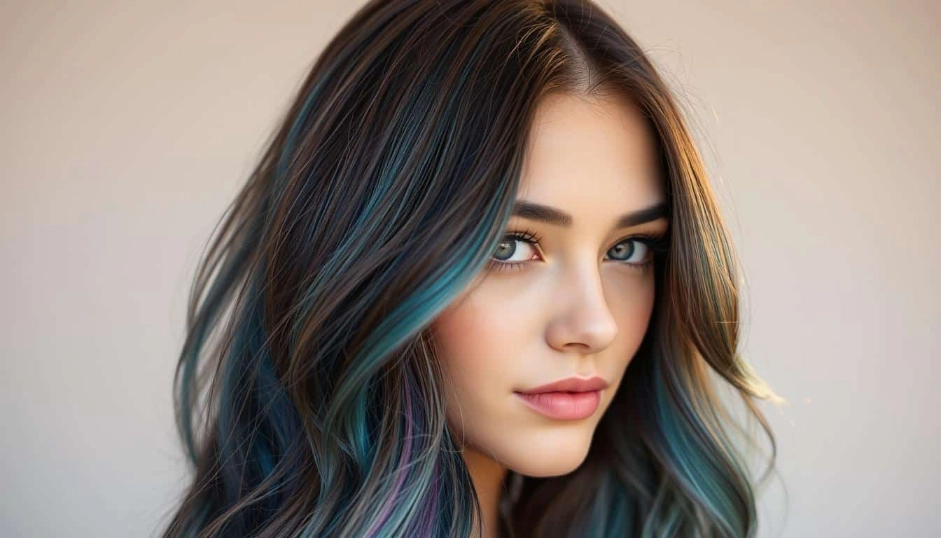
How to Make Semi-Permanent Hair Dye Last Longer
The clients who get the most out of their color aren’t necessarily using the most expensive products. They’re simply doing a handful of specific things consistently.
Prepare According to the Product Instructions
Some direct dyes are applied to clean, dry hair, while color masks may be designed for clean, damp hair. Some instructions allow shampooing immediately before use; others do not. The product directions should take priority over a universal pre-color routine.
Remove heavy styling buildup if the label advises it, but do not automatically use a harsh clarifying shampoo, skip conditioner for a set number of days, or scratch the scalp before coloring.
Rinse and Wash Gently
- Rinse for the time and at the temperature stated on the label.
- Use a gentle washing motion instead of aggressively scrubbing the lengths.
- Choose a color-care shampoo and conditioner appropriate for your hair.
- Limit unnecessary shampooing, but keep the scalp clean and comfortable.
- Use a dark towel and pillowcase while the color is still transferring.
Reduce Unnecessary Heat and UV Exposure
Use the lowest heat setting that achieves your styling result and apply a suitable heat protectant. The American Academy of Dermatology’s guidance for colored hair also recommends protecting dyed hair from the sun because sun exposure can contribute to fading, dryness, and brittleness.
Use Color-Depositing Products Carefully
A compatible color-depositing conditioner or mask can refresh tone between full applications. Start with the labeled frequency and perform a strand test because pigment can accumulate unevenly on dry or porous ends.
Do not automatically mix leftover dye into an unrelated conditioner or mask. Combining products can change preservation, texture, application, and exposure in ways the manufacturers did not test. Use a purpose-made product or follow an explicitly approved mixing method.
Do the Required Skin Test and a Separate Strand Test
The FDA’s hair-dye safety guidance advises following the label, wearing gloves, not exceeding the instructed processing time, and performing the directed skin test before every use. A previously tolerated dye can still cause a later reaction, and a negative test cannot guarantee that no reaction will occur.
A skin or allergy alert test checks for a possible reaction under the product’s directions. A strand test checks color, processing, staining, and likely fade behavior on your hair. They serve different purposes.
Does Semi-Permanent Hair Dye Fade Completely?
It is designed to fade, but no responsible guide can promise that every semi-permanent shade will return every head of hair to its exact starting color by a fixed number of washes. Natural, unprocessed hair may release the color more cleanly. Lightened, damaged, very porous, or previously colored hair has a greater chance of retaining a residual tint.
Which Colors Are More Likely to Leave a Trace?
Deep and highly saturated fashion shades—including some blues, greens, purples, reds, and blacks—can leave visible undertones on a light base. The result depends on the actual dyes and the hair, so a strand test is more reliable than a universal ranking of “hardest colors to remove.”
What “Ghosting” and Staining Mean
Ghosting is a faint residual tone that remains after the main shade appears to have faded. Staining is a stronger or more persistent deposit. Either can affect the next color applied, especially when moving from a cool vivid shade to blonde, pastel, or a contrasting color.
Avoid repeatedly bleaching, using strong household cleansers, or layering unverified DIY removal methods. If a stubborn tone must be removed without compromising already fragile hair, consult an experienced colorist. If the stain is on the hairline or hands rather than the hair, use the gentler steps in the guide to removing hair dye from skin.
A Note on Product Freshness
Product condition can affect application and performance, but there is no universal opened or unopened shelf life for every semi-permanent dye. Check the package for an expiration date, period-after-opening symbol, lot code, and storage instructions. Do not estimate safety from an assumed manufacturing date or a general internet timeline.
Do not use a product if the package is damaged, the seal was compromised before purchase, contamination is possible, or the odor, color, or texture has changed unexpectedly. Store it as directed and keep the container tightly closed. The guide to hair dye shelf life and storage explains the warning signs in more detail.
When to Refresh, Remove, or Change Your Color
This new decision guide helps you choose the next step without assuming that frequent reapplication is harmless for everyone.
Refresh the Color When
- The fade is even but the shade has lost the intensity you want.
- Your scalp is comfortable and your hair is not becoming increasingly dry or brittle.
- The product label permits the planned reapplication frequency.
- A fresh strand test shows that another layer will not make porous ends too dark.
Let It Fade Naturally When
- You plan to move to a lighter, pastel, or contrasting shade.
- The existing tone is still depositing heavily onto towels or during washing.
- Your hair feels fragile and would benefit from a break from handling and processing.
- You are uncertain how the existing pigment will interact with the next color.
Ask a Professional Before Removing or Changing It When
- A vivid shade has stained bleached or highly porous hair.
- The color is uneven across roots, mid-lengths, and ends.
- You intend to bleach over direct dye.
- Your hair stretches, snaps, or feels unusually rough when wet.
- You experienced burning, swelling, blistering, a widespread rash, or breathing symptoms. Seek appropriate medical help for a suspected allergic reaction.
If you are applying color at home again, review the complete at-home hair-coloring steps and follow the instructions for the new product rather than repeating a routine from a different formula.
Conclusion
Semi-permanent hair dye commonly lasts about 4–12 shampoos, but the most accurate answer comes from the specific label, your wash schedule, and a strand test. Count shampoos instead of days, expect gradual tonal change, and leave extra time if you need a vivid shade to fade before another color service.
To extend the result, wash only as often as your scalp needs, use lukewarm water and suitable color-care products, limit unnecessary heat and UV exposure, and follow the manufacturer’s directions. If the goal is complete removal, remember that lightened and porous hair may retain a tint longer than expected.
Frequently Asked Questions
Will semi-permanent hair dye wash out completely?
It is intended to fade through shampooing, but complete removal is not guaranteed. Some direct dyes can leave a residual tint on light, bleached, damaged, or porous hair.
Can semi-permanent hair dye last for months?
It can remain visible for months when the hair is washed infrequently, the product is highly pigmented, or the hair retains a stain. That does not mean the shade will stay as bright or even as it was immediately after application.
How often should I wash semi-permanent hair color?
Wash as often as your scalp and routine require. Fewer shampoos generally extend the calendar life of the color, but scalp comfort and hygiene should come first.
Is semi-permanent hair color damaging?
Many direct semi-permanent dyes avoid the peroxide developer used for oxidative lightening, so they may cause less structural processing than permanent color. They can still irritate the scalp, trigger an allergy, dry the hair, or contribute to buildup depending on the formula and frequency of use.
How long should I leave semi-permanent hair dye on?
Use the exact processing time on the product label. Do not assume that 20–45 minutes applies to every formula, and do not add heat or extend the time unless the manufacturer specifically directs it.
How soon can I reapply semi-permanent color?
Follow the product’s reapplication instructions and consider your scalp and hair condition. There is no universal rule that weekly use is appropriate for every formula or person. Stop and reassess if you notice irritation, increasing dryness, breakage, or uneven pigment buildup.
What is the difference between semi-permanent and demi-permanent dye?
Semi-permanent color usually uses direct dyes without a peroxide developer. Demi-permanent color usually uses oxidative dyes with a low-strength developer, so it generally lasts longer and behaves differently on the hair. Product terminology varies, so confirm the mixing instructions.
Why is my semi-permanent color fading unevenly?
Uneven porosity, previous bleaching, product buildup, missed sections, different starting colors, and inconsistent saturation can all contribute. Test the most porous section before refreshing the whole head.
How do I keep semi-permanent dye from staining towels and pillowcases?
Rinse according to the label, dry the hair fully before bed, and use dark or old towels and pillowcases during the first several washes. Highly pigmented shades may still transfer, especially when the hair is damp.