Semi-permanent dye is designed to fade gradually, but it does not always disappear completely—especially from lightened, damaged, or highly porous hair.
Fresh semi-permanent color rarely stays frozen at its day-one intensity. It may lose brightness, shift in tone, or become less even before the overall shade disappears. That can make a label such as “lasts up to 12 washes” difficult to translate into a real calendar timeline.
This guide explains how to estimate the number of weeks your color may remain visible, why results vary across different hair types, and what you can do to slow unnecessary fading without neglecting scalp comfort or product safety.
What Is Semi-Permanent Hair Dye?
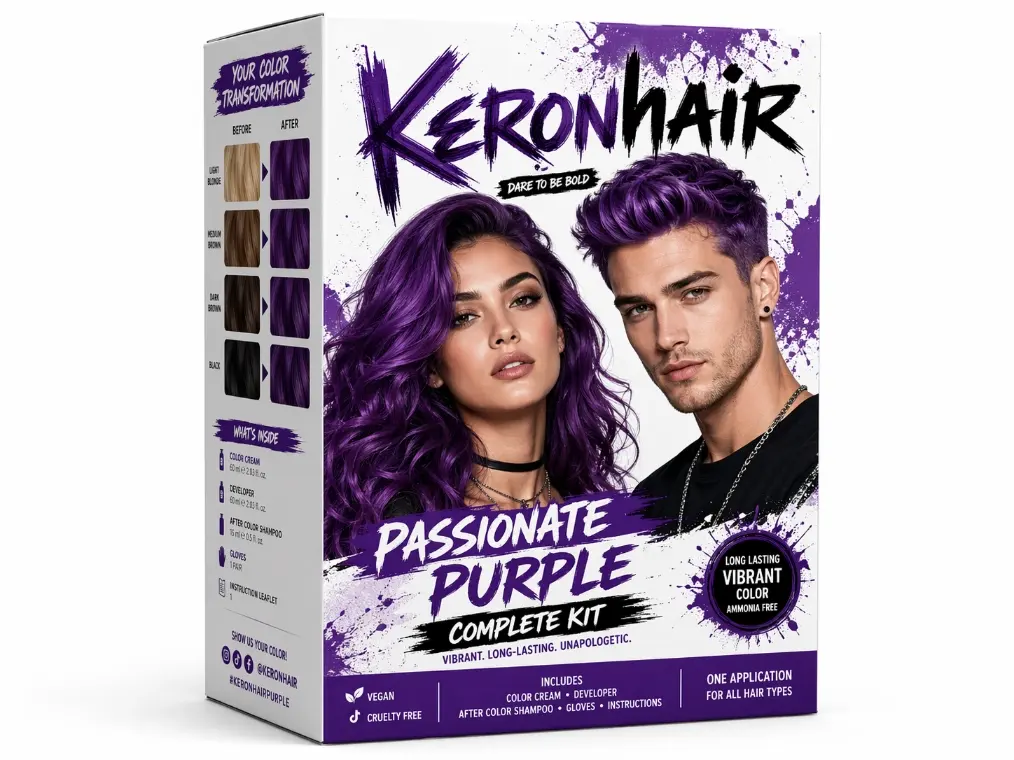
Semi-permanent hair color is generally a non-oxidative, direct-dye product that deposits pigment without being mixed with a peroxide developer. It usually cannot lighten natural hair because it does not remove existing melanin. Instead, it adds or refreshes visible tone.
The common description that semi-permanent dye only “coats the surface” is an oversimplification. A peer-reviewed review of hair-dye chemistry explains that direct dyes behave differently from oxidative permanent dyes. Depending on the dye, formula, and condition of the hair, pigment can attach to the cuticle and move into the outer areas of the fiber. This helps explain why one shade may fade quickly while another leaves a stain on porous hair.
Semi-Permanent vs. Temporary, Demi-Permanent, and Permanent Color
Hair-color terminology is not always used consistently across brands or countries. Check whether the product requires a developer rather than relying only on its category name. Our guide to the different types of hair color provides a more detailed explanation.
| Color type | Typical formula | What it can do | How it fades |
|---|---|---|---|
| Temporary | Surface color in a spray, gel, powder, or rinse | Adds short-term color without lightening | Often removed in one shampoo, although staining can occur |
| Semi-permanent | Usually direct dye with no peroxide developer | Deposits or refreshes tone; does not lighten natural pigment | Gradually loses intensity over several shampoos |
| Demi-permanent | Usually oxidative color with a low-strength developer | Deposits tone, adds gloss, or blends some gray without meaningful lift | Usually lasts longer than direct semi-permanent color and fades gradually |
| Permanent | Oxidative dye plus developer and an alkaline agent | Deposits color and may lighten natural pigment | The structural color change grows out, although the visible shade can fade |
Developer-Free Does Not Mean Precaution-Free
Many semi-permanent formulas do not use peroxide developer or ammonia, which can reduce oxidative processing compared with permanent color. However, developer-free and ammonia-free do not mean allergy-free or irritation-free. Direct dyes, fragrances, preservatives, and other ingredients may still cause a reaction.
If you notice extra strands after coloring, first determine whether you are seeing mid-shaft breakage, hair released from the root, or a scalp reaction. Our guide to hair dye, breakage, and hair loss explains why these problems require different responses.
Always follow the label, perform any required allergy alert test, and avoid coloring an irritated or injured scalp. Stop using the product and seek appropriate medical help if you develop severe burning, swelling, blistering, a widespread rash, or breathing symptoms.
How Long Does Semi-Permanent Hair Dye Last? Real Expectations
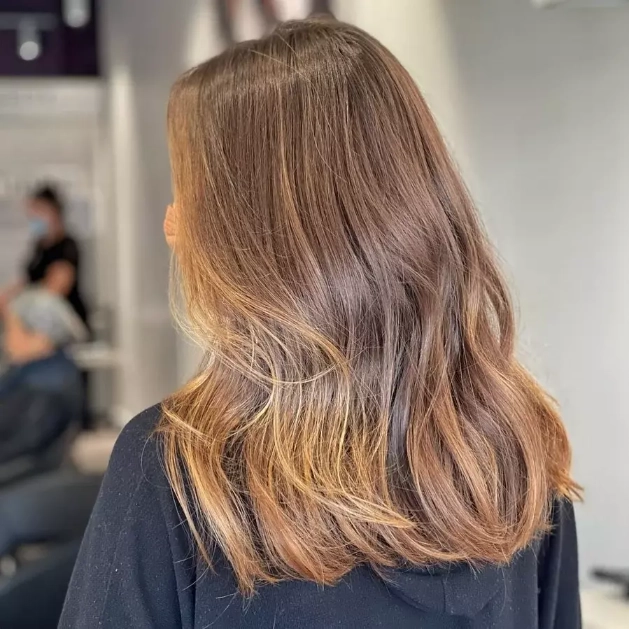
The 4–12-wash range is a planning guide, not a guarantee. Some low-pigment formulas may lose visible intensity sooner, while highly saturated direct dyes or color-depositing masks may remain noticeable for longer. Product-specific instructions should take priority over a general estimate.
“Lasts 12 washes” does not mean wash 11 will look identical to day one and wash 12 will remove every trace. Fading is progressive. Saturation, shine, and tonal balance can change at different rates.
What Usually Changes First?
The first sign of fading is often a tonal shift rather than complete color removal:
- A vivid shade may become softer or more pastel.
- A cool shade may begin to look warmer.
- Porous ends may remain darker or fade differently from the roots.
- More colored runoff may appear during shampooing.
- Uneven sections may become more visible as overall intensity decreases.
Uneven fading does not automatically mean the product failed. Previous bleaching, older ends, product buildup, missed sections, and differences in porosity can all affect how hair takes up and releases pigment.
How to Estimate Your Fade Timeline in Weeks
To turn a wash-count claim into a calendar estimate, divide the expected number of shampoo sessions by the number of times you normally shampoo each week:
Estimated weeks = expected washes ÷ shampoos per week
| Your shampoo frequency | 4-wash estimate | 12-wash estimate |
|---|---|---|
| 7 times per week | About 4 days | About 12 days |
| 3 times per week | About 1.3 weeks | About 4 weeks |
| 2 times per week | About 2 weeks | About 6 weeks |
| 1 time per week | About 4 weeks | About 12 weeks |
This is a scheduling tool, not a removal deadline. Swimming, repeated wetting, exercise, UV exposure, strong cleansing, and uneven porosity can make the visible result differ from the calculation.
If you need the color to fade before a wedding, work event, school requirement, or another color service, do not plan around the maximum estimate alone. Test the shade on a hidden section first and allow extra time for possible staining.
How Long Does Semi-Permanent Hair Dye Last on Different Hair Types?
Hair condition affects both the initial color result and the way it fades. It is more useful to consider pigment uptake, residual staining, and fading consistency than to assign one fixed duration to every hair type.
| Hair condition | Likely color behavior | What to expect |
|---|---|---|
| Virgin or natural hair | Pigment generally remains closer to the surface | Results may look softer and may release more evenly, depending on the formula and shade |
| Bleached or pre-lightened hair | The lighter, often more porous base can show vivid and pastel shades clearly | Color may remain visible as a residual stain, but different sections can fade unevenly |
| Porous or damaged hair | Pigment may absorb quickly and inconsistently | Some areas may become darker or retain color longer than others |
| Dark hair | Semi-permanent dye cannot lift the natural base | The result may appear as a subtle reflection and seem to disappear sooner because contrast is lower |
| Gray or white hair | Uptake may range from resistant to highly absorbent | Coverage and fading can be unpredictable; do not assume complete gray coverage |
Bleached or porous hair does not simply “hold color longer” or “fade faster” in every case. It may take up more pigment and retain a visible stain while still losing brightness unevenly. A strand test on the lightest or most processed section gives a better prediction than a general hair-type label.
What Makes Semi-Permanent Hair Dye Fade Faster?
Semi-permanent color usually fades faster when pigment uptake is uneven or when the hair is exposed frequently to shampoo, hot water, chlorine, high heat, or strong sunlight. The formula and shade also matter, so the most influential factor will not be the same for every person or product.
Formula and Shade
There is no universal rule that every red, blue, pastel, or natural shade fades at the same rate. Retention depends on the specific dyes, pigment concentration, formula, starting color, and washing conditions.
Deep blues, greens, purples, reds, and blacks may leave noticeable undertones on light or porous hair. A low-pigment pastel may lose visible intensity much sooner. Always judge the claim on the exact product rather than assuming every semi-permanent dye performs alike.
Dark shades can also remain present while losing their original depth, shine, or tonal balance. For a shade-specific example, see why black hair dye fades and changes tone.
Application and Saturation
Missed sections, insufficient product, uneven saturation, or changing the instructed processing time can create patchiness that looks like rapid fading. Apply the amount, method, and timing specified by the manufacturer. Do not add heat or extend the processing time unless the instructions explicitly permit it.
Shampoo Frequency and Cleansing Strength
Because semi-permanent color is designed to fade through washing, shampoo frequency directly affects how many calendar days it remains visible. Strong clarifying or deep-cleansing shampoos can remove color faster and are better reserved for times when buildup or intentional fading is the goal.
Avoid reducing the issue to “all sulfates strip color.” Cleansing performance depends on the complete formula, concentration, wash technique, and frequency—not one ingredient name alone.
Hot Water, Heat, Swimming, and Sun
Very hot water can be drying and may contribute to faster visible color loss. Chlorinated pools, salt water, repeated wetting, high styling temperatures, and extended sun exposure can also affect tone and hair condition.
Use comfortably lukewarm water, the lowest effective heat setting, and suitable heat protection. Wear a swim cap when practical, rinse with fresh water after swimming, and protect colored hair from prolonged strong sunlight.
How to Make Semi-Permanent Hair Dye Last Longer
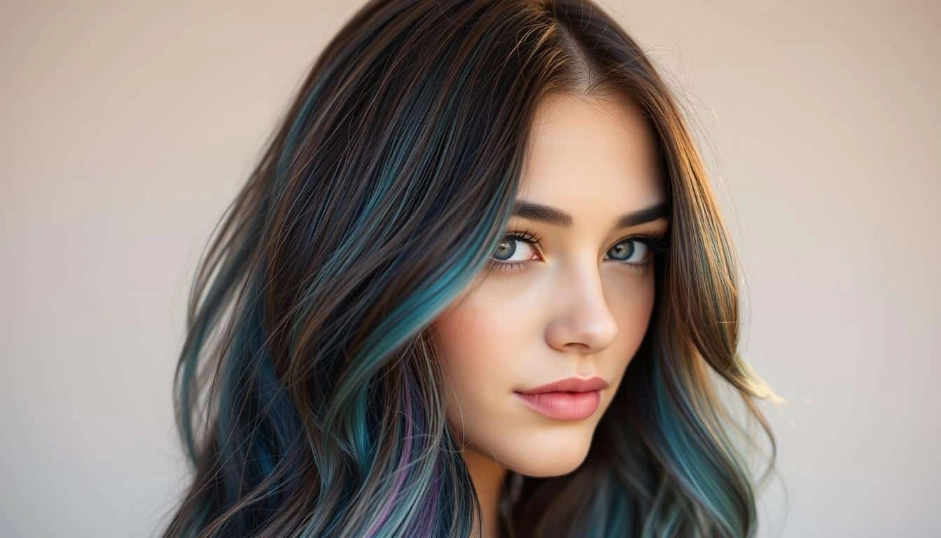
The most reliable approach is to follow the product instructions while reducing unnecessary washing, strong cleansing, heat, and environmental exposure. The following habits can help the color remain visible longer without compromising scalp cleanliness or comfort.
Follow the Instructions for Your Exact Product
Some direct dyes are applied to clean, dry hair; others are designed for clean, damp hair. Some labels permit shampooing immediately before use, while others recommend a different routine. The product directions should take priority over universal online advice.
Do not automatically clarify the hair, skip conditioner for a fixed number of days, scratch the scalp, add heat, or extend the processing time unless the manufacturer directs you to do so.
Wash Gently and Only as Often as Your Scalp Needs
- Use comfortably lukewarm water rather than very hot water.
- Massage the scalp without aggressively scrubbing the colored lengths.
- Choose cleansing and conditioning products that suit both colored hair and your scalp.
- Leave more time between shampoos only when your scalp remains clean and comfortable.
- Use a dark towel and pillowcase while fresh pigment is still transferring.
If you are unsure what to use, learn how to choose a shampoo for color-treated hair and compare the formula with your hair condition, scalp needs, and washing frequency.
Reduce Unnecessary Heat and UV Exposure
Use the lowest heat setting that achieves the desired result, and apply a suitable heat protectant. The American Academy of Dermatology’s guidance for colored hair also recommends protecting dyed hair from sunlight because exposure can contribute to fading, dryness, and brittleness.
Use Color-Depositing Products Carefully
A compatible color-depositing conditioner or mask can refresh the tone between full applications. Begin with the labeled frequency and perform a strand test because pigment may accumulate more heavily on dry or porous ends.
Do not automatically mix leftover dye into an unrelated conditioner or mask. Combining products can change preservation, texture, application, and exposure in ways the manufacturers did not test. Use a purpose-made product or follow an explicitly approved mixing method.
Perform the Required Skin Test and a Separate Strand Test
The FDA’s hair-dye safety guidance advises following label directions, wearing gloves, not exceeding the stated processing time, and performing the directed skin test before every use. A previously tolerated product can still cause a later reaction, and a negative test cannot guarantee that no reaction will occur.
A skin or allergy alert test checks for a possible reaction under the product’s directions. A strand test checks the expected color, processing result, staining, and fading behavior on your hair. They serve different purposes.
Does Semi-Permanent Hair Dye Fade Completely?
Semi-permanent dye is designed to fade, but complete removal is not guaranteed. Natural, unprocessed hair may release color more cleanly. Lightened, damaged, very porous, or previously colored hair has a greater chance of retaining a residual tint.
Ghosting and Staining
“Ghosting” describes a faint residual tone that remains after the main shade has faded. Staining is a stronger or more persistent deposit. Either may affect the next color application, especially when moving from a vivid cool shade to blonde, pastel, or a contrasting color.
If you want to speed up fading rather than wait for the color to change naturally, begin with the lower-risk sequence in our guide to removing semi-permanent hair dye. Avoid repeatedly bleaching the hair, applying strong household cleansers, or layering several removal methods in one day. If a persistent shade must be removed from already fragile hair, consult an experienced colorist.
If the stain is on the hairline or hands rather than the hair, use the separate, gentler methods for removing hair dye from skin.
Does Product Freshness Affect the Result?
Product condition can affect application and performance, but there is no universal opened or unopened shelf life for every semi-permanent dye. Check the package for an expiration date, period-after-opening symbol, lot code, and storage instructions.
Do not use the product if the package is damaged, the seal was compromised before purchase, contamination is possible, or the odor, color, or texture has changed unexpectedly. Store it as directed and keep the container tightly closed. See our guide to hair dye shelf life and storage for more warning signs.
When Should You Refresh, Remove, or Change the Color?
Base the next step on how evenly the color is fading, the condition of your hair and scalp, and the shade you want to apply next. Use the signs below as a practical guide rather than reapplying or removing color on a fixed schedule.
Refresh the Color When
- The fading is even, but the shade has lost the intensity you want.
- Your scalp is comfortable and your hair is not becoming increasingly dry or brittle.
- The product label permits the planned reapplication frequency.
- A new strand test shows that another layer will not make porous ends excessively dark.
Let It Fade Naturally When
- You plan to move to a lighter, pastel, or contrasting shade.
- The existing tone is still transferring heavily to towels or during washing.
- Your hair feels fragile and would benefit from less handling.
- You are uncertain how the remaining pigment will interact with the next color.
Ask a Professional Before Removing or Changing It When
- A vivid shade has stained bleached or highly porous hair.
- The color is uneven across the roots, mid-lengths, and ends.
- You intend to bleach over direct dye.
- Your hair stretches, snaps, or feels unusually rough when wet.
- You experienced burning, swelling, blistering, a widespread rash, or breathing symptoms.
If you plan to color at home again, review the complete at-home hair-coloring steps and follow the instructions for the new product rather than repeating a routine from a different formula.
Frequently Asked Questions
The answers below address common questions about fading, reapplication, uneven results, and color transfer. For processing times, testing requirements, and product-specific limits, always follow the instructions supplied with the dye.
Will semi-permanent hair dye wash out completely?
It is intended to fade through shampooing, but complete removal is not guaranteed. Light, bleached, damaged, or porous hair may retain a residual tint.
Can semi-permanent hair dye last for months?
It may remain visible for months when hair is washed infrequently, the formula is highly pigmented, or the hair retains a stain. The shade will not necessarily remain as bright or even as it was after application.
How soon can I reapply semi-permanent hair dye?
Follow the product’s reapplication instructions and consider the condition of your scalp and hair. Stop and reassess if you notice irritation, increasing dryness, breakage, or uneven pigment buildup.
What is the difference between semi-permanent and demi-permanent hair color?
Semi-permanent color usually uses direct dyes without peroxide developer. Demi-permanent color usually uses oxidative dyes with a low-strength developer, so it generally lasts longer. Confirm the product’s mixing instructions because terminology can vary.
Why is my semi-permanent hair dye fading unevenly?
Uneven porosity, previous bleaching, product buildup, missed sections, different starting colors, and inconsistent saturation can all contribute. Test the most porous section before refreshing the entire head.
How can I prevent dye from staining towels and pillowcases?
Rinse according to the label, dry the hair fully before bed, and use dark or old towels and pillowcases during the first several washes. Highly pigmented shades may still transfer, especially when the hair is damp.
Final Takeaway
For many products, semi-permanent hair dye lasts about 4–12 shampoos, but the label, formula, starting color, porosity, and washing routine determine the actual result. Count shampoo sessions rather than days, expect gradual tonal change, and leave extra time if you need a vivid shade to fade before another color service.
To extend the visible result, follow the product directions, wash with comfortably lukewarm water, use suitable color-care products, and limit unnecessary heat, swimming, and UV exposure. If complete removal matters, remember that bleached and porous hair may retain a tint beyond the expected wash count.