HAIR CARE SOURCING GUIDE
Quick Answer: What Shampoo Is Good for Colored Hair?
For most people, a good shampoo for colored hair is a gentle, color-safe formula that cleans the scalp without leaving dyed lengths rough, dry, or tangled. Choose it according to your scalp, hair condition, and shade rather than relying on “sulfate-free” alone.
- Dry, bleached, or porous hair: Look for gentle cleansing plus conditioning ingredients that improve slip and detangling.
- Fine or oily colored hair: Choose a lighter formula that cleans the roots without leaving heavy residue.
- Blonde, silver, or highlighted hair: Use regular color-safe shampoo for routine washing and purple shampoo only when unwanted yellow tones appear.
- Dark brunette hair: Consider blue shampoo only when orange tones become noticeable.
- Vivid or semi-permanent color: Use the gentlest cleanser that still cleans your scalp, and avoid unnecessary clarifying washes.
- Sensitive scalp: Prioritize a formula you tolerate well rather than choosing by marketing claims alone.
- Hard water or frequent swimming: Consider occasional clarifying or chelating care when buildup is present.
Gentle Cleansing
Mild cleansing without stripping color.
Color Protection
Helps reduce fading and maintain color.
Moisture & Care
Keeps colored hair soft and manageable.
Hair & Scalp
Choose for your hair and scalp needs.
Introduction
A 2025 report by Yamada and colleagues in the Journal of the Society of Cosmetic Chemists of Japan ran dyed hair through repeated shower washing and measured how far the color shifted. Rinsing with purified water still moved it measurably — and residual chlorine in ordinary tap water pushed it further, to a degree the authors called comparable to shampoo itself.
Which reframes the question. It isn’t “which bottle is best.” It’s which things on the ingredient list are actually doing something, and which are just printed on the front. Here’s how to tell the difference.
What Shampoo Is Good for Colored Hair?
A good shampoo for colored hair should leave your roots clean and your scalp comfortable. Your ends should still feel soft enough to comb after you rinse. If the color also stays fresh at a rate you are happy with, the shampoo is probably a good match.
Start with products made for colored or damaged hair, but pay attention to how they perform. A rich shampoo may feel lovely on dry, bleached hair and too heavy on fine hair. A very gentle shampoo may also leave oily roots or styling product behind. Sometimes a stronger wash is useful, just not every day.
Before buying, look for a few practical signs:
- The product is made for color-treated, bleached, or damaged hair.
- The cleansing level fits your scalp, whether you need a gentle everyday wash or something stronger.
- The formula includes conditioning ingredients that may help dry ends feel easier to comb.
- Any purple, blue, red, or copper pigment matches the shade you want to maintain.
No shampoo can stop all fading. Water, heat, sunlight, frequent washing, and the type of dye all affect how long a color stays fresh. Instead of expecting perfect color protection, look for clean roots, comfortable skin, and ends that remain easy to manage.
Why Does Color-Treated Hair Need a Different Shampoo?
Hair color can leave hair drier or more fragile
Hair color does not affect everyone in the same way. Adding a darker or temporary shade to healthy hair is very different from repeated permanent color or bleaching. Lightened hair often needs the most care because it can feel drier, rougher, and easier to tangle.
The American Academy of Dermatology notes that coloring can make hair dry and brittle. More lightening usually means more stress on the hair. Choose your shampoo based on how your hair feels now, not only on the fact that it is colored.
Every wash gives color another chance to fade
Every wash brings the hair into contact with water and cleansing ingredients. Some color can rinse away during this process. The amount varies with the shampoo, the type of dye, the condition of your hair, and how you wash it.
Shampoo is only part of the picture. A suitable formula may help you avoid unnecessary dryness and fading, but it cannot make hair color permanent.
Different types of color fade in different ways
Permanent color behaves differently from semi-permanent dye, which usually adds pigment without a developer. Reds, coppers, pastels, and vivid shades can show a change quickly because even a small loss is easy to notice. Bleached or very porous hair may also lose color unevenly.
The guide to different types of hair color explains these categories in more detail. Once you know which type you have, it is easier to choose the right level of cleansing and conditioning.
What Ingredients Make a Shampoo Good for Colored Hair?
The ingredient list can help you narrow down your choices, but it cannot tell you everything. It does not show the exact amount of each ingredient or how the finished shampoo will feel on your hair. Use it as a guide, then judge the product by the results.
Cleansers that remove dirt without leaving hair rough
The ingredients that clean hair are called surfactants. A good color-care shampoo should remove scalp oil and styling residue without leaving the lengths rough or difficult to comb.
Do not judge the formula by one cleanser name. Shampoos usually combine several cleansing ingredients, as this dermatology guide to shampoo ingredients explains. Choose the finished product by the result: clean roots, a comfortable scalp, and manageable ends.
Conditioning ingredients that help with tangles
Colored hair often needs extra slip when it is wet. Ingredients such as polyquaterniums or conditioning guar can make the lengths easier to comb and less likely to feel static after rinsing.
A study of permanent hair color found that Polyquaternium-55 reduced color loss in the tested routine. This does not mean every polyquaternium protects color, but it shows why conditioning support can be useful.
Moisturizing and softening ingredients
Glycerin, panthenol, propylene glycol, light oils, and fatty alcohols may help colored hair feel softer. They can be especially useful when the ends feel dry after bleaching or repeated coloring.
Richer is not always better. A creamy shampoo may suit coarse or bleached hair but leave fine hair flat. Shampoo also rinses away quickly, so you may still need a separate conditioner.
Silicones and other smoothing ingredients
Silicones are often placed on online “avoid” lists, but they can be helpful for colored hair. Dimethicone and amodimethicone, for example, may add slip and shine. That can make rough hair easier to detangle.
Some formulas may feel heavy after repeated use, especially on fine hair. If your hair becomes flat or dull, try using less conditioner or fewer styling products first. You may also need an occasional deeper wash.
Proteins and amino acids
Hydrolyzed wheat, rice, soy, or silk proteins may help damaged hair feel smoother for a while. Amino acids can also appear in conditioning formulas. These ingredients do not permanently rebuild damaged hair, but they may improve how it feels and combs.
If your hair starts to feel stiff, try using fewer protein-rich products. The formula may simply be too much for your current routine.
Mineral-removing ingredients for hard water or swimming
Hard water and swimming can leave minerals on the hair. Ingredients such as EDTA, phytic acid, or sodium phytate may help remove or control that buildup. They can be useful when colored hair looks dull after pool or hard-water exposure.
You probably do not need a strong mineral-removing shampoo every time you wash. Save it for times when there is clear buildup, then follow with conditioner if the hair feels dry.
At-a-glance guide
| What you may see on the label | What it does | When it may help | What to keep in mind |
|---|---|---|---|
| A mix of cleansing ingredients | Removes oil and dirt | When roots need cleaning but colored ends feel dry | One cleanser name does not tell you how strong the shampoo is |
| Polyquaterniums or conditioning guar | Adds slip and reduces static | When the hair tangles easily after washing | A rich formula may feel heavy on fine hair |
| Glycerin, panthenol, oils, or fatty alcohols | Helps hair feel softer | When colored or bleached ends feel dry | Shampoo cannot replace conditioner for very dry hair |
| Dimethicone, amodimethicone, or similar smoothers | Improves slip and shine | When hair feels rough or hard to comb | Some routines may develop buildup over time |
| Hydrolyzed proteins or amino acids | Helps hair feel smoother for a while | When damaged hair feels rough | These ingredients do not permanently repair hair |
| EDTA, phytic acid, or sodium phytate | Helps with mineral buildup | After swimming or with hard water | Most people do not need strong mineral removal at every wash |
Which Shampoo Ingredients Should You Avoid on Color-Treated Hair?
You do not need to avoid a long list of “bad” ingredients. Pay more attention to products that are too strong, too heavy, irritating, or wrong for your shade.
Strong clarifying shampoo used too often
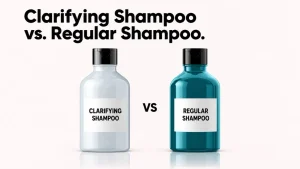
Clarifying shampoo is useful when regular shampoo leaves behind oil, dry shampoo, or styling products. The problem usually comes from using it too often. A product that works well once in a while may leave bleached hair rough or make a vivid shade fade faster when used every day.
A deeper wash may make sense when:
- Dry shampoo or styling products still feel present after your normal wash.
- Your roots become greasy again very quickly even when you shampoo thoroughly.
- The hair feels coated, dull, or harder to style than usual.
- Pool water or hard water has left the color looking flat or changed the tone.
Use a clarifying shampoo when you can feel or see buildup. Follow the directions and use conditioner afterward if your hair feels dry.
Very alkaline or soap-based shampoos
Traditional soap may leave a film in hard water. Very alkaline shampoo can also make hair feel rougher and more tangled. A review of 123 shampoos found that alkaline pH may increase friction between hair fibers. The same review also said there is no single ideal pH for every shampoo or scalp.
A lower-pH shampoo may help hair feel smoother, but an “acidic” label does not guarantee gentle cleansing or less fading. Most bottles do not show the final pH anyway, so judge the shampoo by how your hair responds.
Fragrance when your scalp is sensitive
Many people can use fragranced shampoo without a problem. If you have a known fragrance allergy or a history of scalp reactions, a simpler formula may be easier to tolerate.
The FDA’s guidance on cosmetic allergens says that terms such as “hypoallergenic” and “for sensitive skin” have no federal definition in the United States. Read the ingredient list and avoid ingredients that you already know cause a reaction. Preservatives are still important because they protect the shampoo from contamination.
Stop using a shampoo if it causes burning, a rash, swelling, or strong itching. Get urgent medical help for facial swelling, wheezing, or trouble breathing.
Very rich formulas on fine hair
A rich shampoo may help coarse, curly, or bleached hair but leave fine hair flat. Remember that conditioner, masks, oils, dry shampoo, and styling products also add weight.
If your roots look limp, try using less conditioner or fewer leave-in products. If that does not help, use a more cleansing shampoo from time to time.
Toning shampoo that does not match your color
Purple, blue, copper, red, and other tinted shampoos add a small amount of color while you wash. Purple is usually used for yellow tones, while blue is often used for orange tones. Neither one suits every hair color.
Dry or porous sections may grab more pigment and turn out darker or duller than the rest. Follow the directions and test a hidden strand if you are unsure.
Adding DIY ingredients to the bottle
Do not add leftover dye, baking soda, dish soap, acids, oils, or supplements to a bottle of shampoo. The mixture may become harder to spread, less stable, or more irritating. It can also leave you with uneven color.
Is Sulfate-Free Shampoo Good for Colored Hair?
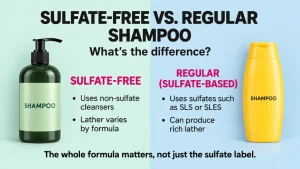
Sulfate-free shampoo can be a good choice for colored hair, especially when the ends are dry. Still, the words “sulfate-free” do not guarantee that a shampoo is gentle. Sulfate-free products can range from very mild to deeply cleansing.
A shampoo that contains sulfates can also work well for some people. Sodium lauryl sulfate and sodium laureth sulfate are not the same, and the amount used matters. Other cleansing and conditioning ingredients can change how the shampoo feels.
Instead of studying one label claim, think about what you need the shampoo to do. Does it remove the oil, dry shampoo, and styling products from your roots? Does your scalp feel comfortable afterward? Most importantly, can you comb the ends easily, and does the color still look good after several washes?
Those answers tell you more than the words “sulfate-free.” Choose the shampoo that leaves your roots clean and your colored lengths manageable.
What Is the Best Shampoo for Dyed Hair, Damaged Hair, or a Sensitive Scalp?

The best shampoo depends on both your scalp and your colored ends. An oily scalp may need more cleansing, while bleached or curly lengths often need more softness and slip.
| Your hair or scalp | Look for | Be careful with |
|---|---|---|
| Bleached or highlighted hair | Gentle cleansing and ingredients that make detangling easier | Strong clarifying shampoo at every wash |
| Red, copper, or vivid color | A color-safe shampoo that does not leave the hair dry | Purple, blue, or other tinted shampoos that do not match your shade |
| Brunette or black color | Enough cleansing for the scalp plus shine and softness | Using blue shampoo when orange tones are not a problem |
| Fine or oily colored hair | Clean roots and lightweight conditioning | Heavy, creamy formulas that leave the hair flat |
| Curly, coily, or very dry colored hair | Gentle cleansing and plenty of slip | Frequent clarifying and rough detangling |
| Sensitive scalp | A simple formula that avoids ingredients you know cause a reaction | Relying only on claims such as “hypoallergenic” |
| Dandruff or another scalp condition | The treatment shampoo recommended for the condition | Stopping treatment only to protect the color |
Bleached hair often needs gentle detangling. Fine, oily hair may need a stronger wash at the roots and only light conditioning on the ends. Curly or coily colored hair may do better with a gentler wash and more slip.
If you have dandruff, psoriasis, or another scalp condition, treating the scalp may be more important than keeping every bit of color. Do not stop a medicated shampoo just because it is not labeled color-safe. Follow the directions and ask a dermatologist if you need help balancing treatment and color care.
How Can You Tell Whether a Shampoo Is Really Color-Safe?
Look past the words on the front label
Claims such as “color-safe” and “sulfate-free” are a useful starting point, not proof. Turn the bottle around and look at the main cleansing and conditioning ingredients. Also remember that lots of foam does not always mean strong cleansing, and low foam does not always mean gentle cleansing.
The ingredient list gives clues, not exact amounts
On cosmetics sold in the United States, ingredients are generally listed from the largest amount to the smallest. The FDA labeling summary explains that ingredients used at one percent or less, along with color additives, follow different ordering rules.
You still cannot work out the exact amount of each ingredient from the list. An ingredient near the end may also do an important job even when only a small amount is needed.
Ask what “color-safe” really means
A useful color-safe claim should tell you more than the name of the product. Helpful details may include:
- The brand says which hair color and hair type it tested.
- It explains how many washes were included in the test.
- It states whether the shampoo was compared with a regular cleansing formula.
- It makes clear whether the shampoo was tested alone or with a matching conditioner.
Many labels will not include that level of detail, so your own results over several washes still matter.
Other words need the same common-sense check. A “natural” shampoo can still irritate sensitive skin, and a “professional” product may be too strong for daily use at home.
Remember the rest of your routine
Conditioner, masks, leave-in products, and heat styling also affect how colored hair looks and feels. Even a good shampoo cannot make up for rough detangling, frequent high heat, or a tinted product that is wrong for your shade.
How Should You Wash Colored Hair to Help Prevent Fading?
Washing your hair is one of the biggest factors that can affect how long your color stays fresh. The right routine can help reduce unnecessary color loss while keeping your hair clean, soft, and manageable. Follow these simple washing habits to help slow fading and maintain your color between salon visits.
- Follow the product or salon instructions for the first wash after coloring.
- Wash when your scalp needs it. There is no schedule that works for everyone.
- Focus the shampoo on your roots. The foam that rinses down is often enough for the ends unless they have heavy buildup.
- Use a comfortable water temperature. Apply conditioner to the lengths and detangle gently.
- Save clarifying or mineral-removing shampoo for times when you can feel buildup or have been swimming.
- Limit unnecessary high heat and protect your hair from strong sun. Then judge the routine across several washes, not just one.
If the color is semi-permanent, the fading pattern also depends on the dye, starting shade, level of damage, and care routine. The separate guide to how long semi-permanent hair dye lasts covers that question in more detail.
How Do You Know If a Shampoo Works for Color-Treated Hair?

A good shampoo for color-treated hair should do more than simply cleanse the scalp. It should leave your roots feeling fresh while helping colored lengths stay soft, manageable, and vibrant. Instead of relying only on the product label, look at how your hair and scalp respond after several washes.
A shampoo is probably a good match when:
- Your roots feel clean and your scalp stays comfortable after rinsing.
- The colored ends do not feel unusually rough, squeaky, or tangled.
- Your normal conditioner makes the hair easy to detangle without extra work.
- The color fades at a rate that feels reasonable for your shade and wash routine.
Try a different product if you notice a sharp color change after most washes or if the hair becomes harder to detangle. Burning, itching, redness, swelling, or heavy flaking are signs to stop using the shampoo and get medical advice if needed.
For a simple comparison at home, take a photo in the same lighting before changing shampoo. Keep your conditioner and wash routine as similar as possible. After several washes, compare the color and how easily the hair combs. This is not a laboratory test, but it can help you choose between two products.
What Should Beauty Brands Look for in a Color-Safe Shampoo Formula?
For a beauty brand, “color-safe” needs a clear meaning. The product brief should say who the shampoo is for, what type of color they use, how damaged the hair may be, and how much cleansing the scalp needs.
The formulator can then choose the cleansing and conditioning ingredients, set a suitable pH, and check how the shampoo works with the matching conditioner. The brand should also agree on a practical repeated-wash test before making a color-care claim. Labels and claims need to match the rules of the market where the product will be sold.
Brands exploring custom shampoo manufacturing for color-care products can use Keronhair’s service page to discuss the formula, packaging, and project needs. Testing, documents, timing, order quantity, and performance goals should still be confirmed for each project.
What Makes a Shampoo Good for Colored Hair?
A good shampoo for colored hair should do three everyday things well: clean your roots, keep your scalp comfortable, and leave the ends easy to manage. The color will still fade over time, but washing should not leave the hair rough or cause a dramatic change after every use.
Start with your scalp and the condition of your ends. Then think about how often you wash, what styling products you use, and whether your shade fades quickly. A good conditioner and gentler handling matter too.
If two shampoos look suitable, try each one for several washes while keeping the rest of your routine the same. Keep the one that gives you clean roots, soft lengths, and a color change you are comfortable with. That result tells you far more than the words “sulfate-free,” “natural,” or “color-safe” on the bottle.
FAQ
Does sulfate really strip hair color?
Mechanistically it’s plausible, but the effect is widely overstated. Reviewing the belief that sulfates are harsh and color-stripping, the formulation publication Chemists Corner says flatly: “There’s little evidence for this but it persists.” Two details matter more: SLS and SLES are different molecules, and a sulfate-free label doesn’t tell you the formula is gentle.
How do I know if a shampoo is color-safe?
Not from the front label — from the ingredient order on the back. Check positions two to five for the surfactant system, count how many surfactants share the load, scan the back half for a chelating agent, and see whether the hero ingredient on the front actually appears high enough on the list to matter. That takes under a minute and tells you more than any claim.
What’s the ideal pH for a shampoo on colored hair?
Around 4.5–5.5 sits closest to hair’s own state. Be aware of two things: most products don’t publish pH at all, and in the study of 123 shampoos only 38.21% measured at 5.5 or below. That study examined pH and fiber damage — it did not measure color fading, so treat the connection as reasoning rather than proof.
Are expensive salon brands worth it for colored hair?
Sometimes, but not because of the word “salon.” A premium can reflect costlier mild surfactants and higher active levels — or packaging and distribution. The ingredient list separates them better than the price tag does. One objective data point: in that same survey, 75% of the salon products tested came in at pH 5.5 or below, against 38.21% overall, though that was a sample of 15.
Can I ever use a clarifying or chelating shampoo on colored hair?
Yes, as a reset every two to four weeks rather than a routine, and not in the week straight after coloring. Keep it distinct from the low-level chelating agent in a daily formula — that one works quietly at a fraction of a percent, while a dedicated clarifying product is built to clean hard on purpose.
Why does my color still fade even though I do everything right?
Because water itself is a variable. The 2025 report found that color difference increased even when dyed hair was rinsed with purified water, and that residual chlorine in tap water contributed at a level comparable to shampoo for some shades. Lower the temperature, shorten the rinse and wash less often. A shower filter is worth considering, but treat any promise about it carefully.