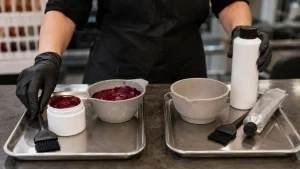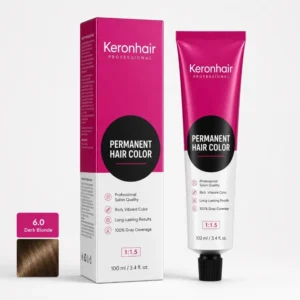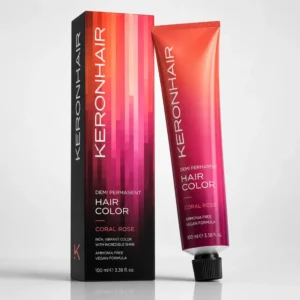
The safest way to fade semi-permanent hair dye is to start with normal washing or a hair-formulated clarifying shampoo, then reassess the color after the hair is dry. If that is not enough, use a remover whose label specifically says it works on direct or semi-permanent dye.
A single treatment may not return your hair to its exact pre-color shade, especially if it was bleached, porous, or colored more than once. Gradual fading is usually more predictable than stacking several harsh DIY methods in one day.
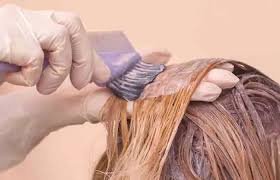
Understanding Why Semi-Permanent Dye Is Easier to Remove
Many products sold as semi-permanent color are ready-to-use direct dyes. They deposit pigment without a developer and generally fade through washing. However, naming varies between products and markets, so check the box or tube rather than relying only on the words “semi-permanent.”
Demi-permanent and permanent colors usually involve oxidative chemistry and may need a different type of remover. The guide to different types of hair color can help you distinguish a direct dye from a color mixed with developer.
Semi-permanent does not always mean surface-only or completely washable. Direct-dye molecules can enter porous areas of the fiber and leave residual staining, particularly on bleached or damaged hair. A peer-reviewed review of hair dyeing and hair-shaft damage explains that penetration and structural effects differ between temporary, semi-permanent, and permanent color systems.
Before You Start: Confirm the Dye and Test Your Hair
This is the first new step to add before choosing a removal method. Save the product packaging if possible and answer four questions:
- Was the color mixed with developer? If yes, it may be demi-permanent or permanent rather than a direct semi-permanent dye.
- Was the hair bleached first? Removing the added pigment will reveal the lightened base, not restore the natural melanin removed by bleach.
- How does the hair feel? Stop home removal if it is unusually stretchy when wet, gummy, breaking, or severely tangled.
- How does the scalp feel? Do not apply another product to skin that is burning, blistered, swollen, scratched, or inflamed.
Set a realistic target: do you need to soften the color, remove as much pigment as possible, or prepare for a new shade? A small hidden strand test shows how the dye and hair respond before you treat the whole head.
The FDA hair dye safety guidance advises following label directions and recognizes that hair dyes can cause irritation or allergic reactions. If you have facial swelling, trouble breathing, widespread hives, severe pain, or another serious reaction, seek urgent medical help rather than attempting color correction.
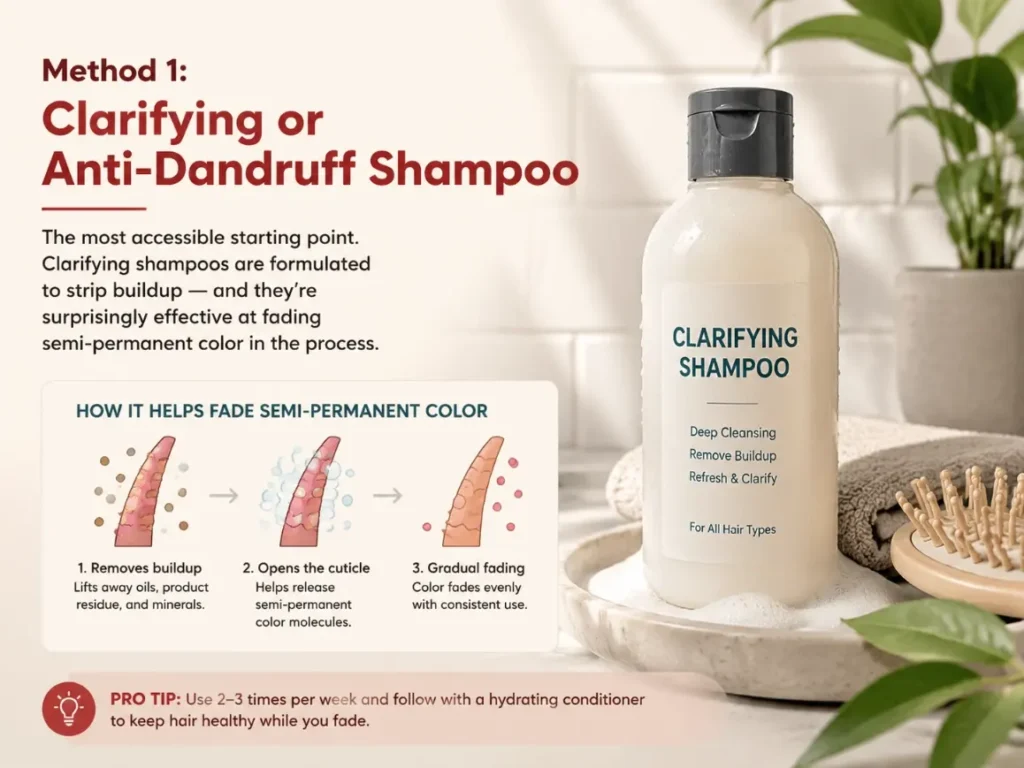
Method 1: Clarifying or Anti-Dandruff Shampoo
This is the most accessible starting point. Clarifying shampoos are formulated to strip buildup — and they’re surprisingly effective at fading semi-permanent color in the process.
How to use it:
Apply a generous amount of clarifying or anti-dandruff shampoo (look for zinc pyrithione or selenium sulfide on the label) to wet hair. Work it into a lather, leave it on for three to five minutes, then rinse thoroughly. Follow with a deep conditioner, as clarifying shampoos can be drying.
Repeat this process over several wash days rather than in one aggressive session. Gradual fading is gentler on your hair and gives you more control over the result.
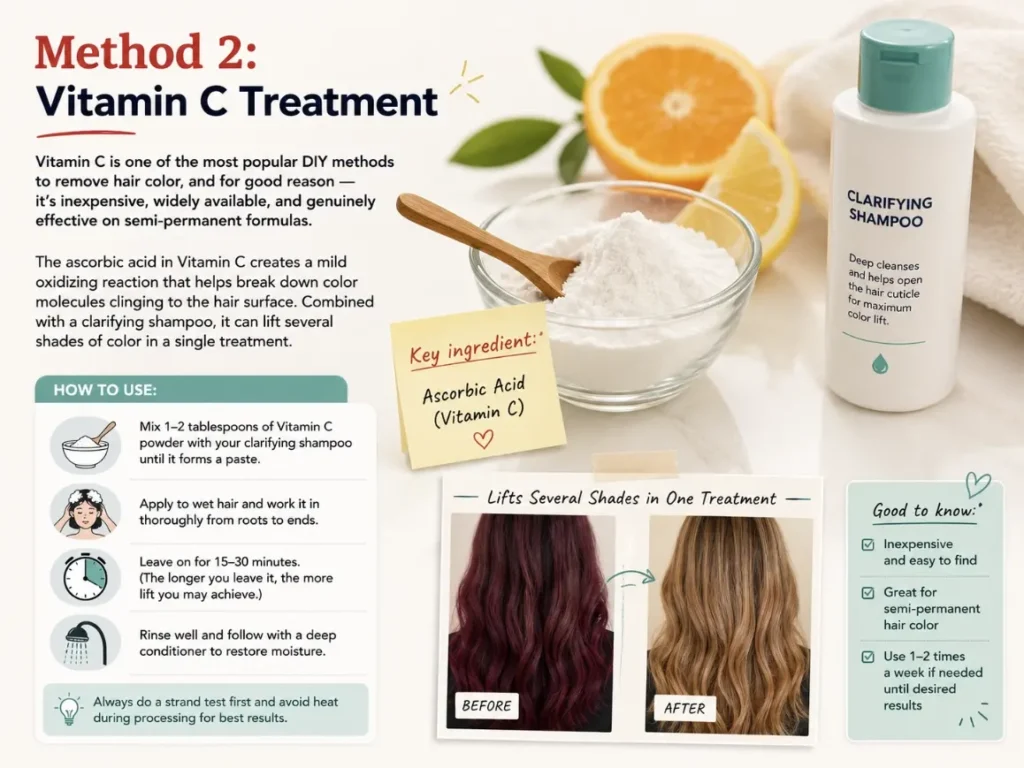
Method 2: Vitamin C Treatment
Vitamin C is one of the most popular DIY methods to remove hair color, and for good reason — it’s inexpensive, widely available, and genuinely effective on semi-permanent formulas.
The ascorbic acid in Vitamin C creates a mild oxidizing reaction that helps break down color molecules clinging to the hair surface. Combined with a clarifying shampoo, it can lift several shades of color in a single treatment.
What you’ll need:
- 10–15 Vitamin C tablets (crushed into a fine powder), or powdered Vitamin C
- Clarifying or anti-dandruff shampoo
Step-by-step:
- Crush the Vitamin C tablets into a fine powder.
- Mix with enough clarifying shampoo to create a spreadable paste.
- Apply evenly throughout damp hair, focusing on areas with the most color saturation.
- Cover with a shower cap and leave on for 30 to 60 minutes.
- Rinse thoroughly and follow with a hydrating conditioner.
This method works best on lighter, more recent deposits of semi-permanent color. For deeper or older shades, you may need two or three treatments spaced a few days apart.
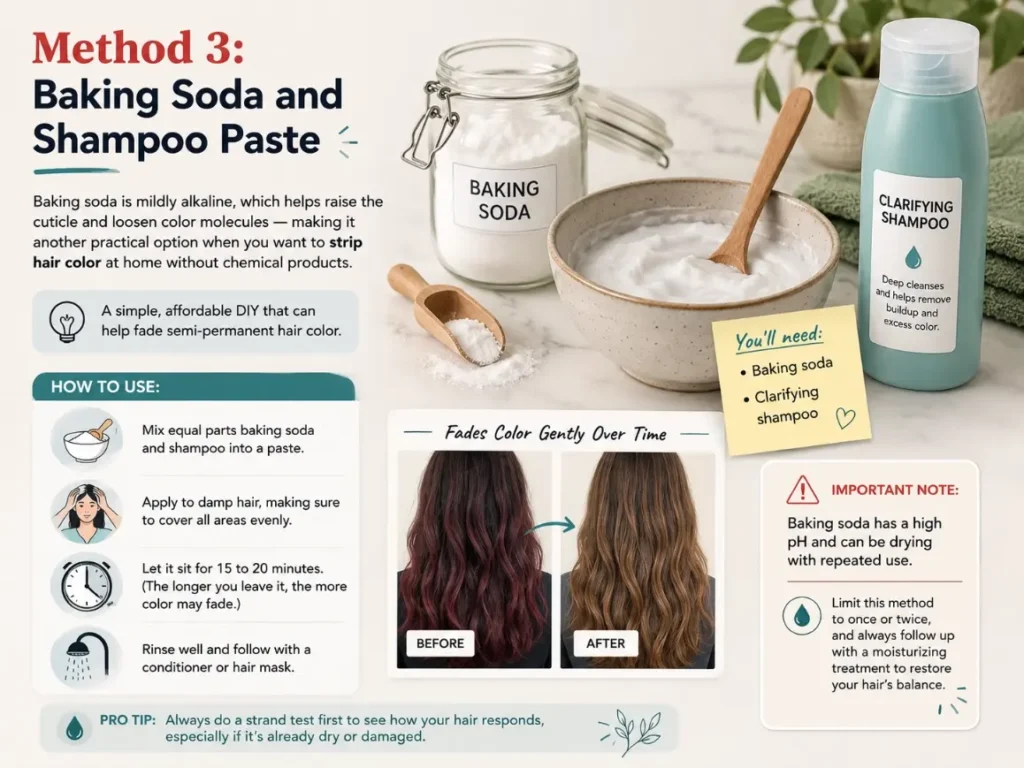
Method 3: Baking Soda and Shampoo Paste
Baking soda is mildly alkaline, which helps raise the cuticle and loosen color molecules — making it another practical option when you want to strip hair color at home without chemical products.
Mix equal parts baking soda and shampoo into a paste, apply to damp hair, and let it sit for 15 to 20 minutes. Rinse well and follow with a conditioner or hair mask.
One important note: baking soda has a high pH and can be drying with repeated use. Limit this method to once or twice, and always follow up with a moisturizing treatment to restore your hair’s balance.

Method 4: Hot Oil Treatment
If your priority is fading color while simultaneously nourishing your hair, a hot oil treatment is worth trying. Oils like coconut, olive, or argan don’t aggressively strip color — but they do help loosen and displace surface-level pigment while conditioning the strand.
Warm your chosen oil slightly (it should feel comfortable on your wrist), apply it generously from roots to ends, cover with a shower cap, and leave on for 30 to 60 minutes under gentle heat — a warm towel or hooded dryer works well. Shampoo out thoroughly.
This method is best used in combination with others rather than as a standalone. It’s ideal for color-treated hair that’s already showing signs of dryness.
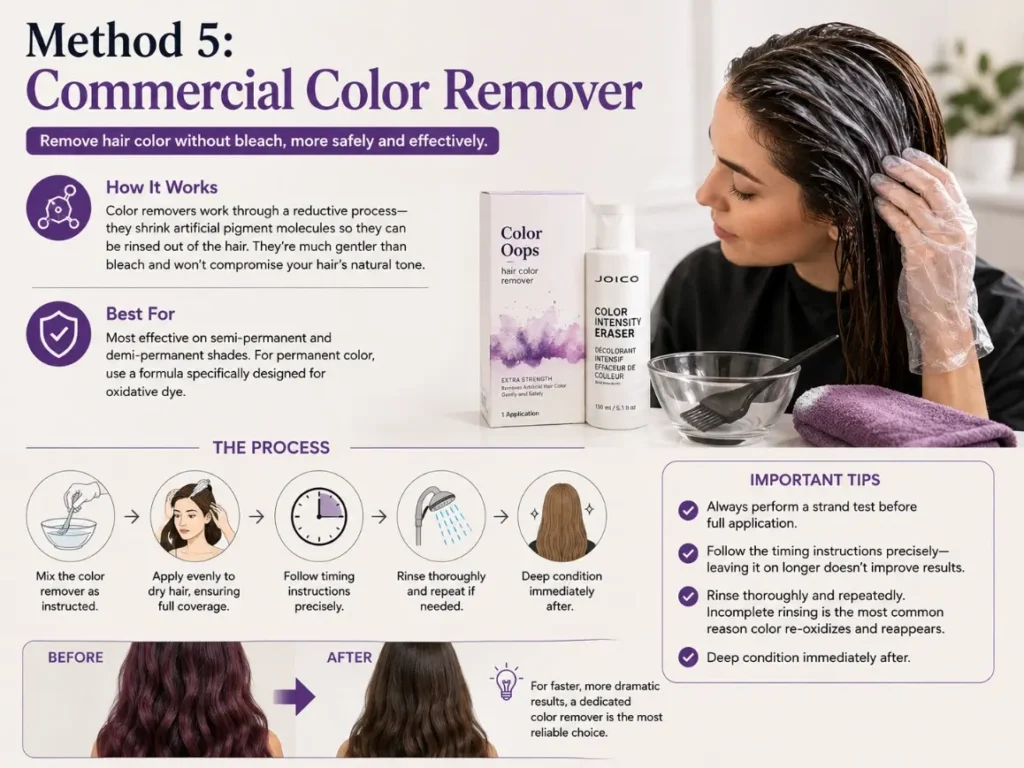
Method 5: Commercial Color Remover
For faster, more dramatic results, a dedicated color remover product is the most reliable way to remove hair color without bleach. Products like Color Oops or Joico Color Intensity Eraser are specifically formulated to target artificial pigment molecules without lifting your natural melanin.
These products work through a reductive process — they shrink the color molecules so they can be rinsed out of the hair. They’re significantly gentler than bleach and won’t compromise your hair’s underlying tone in the same way.
Important tips for using a color remover:
- Always perform a strand test before full application.
- Follow the timing instructions precisely — leaving it on longer doesn’t improve results.
- Rinse thoroughly and repeatedly. Incomplete rinsing is the most common reason color re-oxidizes and reappears.
- Deep condition immediately after.
Color removers are most effective on semi-permanent and demi-permanent shades. For permanent color, you may need a formula specifically designed for oxidative dye.
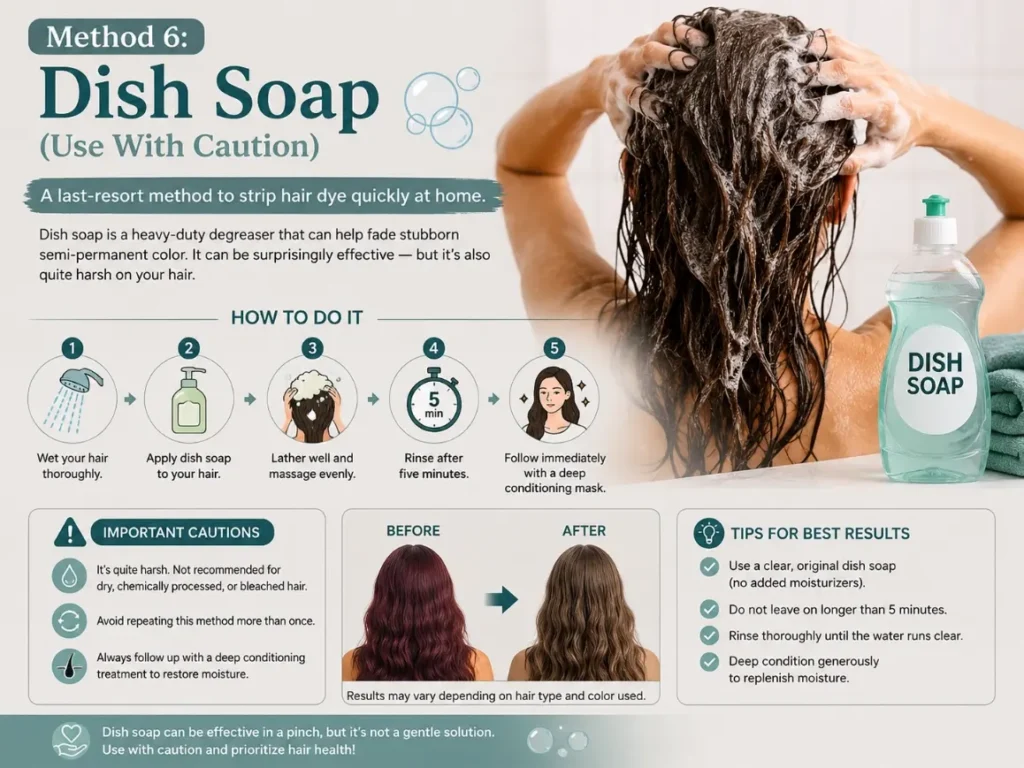
Method 6: Dish Soap (Use With Caution)
Dish soap is a heavy-duty degreaser, and some people use it as a last resort to strip hair dye from hair at home quickly. It can be surprisingly effective at fading stubborn semi-permanent color — but it’s also quite harsh.
If you try this method, apply dish soap to wet hair, lather well, and rinse after five minutes. Follow immediately with a deep conditioning mask and avoid repeating this more than once. It’s not recommended for dry, chemically processed, or bleached hair.
How to Remove Colored Hair Safely: Key Principles
Regardless of which method you choose, a few universal principles apply when learning how to remove colored hair without causing unnecessary damage:
Work gradually. Spreading treatments across multiple days rather than stacking them back to back gives your hair time to recover between sessions.
Deep condition after every treatment. Any method that opens the cuticle to release color will also leave hair temporarily more porous and vulnerable. A protein-rich or moisturizing mask after each session is non-negotiable.
Avoid overlapping aggressive methods. Don’t combine baking soda, clarifying shampoo, and dish soap in the same wash. Choose one method per session.
Assess your hair’s condition honestly. If your hair is already compromised — brittle, highly porous, or recently bleached — skip the DIY approaches and consult a professional colorist. A professional can remove hair dye while minimizing risk in ways that home methods simply can’t match.
What Result Should You Expect After Color Removal?
Color removal usually means fading or shifting artificial pigment, not reversing every earlier chemical process. The final result may include:
- A lighter version of the same shade: common after one or two clarifying washes.
- A different undertone: blue may move toward teal or green, while red or purple can leave pink or warm residue.
- Uneven fading: porous ends and previously lightened sections may hold or release dye differently from the roots.
- A pre-lightened base: if bleach was used before the semi-permanent dye, removal reveals that lighter base rather than the original natural color.
- Residual staining: highly saturated direct dyes can remain visible on pale or porous hair even after the bulk of the color has faded.
Check the expected lifespan in the guide to how long semi-permanent hair dye lasts. If there is no deadline, allowing ordinary washing to fade the shade may protect more of the hair’s condition than forcing complete removal.
When to Seek Professional Help
Some situations call for expert hands. If you’re dealing with overlapping dye jobs, an unexpected color result, or hair that’s already been through significant chemical processing, a professional colorist can assess your hair’s current condition and recommend the safest path forward.
The American Board of Certified Haircolorists maintains a directory of certified colorists if you’re looking for someone with specialized expertise in color correction.
Trying to force a dramatic color change at home — especially using bleach on already-compromised hair — carries real risk of breakage and irreversible damage. Sometimes the most informed decision is knowing when to hand things over.
Prepping Your Hair After Stripping Color
There is no universal one- or two-week recovery period. The appropriate pause depends on the method, product instructions, scalp comfort, breakage, porosity, and the next service.
- Use a gentle shampoo and conditioner suited to your hair.
- Limit high heat, tight styles, and rough detangling while the fiber feels vulnerable.
- Do not assume a protein mask is mandatory; choose conditioning care based on how the hair responds.
- Wait if the scalp is irritated or the hair is breaking, regardless of the calendar.
- Perform a new strand test before applying the next color.
Before recoloring, review the step-by-step guide to dyeing hair at home. If removal seems to have caused shedding or breakage, the guide to hair dye, breakage, and hair loss explains why those outcomes need different responses.
Frequently Asked Questions
Can I strip semi-permanent hair dye in one session?
Possibly, but it depends on the color depth and how long it’s been on your hair. Lighter, recently-applied shades often respond well to a single Vitamin C or clarifying treatment. Deeper, older color may take multiple sessions over several days.
Will these methods work on dark or vivid colors?
Vivid shades like blues, greens, and purples can be particularly stubborn. Vitamin C and color remover products tend to be the most effective options for those tones. Dark shades like black may require a commercial remover or professional help to avoid a muddy, uneven result.
Is bleach necessary to remove semi-permanent dye?
In most cases, no. Because semi-permanent color doesn’t penetrate the cortex, gentler methods are usually sufficient. Bleach should be considered a last resort and only used by someone who understands how to apply it safely.
How long should I wait between stripping attempts?
Give your hair at least two to three days between treatments. If it’s feeling dry, brittle, or shedding more than usual, pause and focus on conditioning for a week before continuing.
Can I dye my hair immediately after stripping it?
Only if the remover instructions allow it and the scalp and hair remain in suitable condition. Some systems have product-specific waiting, washing, or compatibility rules. Perform a strand test and consult a colorist when the next shade requires lifting or major correction.
What should I do if my scalp burns during removal?
Rinse immediately and stop using the product. Seek medical advice for persistent pain, rash, blistering, swelling, eye exposure, breathing symptoms, or other serious reactions.
Knowing how to strip semi permanent hair dye properly puts you firmly in control of your color journey. Start with the gentlest method appropriate for your situation, be patient with the process, and prioritize your hair’s health at every step. You can visit Keron Hair for more expert guidance on color care, hair health, and everything in between.