Send the same product brief to a dozen cosmetic factories and you will get a dozen confident yeses. The differences surface on the third call, when you ask which products are actually made on the licensed site, who submits the product notification, and who owns your formula afterwards.
That gap is the real difficulty in shortlisting hair care product manufacturers in Saudi Arabia. A polished catalogue and a Riyadh or Jeddah address say very little about production scope. Some factories openly run shampoo and oil departments. Others are broad cosmetics manufacturers whose hair lines still need confirming. Others will develop a formula, then leave artwork, notification, and importer responsibility sitting with the brand.
This guide compares 10 Saudi candidates, shows the public evidence behind every inclusion, and gives you an RFQ and verification framework for telling them apart — before a deposit leaves your account.

How We Selected These Saudi Hair Care Manufacturers
Search results for this category mix genuine local factories with distributors, retail brands, trading companies, marketing agencies, and overseas exporters that simply ship into the Kingdom. Those are not the same business, and they carry very different risks for a brand owner. The four criteria below are what separated a candidate worth contacting from a name worth ignoring.
1. Saudi Manufacturing Evidence
- A publicly stated factory or production presence inside Saudi Arabia, not only a commercial address.
- A clear distinction between manufacturer and distributor, retailer, sales office, brand owner, or importer.
- The Saudi legal entity, factory address, and current cosmetic-manufacturing licence confirmed before any contract is signed.
2. Hair Care Relevance
- Priority given to companies that publicly name shampoo, conditioner, masks, oils, serums, or scalp care.
- Broader cosmetics contract manufacturers retained only where their B2B services are genuinely relevant, with their exact hair care scope flagged as a point to confirm.
- No assumption that every product shown by a group is made at the same site.
3. Private Label or Contract-Manufacturing Fit
- Public evidence of manufacturing for others: private label, OEM/ODM, custom formulation, ready formulas, filling, or brand-development support.
- Consumer-only brands that do not publicly invite B2B projects were excluded.
4. Buyer-Relevant Transparency
- Whether the company explains formula development, sampling, testing, packaging, production, documentation, or regulatory assistance.
- Website claims treated as leads for due diligence, never as independently verified facts.
- Unsupported output capacity, client counts, export-country counts, and “number one” language ignored entirely.
The Weighting Behind the Shortlist
| Criterion | Weight | What we looked for |
|---|---|---|
| Saudi production evidence | 25 | Saudi legal entity, factory location, and genuine manufacturing role |
| Public hair care capability | 20 | Named hair care formats and relevant production lines |
| Private label / contract model | 20 | Evidence of manufacturing for third-party brands |
| Formulation and sampling support | 10 | Ready, semi-custom, or custom route and an approval process |
| Packaging and project support | 10 | Filling, component sourcing, artwork, and pack compatibility |
| Quality and document transparency | 10 | Testing, batch controls, licences, and certificate detail |
| Current public contact information | 5 | A working official site and a direct company contact route |
This weighting is an editorial research tool, not an audit score. We have deliberately not published a number beside each company, because doing so would imply that all ten were assessed against identical, independently verified evidence. They were not — public disclosure varies enormously across this list, and the profiles say so where it matters.
Quick Comparison of the 10 Hair Care Product Manufacturers in Saudi Arabia
Use the table to identify possible fits, then read the individual profiles and verification sections before contacting a factory.
| # | Manufacturer | Publicly stated Saudi location | Public hair care evidence | Manufacturing model shown | Best fit to investigate | Verify first |
|---|---|---|---|---|---|---|
| 1 | ACCMI – Arab Chemists Company | Riyadh Second Industrial City | Hair care and hair styling named as private-label segments | Private-label cosmetic manufacturing | Brands wanting the hair category confirmed up front | Commercial registration against contracting entity, licence scope, hair formats on site, MOQ |
| 2 | Gulf Care Factory | Khamis Mushait, Asir | Shampoo and oil production departments | Manufacturing for others / special-brand projects | Shampoo, oils, and practical private-label projects | Current licence and certificate scope, MOQ, formula rights, packaging responsibility |
| 3 | Advanced Pharmaceutical Factory | Riyadh | Shampoo, conditioner, serum, cream, and hot-oil formats published | Contract manufacturing and regulated product manufacturing | Documentation-focused or pharmacy-channel projects | Acceptance of new private-label work, cosmetic scope, MOQ, formula ownership |
| 4 | Knoz Al Oud Factory | Saudi Arabia; confirm exact factory address | Shampoos, oils, serums, and masks | Contract manufacturing, formula development, filling, packaging | Brands seeking a visible multi-format hair care range | Legal entity and name confusion risk, factory address, certificates, MOQ, test reports |
| 5 | Avalon Pharma | Riyadh | Cosmetic and topical manufacturing; hair formats need confirming | Private-label manufacturing to customer specification | Brands and pharmacy channels needing an audited counterparty | Cosmetic hair scope on a licensed site, minimum volumes, claim classification |
| 6 | Bonn Medical Industries | Riyadh | Cosmetics contract manufacturing; hair range requires confirmation | Custom or ready formula, packaging, production, documentation support | Compliance-led brands comparing turnkey development | Hair care capability, production site, licence scope, MOQ, destination documents |
| 7 | Lamsat Ibda Factory | Jeddah Third Industrial City | Hair care portfolio shown publicly | Formula development, tests, packaging, manufacturing for others | Emerging Saudi brands wanting local concept-to-pack support | Hair line evidence, licence, formula rights, tests, MOQ, references |
| 8 | Hdaia Factory | Riyadh | Not established; fragrance and skincare led | Manufacturing for third-party brands, per company content | Fragrance-led ranges where scent development matters | Whether hair formats exist at all, surfactant capability, licence scope, MOQ |
| 9 | Sehr Al Reef Factory | Riyadh | Not established | Cosmetics manufacturing for third parties | Buyers wanting direct access to a smaller local factory | Legal entity and address, licence scope, hair capability, full manufacture vs. filling |
| 10 | Rayet AlBayan Factory | Saudi Arabia; confirm production-site address | Hair care presented within a wider personal-care offering | Private label / toll manufacturing | Brands considering hair plus skin, body, or fragrance | Hair-specific equipment, site, licence, tests, MOQ, packaging capability |
10 Best Hair Care Product Manufacturers in Saudi Arabia for Brands
The profiles below are written to help you build a shortlist, not to replace due diligence. Each one separates what the company publicly says from what you still have to confirm in writing, and the numbering is for navigation only — it is not a quality ranking.
1. ACCMI – Arab Chemists Company for Cosmetics and Medical Industries – Best for Publicly Named Hair Care and Styling
ACCMI operates from Riyadh’s Second Industrial City and describes itself as a foreign-investment company established in 2010 and authorised by the SFDA to produce cosmetics and medical products. It is the only entry on this list whose published private-label category list names hair care and hair styling as separate segments, alongside bath and shower, liquid hand soap, skincare, body care, hand and nail care, foot care, baby and kids care, sun care, deodorant, and perfume. It also appears in the Saudi Exports government exporter directory, which at least confirms the entity trades under that name.
- Public hair care scope: Hair care and hair styling, both named as private-label segments
- Service model to discuss: Private-label cosmetic manufacturing and supply
- Best suited for: Brands that want the hair category stated up front rather than discovered three emails into an RFQ
- Company-stated credentials: Investment authority, SFDA, and industry ministry licences, plus ISO 9001, ISO 13485, ISO 22716, GMP, and CE marking — all first-party statements requiring current copies
- Verify first: Commercial registration 1010292243 against the entity that will actually contract with you; which hair formats run on the Riyadh site; MOQ; formula route and ownership; test menu; each certificate’s scope and expiry
- Official source: accmi.co
Read that certificate list carefully. ISO 13485 and CE marking belong to medical devices, not cosmetics — a long list of standards is not the same as a current cosmetic-manufacturing licence covering your specific product.
2. Gulf Care Factory – Best for Publicly Documented Shampoo and Special-Brand Manufacturing
Gulf Care Factory identifies itself as a Saudi manufacturer based in Khamis Mushait, in the Asir region, and maintains a dedicated “Manufacturing for Others” page. Its stated production departments include shampoo and oil alongside creams, gels, soaps, and other health and cosmetic formats. The page also describes a special-brand workflow covering quotation, contracting, packaging, product licensing, sample approval, and production — a level of process disclosure that is uncommon in this market and makes early conversations more productive.
- Public hair care scope: Shampoo and oil departments
- Service model to discuss: Manufacturing for others using either a customer formula or a factory-approved formula
- Best suited for: Buyers who want a Saudi-based shampoo or oil project with a publicly described private-brand process
- Useful public detail: The company presents a project timeline of roughly 30–90 days depending on packaging and material availability. Treat this as a first-party estimate for its own process, not a market norm, and reconfirm it against your brief.
- Verify first: Current SFDA factory licence; ISO and GMP certificates with their exact scopes; MOQ per SKU; packaging minimums; stability and compatibility testing; formula ownership; a written responsibility matrix
- Official source: gulfcarefactory.com
A certificate held by a factory is not a certificate held by your product. Certificates apply to defined entities, sites, activities, and validity periods, and a supplier’s quality system says nothing about whether your specific formula was made and tested correctly.
3. Advanced Pharmaceutical Factory – Best for a Documented Hair Care Catalogue
Advanced Pharmaceutical Factory (APF) is a Riyadh-based manufacturer whose public materials show a broad healthcare and cosmetics portfolio. Its published hair care range covers shampoo, conditioner, hair serum, hair cream, and hot-oil or argan-oriented formats — the most itemised hair catalogue on this list. Combined with a regulated-manufacturing environment, that makes it relevant to buyers who prioritise documentation quality or who sell through pharmacy-adjacent channels.
- Public hair care scope: Shampoo, conditioner, serum, cream, and hot-oil formats
- Service model to discuss: Contract manufacturing and product development, subject to project acceptance
- Best suited for: Established brands, distributors, and pharmacy-channel buyers that value a documentation-led discussion
- Verify first: Whether the factory currently accepts new or smaller private-label hair projects; the exact cosmetic licence scope; MOQ; formula route and ownership terms; the testing package; packaging services; production lead time
- Official sources: apf.com.sa hair care range and the APF product catalogue (PDF)
A published catalogue proves the format exists as a product, not that the factory will make it under your brand at your volume. A pharmaceutical orientation also does not make a cosmetic hair product medically effective, and it pre-approves nothing.
4. Knoz Al Oud Factory – Best for a Clearly Stated Multi-Format Hair Care Range
Knoz Al Oud is one of the more explicitly hair-focused candidates here. Its official website names shampoos, hair oils, serums, and masks, and describes contract manufacturing for both established brands and startup projects. It also sets out stages running from project brief and ingredient selection through internal testing, production, filling, packaging, and delivery — useful because it gives you a documented sequence to test during the RFQ rather than a vague promise of flexibility.
- Public hair care scope: Shampoos, oils, serums, and masks
- Service model to discuss: Formula development, contract manufacturing, filling, packaging, and brand confidentiality
- Best suited for: Founders building a coordinated care range rather than one isolated hero product
- Potential advantage to investigate: A visible formula-to-finished-product workflow you can map against your own launch plan
- Verify first: Saudi legal entity and exact plant address; active factory licence; current quality certificates; test methods; product-information support; formula ownership; minimum quantities; component sourcing terms
- Official source: knozfactory.com
Several Saudi companies use closely similar transliterated names, including businesses in unrelated categories. Confirm the commercial registration and the entity that will invoice you before treating any published capability as belonging to your supplier.
5. Avalon Pharma – Best for an Externally Documented Counterparty
Avalon Pharma, the trading name of Middle East Pharmaceutical Industries, is a Riyadh manufacturer listed on the Saudi exchange following its 2024 IPO. That makes it the most externally documented company on this list: its disclosures are audited and public rather than self-published. Its manufacturing pages describe creams, lotions, topical solutions, and cosmetic products alongside pharmaceutical forms, and state an objective of producing private-label goods to customer specification, sold under the customer’s own brand. In March 2025 it signed a private-label manufacturing agreement with United Pharmacies that was reported in the regional trade press — rare third-party evidence that a company on a list like this genuinely manufactures for others.
- Public hair care scope: Cosmetic and topical manufacturing is established; specific hair formats need confirming. Its hair-growth product sits in the medicated category rather than cosmetics.
- Service model to discuss: Private-label manufacturing to customer specification
- Best suited for: Established brands, pharmacy chains, and distributors that need an audited counterparty and documentation depth
- Verify first: Whether cosmetic hair formats run on a licensed site; minimum volumes, since a listed manufacturer’s batch economics may not suit a first launch; formula ownership; whether your intended claims would classify the product as cosmetic or medicated
- Official sources: avalonpharmaceutical.com and the United Pharmacies private-label agreement announcement
Pharmaceutical GMP status raises the documentation floor. It does not make a cosmetic claim defensible, and it does not mean the company will take a small hair care project.
6. Bonn Medical Industries – Best for Formula, Packaging, and Documentation Coordination
Bonn Medical Industries is a Riyadh contract manufacturer that publicly describes product-concept support, custom and ready formulas, packaging design and sourcing, complete production, documentation, and registration assistance. That combination appeals to buyers who need a coordinated conversation about regulatory paperwork rather than a price per bottle — particularly brands that already know what evidence their channel or distributor will demand.
- Public hair care scope: Exact formats and production lines require direct confirmation
- Service model to discuss: Product concept, formula development, packaging, production, and documentation
- Best suited for: Compliance-focused brands that already have a detailed brief and want to compare a turnkey route
- Verify first: A hair care capability matrix; sample products made at the Riyadh site; the current cosmetic-manufacturing licence; MOQ; testing methods; formula ownership; product information file support; label review scope; who acts as importer or notifier
- Official sources: bonnmed.com/about and bonnmed.com/services
Make the limitation explicit in your own notes: broad cosmetics contract-manufacturing capability is not proof that any specific hair format — an emulsion mask, an anhydrous oil, a professional treatment — is available on that site.
7. Lamsat Ibda Factory – Best for Emerging Brands Seeking Local Concept-to-Pack Support
Lamsat Ibda presents itself as a Saudi factory in Jeddah Third Industrial City and describes formula development, product testing, packaging, and manufacturing for others. Hair care appears in its public portfolio, which makes the company relevant to early-stage founders who want project coordination handled locally and in person rather than across time zones and languages.
- Public hair care scope: Hair care portfolio shown; exact formats and production lines require confirmation
- Service model to discuss: Formula development, testing, packaging, and third-party manufacturing
- Best suited for: Emerging local brands that prefer hands-on, Saudi-based product development
- Verify first: Active licence and legal entity; hair line and equipment list; test reports; the sample-to-batch control procedure; formula ownership; MOQ; lead time; customer references you can contact independently
- Official sources: lmstabda.sa and lmstabda.sa/en/about-us
Website testimonials are marketing, not evidence of quality, turnaround, or commercial success — and placeholder counters should be ignored. A reference you phone yourself is worth more than every quote on the page combined.
8. Hdaia Factory – Best for Fragrance-Led Personal Care Projects
Hdaia, trading as Hdaiacom for Perfumes and Cosmetics, is a Riyadh company that presents itself as a perfume and cosmetics manufacturer. It states an SFDA licence together with GMP and ISO 9001 certification, and publishes an annual output figure above 15 million units. Its Arabic content discusses manufacturing for third-party brands and the stages of personal-care production. The evident strength is fragrance and skincare: hair care does not appear in its public materials, so category fit here is unproven rather than demonstrated.
- Public hair care scope: Not established in public materials — this is the first thing to confirm
- Service model to discuss: Manufacturing for third-party brands, as described in company content
- Best suited for: Brands whose range leads with fragrance, or where scent development matters as much as the base formula
- Verify first: Whether any hair formats are produced at all; surfactant and emulsion capability; the SFDA licence and its scope; whether the stated capacity relates to the line your product would use; MOQ; testing
- Official source: hdaia.com.sa
A capacity figure describes a company’s total annual output. It says nothing about available time on the specific line your product needs, and it is not a substitute for a licence scope.
9. Sehr Al Reef Factory – Best as a Local Contract-Manufacturing Lead to Qualify
Sehr Al Reef presents itself as a Riyadh cosmetics factory specialising in manufacturing for other brands, citing more than a decade of production experience and an SFDA licence. It also produces disinfectants and sanitisers for hospitals and health centres. The company appears in Saudi industrial directories, which supports the existence of the entity, but its most detailed claims sit in first-party social channels rather than a documented services site.
- Public hair care scope: Not established — confirm before writing any brief
- Service model to discuss: Cosmetics manufacturing for third parties
- Best suited for: Buyers willing to do their own verification in exchange for direct access to a smaller local factory
- Verify first: Legal entity and factory address; the SFDA licence and its scope; whether hair formats are made at all; whether a project means full manufacture or filling only; laboratory capability; MOQ; batch documentation
- Official source: sehralreef.com
Where a supplier’s most specific claims live on social media rather than in a document, treat every one of them as unverified until paperwork arrives. That is not a judgement about the company — it is simply what the available evidence supports.
10. Rayet AlBayan Factory – Best for Brands Exploring Multiple Personal-Care Categories
Rayet AlBayan publicly promotes private-label and toll manufacturing across personal care, skin care, cosmetics, and perfumes, with hair care visible inside its wider specialty range. For a retailer or entrepreneur planning adjacent categories, consolidating suppliers has real operational value. That same breadth is why hair-specific verification matters more here, not less: a portfolio page tells you what a company sells, not what a licensed line can produce.
- Public hair care scope: Hair care category shown; exact products and production lines need confirmation
- Service model to discuss: Private label and toll manufacturing across a broad personal-care portfolio
- Best suited for: Retailers or entrepreneurs considering a multi-category beauty line
- Verify first: The legal manufacturer and factory address; hair-product equipment; formulation capability; microbiological and stability testing; licence and certificate scope; MOQ; packaging sources; batch documentation
- Official source: rayetalbyan.com.sa
Parts of the website use generic template copy and placeholder content. Ignore counts and stock phrasing entirely, and build your assessment from documents and a site visit.
What Hair Care Products Can Saudi Manufacturers Produce?

“Hair care manufacturer” is not a single capability. A plant that blends and fills oils may have no surfactant line, no hot-process emulsion capability, no aerosol filling, and no experience with oxidative colour or professional straightening chemistry. Matching your format to the licensed line is the first technical conversation to have, and it usually removes several candidates immediately.
| Product category | Examples | Manufacturing or packaging issue | Compliance or claims risk | Question to ask the factory |
|---|---|---|---|---|
| Cleansing | Daily, moisturising, clarifying, sulfate-free, or anti-dandruff-positioned shampoo | Surfactant system, viscosity, fragrance, bottle compatibility, microbial control | Medical or treatment language can change classification | Which shampoo systems do you make, and what tests are included? |
| Conditioning | Rinse-off conditioner, mask, leave-in, detangler | Emulsion stability, slip, preservative system, pump or jar compatibility | “Repairs damage” and similar claims need support | Can you provide stability, compatibility, and performance specifications? |
| Oils and serums | Hair oil, scalp oil, silicone serum, heat-protection serum | Oxidation, fragrance stability, leakage, dispensing | Growth or scalp-treatment claims create regulatory risk | How do you substantiate claims and control oxidation and leakage? |
| Scalp care | Scrub, tonic, serum, cleansing treatment | Irritation potential, applicator compatibility, microbiology | Anti-hair-loss, dandruff-treatment, or therapeutic claims require classification review | Will this product remain a cosmetic under the intended claims? |
| Styling | Gel, cream, wax, pomade, mousse, spray | Hold performance, flaking, heat, aerosol and transport requirements | Performance claims need a defined test method | Is this format made on the same licensed site? |
| Professional treatments | Smoothing, straightening, perm, colour, bleach, developer | Ingredient restrictions, warnings, salon instructions, pack separation, transport | Higher claim, ingredient, and misuse risk | What destination-market tests, warnings, and professional-use controls are provided? |
Middle East Product-Development Considerations
- Validate the formula and packaging under the heat and transport conditions your route actually involves, rather than accepting “desert proof” as a specification.
- Account for differences in routines, hair textures, salon channels, air-conditioned indoor environments, humidity, heat styling, and fragrance preference — without assuming a single Middle Eastern consumer profile.
- Test pumps, closures, labels, inks, adhesives, cartons, and leak resistance, not only bulk formula stability.
- Plan the Arabic and English information architecture early so artwork is not redesigned after sampling.
- Decide up front whether you need retail sizes, professional salon sizes, ecommerce-safe packs, travel formats, or routine bundles. This changes MOQ, component tooling, and cost more than most founders expect.
- Treat halal certification as a positioning and certification question. It does not substitute for cosmetic safety, claims, and notification obligations.
What Brands Must Know About SFDA Cosmetic Compliance
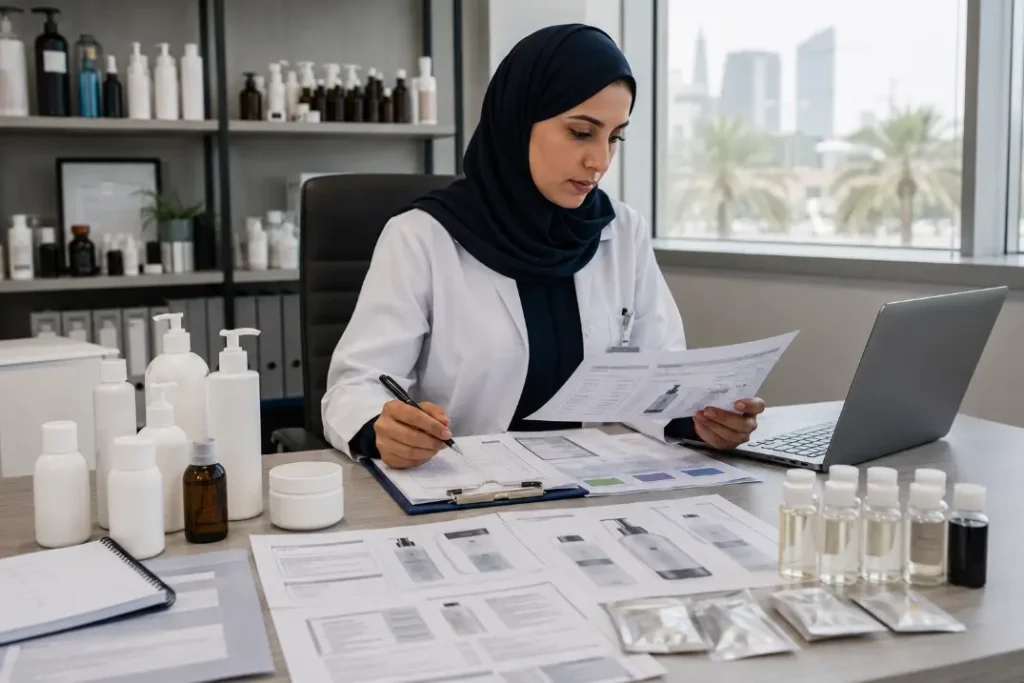
Using a Saudi manufacturer does not transfer your regulatory responsibilities to the factory. The agreement has to name who prepares each document, who submits the product notification, who owns the underlying data, and who controls changes. Where that is left undefined, it tends to surface at the worst moment — usually at customs or during a retailer audit.
1. Confirm Whether the Product Is a Cosmetic
A cosmetic is intended to clean, perfume, protect, keep hair in good condition, or improve appearance. Once you market a product as treating hair loss, regrowing hair, curing dandruff, or treating a scalp disease, you have moved into territory where the product may be classified as a drug rather than a cosmetic — with an entirely different regulatory pathway. Settle classification before formulation, not after your packaging is printed.
2. Plan Product Notification in the Ghad System
Cosmetic establishment and product services in Saudi Arabia run through the Saudi Food and Drug Authority’s unified electronic system, known as Ghad. A cosmetic product may not be imported or circulated in the Kingdom unless it has been notified with the SFDA and the corresponding listing obtained — and at the point of notification, the notifier takes on responsibility for the accuracy of the submitted information and for the product’s compliance with the applicable technical regulations. See the SFDA cosmetics overview and its guidance on cosmetic product notification requirements.
- Identify the responsible Saudi entity before artwork and production are finalised.
- Prepare the authorisation letter, product images, artwork or label, and complete ingredient information with concentrations and functions as required.
- Use the words “notification” and “listing” accurately. Notification is not proof of efficacy, and “SFDA approved” is not a marketing shortcut you are entitled to use.
- For imported goods, expect a separate consignment step: product information is submitted through the electronic clearance system to obtain a certificate of conformity before the shipment reaches the port of entry. The SFDA conditions for cosmetic product clearance set out what is required.
3. Review the Formula Against Current Requirements
Saudi cosmetic requirements are set out in Gulf technical regulations adopted by the SFDA, principally SFDA.CO/GSO 1943:2024, which covers the safety, labelling, and packaging requirements for cosmetics and personal care products. Both this standard and the claims regulation below are listed in the SFDA standards store.
Prohibited and restricted substance lists change, and they change with real deadlines attached. A circular issued in August 2025 added three substances to the restricted list with new concentration limits, prohibiting the import or manufacture of non-compliant products from 1 January 2026 while allowing stock already on the market to be sold through to 1 January 2028. A further update the following month expanded the prohibited substances list by 21 ingredients. Check the current lists and circulars on the SFDA site rather than working from a supplier’s copy, and decide in the contract who monitors these updates and who pays for reformulation when a raw material, fragrance allergen, colorant, or preservative has to change.
4. Control Cosmetic Claims
Claims are governed by SFDA.CO/GSO 2528:2024, which requires claims to meet common principles of legal compliance, truthfulness, evidential support, honesty, fairness, and informed decision-making. Build a claim-evidence matrix before the label and the ecommerce copy are written — not after the photography is booked.
- Separate cosmetic appearance and conditioning claims from medical claims.
- Require the factory or test provider to name the method and evidence behind any numerical or duration claim (“reduces breakage by X%”, “results in four weeks”).
- Remember that a claim can pull a product out of the cosmetic category entirely.
5. Build Arabic and English Label Content Early
Verify the current requirements for your specific product before printing, and treat any checklist — including this one — as a planning aid rather than the controlling law. The information groups to design space for include:
- product and trade name;
- responsible manufacturer, importer, or local entity details as applicable;
- ingredient list using the required nomenclature;
- batch or lot identification;
- expiry date or period after opening where applicable;
- function, use instructions, storage conditions, and warnings;
- country of origin and net contents where required;
- claims consistent with the notification and the supporting evidence.
Arabic is not an afterthought here. Reserve the panel space before you select the pack, because retrofitting bilingual content onto a chosen bottle is how launch dates slip.
6. Define the Product Evidence Package
Agree in writing which of these the manufacturer supplies, which you commission, and which a third-party lab performs:
- formula specification and full ingredient list;
- raw-material specifications and safety data where applicable;
- stability and packaging-compatibility evidence;
- microbiological and other product-specific tests;
- finished-product specification;
- batch manufacturing and quality records;
- certificate of analysis for the agreed batch;
- retained sample plus complaint and recall traceability;
- artwork approval record;
- product information file responsibilities.
7. Add Change Control to the Contract
Require written approval before any change to the formula or raw-material supplier; the fragrance, colour, preservative, or active level; the bottle, closure, liner, label, or carton; the production site or subcontractor; the test method or product specification; or any claim, instruction, or artwork element. Silent substitution is one of the most common causes of a second batch that no longer matches the sample you approved.
Compliance details change. Work from the live SFDA pages, note the review date on anything you rely on, and have a qualified Saudi regulatory specialist confirm your launch plan before you commit to production.
Saudi Manufacturer vs. Overseas Hair Care OEM: Which Model Fits Your Brand?
Neither route is universally cheaper, faster, or safer. The right answer depends on your format, order structure, documentation needs, and how much technical management you can carry in-house.
| Decision factor | Saudi manufacturer | Overseas OEM | Buyer question |
|---|---|---|---|
| Communication and visits | Local meetings and site visits are easier to arrange | Remote sampling and audits need more coordination | Who owns day-to-day technical decisions? |
| Formula and format breadth | Depends on local equipment and existing lines | A specialist may offer more hair-specific formats | Does the site make this exact category? |
| MOQ | Project- and component-specific | Project- and component-specific | Is MOQ quoted by formula, SKU, shade, size, or component? |
| Packaging | Local sourcing can simplify some components | Wider sourcing networks, more logistics | Who owns moulds, printing plates, and unused components? |
| Regulatory work | Local experience helps, but responsibility still needs defining | Saudi notifier and destination documents remain essential | Who submits, reviews, and maintains each record? |
| Lead time | Shorter distance | Development, freight, and customs extend the plan | What is the full brief-to-warehouse timeline? |
| Cost | Compare total landed project cost | Compare total landed project cost | Does the quote include tests, components, freight, duties, and rework? |
| Supply resilience | Reduces some cross-border exposure | May offer additional capacity options | What is the second-source and reorder plan? |
| Formula ownership | Must be contractual | Must be contractual | Who may reuse or modify the formula? |
| GCC expansion | Saudi readiness is not GCC-wide approval | One partner may serve several markets, but local rules still apply | Which documents and label variants per country? |
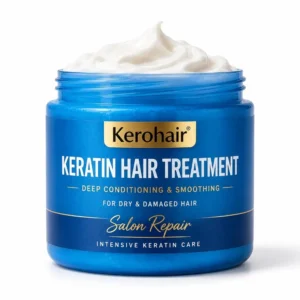
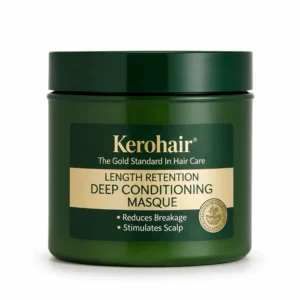
If a Saudi brand cannot find the formula, packaging format, order structure, or specialist hair care capability it needs locally, it is reasonable to compare the local shortlist against an experienced overseas OEM such as Keronhair, which supports private label hair product manufacturing in Guangzhou. An imported product still requires a Saudi-side compliance plan, a responsible entity, Ghad notification work, compliant artwork, and an agreed documentation package — the sourcing decision changes who makes the product, not who is accountable for it. Our Saudi salon smoothing system case study shows how an overseas project was adapted for a Saudi salon channel, and our comparison of China and local hair care manufacturers works through the trade-offs in more detail.
Keronhair is not included in the ten above, because it is not a Saudi manufacturer. If you are comparing across several countries rather than within one, our roundup of global hair care product suppliers is the better starting point.
How to Verify a Saudi Hair Care Manufacturer Before Paying a Deposit
The cheapest time to discover a licence, scope, formula, or documentation gap is before you commit to packaging and bulk production. Work through these ten steps in order — most failed projects skip steps two, four, and seven.
Step 1: Identify the Legal and Manufacturing Entities
Obtain the Saudi legal name, commercial registration details, VAT information, factory address, and the entity that will actually sign your contract. Then confirm whether sales, formulation, manufacture, filling, storage, and invoicing are performed by the same company or spread across several.
Step 2: Verify the Current Factory Licence and Scope
Ask for the current cosmetic-factory licence issued through the relevant SFDA process, and check the holder, address, expiry date, and permitted manufacturing activities. The SFDA publishes a user guide for cosmetic establishment licensing and product services, a list of licensed cosmetics factories, and a listed cosmetic products search. The factory list is the single most useful check on this page: it lets you test a supplier’s claim against an official record rather than against its own website. Match on the Arabic legal entity name, not the English trading name, and confirm you are looking at the current published version.
A product listing, warehouse licence, consultancy licence, or distributor record is not a substitute for a manufacturing licence — and this substitution is common enough to be worth stating plainly. A company can hold a genuine SFDA record and still not be authorised to manufacture what you want to buy.
Step 3: Inspect Certificates Properly
Request full copies rather than cropped logos. Check the certificate holder, the specific factory site, the standard, the activity scope, issue and expiry dates, the certificate number, and the certification body — then verify it with the issuing or accreditation body wherever that is possible.
Step 4: Approve the Formula and Written Specification
Define ingredients (with ranges where appropriate), appearance, odour, colour, pH, viscosity, performance, pack, fill weight, and acceptance criteria. State whether the formula is ready, semi-custom, exclusive, or fully custom, and put ownership, access, reuse, modification, and transfer rights in writing before development begins.
Step 5: Review the Test Plan
Agree what is tested, by whom, and against what limits: stability; packaging compatibility; microbiological quality and challenge testing where appropriate; physical and chemical specifications; performance or claim testing; and transport or heat exposure relevant to your actual route.
Step 6: Match the Packaging to the Formula
Confirm bottle, tube, jar, pump, sprayer, cap, liner, label, ink, adhesive, and carton specifications. Approve decorated samples, and define in advance who is responsible for leakage, deformation, discolouration, label lift, and print failure.
Step 7: Compare Commercial Terms on the Same Basis
Ask every supplier for MOQ by SKU and by packaging component; sample and development fees; formula fees and ownership; packaging moulds, printing plates, and unused inventory; unit price at comparable volumes; testing and documentation costs; payment stages; production and reorder lead times; and Incoterms or local delivery responsibility. Quotes that answer different questions cannot be compared.
Step 8: Confirm Batch Control and Traceability
Establish the approved master sample, batch record, finished-product specification, certificate of analysis, retained sample, deviation and change-control process, and the complaint, corrective-action, and recall procedure.
Step 9: Audit the Factory
Conduct an in-person or live video audit. Match the address, legal entity, licence, production rooms, equipment, warehouse, laboratory, hygiene controls, and records — and ask the factory to demonstrate the specific line that would run your product, not a general tour.
Step 10: Put Responsibilities in the Manufacturing Agreement
Cover formula and IP; confidentiality; artwork and claims; notification and regulatory maintenance; testing and release; packaging defects; rejected or out-of-specification batches; change control; delivery and delay handling; complaints and recalls; and termination, including ownership of remaining materials.
Buyer Evidence Pack
| Document or evidence | Why it matters | What to check |
|---|---|---|
| Commercial registration and legal identity | Confirms who signs and invoices | Exact name, status, relationship to the factory |
| Factory licence | Confirms manufacturing authorisation | Holder, site, scope, validity |
| ISO / GMP certificate | Supports quality-system review | Site, scope, validity, issuer, verification |
| Hair care capability list | Confirms relevant formats | Product type, equipment, site, limitations |
| Formula specification | Defines what you are buying | Version, acceptance criteria, ownership |
| Test plan and reports | Supports safety, quality, and claims | Method, lab, batch, date, result |
| Packaging specification | Prevents component disputes | Materials, dimensions, decoration, compatibility |
| Sample approval record | Connects the sample to production | Version, date, signatures, tolerances |
| Batch documents and COA | Supports release and traceability | Batch identity, tests, limits, authorisation |
| Responsibility matrix | Prevents regulatory gaps | Brand, manufacturer, importer, notifier, consultant |
Our guide to choosing a reliable hair product manufacturer covers the audit and document-review stages in more depth.
How to Send an RFQ to a Hair Care Manufacturer in Saudi Arabia
A precise RFQ does two things at once: it makes suppliers quote the same project, and it exposes which factories can answer technical questions instead of only returning a price. Send the identical brief to every candidate.
Copy-Ready RFQ Structure
- Company and brand — legal entity, launch stage, sales channels, website if available
- Target markets — Saudi Arabia first, plus any UAE, Kuwait, Qatar, Bahrain, or Oman plans
- Product format — shampoo, conditioner, mask, oil, serum, scalp care, styling, colour, or professional treatment
- Target user and need — hair type, routine, salon or retail use, desired performance
- Formula route — ready formula, semi-custom, benchmark-led, or fully custom
- Ingredient direction — required, preferred, restricted, or excluded ingredients
- Sensory direction — fragrance, texture, colour, foam, rinse feel, finish, viscosity
- Claims — proposed on-pack and online claims, with your evidence expectations
- Order plan — number of SKUs, units per SKU, fill sizes, launch quantity, reorder forecast
- Packaging — stock or custom components, material, closure, decoration, label, carton, ecommerce shipping
- Testing — stability, compatibility, microbiology, performance, transport, market-specific tests
- Documentation — ingredient list, specifications, COA, safety documents, test reports, label support, Ghad inputs
- Commercial target — target ex-factory or delivered cost, development budget, payment preference
- Timeline — target sample date, artwork lock, production, delivery, launch
- IP — formula ownership, exclusivity, NDA, and change-control expectations
Questions Every Supplier Should Answer
- Which legal entity and which site will manufacture each SKU?
- Is the quoted formula ready, semi-custom, or fully custom?
- What is the MOQ by formula, size, fragrance, and packaging component?
- Which tests are included, which are optional, and which are outsourced?
- Who purchases and who owns excess packaging?
- Who prepares the notification inputs and who reviews the Arabic artwork?
- What documents come with the sample, and what comes with each batch?
- What happens if the bulk batch differs from the approved sample?
A supplier who answers these in writing has told you more about how they operate than any factory tour will.
How to Build a Saudi-First Hair Care Line That Can Expand Across the GCC
Launching in Saudi Arabia and expanding across the Gulf is a sensible sequence — provided the second step is designed into the first. Formula, artwork, and pack decisions made for one market are expensive to unpick later.
Start With a Regional Market Matrix
A Saudi notification is not automatic permission to sell across the GCC. Gulf states commonly reference the same Gulf technical regulations, but each operates its own national route, authority, and documentation. Build this table for every target market before you finalise artwork:
| Market | Local responsible entity | Product route to confirm | Label and claims | Before launch |
|---|---|---|---|---|
| Saudi Arabia | Required; identify before artwork | Notification and listing via the SFDA Ghad system | Arabic content; claims per SFDA.CO/GSO 2528:2024 | Ghad listing, clearance documents, evidence pack |
| UAE | Confirm current requirement | Confirm the national registration route | Confirm Arabic and claim rules | Confirm importer and testing expectations |
| Kuwait | Confirm current requirement | Confirm the national registration route | Confirm Arabic and claim rules | Confirm importer and testing expectations |
| Qatar | Confirm current requirement | Confirm the national registration route | Confirm Arabic and claim rules | Confirm importer and testing expectations |
| Bahrain | Confirm current requirement | Confirm the national registration route | Confirm Arabic and claim rules | Confirm importer and testing expectations |
| Oman | Confirm current requirement | Confirm the national registration route | Confirm Arabic and claim rules | Confirm importer and testing expectations |
This is a planning template, not a regulatory summary. Only the Saudi row references a route we have verified against SFDA sources; each remaining market must be confirmed with its national authority or a qualified regional regulatory specialist at the time you plan entry.
Design a Bilingual Master Artwork System
- Create one master information hierarchy covering Arabic and English.
- Reserve sufficient panel space before the final pack is selected.
- Maintain country-specific versions with approval records for each.
- Avoid treating stickers as the default fix unless the destination rules and your retailer both accept them.
Test for the Actual Supply Chain
Define the warehouse, port, vehicle, last-mile, and ecommerce conditions your product will really face, then choose stability and compatibility protocols to match. Check leakage, label adhesion, carton strength, pump performance, and any fragrance or colour drift — a formula that passes in a laboratory can still fail in a hot cross-dock.
Plan Channel-Specific Formats
Salon professional sizes, pharmacy or mass-retail sizes, ecommerce-safe packs, travel or trial sizes, and routine bundles all imply different components, MOQs, and tooling. Decide the channel first and let it drive the pack, rather than discovering the mismatch after you have committed to a bottle.
Build a Claims Matrix
Separate cosmetic, sensory, performance, and medical claims. For every claim, record the evidence source, test method, market, language, and approved wording — then recheck it for each destination and each sales channel. This single document prevents more launch problems than any other item on this page.
Which Saudi Manufacturer May Fit Your Brand?
There is no single best factory for every project. The right shortlist changes with product format, order size, formula ownership, documentation needs, and sales channel.
| Brand scenario | Candidates to investigate first | Why | Critical confirmation |
|---|---|---|---|
| Shampoo or oil-led private label | Gulf Care Factory, Knoz Al Oud, ACCMI | All three publicly show relevant hair categories and manufacturing for others | Formula route, licence scope, MOQ, testing |
| Multi-product hair routine | Knoz Al Oud, APF, ACCMI | Published multi-format hair ranges rather than a single category mention | Exact formats, packaging, documentation, batch control |
| First-time Saudi founder | Lamsat Ibda, Gulf Care Factory | Publicly described development process and local coordination | Legal manufacturer, total project cost, IP, regulatory responsibilities |
| Pharmacy or documentation-led project | APF, Avalon Pharma, Bonn Medical | Regulated-manufacturing or documentation orientation | Project acceptance, cosmetic scope, hair line, current documents |
| Audited counterparty required | Avalon Pharma | Listed company with public, audited disclosure | Cosmetic hair capability, minimum volumes, claim classification |
| Broad cosmetics or multi-category portfolio | ACCMI, Rayet AlBayan | Wide private-label category lists across personal care | Hair-specific equipment and actual site capability |
| Fragrance-led or smaller local project | Hdaia, Sehr Al Reef | Local manufacturing for third parties, with fragrance or flexible scale | Whether hair formats exist at all, licence scope, filling vs. full manufacture |
| Specialist formula or packaging unavailable locally | Local candidates compared with a hair-focused overseas OEM | May widen format and component options | Landed cost, Saudi compliance, import responsibilities, supply risk |
Five-Question Decision Filter
- Does the licensed site make the exact product format?
- Can the factory support the required formula route and ownership terms?
- Are the test and documentation packages adequate for Saudi Arabia and any future GCC markets?
- Do MOQ, packaging minimums, total cost, and timeline match the launch plan?
- Does the manufacturer pass the legal, licence, certificate, sample, and factory checks?
If any answer is still unknown, the supplier remains a candidate — not a selected partner.
Final Thoughts
Saying yes is easy. What separates a candidate from a partner is harder to fake: a licence whose scope actually covers your format, a formula that comes back the same on batch three as on batch one, packaging that survives the route your product will really travel, and a written answer to who carries regulatory responsibility when something changes. This shortlist is where that work starts, not where it ends.
A sequence beats a hunt for the perfect factory:
- Send the same RFQ to three to five relevant candidates.
- Compare written answers and evidence, not unit price alone.
- Approve samples and written specifications.
- Verify the site and the documents.
- Sign a manufacturing agreement before committing to packaging or bulk production.
Copy the RFQ structure above into your brief and send it this week. The replies will tell you more about hair care product manufacturers in Saudi Arabia than any list, this one included, ever could.
Frequently Asked Questions
Are there private label hair care manufacturers in Saudi Arabia?
Yes. Several Saudi companies publicly offer manufacturing for third-party brands, including ACCMI, Gulf Care Factory, Knoz Al Oud, and Avalon Pharma. What varies enormously is how much they disclose about their actual hair care lines — some name hair formats explicitly, while others describe cosmetics manufacturing in general. Before treating any of them as a supplier, confirm the exact hair format, the current manufacturing licence and its scope, minimum order quantities, and which services are genuinely included in the quotation.
What is the MOQ for private label hair care in Saudi Arabia?
There is no universal figure. Minimums depend on the formula, the practical batch size of the mixing vessel, fill size, packaging components, the number of fragrance or colour variants, the decoration method, and whether you are using a ready formula or a custom one. Bottles and printed cartons often carry higher minimums than the bulk itself, so always ask for MOQ by component as well as by SKU.
How much does it cost to manufacture shampoo in Saudi Arabia?
Cost is built from the formula and raw materials, batch size, bottle and closure, decoration, carton, testing, development fees, notification support, freight, VAT, and any unused packaging you are obliged to buy. A low unit price attached to a large component minimum is frequently more expensive overall than a higher price with flexible quantities. Compare total landed project cost across suppliers rather than price per unit.
How long does private label hair care production take?
Treat it as separate stages: formula development, sample revisions, testing, component sourcing, artwork, notification work, production, and delivery. Component lead times and artwork approval are the usual bottlenecks, not mixing. Gulf Care Factory publicly presents a 30–90 day window for its own special-brand process, which is a useful reference point for that company’s workflow but not an industry-wide promise you can plan a launch around.
Can the manufacturer handle SFDA product notification?
Some factories advertise notification support, and that help can be valuable. It does not, however, transfer legal responsibility. You must define in writing which entity is the responsible party, who submits the notification, who owns the data, and who maintains the record when a formula or label changes. Support with paperwork and accountability for compliance are two different things, and only one can be outsourced.
Is cosmetic notification the same as SFDA approval?
No. Products are notified or listed, and the notifier remains responsible for the product’s compliance with the applicable technical regulations. Notification is not an efficacy review and not an endorsement of your marketing claims. Describing a product as “SFDA approved” on packaging or in advertising misrepresents what the process is, and it is one of the more common compliance errors made by new brands.
Do hair care products need Arabic labels in Saudi Arabia?
Plan for compliant Arabic or bilingual artwork from the beginning and verify the current requirements for your specific product before printing. The information groups to design space for typically include product name, responsible entity details, ingredient list, batch identification, expiry or period after opening, usage instructions, warnings, storage, and net contents. Confirm the details against current SFDA requirements rather than relying on any older checklist.
Is halal certification mandatory for hair care products in Saudi Arabia?
Not automatically, and a blanket yes would be misleading. Halal positioning or certification can matter commercially for particular brands, retailers, and buyer segments, and some channels or claims may require it. What it never does is replace cosmetic safety requirements, claims rules, notification, and labelling obligations. Verify whether your specific claim, ingredient set, or retail channel requires certification before you print the symbol.
Can a Saudi brand use a manufacturer outside Saudi Arabia?
Yes, and many do. The requirement is that you build the full import framework: a responsible local entity, product notification, conformity and clearance documentation, compliant labelling, customs handling, and logistics. An overseas OEM may offer formats or order structures unavailable locally, but the Saudi-side compliance work does not disappear — it simply becomes your responsibility to organise rather than your factory’s.
What documents should I request before paying a deposit?
Commercial registration and legal identity; the current factory licence with its scope; certificates with holder, site, and validity; formula and packaging specifications; the test plan; the sample approval record; a full written quotation; a responsibility matrix; IP and formula-ownership terms; and the manufacturing agreement itself. If a supplier will not supply licence and certificate copies before payment, treat that as the answer to your question.
Can one hair care formula be sold across all GCC countries?
One master formula can reduce complexity considerably, and it is a sensible design goal. But do not assume that a single Saudi notification or one artwork file covers every Gulf market. Each country operates its own route, documentation, and label expectations even where the underlying Gulf technical regulations are shared. Review each destination market individually before you commit to a regional print run.
Which hair care product is easiest for a first launch?
No single format is universally easiest. What makes a launch manageable is a focused SKU with a proven manufacturing process, stock packaging, claims you can actually support, a clearly defined target user, and a realistic reorder plan. A single well-executed product usually outperforms a five-SKU range launched with stretched cash flow, unproven components, and artwork still awaiting approval.