Sixteen years ago, when I first entered the hair care manufacturing business, consumers were not nearly as knowledgeable as they are today. Fast forward to 2026, and many buyers now read ingredient lists carefully, compare product claims, and expect hair care routines to be both effective and convenient.
This “skinification of hair care” trend has changed how I approach manufacturing. I know firsthand how difficult it can be to find suppliers that understand modern ingredients, sensory performance, packaging, and target-market requirements at the same time.
As you go through this list of 10 best hair care products suppliers in 2026, remember that “best” depends on your project. A supplier that fits a premium custom formula may not suit a salon testing a small private label order. Your choice should match your product type, budget, order volume, target market, and launch schedule.
I selected these suppliers to give beauty brands, salons, distributors, and ecommerce businesses a practical starting point. Before choosing any company on this list, verify its current capabilities, MOQ, certifications, samples, testing, packaging options, and commercial terms directly.
Why Choosing the Right Hair Care Supplier Is Critical
Your supplier is far more than a vendor. Its decisions influence your customers’ experience, your costs, and your ability to build a stable hair care business.
- Impact on reputation and customer loyalty: One inconsistent batch can create returns, complaints, and negative reviews. Reliable product quality supports repeat purchases and customer trust.
- Cost efficiency and profit margins: The cheapest quotation can become expensive when it leads to rework, packaging problems, delays, excess inventory, or product returns.
- Product quality and regulatory readiness: A suitable supplier should be able to explain its quality system, testing process, traceability, and the documents available for your destination market.
- Reliable and stable supply chain: Your supplier should communicate realistic lead times, manage materials carefully, and explain how production can scale when demand grows.
How We Selected the Top 10 Hair Care Suppliers
This list reflects my manufacturing perspective and a review of publicly available company information. It is not a universal performance ranking, and inclusion does not replace independent due diligence.
I looked at each company’s published product scope, service model, customization options, manufacturing relevance, target buyer, and regional position. Keronhair is included transparently because this article appears on our website. Buyers should evaluate us with the same standards applied to every other supplier.
Supplier information can change. Ask each shortlisted company to confirm the exact legal entity, production site, MOQ, formula route, testing, packaging, certifications, lead time, and target-market support in writing.
Top 10 Best Hair Care Products Suppliers
- Keronhair (China)
- MANA Products (USA)
- HSA Cosmetics (Italy)
- RainShadow Labs (USA)
- Radical Cosmetics (USA)
- Thai Herbal (Thailand)
- Cosmetize (UK)
- Dreamline Beauty (USA)
- Guangzhou Meidu (China)
- Orean Personal Care (UK)
| Supplier | Published Position | Potential Fit | Important Check |
|---|---|---|---|
| Keronhair | Hair care OEM/ODM and private label | Brands seeking formula, packaging, sampling, and production support | Confirm project MOQ, testing, documents, and formula terms |
| MANA Products | Prestige beauty development and manufacturing | Premium or growth-stage beauty brands | Confirm hair care program, minimums, and development scope |
| HSA Cosmetics | Hair care, hair color, private label, and manufacturing | Premium and larger-volume projects | Confirm MOQ by formula, pack, and finished units |
| RainShadow Labs | Stock, semi-custom, and custom private label | Salons, spas, retailers, and growing brands | Confirm which program and packaging responsibility apply |
| Radical Cosmetics | Cosmetic development and manufacturing | Brands evaluating broader beauty capabilities | Confirm current hair-care-specific services before shortlisting |
| Thai Herbal | Herbal and botanical product direction | Brands exploring Thailand-based botanical concepts | Verify the legal company, production site, and current hair care scope |
| Cosmetize | Retail and wholesale beauty distribution | Businesses sourcing established branded products | Do not treat a distributor as a custom manufacturer |
| Dreamline Beauty | Pre-formulated professional private label hair care | Salon and professional-channel brands | Confirm current minimums, territory, and formula exclusivity |
| Guangzhou Meidu | China-based hair care and hair color supply | Buyers exploring higher-volume China sourcing | Verify business identity, factory, certificates, and capacity |
| Orean Personal Care | Private label formulation and manufacturing | Premium brands considering UK and US production | Confirm MOQ, site, testing, and contract terms |
Keronhair (China) – Professional OEM/ODM and R&D Support
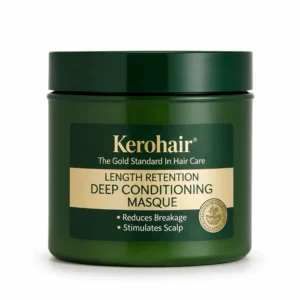
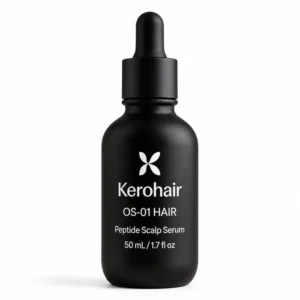
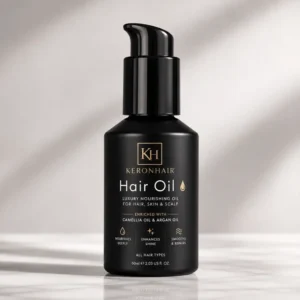
I include Keronhair openly as our own manufacturing company. We work with brands that need private label, OEM/ODM, custom formulation, packaging coordination, sampling, and bulk production across hair care categories.
Our team may be a practical fit when you want to discuss more than one product, such as shampoo, conditioner, hair masks, oils, serums, styling products, or hair color. We begin with the product brief rather than assuming the same solution works for every brand.
Before selecting us, ask for the current MOQ for each SKU, sample process, available testing, packaging responsibilities, formula ownership terms, lead time, and documents for your target market. You can review our hair product manufacturing services before sending your brief.
MANA Products (USA) – Premium Beauty Development and Manufacturing
MANA Products has a long-standing position in American prestige beauty manufacturing. Its published services include contract manufacturing, ready-to-retail products, an innovation lab, and development for skin and hair care.
It may be suitable for established or growth-stage brands seeking premium positioning and structured R&D support. Confirm which current program covers your hair care format, along with minimums, development fees, packaging, testing, and production timing.
HSA Cosmetics (Italy) – Hair Color and Hair Care Expertise
HSA Cosmetics publishes capabilities across hair color, scalp care, treatment, styling, private label, and contract manufacturing. Its Italian positioning may appeal to brands building a professional or premium product range.
HSA also publishes different minimums by formula category and finished pack. Convert every proposal into the same units-per-SKU and landed-cost basis before comparing it with other suppliers.
RainShadow Labs (USA) – Natural-Positioned Private Label Hair Care
RainShadow Labs offers stock hair care formulas as well as semi-custom and custom development routes. Its published range includes shampoos, conditioners, oils, scalp treatments, and styling products.
This may suit salons, spas, retailers, and new brands that want to test a stock formula before investing in a more customized product. Ask what can be changed, who supplies packaging, and whether packaging compatibility testing is included.
Radical Cosmetics (USA) – Confirm the Current Hair Care Scope
Radical Cosmetics publishes experience in cosmetic development, manufacturing, and packaging, with a visible focus on color cosmetics and skin care. If you are considering the company for hair care, confirm its current hair-care-specific product range and production experience before adding it to your final shortlist.
This is an important sourcing lesson: broad cosmetic manufacturing experience does not automatically prove expertise in every hair care format.
Thai Herbal (Thailand) – Botanical Hair Care Direction
Thailand can be relevant for brands interested in botanical and herbal product concepts. Ingredients such as lemongrass and butterfly pea can support a distinctive product story when the formula, claims, sourcing, and stability are properly evaluated.
Because “Thai Herbal” can refer to more than one business or supplier identity, verify the legal company name, factory address, licence, certificates, exact hair care range, and export experience before proceeding.
Cosmetize (UK) – Wholesale Distributor for Established Brands
Cosmetize is useful to consider when you need access to established beauty and hair care brands through a retail or wholesale channel. Its service model is different from a factory that develops or manufactures products under your own brand.
If your goal is to stock existing salon products, a distributor may be appropriate. If your goal is private label or custom formulation, compare manufacturers instead. Keeping these supplier types separate will make your quotations and timelines easier to evaluate.
Dreamline Beauty (USA) – Professional Private Label Hair Care
Dreamline Beauty focuses on pre-formulated, custom-branded professional hair care. Its published offer includes shampoos, conditioners, treatments, styling products, sprays, serums, and branding support.
It may be practical for salons and professional-channel businesses that prioritize speed and a manageable opening range. Confirm the current minimum for your chosen product, label or decoration method, delivery territory, and whether the formula is available to other brands.
Guangzhou Meidu (China) – Production Scale and Cost Evaluation
Guangzhou is a major cosmetics manufacturing center, and companies in the region may appeal to buyers seeking supply-chain flexibility and volume production. Guangzhou Meidu has been associated publicly with hair care and hair color supply.
Before relying on claims about scale or cost efficiency, verify the legal company, factory address, production licence, current certificates, relevant production lines, capacity, test reports, and export documents.
Orean Personal Care (UK) – Private Label and Bespoke Manufacturing
Orean Personal Care publishes private label, bespoke formulation, packaging, and manufacturing capabilities in the UK and USA. It may suit premium brands seeking a collaborative development process across hair care and personal care.
Orean states that clients own their intellectual property. Even so, formula ownership, confidentiality, transfer rights, change control, manufacturing site, testing, and minimums should appear clearly in the final agreement.
OEM vs Private Label Hair Care Suppliers: What’s the Difference?
Working from Guangzhou, I receive this question from brand founders regularly. After years in the industry, I can say that misunderstanding the development model is one of the fastest ways to create budget and timeline problems.
Definition of OEM Hair Care Manufacturing
OEM usually means that the buyer provides a formula, specification, or established product requirement and the factory manufactures it. However, suppliers use the term differently. Confirm who provides the formula, who owns it, what testing is required, and whether the process can be transferred.
What Is Private Label in Hair Care?
Private label usually offers a faster route to market. You select an existing or adaptable formula from the supplier’s catalog and sell it under your own brand. Because the base formula already exists, development can be simpler and the MOQ may be more manageable.
Which Model Is Better for Your Business?
Your choice depends on your capital, timeline, differentiation goals, and forecast. If you want to test the market quickly, private label may be appropriate. If your brand depends on a specific performance target or proprietary concept, a custom or OEM route may be worth the additional development work.
The terms OEM, ODM, private label, and custom formulation are not used consistently across the industry. Compare the written scope rather than the label alone. Our guide to private label MOQ, sampling, packaging, and lead time explains these trade-offs in more detail.
Where to Find Reliable Hair Care Suppliers
Finding suppliers is not difficult, but finding one that fits your project requires careful screening. In my experience, the strongest partners are not always the loudest advertisers.
Online B2B Platforms
Alibaba, Global Sources, and Made-in-China can help you build an initial list. Platform badges can support discovery, but they do not replace checking the legal entity, business licence, production site, certificate scope, samples, and references.
Send the same request for quotation to several suppliers. Include your product type, target customer, formula direction, target market, packaging, fill size, quantity range, and expected launch date so the replies are comparable.
Trade Shows and Beauty Expos
Events such as Cosmoprof, Cosmoprof Asia, China Beauty Expo, and in-cosmetics can help buyers meet manufacturers and ingredient suppliers in person. Use the meeting to review product textures, packaging, documents, and technical responses rather than relying only on booth presentation.
Direct Manufacturer Outreach
Some specialized factories receive most business through referrals or direct outreach. LinkedIn, industry directories, supplier websites, and factory visits can reveal suitable options. A live factory tour is useful, but it should support document and sample verification rather than replace it.
How to Vet a Hair Care Supplier Before You Sign Anything
I use a “trust but verify” approach. Before paying a deposit, check the product, company, factory, documents, packaging, and contract as one connected system.
Request Samples and Conduct Product Testing
- Test more than one sample round when the formula is being customized.
- Define acceptance points such as appearance, scent, texture, pH where relevant, viscosity, lather, slip, rinse feel, hold, and packaging function.
- Ask what stability, microbiological, compatibility, and performance testing is included.
- Approve a final reference sample and written specification before mass production.
Verify Certifications and Conduct Factory Audits
- Check that certificates are current, readable, issued to the correct legal entity, and cover the actual manufacturing site and activity.
- ISO 22716 provides guidelines for cosmetic production, control, storage, and shipment. A logo alone is not proof; verify the certificate scope.
- For US projects, remember that cosmetic facility registration and product listing are not an FDA approval program. Confirm responsibilities using the FDA’s current cosmetic registration and listing guidance.
- If you cannot visit the site, request a live video tour and consider an independent audit or pre-shipment inspection when the order risk justifies it.
Review Client Feedback and Case Studies
- Ask for experience with a similar product format, market, and order size.
- Review how the supplier handled formula revisions, packaging problems, delays, and corrective actions.
- Look for specific process evidence rather than generic testimonials.
How to Choose the Perfect Hair Care Supplier for Your Business
Finding your perfect partner is about alignment. Let’s look at my condensed strategy for choosing your 2026 manufacturing team.
- Define your business needs and goals: Decide whether you need a fast private label launch, a modified formula, or custom development.
- Consider your target market and customer: Your supplier must understand the intended user, sales channel, and claim direction.
- Evaluate product quality and ingredient standards: Review the formula, raw-material controls, testing, specifications, and traceability.
- Compare pricing, MOQs, and payment terms: Compare total landed cost, not only the unit price.
- Assess shipping and logistics: Confirm production milestones, material lead times, cartons, Incoterms, freight, and reorder planning.
- Check communication and support: Look for clear answers, a named project owner, and a documented escalation process.
- Request samples before committing: Test the product with the intended packaging and approve a final reference before bulk production.
For a more detailed factory screening process, read our guide on how to choose reliable hair product manufacturers.
If Indonesia is the planned sales market, narrow a global supplier list against the local product and supply responsibilities. Our Indonesian-brand manufacturer guide compares local and overseas development partners using that market context.
Questions to Ask Before Choosing a Hair Care Products Supplier
A supplier’s first quotation rarely tells you enough to make a safe decision. I recommend sending the same questions to three to five shortlisted suppliers. Their answers will show not only what they can produce, but also how carefully they understand your brand, market, and potential risks.
Product and Formula Questions
- Do you offer stock formulas, modified formulas, fully custom development, or contract manufacturing from a buyer-supplied formula?
- Which hair types, use cases, and product formats does your R&D team work with most often?
- How many sample rounds are included, and what happens if the first sample does not meet the approved brief?
- Which claims can be supported by the formula and available test evidence?
- Who owns the formula, and can the brand transfer it if the manufacturing relationship changes?
MOQ, Packaging, and Commercial Questions
- What is the MOQ for each formula, fill size, packaging type, color, fragrance, and SKU?
- Does the quotation include bottles, pumps, labels, cartons, testing, assembly, and export packing?
- Will the supplier test the formula with the final bottle, pump, cap, liner, label, and decoration?
- Which costs are one-time charges, and which costs will repeat on future orders?
- What payment milestones, Incoterms, production lead time, and material lead times apply?
Quality and Production Questions
- Which legal company will sign the contract, receive payment, and manufacture the products?
- Can you provide current certificates and explain which factory and activities they cover?
- Which stability, microbiological, compatibility, and finished-product tests are included?
- How are raw-material changes, formula changes, packaging changes, deviations, and complaints documented?
- Can we approve a final reference sample and written specification before mass production?
The quality of the questions a supplier asks you is also revealing. A responsible manufacturer should want to understand your target customer, benchmark, sales market, packaging, claims, order forecast, and launch date. If a supplier gives a final price before clarifying these points, compare the quotation carefully for missing assumptions.
How Keronhair Supports Private Label and OEM/ODM Hair Care Projects
At Keronhair, we do not believe brand building starts with placing a logo on a bottle. It starts with defining who the product is for, what experience it should deliver, how it will be positioned, and what the business can realistically support.
We Begin with a Clear Product Brief
When a brand approaches us, we first review the product category, target hair type or concern, preferred ingredients, texture, fragrance, benchmark products, target market, packaging direction, expected quantity, and launch schedule. This helps us discuss whether a private label, modified formula, OEM/ODM, or custom formulation route is more appropriate.
A clear brief also protects the brand’s identity. Two businesses may both request a moisturizing shampoo, but a salon line, a curl-care brand, and a mass-market ecommerce product can require very different sensory profiles, packaging, pricing, and communication.
We Connect Formula, Samples, and Packaging
Formula development and packaging should not be treated as separate decisions. Viscosity affects pump selection, ingredients can interact with packaging materials, and label or bottle choices can affect cost and lead time. We use the sampling stage to discuss product feel and packaging feasibility together before the project moves toward bulk production.
We also encourage buyers to document sample feedback clearly. Instead of saying a sample should feel “more premium,” it is more useful to specify whether it needs richer texture, easier rinse, lower residue, stronger fragrance retention, denser lather, or a different finish. Specific feedback helps the development team respond efficiently.
We Plan for the Product Line, Not Only the First Order
A first order matters, but consistency, reorders, and future line extensions matter too. For brands considering shampoo, conditioner, masks, oils, serums, styling, or hair color, we can discuss how formulas, fragrance, packaging, and positioning work together as a recognizable collection.
If the proposed range includes an oil or serum, compare suppliers against that product’s packaging and sensory requirements. The hair oil manufacturer guide provides a focused shortlist and the questions to verify before outreach.
Keronhair may be worth evaluating if you want one manufacturing conversation across product development, packaging coordination, samples, and production. We still recommend that you verify our current MOQ, certificates, testing scope, formula terms, lead time, and target-market documents just as you would with any supplier on this list.
If you want to understand how these decisions work in a real launch process, review our private label shampoo project case study. Then send us your project brief so we can evaluate whether our manufacturing model fits your brand.
Final Thoughts
Finding the right hair care supplier takes time, but it is one of the most important decisions for your brand. Use this 2026 list as a starting point, then compare candidates with the same product brief, questions, samples, and documentation requirements.
At Keronhair, we believe a useful manufacturing conversation should begin with your real project rather than a generic catalog. If you share your target market, product types, formula direction, packaging reference, quantity per SKU, and launch date, we can discuss whether private label, OEM/ODM, or custom formulation is the most practical route.
FAQ
What Is the Average MOQ for Hair Care Products?
MOQ varies by supplier, formula batch size, product format, fill size, packaging, color, decoration, and units per SKU. Stock private label may start lower than custom development, but buyers should request a written MOQ breakdown for the exact project.
How Long Does Production Usually Take?
Private label can move faster because the base formula already exists. Custom projects usually require more sampling, testing, packaging procurement, and approval time. Ask the supplier for milestones, dependencies, and the production schedule in writing.
Can I Create a Custom Formula?
Yes, many OEM/ODM and custom formulation manufacturers support original product development. Expect a clear brief, sample rounds, testing, packaging compatibility work, and agreed formula ownership terms before mass production.
How Do I Ensure Product Quality?
Verify the factory and quality documents, approve a written specification and final sample, understand the testing plan, check packaging compatibility, and inspect the finished batch when appropriate. Quality should be defined in measurable requirements, not only described with marketing terms.