You don’t need to develop a shampoo from scratch to sell one under your own brand. White label shampoo lets you start with a supplier’s existing formula, then arrange authorized branding and packaging for your business.
The harder question is whether that formula deserves your name on it. You still need a product customers want to buy again, a realistic budget, and clear responsibilities before selling. Here’s how to choose an existing formula, build a distinctive brand around it, and plan your first order without paying for development you may not need.

What Is White Label Shampoo?
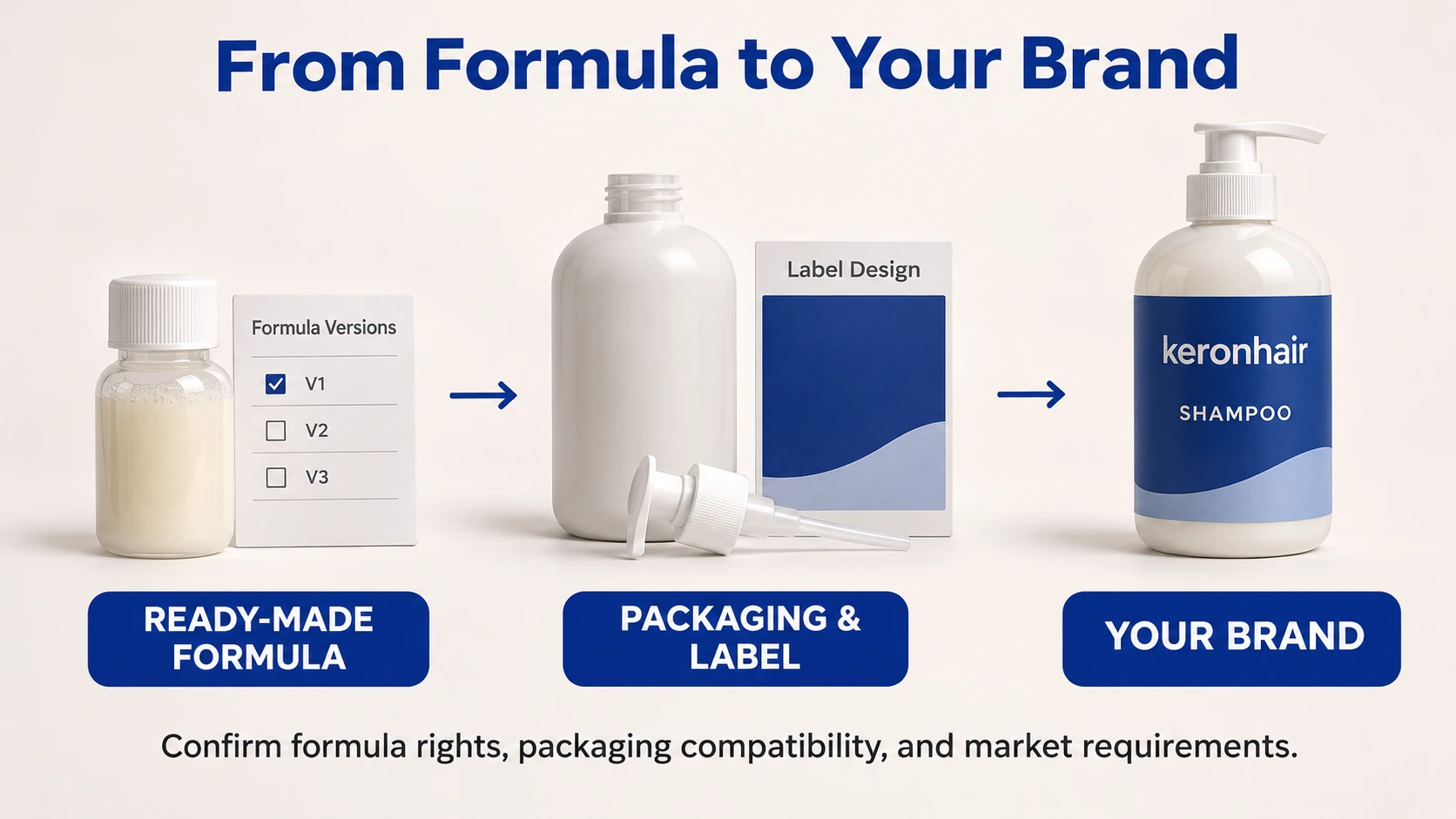
White label shampoo is an existing shampoo formula that a supplier allows other businesses to sell under their own brands. Depending on the arrangement, you may choose from approved packaging and labeling options. The formula is generally nonexclusive unless your agreement specifically says otherwise.
“Ready-made” describes the formula, not necessarily the inventory. A supplier may manufacture your order after you approve the details rather than ship bottles already sitting in a warehouse.
You are buying an authorized own-brand product, not simply covering another retail brand’s label. Confirm that permission before commissioning artwork.
How Does It Compare with Private Label and Custom Shampoo?
Suppliers use “white label” and “private label” differently. Some use both terms for existing formulas; others reserve private label for more flexible development. Compare what the supplier will actually deliver, not just the service name.
| Production route | Formula starting point | Changes to confirm | Development and rights |
|---|---|---|---|
| Existing-formula branding | An established supplier formula | Available bottles, labels, and pack sizes | Less formulation work; exclusivity requires agreement |
| Formula adaptation | An existing formula with requested changes | Fragrance, ingredients, texture, or other adjustments | Assessment and additional validation may be needed; rights remain contractual |
| Custom development | A formula developed against your brief | Performance targets and formulation constraints | More development work; ownership and exclusivity still need negotiation |
If you are also considering reselling another company’s finished products, our guide to wholesale and private label shampoo sourcing explains that separate purchasing decision.
Is White Label Shampoo a Good Fit for Small Businesses?
White label shampoo for small businesses makes sense when an available formula fits a clearly defined customer need. It is less suitable when your main selling point requires a unique ingredient system or exclusive performance.
The decision is primarily about fit: check whether the supplier’s existing shampoo meets your customers’ needs, whether the available packaging supports your sales channel, and whether your expected order volume is commercially manageable. If a particular formula feature is essential and unavailable, a standard white label route may not be suitable.
Lower development demands do not remove your responsibilities. The FDA’s guidance for small cosmetics businesses explains that safety and labeling obligations still apply in the United States.
Before choosing a range, check private label shampoo MOQ requirements at both the product and packaging level. A manageable formula minimum can still come with a larger packaging commitment.
Where to Buy White Label Shampoo
You can source through manufacturers, private-label service providers, or supplier marketplaces. Start by identifying what you need delivered: bulk liquid, filled bottles, or retail-ready products.
- Manufacturers with existing formulas: Ask which shampoos are currently available for own-brand orders and which packaging options they support.
- Private-label service providers: Check whether the quote includes filling, labels, packaging coordination, and any document support you need.
- B2B marketplaces and trade shows: Use them to find candidates, then verify the contracting company, actual producer, and scope of supply.
A bulk-liquid quotation is not comparable with a finished-bottle quotation until you include the missing work. If you are still deciding between these formats, see where to buy shampoo in bulk.
How to Find the Best White Label Shampoo Manufacturers for Your Brand
The best white label shampoo manufacturer is the one whose available formulas, packaging responsibilities, and order structure match your launch plan. These three suppliers illustrate different ways to get started—not a ranking of product quality.
- Keronhair: A Guangzhou-based shampoo manufacturer offering established-formula private labeling, formulation adjustments, and packaging coordination. It may suit brands that want one team to discuss formula selection, bottles, labels, and production requirements together. Confirm which existing-formula combinations are available for your project.
- Pravada Private Label: Its private label process starts with existing formulas and offers fragrance, packaging, and label options, with separate semi-custom and custom paths. This is worth comparing if you prefer to choose a defined product before considering deeper development.
- RainShadow Labs: Its private label shampoo range includes stock formulas and a separate custom-formulation route. It states that it does not supply packaging, making it more relevant if you can coordinate bottles, filling, and other finishing work.
The difference is not simply who advertises the lowest starting quantity. Ask whether you will receive bulk shampoo, filled bottles, or labeled retail-ready units, and compare quotations for the same scope. For a broader shortlist, see private label shampoo manufacturers for small businesses.
How to Build Your Shampoo Brand in Six Steps
Choose the product before investing heavily in its presentation. These six steps help you connect the washing experience, brand promise, packaging, and sales plan. Complete the pre-sale checks later in this guide before launching.
Step 1: Define One Customer and One Product Promise
Start with a customer you can describe without saying “everyone.” Think about how they wash their hair, what frustrates them, and what they expect afterward.
Write a short product brief that identifies the intended customer, wash frequency, preferred cleansing and rinse feel, fragrance requirements, and sales channel. Separate requirements the shampoo must meet from preferences you can adjust after evaluating samples. Keep consumer-facing claims tied to evidence rather than product aspirations.
Avoid loading the first bottle with unrelated promises. A narrower brief makes sample selection easier and helps customers understand why the product belongs in their routine.
Step 2: Choose a Formula That Fits the Washing Experience
Evaluate the complete washing experience, not just a fashionable ingredient on the label. Notice how the shampoo spreads, rinses, smells during use, and leaves hair feeling within the intended routine.
Compare samples under reasonably consistent conditions. Record the formula code, sample version, amount used, and accompanying conditioner. Otherwise, a change in routine can look like a difference between formulas.
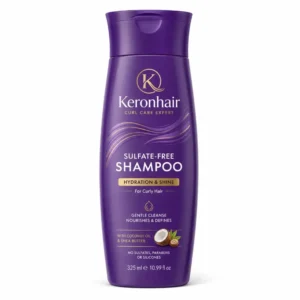
For a U.S.-market sulfate-free shampoo, daily conditioner, and repair mask collection, Keronhair’s development work covered cleansing feel, foam, viscosity, rinse feel, and coordinated sample feedback. Keeping the formula version and evaluation notes together allowed product and packaging decisions to be reviewed against the same approved specifications.
Personal trials help you judge product fit; they do not replace safety substantiation or establish broad performance claims. Ask what evidence supports the benefits you want to communicate.
Step 3: Give Customers a Reason to Choose Your Brand
A shared formula can support a distinct offer, but a new label does not make the chemistry exclusive. Your differentiation can come from thoughtful selection, useful instructions, convenient formats, or service that helps customers use the product well.
Focus your differentiation on brand elements you can actually control and substantiate:
| Brand element | What you can develop | What must be verified |
|---|---|---|
| Product positioning | A clearly defined target customer and washing routine | The formula’s suitability and support for stated benefits |
| Packaging and presentation | Available bottle formats, closures, artwork, and readable directions | Packaging compatibility, labeling requirements, and supplier-approved options |
| Customer experience | Accurate product guidance, product pairing, and after-sales support | Product availability, fulfillment responsibilities, and consistency with the delivered formula |
A well-chosen bottle, useful instructions, and reliable supply can provide recognizable value without describing a shared formula as exclusive or claiming benefits that have not been substantiated.
Step 4: Finalize Packaging Around the Formula You Chose
Choose a bottle and closure that suit the product, then review appearance. Check dispensing, leakage, label readability, and handling with wet hands. Ask what compatibility and transport checks apply to the proposed combination.
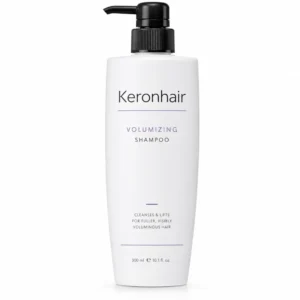
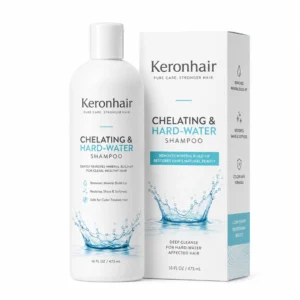
Formula and packaging decisions belong in the same conversation. For the three-product hair care collection, bottle and jar options, labels, and packaging finishes were reviewed alongside texture and sample feedback, keeping packaging development aligned with formula decisions. Changing a closure or container requires the final formula-to-package combination to be assessed rather than assuming approval of another combination still applies.
A stock bottle may simplify sourcing, but it still needs to work with your shampoo. Likewise, changing fragrance is a formula change, not merely an artwork update; the supplier should assess its implications.
Our guide to shampoo customization options explains what you can discuss. Confirm which options belong to the existing-formula service and which require development.
Step 5: Launch Through a Channel You Can Learn From
Choose a launch channel where you can track questions, completed purchases, feedback, and repeat orders. Use the customer relationships and sales infrastructure your business already has, and make sure the finished product is ready for sale before accepting orders.
Ask customers whether the washing experience matched the description and whether the bottle was easy to use. Follow up on complaints so you can distinguish a product problem from unclear instructions or a damaged delivery.
Social engagement can guide messaging, but it is not the same as paid demand. Keep the opening assortment manageable while you learn what people buy and why.
Step 6: Use Reorders to Decide What to Improve
Before changing the formula, classify feedback by its source: cleansing performance, fragrance, packaging operation, instructions, delivery condition, or order fulfillment. A packaging issue calls for a different corrective action from a formula-performance issue.
Track feedback against product and batch details. Discuss repeat issues with the supplier and agree on how changes will be documented and approved.
Build reorder planning around actual sales, stock on hand, and confirmed lead times for both the shampoo and its packaging. Adding fragrances or bottle sizes too early can divide demand across several minimum orders without improving the core product.
What Does It Cost to Launch a White Label Shampoo?
Your launch cost is more than the quoted price per bottle. Separate one-time setup expenses from recurring costs, and ask every supplier to quote the same deliverables.
- Samples and delivery: Include any evaluation rounds you expect to need.
- Product and filling: Confirm whether the price covers bulk liquid or finished units.
- Packaging and artwork: Include bottles, closures, labels, cartons, setup fees, and unused component commitments.
- Required reviews and evidence: Budget for applicable label review, documentation, and any additional testing identified for your project.
- Freight and import costs: Confirm shipping terms and who pays each charge.
- Selling costs: Allow for fulfillment, transaction fees, returns, and customer acquisition.
Contribution per sale = net sales revenue − landed product cost − other variable selling costs.
Use your actual supplier quotation, freight charges, selling price, and channel fee schedule in that calculation. Landed cost should reflect the costs needed to bring each saleable bottle into inventory, while transaction fees, fulfillment, and variable marketing expenses belong on the selling side.
Keep one-time expenses—such as design, sampling, artwork setup, and initial product documentation—separate from the per-sale calculation. Also record packaging minimum purchases that exceed the number of bottles filled in your first order. A lower unit price or smaller MOQ does not, by itself, establish a lower total cash commitment or a profitable launch.
What Should You Verify Before Selling?
An available formula is only one part of a sale-ready product. Before placing the production order, clarify your rights, the finished specification, and who handles each obligation in your target market.

Confirm Formula Rights and Supply Responsibilities
Get written confirmation of your right to sell the product under your brand. Distinguish formula ownership from permission to use it, and confidentiality from exclusivity. An NDA alone does not establish exclusive supply rights.
Record the approved formula code, packaging version, reorder terms, and change-notification process. Agree on traceability, complaint handling, and responsibility if a supplied component becomes unavailable.
Our explanation of how shampoo is manufactured and checked provides context for those production discussions.
Check the Finished Product, Label, and Claims
Ask whether the available evidence covers the product you will actually sell. Existing information may be relevant, but a different formula, package, or intended use can change what needs assessment.
- Confirm the final formula, packaging specification, and approved reference sample.
- Review applicable safety, stability, microbiological, and packaging evidence with qualified support.
- Check the ingredient declaration, required label information, directions, and claims for the destination market.
- Assign responsibilities for batch records, complaints, and applicable regulatory duties.
A batch certificate of analysis does not, by itself, establish every aspect of product safety or shelf life. For U.S. sales, the FDA guidance cited above explains safety substantiation and labeling responsibilities. Have proposed treatment claims reviewed before using them; they can change the product’s regulatory classification.
When Should You Move Beyond a Ready-Made Formula?
Consider development when available formulas cannot meet an essential customer need, ingredient requirement, or documented performance target. Growing sales alone do not mean you must replace a product customers already like.
First ask whether better instructions, packaging, or supplier coordination would solve the problem. If the limitation is genuinely in the formula, prepare a development brief based on specific feedback.
Ready to evaluate a shampoo for your brand? Send Keronhair your target market, intended customer, desired washing experience, preferred bottle size, and estimated quantity per SKU. Through our shampoo manufacturing services, we can help you determine whether an existing formula and available packaging meet the brief—or whether an adjustment or new development route is worth discussing. Ask for a written scope covering samples, packaging, responsibilities, and the total first-order commitment before production.
Frequently Asked Questions
These are useful questions to resolve before approving samples or placing an order. The answers depend on your supplier agreement, selected product, and destination market.
Can I Put My Own Label on Ready-Made Shampoo?
Yes, with the supplier’s authorization and an appropriate own-brand arrangement. Confirm labeling responsibilities and formula-use rights. Buying another brand’s retail shampoo does not automatically give you permission to relabel it.
Can I Buy White Label Shampoo Without a Large MOQ?
Some suppliers offer smaller orders, but minimums vary by formula, bottle, label, and service package. Ask for both the finished-product minimum and any separate packaging commitment.
Can I Change the Fragrance or Ingredients?
Sometimes. Changes depend on the supplier’s service and may require reformulation, additional assessment, different minimums, or extra time. Do not assume a fragrance change is included in standard white-label pricing.
Will Other Brands Sell the Same Formula?
They may. Existing formulas are often available to multiple brands. If exclusivity matters, negotiate its scope, duration, territory, and conditions in writing before ordering.
How Long Does It Take to Launch?
Timing depends on samples, approvals, packaging availability, production, required reviews, and shipping. Request a project schedule tied to agreed milestones rather than relying on a general website estimate.
Is White Label Shampoo Profitable?
It can be, but profitability depends on selling price, landed cost, customer acquisition, fulfillment, returns, and repeat demand. Calculate contribution per sale before deciding whether a supplier’s quote works.
Do Ready-Made Formulas Still Need Testing?
They still need adequate supporting evidence. Relevant existing data may help, but qualified assessment should determine whether your formula, packaging, intended use, or market requires additional testing.
References & Sources
The supplier information above is based on Pravada’s official Private Label Process and RainShadow Labs’ Private Label Shampoos page. U.S. cosmetics safety and labeling responsibilities are discussed in the FDA’s Small Businesses & Homemade Cosmetics Fact Sheet. These sources are linked at the relevant points in the article.