Your scalp is skin — sensitive, absorbent, and worth protecting. It’s something I remind every client before they reach for a product that’s been sitting in a drawer for months. And it’s the reason I take the question does hair dye go bad so seriously.
Over the years, I’ve watched well-meaning people deal with patchy results, unexpected tones, and real scalp irritation — all because of one overlooked factor: the condition of their dye before it ever touched their hair. This guide is the conversation I have with every client who colors at home. Honest, practical, and completely on your side.
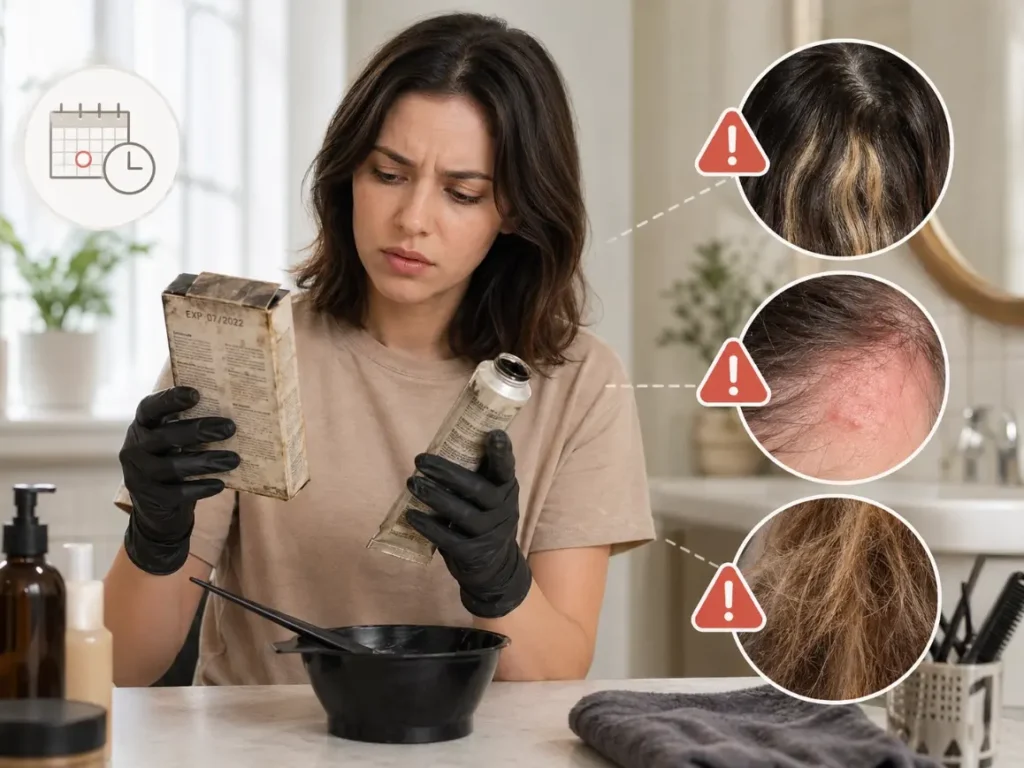
Does Hair Dye Actually Expire?
Yes — and it’s something more people should know before reaching for a forgotten box at the back of a cabinet.
Hair dye is a carefully balanced blend of reactive chemicals, conditioning agents, and preservatives. The moment that balance is disrupted — by time, heat, or air exposure — the formula begins to break down. So can hair dye expire in a way that actually affects you? Absolutely.
It doesn’t go bad the way food does. You won’t always notice an obvious smell or see visible mold. But the chemical degradation is real, and its effects range from disappointing color results to more serious concerns like scalp irritation. Understanding why dye expires is the first step toward making smarter, safer choices every time you color.
If you’re sourcing products for professional use, it’s also worth working with a reputable hair dye manufacturer who follows proper stability testing and packaging protocols — this makes a significant difference in real-world shelf life.
Opened vs. Unopened: Does the Difference Matter?
It matters more than most people realize. The two states represent very different timelines.
Unopened hair dye benefits from an intact seal that keeps oxygen, moisture, and contaminants out. Most permanent formulas remain stable for 2–3 years from the manufacture date — but even sealed products degrade faster when stored in heat or humidity.
Opened hair dye is a different story. Once a color tube is cracked or a developer bottle is punctured, oxidation begins immediately. An opened color tube should ideally be discarded within 4–6 weeks. A partially used developer bottle is best replaced within 6 weeks to a few months, depending on how well it’s been resealed.
One rule I apply without exception: use the entire kit in a single session. Storing leftover mixed components for a future application almost never delivers reliable results — and it raises real safety questions.
Why Hair Dye Doesn’t Always Have a Printed Expiry Date
This surprises a lot of people. Unlike food or medicine, cosmetics aren’t legally required to carry a hard expiration date in many countries. In the U.S., the FDA doesn’t mandate expiry dates on cosmetics unless the manufacturer makes a specific shelf-life claim. The EU only requires a “best before” date on products with a shelf life of 30 months or less — so longer-lasting products can still reach shelves without one.
So how do you figure out how old your dye actually is? Two tools I always recommend:
- Batch Code — A series of letters and numbers printed on the packaging (usually on the crimped end of a tube or the bottom of a box). Enter it into free tools like CheckFresh to find the manufacture date.
- PAO Symbol — The small open-jar icon followed by a number and “M” (e.g., 12M means safe to use for 12 months after opening). This is your most practical guide for any product you’ve already opened.
The absence of a printed date doesn’t mean a product lasts forever. It simply means the responsibility of tracking freshness falls to you.
How Long Is Hair Dye Good For? A Breakdown by Type
Not all dyes are created equal — and that’s especially true when it comes to shelf life. The more complex the chemistry, the more there is to break down over time. Here’s a straightforward breakdown by category.
Permanent Hair Dye
Permanent color is the most chemically complex type on the market — powerful, but also the most sensitive to degradation.
| State | Shelf Life |
|---|---|
| Unopened | 2–3 years from manufacture date |
| Opened (color tube) | Up to 1 year if tightly resealed and stored correctly |
| Opened (developer) | 6 weeks to 3 months, depending on storage |
Semi-Permanent and Demi-Permanent Color
These gentler formulas don’t use the same high-volume peroxide as permanent dye, which makes them less aggressive — but also somewhat less shelf-stable once opened.
| State | Shelf Life |
|---|---|
| Unopened | 1–2 years from manufacture date |
| Opened | 3–6 months with proper resealing |
Temporary and Wash-Out Color
Temporary products — sprays, gels, mascaras, color rinses — tend to have the shortest shelf life of any category, and yet they’re the ones people pay the least attention to.
| State | Shelf Life |
|---|---|
| Unopened | 6–12 months from manufacture date |
| Opened | 3–6 months; sooner for water-based formulas |
Natural and Henna-Based Dye
Natural dyes follow completely different rules from their synthetic counterparts — and they’re the category most often mishandled when it comes to storage.
| State | Shelf Life |
|---|---|
| Dry henna powder (sealed) | 2–3 years in a cool, dark, airtight environment |
| Dry henna powder (opened) | 6–12 months; degrades faster with air and moisture |
| Pre-mixed henna paste | Must be used within 24–72 hours, even when refrigerated |
Can Hair Dye Go Bad Before the Expiration Date?
Yes. A printed expiration date assumes the product has been stored as directed. Hair dye may go bad sooner when exposed to excessive heat, direct sunlight, moisture, air, contamination, or damaged packaging. Therefore, the date should not be your only check.
Check Before Use
Packaging: Avoid products with leaks, cracks, swelling, or broken seals.
Formula: Stop if the smell, color, separation, or texture changes unexpectedly.
Storage history: Replace it if you do not know how it was kept.
Keep hair dye tightly closed in its original container and store it in a cool, dry place away from sunlight and humidity.
5 Signs Your Hair Dye Has Gone Bad
Knowing the shelf life guidelines is one thing. Being able to assess what’s right in front of you is another. These five warning signs are the ones I always come back to — they cover smell, texture, appearance, developer activity, and packaging. If your product raises even one flag, take it seriously.
1. An Unusual or Foul Smell
Your nose is one of your most reliable tools here, and it takes less than five seconds.
Fresh permanent color has a sharp, chemical scent — often ammonia-forward or slightly medicinal. Semi-permanent and temporary formulas tend to be milder, sometimes faintly floral. Henna smells earthy and herbaceous, like freshly cut grass or green tea.
Watch out for: a rancid, sour, or fermented odor (a strong indicator that preservatives have broken down and microbial activity has begun), a noticeably flat smell in henna (suggesting active compounds have already degraded), or any smell that simply seems different from when you first opened the product.
One important note: ammonia-free formulas can be trickier to assess by smell alone. For those, rely more heavily on the signs below.
2. Separated, Clumpy, or Watery Consistency
Texture is one of the clearest physical indicators of a formula that has broken down.
Healthy permanent color cream should be smooth, uniformly thick, and easy to dispense. Developer should be a thin, consistent liquid — similar to a light lotion. Semi-permanent formulas should match the consistency described on the packaging.
Red flags: visible liquid pooling at the top or bottom of the tube (emulsifier failure), a gritty or lumpy texture that doesn’t smooth out, a cream that dispenses as thin liquid, or product that comes out in uneven bursts. If shaking or kneading temporarily restores consistency but separation returns quickly, that’s irreversible formula breakdown — not something that fixes itself mid-application.
3. Discoloration of the Product Itself
This is one of the most visually striking signs of out of date hair dye, and one of the most commonly misunderstood.
A cream formula that has turned grey, brown, or darker than expected has likely undergone premature oxidation — the color reaction has already begun outside the hair. Developer that has taken on a yellowish tint has started to degrade (fresh hydrogen peroxide developer is clear to very slightly milky). Henna paste that has darkened significantly beyond its initial olive-green tone may have over-released its lawsone content, leaving little color payoff for actual application.
The result? A weakened, unpredictable formula that can produce faint, patchy, or entirely unexpected color on your hair.
4. A Developer That’s Gone Flat
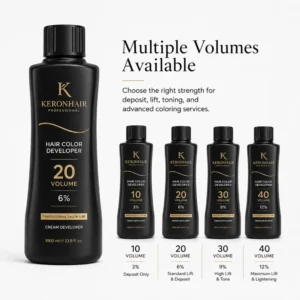
Of all the components in a permanent color kit, the developer deserves the closest attention. Hydrogen peroxide is inherently unstable — it wants to break down, and it will, given enough time and air exposure. A compromised developer doesn’t just mean poor results; it means the entire chemical lifting process simply won’t happen as it should.
Signs of degraded developer: no resistance when the bottle is first opened (a fresh, sealed bottle typically has slight positive pressure), liquid that appears thinner or more watery than usual, faint or unusual odor, or visible cloudiness in a product that was previously clear.
Quick at-home test: Place a small drop of developer on a dark, non-porous surface and observe for 30–60 seconds. Active developer will fizz or bubble visibly. Degraded developer will sit completely flat. If the result is flat or barely reactive, replace it — no color result will compensate for an inactive lifting agent.
5. Swollen, Damaged, or Compromised Packaging
The packaging itself can tell you a great deal about what’s happened to the product inside — often before you’ve even opened it.
Look for: swollen or bulging tubes (internal gas buildup from bacterial activity or chemical breakdown — discard immediately), seals that appear previously opened or tampered with, rust or leakage around the cap or crimp, and cracked or brittle tubes from temperature extremes.
Intact packaging is the first line of defense for formula stability. Even a product within its stated shelf life can degrade significantly if the packaging has been compromised. I always do a quick visual check of the exterior before anything else — it takes seconds and can prevent an ineffective or uncomfortable application.
What Happens If You Use Expired Hair Dye?
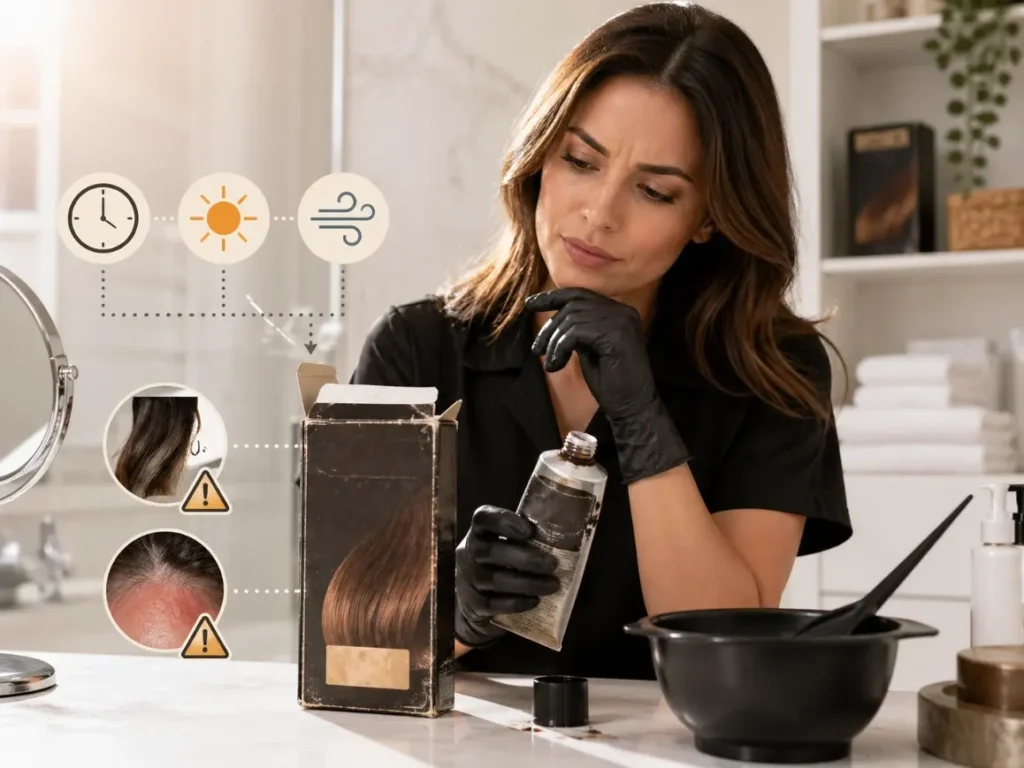
Most people who use out of date hair dye do so without realizing it, simply because the product looked normal enough to pass a casual glance. The consequences generally fall into three categories.
It may simply not work. Expired dye can produce color that’s lighter, patchier, or an entirely unexpected tone. No amount of extra processing time will compensate for a formula that has already degraded.
It can irritate your skin and scalp. Broken-down preservatives invite microbial contamination, while degraded PPD (paraphenylenediamine) can become more reactive than the original compound. This increases the likelihood of sensitivity reactions and contact dermatitis. The American Academy of Dermatology notes that hair dye allergies can develop even in people who have used the same product for years — and compromised formulas raise that risk further.
It can damage your hair. A destabilized formula may lift the cuticle excessively and fail to close it after rinsing, leaving hair porous and prone to breakage — especially if a corrective re-color follows shortly after. Before attempting a correction, it’s worth reviewing how to dye your hair at home safely to avoid compounding the damage.
When to See a Doctor
If you experience swelling of the face or throat, difficulty breathing, severe or spreading hives, blistering, or prolonged scalp burning that doesn’t subside after rinsing, seek medical attention promptly. Bring the product packaging or a clear photo of the ingredient list so your doctor has accurate information to work with.
How to Store Hair Dye Properly
Choosing a quality hair color product is only half the equation — how you store it determines whether that formula actually delivers. Improper storage is by far the most common reason a product underperforms well before its stated shelf life is up.
Temperature and Environment
Temperature fluctuation is one of the fastest ways to destabilize a formula. Aim for cool and consistent — room temperature, ideally between 60–75°F (15–24°C).
- Avoid the bathroom cabinet: heat and steam from daily showers create exactly the kind of swings that accelerate breakdown
- Never store dye in a car or near a heat source, even if the product is still sealed
- A bedroom drawer or linen closet is often the most stable — and most overlooked — storage option in most homes
Light and Humidity
UV exposure degrades both pigment and preservative systems over time. Keep products away from windowsills and countertops that receive direct sunlight — opaque packaging helps, but isn’t foolproof. Humidity accelerates preservative breakdown and encourages microbial growth, particularly in opened products. Silica gel packets placed near stored products can help regulate moisture in enclosed spaces.
Sealing Partially Used Products
Partially used products are where most storage mistakes happen. A few simple habits make a real difference:
- Squeeze out excess air before recapping a color tube; trapped air continues the oxidation process even with the cap on
- Wipe the threads clean before resealing — hardened residue around the cap opening can break the airtight seal over time
- Wrap the nozzle in plastic wrap and secure with a rubber band for added protection between uses
- Store developer bottles upright at all times — even a tightly closed cap can allow slow air contact when the bottle is on its side
- Label opened products with the date you first used them; it removes all guesswork about whether a product is still within a safe window
If you color regularly, it’s also worth thinking about timing — knowing how often you should dye your hair helps you plan purchases more precisely and avoid accumulating products you won’t use in time.
Conclusion
Hair dye does go bad — and recognizing the signs can save you from disappointing results, unnecessary scalp reactions, and damaged hair. Before every use, check for changes in smell, texture, color, and packaging integrity. Store products correctly, respect the timelines, and when in doubt, replace rather than risk it.
For more guidance on color care and product quality, explore the full range of resources at Keron Hair.
Frequently Asked Questions
Can I use hair dye after the expiration date?
A recently expired product showing no warning signs may still perform, but the risk-to-reward ratio is poor. Degraded formulas can deliver uneven color, trigger scalp irritation, or cause unexpected damage. The cost of a fresh box far outweighs the gamble of using one that's past its prime.
Does hair dye go bad in heat?
Yes — heat is one of the fastest ways to destroy formula stability. High temperatures accelerate oxidation in the developer and break down preservatives in the color cream. Never store hair dye in a car, near a window, or in a warm bathroom cabinet, even if the product is still sealed.
What does expired hair dye look like?
Cream formulas may appear grey or brown, while developer loses its clear appearance and turns yellowish. You may also notice separation, clumping, or an unusual consistency. If the product looks noticeably different from when you first purchased it, trust that instinct.
Does the developer expire separately from the color?
Yes — and it almost always expires first. Hydrogen peroxide is inherently unstable and loses potency steadily once exposed to air. Even if the color cream appears fine, a degraded developer means the oxidative process cannot complete properly. Always assess both components independently before starting any color application.
Does hair colour expire if it's never been opened?
Unopened products have significantly longer shelf lives — most permanent formulas remain stable for 2–3 years from the manufacture date. But even sealed products degrade faster in poor storage conditions. Heat, humidity, and UV exposure can all compromise a formula before it's ever opened.