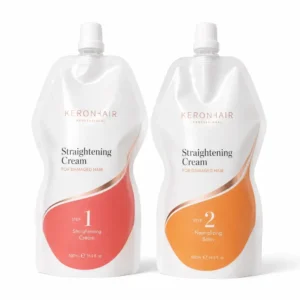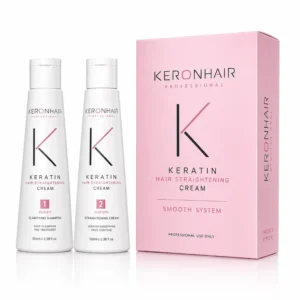
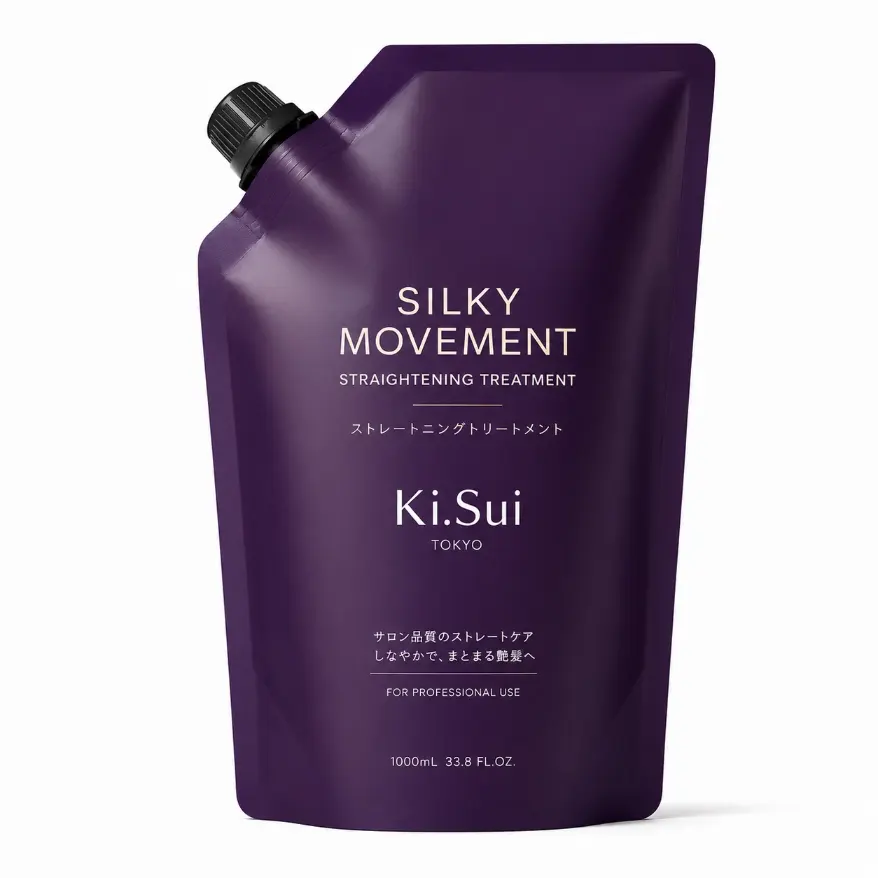
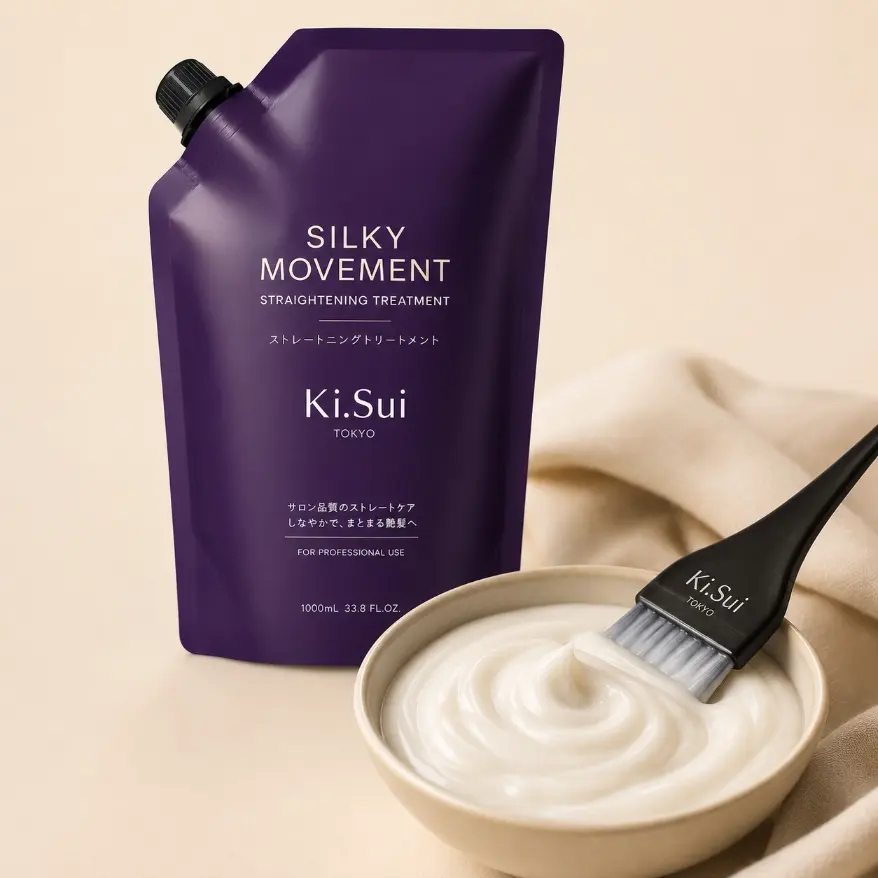
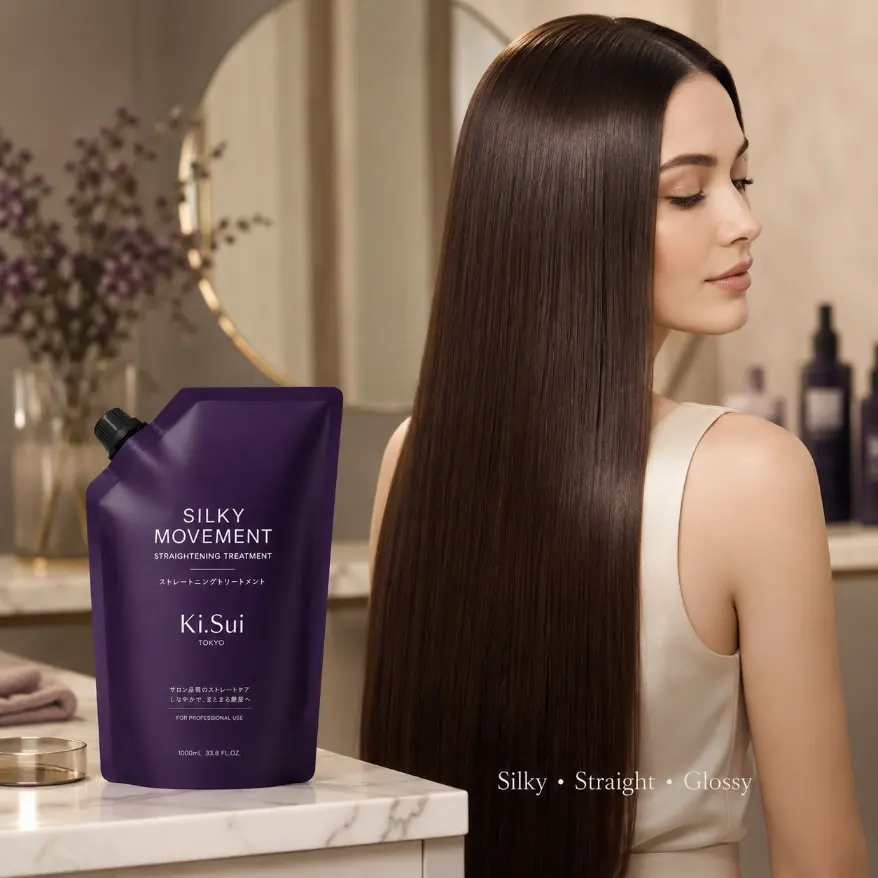
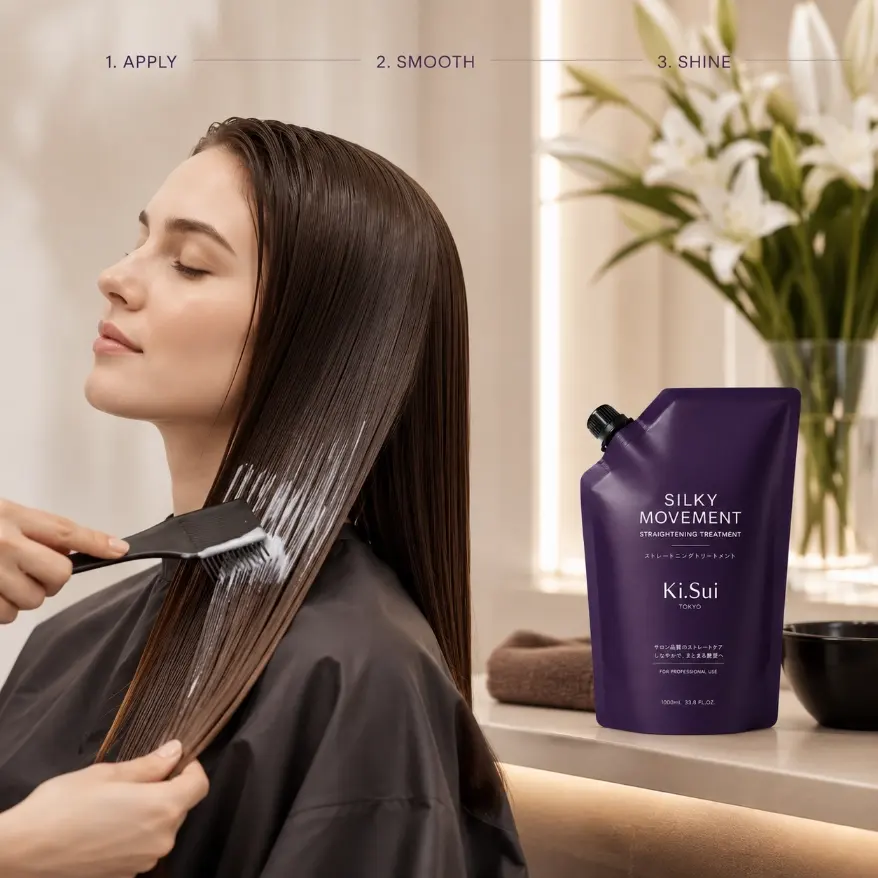
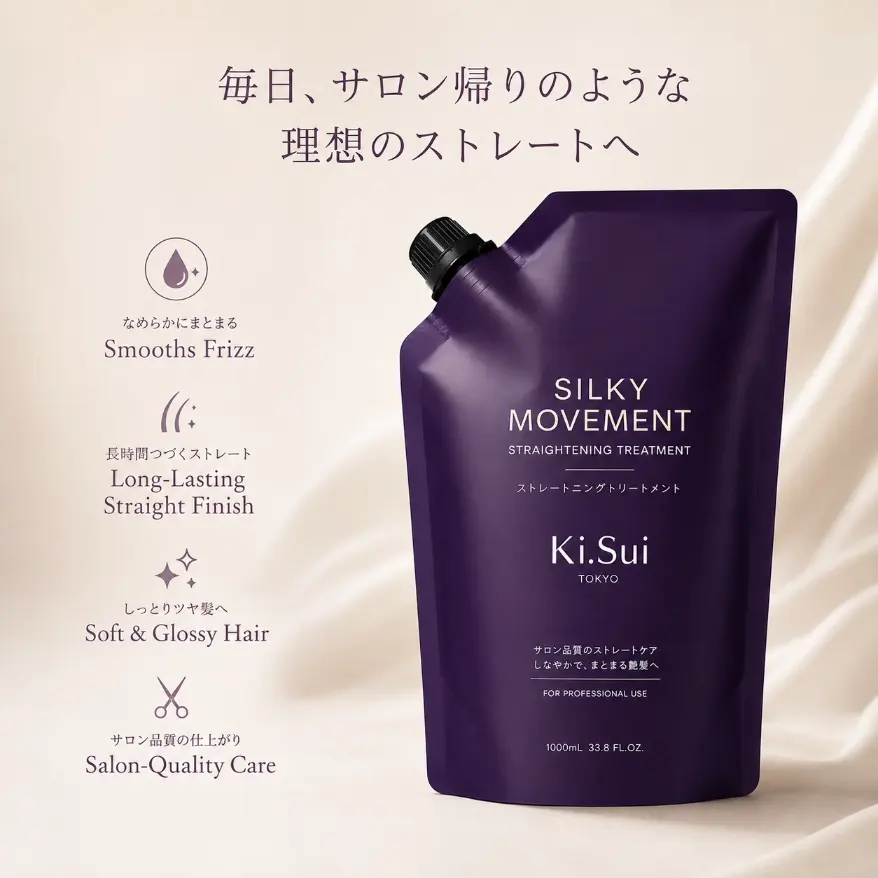
Develop a Japanese-style thermal straightening system with compatible reduction, heat and neutralization steps. Keronhair supports professional projects that require precise service architecture, hair assessment, packaging and repeatable production specifications.
Proven base, semi-custom or custom development aligned with your brief.
Natural, fashion and gray-coverage shades developed for your target market.
Color cream, developer, retail packaging and project documentation.
Japanese straightening, thermal reconditioning, ionic straightening and rebonding are often used as related market terms. The professional service normally combines a chemical reduction stage, controlled drying and ironing, then neutralization. Because each stage affects the final result, selling Step 1 without a compatible Step 2 and complete protocol creates avoidable risk.
Keronhair frames the product as a system. The brief identifies the target degree of straightness, hair type, previous services, intended professional skill level, tool conditions and aftercare so that formula, directions and packaging support the same workflow.
Strength selection cannot rely only on curl pattern. Porosity, density, elasticity, prior color, bleach, relaxer and previous straightening history may change suitability. Overprocessed or incompatible hair can require refusal of service rather than a stronger formula.
Sampling can compare cream spread, softening control, rinsing, neutralizer compatibility, odor and finished feel on defined hair tresses. The approved protocol should include checkpoints and stopping rules appropriate to the system; it should not use a universal time or temperature claim.
Clear step identification is a commercial and safety requirement. Keronhair can coordinate numbered tubes, bottles or jars, differentiated colors, cartons, instruction leaflets and bilingual label content. Sufficient space should be reserved for directions, warnings, ingredient declarations and batch information.
Tool temperature, number of passes, section size and moisture level must follow formula-specific professional guidance. Exact operating values should be published only after the finished system and intended hair profiles have been assessed.
Each component is approved individually and as part of the sequence. Agreed checks may include appearance, odor, pH, viscosity, fill, package compatibility and Step 1/Step 2 performance criteria. Retained samples and a locked specification support repeat orders and change control.
Ready-to-Brand, Semi-Custom and Fully Custom routes are available according to the brief. MOQ and lead time are confirmed for the full component and packaging plan rather than quoted from the category name alone.
Provide the benchmark, target hair profiles, service sequence, heat conditions, strength strategy, pack sizes, market and forecast. Keronhair will map the sample and approval process for the complete system.
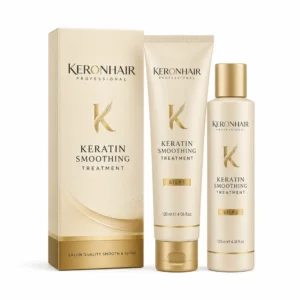
No. Japanese thermal reconditioning typically uses reduction, controlled heat and neutralization to pursue a straighter result, while keratin or Brazilian smoothing treatments may use different chemistry and often focus on frizz control. The systems should not share generic instructions.
Yes, subject to project feasibility. The two steps should be developed, tested, packaged and instructed as a compatible system, with any aftercare products approved separately.
A universal-strength claim is not recommended. The suitable direction depends on hair history, texture, porosity, density, damage and professional protocol. Separate strength options may be evaluated when the project and forecast justify them.
Compatibility must be assessed from the exact previous chemistry and hair condition. Some combinations may be unsuitable. Professional consultation, hair-history disclosure and strand testing should be built into the service guidance.
Include target result, benchmark, hair profiles, Step 1 and Step 2 expectations, tool conditions, service timing, prior-chemical compatibility, packaging, language, market, volume and required documents.
—— Private label manufacturing process
One coordinated Keronhair team manages formulation, sampling, packaging, quality control, and shipment preparation—giving your brand a clearer path from concept to production.
01
Share your target market, product category, performance direction, reference products, packaging expectations, budget, and planned launch timeline with Keronhair.
02
Our R&D team recommends a proven formula route or plans custom development around your ingredients, texture, fragrance, and positioning requirements.
03
Keronhair prepares samples for your review, then coordinates feedback on fragrance, texture, viscosity, color, application, and product performance.
04
Our team coordinates bottles, jars, tubes, closures, labels, decoration, and cartons while reviewing suitability for the selected formula and filling process.
05
After written approval, Keronhair organizes materials, filling, packing, in-process quality checks, batch records, and retained production references.
06
Keronhair completes finished-product checks, packing verification, required export-document coordination, and shipment preparation for your agreed destination.
Tell us what you want to launch and where you plan to sell it. From hair care and hair color to styling products, we can help you move from product development and sampling to packaging and production.