Walk into any barbershop, salon, or beauty aisle and you’ll find hair wax sitting alongside a crowded lineup of gels, pomades, clays, and mousses. Yet for all its shelf presence, plenty of people still pick it up, read the label, and put it back down — unsure of what it actually does or whether it’s right for their hair type.
This guide answers that question directly. What is hair wax used for, how does it differ from other styling products, and how do you choose the right formula for your look? Whether you’re new to styling or trying to sharpen your routine, what follows covers everything you need to know.
What Is a Hair Wax? The Basics
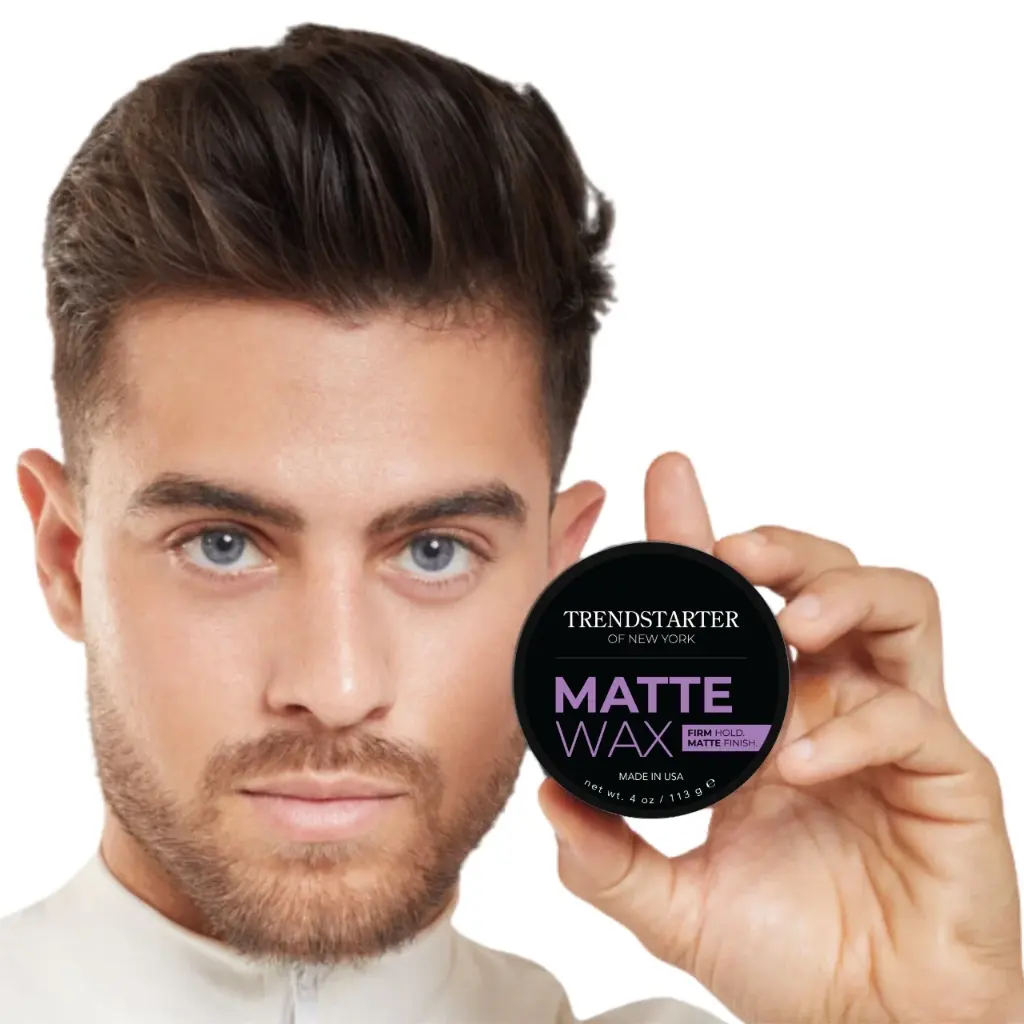
At its core, what is a hair wax — it’s a styling product made from a blend of natural or synthetic waxes (beeswax, carnauba wax, paraffin) combined with conditioning agents, emollients, and fragrance. Unlike water-based gels or mousses that harden into a film, wax retains a pliable, workable texture even after it sets. That’s the defining characteristic: it holds your style without locking it rigidly in place.
The formulation has evolved considerably over the past two decades. Modern waxes range from lightweight, almost translucent texturizers to dense, heavy-hold compounds designed for structured barbershop cuts. Professional hair wax manufacturers now engineer formulas for specific hair types, hold levels, and finish preferences — matte, satin, or high-shine — in ways that older petroleum-based pomades simply couldn’t achieve.
What Is Hair Wax Used For? The 6 Core Applications
Understanding what hair wax is used for starts with understanding what it does structurally. Wax coats individual hair strands without fusing them together, giving you control over shape, texture, and finish simultaneously. Here’s how that plays out in practice.
1. Hold and Shape Without Stiffness
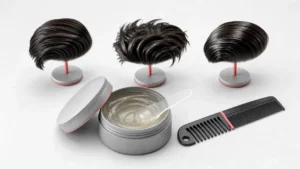
The most fundamental answer to what hair wax is used for is simple: hold. It keeps a style in place throughout the day without the crunchy, helmet-like finish associated with strong-hold gels. This makes it the preferred choice for anyone who wants their hair to look intentional but still move naturally — a side part, a textured quiff, a slicked-back style, or a defined crop.
The degree of hold varies significantly by product. Light waxes provide flexible control for casual, effortless styles. Heavy waxes can hold complex shapes — defined spikes, hard parts, structured pompadours — without requiring constant restyling through the day.
2. Texture and Definition
One of the most practical answers to what is wax used for in hair is texture creation. Wax separates strands and adds grit and dimension that makes hair look styled with intention rather than just combed. This is particularly effective on short to medium-length cuts where definition between sections — the kind that reads clearly from across a room — makes or breaks the overall look.
Fiber waxes and clay-wax hybrids are especially good at this. Their thicker, grittier consistency grips hair effectively and creates that piece-y, textured separation that works so well on crop cuts, fades, and layered styles.
3. Smoothing Frizz and Flyaways
For people with naturally frizzy or fine hair prone to flyaways, a small amount of lightweight wax applied to the surface of a finished style can dramatically improve polish and longevity. Rather than fighting frizz from the roots, this technique uses wax as a finishing layer — smoothing the top layer of hair and taming the small escaping strands that undermine an otherwise neat look.
This is also one of the key answers to what hair wax does for longer hair. A fingertip-sized amount worked through the mid-lengths and ends of wavy or curly hair can define curl clusters, reduce surface frizz, and add a subtle sheen without weighing strands down the way a heavy cream or oil might.
4. Volume and Lift at the Roots
Contrary to a common misconception, wax doesn’t always flatten hair. Applied correctly — in small amounts, worked through slightly damp hair, and styled upward — a light-to-medium hold wax can create noticeable root lift and volume. This is particularly effective on fine or flat hair where heavier products tend to collapse the style within hours.
The technique matters here: apply wax to the roots with fingertips and work upward and away from the scalp rather than pressing downward. This builds volume into the base of the style before it sets.
5. Restyling and Reformability
One of the standout qualities that sets wax apart from most other styling products is reworkability. Because wax doesn’t dry into a film, you can reshape your style throughout the day simply by running your fingers through your hair. This flexibility is a significant reason why wax is often the preferred product in fast-paced professional or social environments where your style needs to adapt — from office to evening, for instance — without a full rewash.
6. Finishing and Polishing a Completed Style
Wax functions as an excellent finishing product applied over other styling bases. A small amount of high-shine wax applied after blow-drying adds a polished, clean finish to formal styles. A matte wax applied the same way instead lends that deliberately undone, low-key texture favored in modern men’s grooming. Understanding what is wax used for in hair as a finishing tool — rather than only a base product — unlocks a new level of control over how a style looks when it’s complete.
Types of Hair Wax and What Each One Does
The term “hair wax” covers a broad category of formulas that behave quite differently from one another. Knowing which type fits your goal is the foundation of choosing the best wax for hairstyle results.
Traditional Beeswax-Based Wax
The original format. Dense, often high-shine, and strong-holding. Classic beeswax-based waxes provide firm control and a slick finish well-suited to structured styles — slicked-back cuts, defined parts, and barbershop-influenced looks. The trade-off is that they can be heavy for fine hair and may require clarifying shampoo to remove fully.
Clay Wax
Clay waxes blend the grip and texture of styling clay with the pliability of wax. The result is strong hold with a natural to matte finish — ideal for textured crops, messy styles, and any look that should appear effortless rather than polished. Clay wax is among the most popular formats in contemporary men’s grooming for exactly this reason.
Fiber Wax
Fiber wax contains stretchy polymer or protein-based fibers that pull and separate hair strands as you work it through. It creates excellent definition and a slightly roughened texture without much shine, making it one of the best hair styling wax options for short, layered cuts where separation and visible structure are the priority.
Pomade Wax
Pomade waxes sit between traditional pomade and standard wax in terms of finish and hold. They’re typically high-shine and medium-to-strong hold, with more flexibility than a traditional pomade. This format suits retro-influenced styles — pompadours, side parts, and slick-back looks — as well as anyone who wants a classic, groomed appearance.
Surf or Texture Wax
Lighter in hold and designed to create a tousled, beach-wave texture, surf waxes add definition and movement to medium and longer hair without the heaviness of traditional wax. They’re a particularly useful answer to what is hair wax used for on wavy hair, where the goal is to enhance natural movement rather than impose a structured shape.
How to Choose the Best Hair Styling Wax for Your Hair Type
Finding the best wax for hairstyle outcomes comes down to matching the product’s hold level and finish to your hair type and the style you’re trying to achieve. Here’s a practical guide:
- Fine or thin hair: Lightweight wax or fiber wax. Heavy formulas will flatten fine hair and can make it look greasy. Look for “light hold” or “volumizing” labels and apply sparingly — less is always more on fine hair.
- Thick or coarse hair: Medium-to-strong hold wax, clay wax, or traditional beeswax-based formulas. Thicker hair needs more product and stronger grip to maintain shape throughout the day.
- Wavy or curly hair: Lightweight or surf-style wax applied to damp hair to define curl pattern and reduce frizz. Avoid heavy waxes, which can clump curls and weigh them down unevenly.
- Short hair (crops, fades, buzz cuts): Clay wax or fiber wax for texture and definition. For a cleaner, more polished short style, a medium pomade wax works well.
- Medium to long hair: Light wax for smoothing, texture, and finishing. Fiber wax on the mid-lengths and ends for definition on layered styles.
Finish preference is equally important. Matte finishes look more natural and modern — particularly in men’s grooming. High-shine finishes suit formal or retro-inspired styles and tend to photograph well. For most everyday use, a satin or natural finish sits comfortably in between and works across the widest range of looks.
According to guidance from the American Academy of Dermatology on hair styling, using the minimum amount of product needed to achieve your style — and choosing formulas appropriate for your hair’s condition — is the most important factor in keeping hair healthy over time. Over-applying wax, or using a formula too heavy for your hair type, can lead to buildup, scalp congestion, and breakage at the roots.
How to Apply Hair Wax Correctly
Even the best hair styling wax will underperform if it’s applied incorrectly. These steps cover the technique that makes the biggest difference in real-world results.
Start with the Right Amount
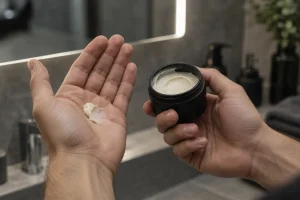
Less wax goes further than most people expect. Start with a pea-to-marble sized amount — roughly the size of your thumbnail — and emulsify it fully between both palms before touching your hair. This distributes the product evenly and prevents streaks or clumps of wax in individual sections.
Apply to the Right Hair State
For most styles, wax works best applied to hair that is 80 to 90 percent dry. Fully wet hair dilutes the product, reducing hold and making it harder to build structure. Fully dry hair can make wax harder to distribute evenly. The slight remaining moisture helps the wax spread naturally and supports the shape you’re building.
Work from the Back Forward
Start at the back and sides of the head and work toward the front. This ensures the areas most visible in the final style receive the freshest, most concentrated product. Style with fingertips rather than a comb for a textured finish, or use a comb for a cleaner, more defined look.
Build Gradually
It’s much easier to add more wax than to remove excess. Apply a first layer, style, assess, and add a second small amount only if needed. Overloading hair with wax is the most common application mistake and the fastest way to make a style look heavy, greasy, or flat.
Hair Wax vs. Other Styling Products: Key Differences
Understanding what hair wax is used for becomes much clearer when it’s placed alongside the alternatives. Each product has a distinct purpose, and knowing the differences helps you choose the right tool for the right result.
| Product | Hold Level | Finish | Reworkable? | Best For |
|---|---|---|---|---|
| Hair Wax | Light to strong | Matte to high-shine | Yes | Texture, definition, flexible hold |
| Gel | Strong to maximum | Wet to high-shine | No (dries hard) | Slicked styles, edges, maximum hold |
| Pomade | Light to strong | High-shine | Partially | Classic, polished, retro styles |
| Clay | Medium to strong | Matte to natural | Limited | Texture, structure, dry finish |
| Mousse | Light to medium | Natural | No | Volume, wave enhancement |
| Cream | Light | Natural to satin | Yes | Moisture, frizz control, soft definition |
Wax occupies a uniquely versatile position in this lineup. Its reworkability, variable finish options, and wide hold range make it one of the few products that genuinely performs across multiple hair types, lengths, and style goals. For many people, it ends up being the one product that replaces several others.
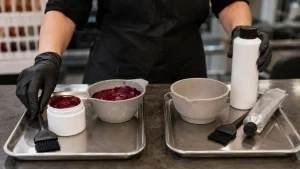
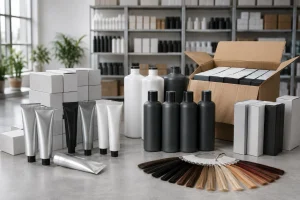
For brands and manufacturers looking to develop professional-grade formulas, Keronhair’s professional hair care development team works with a full spectrum of wax formulations — from lightweight texturizers to heavy-hold compounds — with custom finish, hold, and ingredient profiles available at scale.
Is Hair Wax Bad for Your Hair?
Used correctly and washed out regularly, hair wax poses no significant risk to healthy hair. The main concern with wax — particularly heavier, petroleum-based formulas — is buildup. If wax isn’t fully removed during washing, it can accumulate on the scalp and hair shaft over time, leading to congestion, dullness, and in some cases, scalp irritation.
A few habits that prevent buildup:
- Use a clarifying shampoo once a week to fully dissolve wax residue, especially with heavy-hold formulas.
- Don’t apply wax directly to the scalp — focus on the mid-lengths and ends, or work only the surface of the hair when styling roots for volume.
- Choose water-soluble wax formulas where possible; they rinse out more cleanly than petroleum-based alternatives.
Research published by the National Institutes of Health on hair shaft damage and cosmetic products confirms that styling product buildup — rather than any specific ingredient in wax — is the most common cause of hair health concerns associated with regular styling product use. Consistent, thorough cleansing remains the most important protective measure.
Conclusion
So — what is hair wax used for, in the most practical sense? It’s for people who want their hair to look styled without looking stiff. It’s for texture, definition, and control that lasts through the day and adapts when you need it to. It’s for finishes that range from perfectly polished to deliberately undone, depending on the formula and the technique.
Understanding what hair wax does — and which type fits your hair and your style — is ultimately what separates a good hair day from a great one. Whether you’re building a routine from scratch or reassessing products you’ve used for years, matching the right wax to your specific needs is a straightforward upgrade with an immediately visible payoff.
For brands, salons, and product developers looking to build or expand a wax range, Keronhair’s manufacturing team offers full-service development across all wax categories — from concept formulation through to certified, retail-ready production.
FAQ
What is hair wax used for on short hair specifically?
On short hair, wax is primarily used to create texture, define sections, and hold a style in place throughout the day. Clay wax and fiber wax work especially well on crops, fades, and textured cuts where separation and a matte finish are the goal. A small amount of high-shine wax applied to a short slick-back or side-part adds a polished, formal-ready finish without the crunch of gel.
What does hair wax do that other products can’t?
The combination of hold, reworkability, and finish flexibility is what sets wax apart. Gel provides stronger hold but dries rigid and can’t be reshaped. Pomade offers similar reworkability but is typically high-shine only. Wax gives you control over both hold strength and finish — matte, satin, or glossy — while remaining pliable all day. For anyone who restyling on the go or needs a product that performs across different contexts in a single day, wax is often the best solution.
Can women use hair wax?
Absolutely. While hair wax is more prominently marketed toward men, it works equally well for women with short, pixie, or textured cuts, and as a finishing product on medium to long hair. Lightweight and surf-style waxes are particularly useful for adding definition and taming frizz on longer lengths without the weight of a heavy cream or serum.
How often should you wash wax out of your hair?
Daily washing isn’t necessary and can strip natural oils from the scalp. However, wax should be fully washed out — using a proper shampoo, not just water — every one to two days, depending on how much product you use. If you apply a heavy-hold wax, washing it out daily is advisable to prevent buildup at the scalp.
What is the best hair styling wax for beginners?
A light-to-medium hold wax with a natural or satin finish is the most forgiving starting point. It’s easier to build and rework than heavy-hold formulas, and the neutral finish works across most hair types and casual styles. Once you’re comfortable with application technique and understand how much product your hair actually needs, you can move into more specialized formulas with confidence. For a professional-grade starting option, explore professional hair wax formulations designed for a range of hold levels and finish profiles.