We’ve all been there. You’re standing in the shower, half-awake, you reach for your body wash, and—nothing. The bottle’s bone dry. So your eyes drift over to that shampoo bottle and a little voice says, “It’s all soap, right?” Maybe you’ve already done the swap once or twice, and now you’re quietly wondering whether your skin is going to make you pay for it later.
Here’s my honest answer to the big question—is it bad to wash your body with shampoo? It’s not the catastrophe some people online make it out to be, but it’s not exactly a clean trade either. Below, I’ll walk you through what actually happens to your skin, which shampoos are safer than others, and the quick fixes worth grabbing instead.
Can You Use Shampoo as Body Wash in a Pinch?
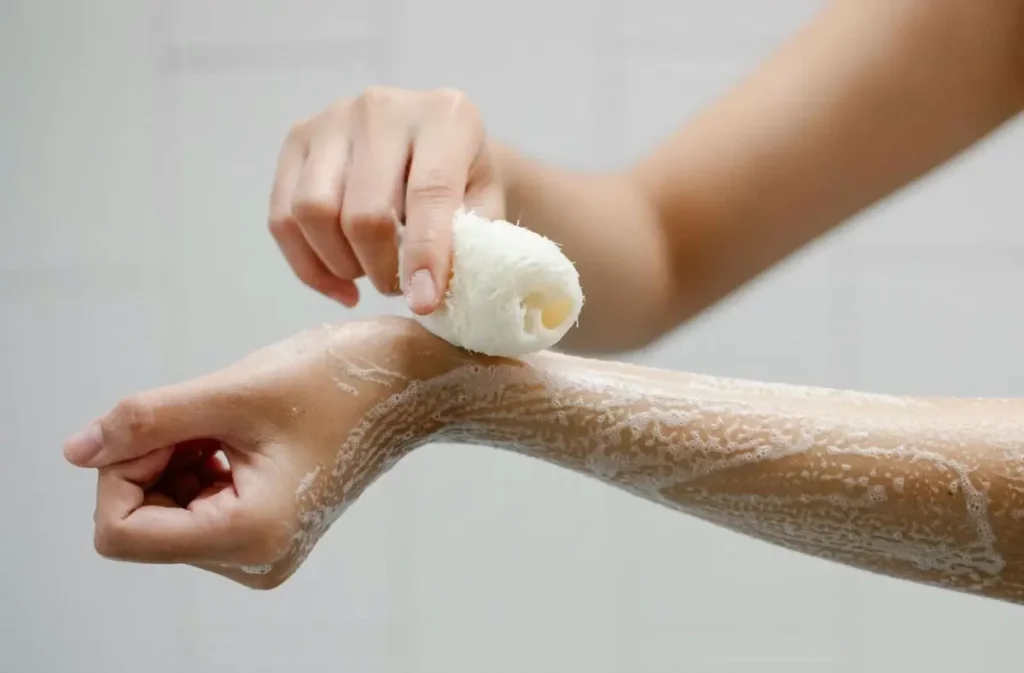
Yes, you can use shampoo as body wash in a pinch—especially if you’re traveling, sprinting between classes, dashing to a fitting, or you’ve just discovered the body wash bottle is empty mid-rinse. One quick wash with shampoo is very unlikely to ruin your skin. Still, I wouldn’t fold it into your daily routine.
Here’s the core difference. Shampoo is built to cleanse your hair and scalp, where oil, sweat, and styling product collect and cling. Body wash is designed for the much larger surface of your skin, which tends to be more prone to dryness, tightness, and irritation when you clean it too harshly. That gap matters even more if you’re prepping for fashion school, styling gigs, castings, or photo shoots, where comfortable, healthy-looking skin helps you feel polished and confident on camera.
If shampoo truly is your only option, use a small amount, lather gently, and concentrate on the spots that actually need it—underarms, feet, and sweaty creases. Steer clear of your face, intimate areas, freshly shaved skin, or anywhere that already feels parched or sensitive. Rinse well, pat (don’t rub) your skin dry, then smooth on a fragrance-free moisturizer while you’re still slightly damp.
The smartest approach? Treat shampoo as an emergency stand-in, not a permanent body wash replacement. As soon as you can, switch back to a gentle cleanser made for skin.
Shampoo vs. Body Wash: What’s Actually Different?
Here’s something that surprises a lot of people: shampoo and body wash aren’t simply two versions of the same product in different bottles. They might both foam up and leave you feeling fresh, but they’re engineered for two very different jobs. Your scalp and your body skin have different needs, different oil levels, and different tolerances—and the formulators behind these products know it well. Once you understand what’s really happening inside each bottle, you’ll see why the swap survives in a pinch but falls apart as a habit.
Here’s the quick side-by-side before we dig into the details:
| Feature | Body Wash | Shampoo |
|---|---|---|
| Designed for | Body skin | Scalp + hair |
| Typical pH | ~4.5–5.5 (skin-friendly) | Neutral to alkaline |
| Surfactant strength | Milder, moisturizing | Often stronger (SLS/SLES) |
| Added ingredients | Skin moisturizers, emollients | Silicones, scalp actives, heavier fragrance |
| Best for daily body use? | Yes | No |
pH Levels and Your Skin’s Acid Mantle
Your skin is wrapped in a thin, slightly acidic protective layer called the acid mantle, and it likes to sit around a pH of 4.7 to 5.5. That mild acidity isn’t random—it keeps unwelcome bacteria in check and helps lock moisture in. Most body washes are formulated to respect that range. Many shampoos, by contrast, run more neutral or even alkaline, because that’s what performs best on hair and scalp. According to the Cleveland Clinic, a disrupted skin barrier is one of the most common reasons people develop dryness and sensitivity over time.
When you regularly wash your body with a higher-pH product, a few predictable things happen:
- The acid mantle gets knocked off balance
- Moisture escapes more easily, leaving skin tight
- Your skin grows more prone to irritation and sensitivity
Surfactants and Cleansing Strength
Surfactants are the ingredients doing the real cleaning—they grab onto oil and rinse it away. The catch is that not all surfactants are equally gentle. Plenty of shampoos lean on stronger ones because hair and scalp can carry serious oil and product buildup that needs real lifting power. Body washes tend to use milder options paired with moisturizers to soften the blow.
A simple way to picture it:
- Shampoo surfactants → built to cut through heavy scalp oil and styling product
- Body wash surfactants → built to clean gently while preserving skin’s natural oils
- The result on your body → shampoo often strips far more than your skin needs
So when you lather shampoo onto your body, you’re frequently cleaning with something more aggressive than the situation calls for, sweeping away natural oils your skin would much rather keep. If you’re curious about how these formulas are actually engineered, the team at Keron Hair breaks down the science behind surfactant balance in real product development.
Added Ingredients That Don’t Belong on Skin
This is the part most people never stop to consider. Shampoos are packed with extras meant specifically for hair, and none of them really do your body any favors. Here’s what’s often hiding in the bottle—and why it becomes a problem below the neck:
- Silicones – add slip and shine to hair, but can leave a filmy residue that makes skin feel coated rather than clean
- Scalp-targeting actives – ingredients like anti-dandruff agents can irritate body skin that never needed treating
- Heavier fragrance – a common trigger for redness, itching, and sensitivity, especially on delicate areas
Your body simply isn’t the intended audience for all those bonus ingredients—and it’ll occasionally let you know in no uncertain terms.
Side Effects of Washing Your Body with Shampoo
Okay, so we’ve established that shampoo can clean your body—but what does it actually do to your skin afterward? This is the part to pay attention to, especially if you’ve been reaching for that shampoo bottle more often than you’d like to admit. The good news: a single use rarely causes anything dramatic. The not-so-good news: the effects stack up the longer you keep at it. Let’s break down what you might notice in the moment versus what tends to surface down the road.
Short-Term Effects
These are the sensations you might feel within minutes or hours of stepping out of the shower. They’re usually mild, temporary, and fade once you moisturize—but think of them as your skin’s first little warning flare:
- Dryness – that papery, parched feeling, especially on your arms and lower legs
- Tightness – skin that feels like it’s pulling, as if it shrank a size
- Mild irritation – occasional redness, itching, or a faint sting
- Residue – a filmy, not-quite-clean sensation from silicones and conditioning agents
For most people, a quick rinse and a good lotion smooth all of this over.
Long-Term and Repeated-Use Effects
Here’s where things get more serious. When shampoo becomes your everyday body cleanser, those small disruptions never get a chance to heal—they compound. Over weeks and months, you may start dealing with:
- A compromised skin barrier – that protective outer layer weakens, letting moisture out and irritants in
- Microbiome disruption – the healthy bacteria living on your skin get thrown off, which can affect how your skin defends and repairs itself
- Chronic dryness and flaking – the kind no amount of single-session moisturizing fully fixes
- Increased sensitivity – products that never bothered you before suddenly start to sting
Effects on Eczema, Psoriasis, and Sensitive Skin
If you’ve got eczema, psoriasis, or skin that’s simply touchy by nature, shampoo on the body is a gamble I’d genuinely steer you away from. Stronger surfactants and added fragrance are classic flare triggers. What feels like an innocent substitute can spiral fast into redness, intense itching, and patches that take far longer to calm down. If this is you, treat shampoo as a true last resort and rinse thoroughly afterward. The American Academy of Dermatology recommends gentle, fragrance-free cleansers for anyone managing these conditions.
Can Shampoo on the Body Cause Acne or Body Breakouts?
It can, and the usual culprit is residue. Silicones and conditioning agents are designed to cling to hair—but on your back, chest, or shoulders, that same clinginess can trap oil and clog pores. The result is sometimes nicknamed “shampoo acne”—those stubborn little bumps along the hairline and upper back. If you’ve ever finished a shower and broken out a day later, incomplete rinsing of a conditioning shampoo is a prime suspect.
Who Should Avoid Washing Their Body with Shampoo?
While healthy, resilient skin might bounce back from a one-time shampoo shower, certain skin profiles need to step well away from the bottle. If you’re trying to build a career in modeling or fashion, treating your skin like an afterthought is a rookie mistake that shows up immediately on camera. For some people, this shower shortcut is an absolute dealbreaker. Here’s exactly who needs to skip the shampoo-as-soap hack entirely.
People with Dry, Sensitive, or Eczema-Prone Skin
If your skin already feels tight on an ordinary day, or if you regularly battle conditions like eczema, hair detergents are your worst enemy.
A healthy skin barrier behaves like a solid brick wall, keeping hydration in and irritants out. Eczema-prone or chronically dry skin, though, is like a wall missing half its mortar. When you apply shampoo to this skin type, the reaction is fast and unforgiving:
- Rapid penetration: Heavy-duty sulfates slip past the broken barrier and sink straight into the vulnerable lower layers of the epidermis.
- Flash evaporation: Harsh cleansers strip the few natural lipids you have left, so whatever water is in your skin evaporates the second you step onto the bathmat.
- The itch cycle: Artificial dyes and thick lathering agents trigger a heavy histamine response, leaving you with patchy, intensely itchy skin that ruins your ability to wear revealing garments comfortably.
Children, Older Adults, and Allergy-Prone Users
Skin density shifts dramatically across our lifespans, which means a body wash that suits a twenty-something model won’t necessarily work for an older client or a young child.
| Skin Type | The Hidden Vulnerability | Why Shampoo Is Risky |
|---|---|---|
| Mature skin | Drastically reduced natural lipid production | Strips the few oils left, causing severe flaking and a dull, “ashy” look |
| Children / babies | Highly permeable, still-developing barrier | Absorbs heavy fragrances and strong preservatives quickly, triggering early allergies |
| Allergy-prone | Hyper-reactive immune response to synthetics | Hair formulas can carry up to three times the perfume load of body washes, practically inviting hives |
Freshly Shaved or Recently Exfoliated Skin
We’ve all done the frantic, last-minute leg shave before a swimwear casting or fitting. But if you follow that razor session by lathering up with volumizing shampoo, you’re actively sabotaging your skin’s texture.
Shaving doesn’t just remove hair—it lifts off the top protective layer of dead skin cells and leaves thousands of microscopic nicks. Scrub with a loofah or body polish and you achieve a similar effect. Applying a high-pH, heavily fragranced hair soap directly onto those fresh micro-abrasions is a recipe for misery. The alkaline detergents seep straight into open pores. Instead of glowing, smooth legs, you get an instant burning sensation followed by angry red “strawberry legs”—inflamed hair follicles that can take days of careful moisturizing to settle.
Intimate Areas, Underarms, and Skin Folds
This is a strict, non-negotiable rule in the beauty-prep world. The skin in your underarms, groin, and other natural creases demands a completely different approach than your arms and legs.
These spots are thinner, naturally stay damp, and have an entirely different microbiome requirement. Putting shampoo here sets off a chain reaction:
- Disrupting intimate pH: Intimate areas need a highly acidic environment to keep protective flora healthy. Alkaline shampoos wreck that balance instantly, creating the perfect breeding ground for irritation and yeast infections.
- Trapping deodorant: The heavy silicones designed to detangle hair cling stubbornly to your underarms, trapping old deodorant residue and sweat in your pores and sometimes leading to painful cysts.
- Medicated burns: Many popular shampoos contain scalp-stimulating ingredients like peppermint, tea tree oil, menthol, or dandruff actives such as salicylic acid. Trapped in sensitive folds or near mucous membranes, these cause excruciating burning and chemical chafing.
Does the Type of Shampoo Matter?
Absolutely—and this might be the most practical section of the whole article. Not all shampoos are created equal, and the bottle you happen to grab makes a huge difference in how your skin feels afterward. Some formulas are gentle enough that an occasional full-body wash is barely noticeable. Others are practically built to strip, and using them on your body is asking for trouble. So before you lather up with whatever’s in your shower, here’s how the major shampoo types stack up.
Gentle, Sulfate-Free, and Baby Shampoo
If you have to reach for shampoo, this is the category you want. Gentle, sulfate-free formulas trade harsh surfactants for milder ones, so they clean without aggressively stripping your skin. Baby shampoo goes a step further—it’s purpose-built for delicate skin and famously low on irritation (that “no more tears” promise isn’t just about your eyes).
Why these are the safest bets:
- Milder surfactants that won’t ravage your acid mantle
- Lower or no sulfates, meaning less dryness and tightness
- Minimal fragrance and actives, so less risk of irritation
- A skin-friendly pH in many baby formulas
For an occasional substitute, these are about as worry-free as shampoo gets. Manufacturers who specialize in private label shampoo production often formulate these gentle ranges with skin compatibility in mind.
Clarifying and Volumizing Shampoos
Now for the opposite end of the spectrum. Clarifying shampoos are designed to deep-clean hair and blast away buildup, which makes them some of the most stripping formulas on the shelf. Volumizing shampoos work by removing every trace of oil and residue to leave hair light and lifted—great for your roots, rough on your skin.
Use these on your body and you can expect:
- Significant dryness and that tight, squeaky feeling
- A stripped acid mantle and weakened barrier
- A higher chance of irritation, especially on sensitive areas
If clarifying or volumizing shampoo is genuinely your only option, rinse fast, keep it off delicate spots, and moisturize generously afterward.
Medicated and Anti-Dandruff Shampoo
This one’s more nuanced. Medicated shampoos—like Head & Shoulders or formulas containing ketoconazole or salicylic acid—are a mixed bag depending on your situation. Sometimes they genuinely help; other times they’re best kept far from your skin.
| Situation | Verdict |
|---|---|
| Treating body fungal issues (e.g., tinea versicolor) | Can help — sometimes recommended by doctors for short courses |
| Salicylic acid formulas on acne-prone back/chest | Occasionally useful — mild exfoliating effect |
| Everyday all-over body washing | Avoid — actives can irritate healthy skin |
| Sensitive skin, intimate areas, skin folds | Avoid — high irritation risk |
The takeaway: medicated shampoos are tools for specific problems, not general body cleansers. If a doctor suggests one for a skin condition, follow their guidance—otherwise, keep it on your scalp.
2-in-1 Shampoo and Conditioner
Two-in-one formulas seem convenient, but they’re actually one of the trickier choices for your body, and it all comes down to one word: residue. These products are designed to deposit conditioning agents and silicones onto your hair to leave it smooth and manageable. That’s exactly what you don’t want on your skin.
The problem with residue on the body:
- Filmy buildup that leaves skin feeling coated rather than clean
- Clogged pores, especially on the back, chest, and shoulders
- Potential breakouts from trapped oil and product
- Difficulty rinsing fully, so some always lingers behind
If you’re going to grab one shampoo as a body wash substitute, a simple gentle formula beats a 2-in-1 every single time.
How to Minimize Skin Damage If You Must Use Shampoo
Let’s be realistic—sometimes you’re standing in the shower, the body wash is empty, and shampoo is all you’ve got. It happens to the best of us. While you don’t want to make it a habit, there are smart ways to soften the impact when you have no other choice. Follow these steps and your skin will come out the other side in far better shape than if you’d just lathered up without thinking.
Choose the Gentlest Option Available
Not every shampoo in your shower carries equal risk, so reach for the kindest one you own:
- Best choice: baby shampoo or a sulfate-free, gentle formula
- Use with caution: standard everyday shampoo
- Avoid if possible: clarifying, volumizing, or medicated formulas
A gentler starting point protects your skin more than almost anything else on this list.
Dilute Before You Apply
Shampoo is concentrated for hair that carries a lot of oil—your body simply doesn’t need that strength. Watering it down takes the edge off:
- Mix a small amount with water in your hands or on a washcloth
- Use far less than you would on your hair
- Aim for a light lather, not a thick one
Keep It Quick and Targeted
The longer shampoo sits on your skin, the more it strips. Speed is your friend:
- Wash and rinse promptly rather than letting it linger
- Focus only on areas that genuinely need cleaning
- Skip the rest of your body if it doesn’t need a full lather
Protect Your Most Vulnerable Areas
Some spots simply shouldn’t meet shampoo at all. Steer clear of:
- Intimate areas and skin folds
- Underarms
- Freshly shaved or recently exfoliated skin
- Any active eczema, psoriasis, or irritated patches
Rinse Thoroughly—Then Rinse Again
Residue is one of the biggest culprits behind clogged pores and that filmy feeling, so don’t cut this short:
- Rinse longer than you think you need to
- Pay extra attention to your back, chest, and shoulders
- Make sure no slippery film remains before you step out
Moisturize Right Away
This step is non-negotiable. Shampoo strips oils your skin needs, so you’ll want to replace that moisture fast:
- Apply lotion or body cream within a few minutes of drying off
- Choose a fragrance-free moisturizer if your skin is sensitive
- Don’t skip it, even if your skin doesn’t feel especially dry yet
Treat It as the Exception, Not the Rule
The single most important tip: keep this an occasional rescue, never a routine. Your skin can handle the rare shampoo wash without lasting harm—but make it a habit, and the dryness, irritation, and barrier damage we covered earlier start to add up. Restock your body wash and let shampoo go back to doing the one job it was actually built for. If you’re rethinking your shower lineup entirely, our guide on choosing the right hair and skin care products is a good place to start.
Why I Don’t Recommend Using Shampoo Instead of Body Wash
I don’t recommend using shampoo instead of body wash because the two are made for genuinely different jobs. Shampoo is designed to clear hair and scalp buildup, not to support everyday body-skin comfort. Used too often, it tends to leave skin feeling dry, tight, itchy, or coated with residue. In a true pinch, it’s perfectly fine once—but for daily care, your skin deserves a gentle cleanser built specifically for it.
Conclusion
So, is it bad to wash your body with shampoo? In an emergency, no—it’ll clean you up and get you out the door. But it’s not built for skin, and over time it can leave you dry, irritated, or stripped. Use it only when you’re truly out of options, rinse and moisturize well afterward, and keep a proper body wash on hand so the question rarely comes up again.