Choosing a hair oil manufacturer in 2026 is not only about finding a factory that can fill oil into bottles. For a beauty brand, the better question is whether the supplier can help turn a product idea into a stable, pleasant, compliant, and commercially workable oil or serum. The wrong partner can lead to greasy samples, leaking packaging, unclear label responsibilities, mismatched MOQ, or risky claims.
This guide compares 10 hair oil manufacturers and private label suppliers that beauty brands may want to evaluate in 2026. It is written for teams that need a practical shortlist.
Important note: this is not a paid ranking or a claim that one supplier is universally best. Here, “best” means “worth evaluating for a clear buyer use case.” Before choosing any supplier, verify its current product scope, MOQ, sample process, packaging options, testing support, export documents, and target-market responsibilities.
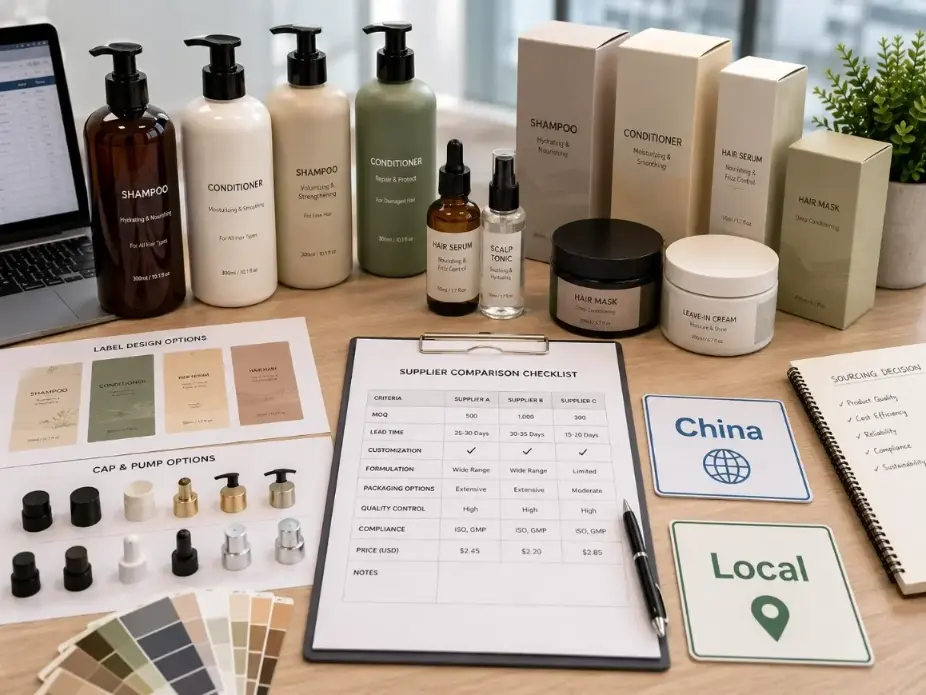
How We Selected These Hair Oil Manufacturers for 2026
What “best” means for B2B hair oil sourcing
For B2B sourcing, the best fit is rarely the same for every brand. A startup may need a simple private label route and manageable MOQ. A salon brand may care more about texture and professional-use positioning. A distributor may prioritize documentation, export support, and repeatable production.
This list uses a buyer-fit framework instead of a strict ranking. A supplier may be worth evaluating if it appears relevant to hair care manufacturing, private label production, custom formulation, OEM/ODM services, packaging support, or beauty contract manufacturing. Direct confirmation is still required.
Selection criteria used in this guide
The companies below were selected because they appear relevant to at least one part of a hair oil project: formula development, hair care manufacturing, private label beauty production, custom formulation, or regional sourcing. The goal is comparison, not a universal winner.
Hair oil and hair serum manufacturing relevance
Hair oils, scalp oils, shine oils, pre-wash oils, and serum-style products are grouped differently by manufacturers. Before outreach, check whether the supplier can support your exact format, such as a lightweight shine oil, silicone serum, botanical oil blend, pre-shampoo scalp oil, or salon treatment oil.
If the oil or serum sits within a wider care range, evaluate how its finish complements the shampoo and treatments. The France premium collection case provides an example of a finishing serum developed within a four-product routine.
Private label, OEM/ODM, or custom formulation fit
The right route depends on your launch strategy. Private label may help a brand move faster. OEM/ODM may fit brands that need manufacturing and packaging coordination. Custom formulation is better when texture, fragrance, hero ingredients, target hair type, or positioning must be differentiated.
Packaging, compliance, and buyer verification value
Hair oil is packaging-sensitive. Viscosity, fragrance load, oil compatibility, closure selection, label material, shipping conditions, and leakage risk can all affect the final product. A useful supplier should discuss filling, closure fit, label needs, stability questions, batch quality, and target-market responsibilities.
What brands must verify before contacting any supplier
Before asking for prices, verify five basics:
- Product scope: whether the manufacturer currently supports hair oil, hair serum, or oil-based hair care products.
- Formula route: whether it offers stock formulas, modified formulas, custom formulation, or full OEM/ODM development.
- Packaging fit: whether packaging can be matched to viscosity, dosage style, shipping conditions, and retail channel.
- Documentation: whether the supplier can provide the documents your importer, marketplace, or retailer may request.
- Claims review: whether claims such as “hair growth,” “anti-hair loss,” or “scalp treatment” require specialist regulatory review in your target market.
The U.S. FDA explains that whether a product is a cosmetic, drug, or both depends partly on intended use and claims. This matters because hair oil marketing can drift from cosmetic benefits into regulated treatment language.
How to avoid treating the list as a final ranking
Use this list as a discovery tool. Then reduce it to two or three realistic candidates by comparing samples, communication quality, documentation, packaging recommendations, commercial terms, and project fit.
Quick Comparison Table: 10 Hair Oil Manufacturers to Evaluate
How to use the comparison table
The table below gives a fast view of different supplier options. It is designed for shortlisting, not final selection. “Best fit angle” means the type of buyer or project that may want to evaluate the supplier. “What to verify” highlights the due diligence needed before samples or production discussion.
Manufacturer comparison snapshot
Region and service model
Region affects communication, freight, packaging sourcing, documentation, unit economics, and lead-time planning. It does not automatically determine quality or compliance. Compare the actual service model.
Hair oil or hair care relevance
Some suppliers clearly present hair care manufacturing. Others are broader cosmetic manufacturers that may support hair oil as part of a larger beauty production scope. Confirm the current service scope directly.
What buyers must verify before outreach
| Candidate Manufacturer | Region | Best Fit Angle | Hair Oil / Hair Care Relevance | What to Verify Before Outreach |
|---|---|---|---|---|
| Keronhair | China | Hair care OEM/ODM, private label, and custom formulation discussion | Official hair care page includes oils and serums within the broader product scope | Confirm hair oil or hair serum capabilities, MOQ, packaging, testing support, and export documents |
| TY Cosmetic | China | Cosmetic OEM/ODM and hair care manufacturing evaluation | Appears relevant for hair care manufacturing research | Confirm current hair oil, hair serum, and private label service scope |
| Bo International | India | Beauty and hair care private label or contract manufacturing evaluation | Appears relevant for hair care category research | Confirm hair oil product scope, formula route, packaging, and export support |
| RainShadow Labs | United States | Private label and custom manufacturing candidate | Official site includes a haircare category | Confirm hair oil-specific products, MOQ, customization depth, and packaging |
| Tropical Products | United States | Hair care product manufacturing candidate | Relevant for brands comparing U.S.-based manufacturing | Confirm oil or serum capability, packaging fit, and minimums |
| Dynamic Blending | United States | Custom formulation and contract manufacturing candidate | Relevant for custom beauty and hair care projects | Confirm oil-based hair care experience, scale, testing, and documentation |
| Onoxa | United States | Private label beauty platform candidate | Relevant for private label beauty and hair care evaluation | Confirm hair oil or serum product availability and customization limits |
| HSA Cosmetics | Italy | Hair care and salon-oriented formulation evaluation | Relevant for European hair care manufacturing research | Confirm hair oil or serum scope, packaging options, and EU market support |
| Vitelle Labs | Canada | Private label hair care candidate | Relevant for North American private label hair care research | Confirm current hair oil or serum scope, MOQ, and packaging |
| Pravada Private Label | North America | Private label beauty and hair care evaluation | Relevant for private label beauty supplier research | Confirm current hair care and hair oil availability before sampling |
If you are comparing China-based OEM/ODM options, Keronhair may be one candidate to review through its hair care product manufacturer page. Verify the exact hair oil scope first.
China and Asia-Based Hair Oil Manufacturers
Asia-based suppliers are often evaluated by brands looking for private label hair care, OEM/ODM manufacturing, packaging sourcing, formula customization, and export-oriented production. The advantage can be broader supply-chain flexibility, but buyers still need careful verification. Do not choose a manufacturer based only on country, price, or a broad product category page.
Keronhair
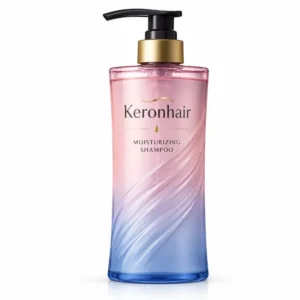
Keronhair is a China-based hair care manufacturing candidate for brands evaluating OEM/ODM, private label, and custom formulation routes. For a hair oil project, the relevant starting point is its broader hair care product manufacturing scope, where oils and serums are mentioned as part of the category.
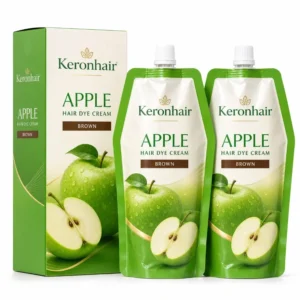
Keronhair may suit brands that want to discuss more than one SKU, such as shampoos, conditioners, masks, oils, serums, styling products, or color-related products. This matters if your goal is a full hair care line rather than a single oil.
Buyers should still verify the hair oil details directly. Ask whether Keronhair can support your intended format: shine oil, scalp oil, pre-wash oil, silicone serum, lightweight finishing oil, or treatment-style product. Also confirm formula route, sample process, fragrance options, packaging compatibility, label support, MOQ, lead time, batch testing, and export documents.
TY Cosmetic
TY Cosmetic is another China-based cosmetic OEM/ODM supplier that beauty brands may evaluate when researching hair care manufacturing options. It may be relevant for buyers comparing China suppliers across product development, private label, and broader cosmetic production.
For hair oil, the key is whether the supplier can support oil-based hair care formats specifically. Verify hair oil, hair serum, or scalp oil scope; private label vs custom formula routes; packaging recommendations for oil viscosity; and documentation for your importer, retailer, or marketplace. If the answer is unclear, ask for specific oil-based hair care formats rather than accepting a broad “hair care” claim.
Bo International
Bo International is an India-based beauty and hair care manufacturing candidate that may be useful for brands comparing Asian supplier options beyond China. It may be worth evaluating for private label or contract manufacturing routes if your brand wants to compare regional sourcing, ingredient options, packaging, and export support.
Confirm hair oil, scalp oil, hair serum, or treatment oil availability; stock vs custom formula options; fragrance and ingredient choices; oil filling and closure compatibility; and target-market documentation. If your label mentions hair growth, hair fall, dandruff, or scalp concerns, request regulatory review before approving copy.
North American Hair Oil Manufacturers and Private Label Suppliers
North American suppliers may appeal to brands that want closer communication, domestic fulfillment options, smaller trial runs, or market-local support. Buyers still need to verify current services, formula scope, claims review, labeling, MoCRA responsibilities for the U.S. market, and packaging compatibility.
RainShadow Labs
RainShadow Labs is a U.S.-based private label and custom manufacturing candidate with a visible haircare category. It may be worth evaluating if your project needs U.S.-based communication, natural-positioned beauty products, or a private label route.
Confirm the exact format before assuming fit. A haircare category may include shampoos, conditioners, treatments, or styling products, while your project may need a lightweight oil, scalp oil, silicone-free serum, botanical blend, or treatment oil. Ask about available bases, customization depth, fragrance choices, packaging formats, MOQ, sample timeline, and product documents.
Tropical Products
Tropical Products is a U.S.-based contract manufacturing candidate relevant for brands comparing domestic hair care production. For hair oil sourcing, verify whether the supplier can handle your specific oil format and packaging. A high-viscosity oil may not behave like a light serum, and a glass dropper may create different shipping questions than a PET bottle with a pump.
Confirm hair oil or serum production scope, MOQ by bottle and formula type, filling compatibility, quality documentation, and support for your preferred label and retail channel.
Dynamic Blending
Dynamic Blending is a U.S.-based custom formulation and contract manufacturing candidate often researched by brands with more developed product concepts. It may be relevant if your hair oil needs a custom route rather than a simple stock formula.
This supplier type can fit projects with a defined direction: lightweight finish, anti-frizz feel, silicone-free positioning, botanical oil story, salon treatment use, or premium fragrance profile. Verify oil-based hair care experience, formula ownership, development fees, revision rounds, packaging review, batch size, scale-up support, and claims review boundaries.
Onoxa
Onoxa is a U.S.-based private label beauty platform candidate. It may appeal to brands that want a streamlined private label route, especially when speed and simplicity matter more than deep formula ownership.
For hair oil projects, confirm whether hair oil or hair serum products are currently available and how much customization is possible. Private label platforms can be useful for market testing, but may limit formula changes, ingredient edits, packaging options, or claim language. Verify current options, customization limits, MOQ, reorder requirements, channel fit, and label review before printing.
European and Canada-Based Hair Oil Manufacturing Options
European and Canadian suppliers may be attractive for brands that want regional market familiarity, salon-oriented positioning, or North American private label support outside the United States. The right choice still depends on service scope, product fit, packaging, documentation, and communication quality.
HSA Cosmetics
HSA Cosmetics is an Italy-based cosmetics and hair care manufacturing candidate that may be relevant for European hair care development. For salon-oriented or premium positioning, a European supplier may be worth evaluating if the brand wants to align formula, fragrance, claims, and packaging with EU or international beauty market expectations.
For hair oil, verify whether HSA Cosmetics currently supports oil-based hair care products, hair serums, finishing oils, or treatment oils. Ask about texture, residue, shine, fragrance, packaging compatibility, documentation support, responsible-person boundaries, formula ownership, and development timeline.
Vitelle Labs
Vitelle Labs is a Canada-based private label hair care candidate. It may be useful for North American brands that want to compare private label hair care options outside the U.S. and assess regional communication, packaging, and order planning.
For a hair oil project, confirm the current product catalog and whether oils or serum-style products are available. If the product is positioned for scalp care, curls, shine, frizz control, or salon treatment use, make sure samples are evaluated on the relevant hair type. Verify customization limits, MOQ, sample policy, reorder lead time, packaging compatibility, and documentation.
Pravada Private Label
Pravada Private Label is a North America-based private label beauty supplier that may be worth evaluating for ready-to-brand beauty and hair care options. It can be relevant for buyers who prefer a private label model and want to understand what can be launched quickly.
For hair oil, confirm whether a current hair oil or hair serum option exists and whether packaging, label design, fragrance, or formula adjustments are available. If your positioning depends on a hero ingredient, texture claim, or target hair type, review customization depth, MOQ, fulfillment model, claim wording, and documentation support carefully.
What Makes a Good Hair Oil Manufacturer in 2026?
A good hair oil manufacturer does more than blend oils. It helps the buyer think through user feel, formula stability, packaging, label language, documents, and production handoff. Hair oil is deceptively simple: a poor formula can feel heavy, a poor bottle can leak, and poor claim wording can create problems after launch.
The deeper sourcing test: who owns each risk?
Many supplier lists stop at company names. A more useful way to choose a hair oil manufacturer is to ask who owns each project risk before money is committed. If nobody clearly owns it, the risk usually appears later as a delay, reformulation, relabeling cost, leaking shipment, or unsellable inventory.
For hair oil, four risks deserve early ownership:
- Sensory risk: who decides whether the oil is too heavy, too dry, too fragrant, or unsuitable for the target hair type?
- Packaging risk: who checks whether the bottle, cap, dropper, pump, label, and carton work with the formula?
- Claims risk: who reviews growth, anti-hair loss, repair, scalp, heat protection, or natural-positioning claims before artwork approval?
- Commercial risk: who confirms MOQ by formula, packaging, label, carton, and reorder plan before the brand approves samples?
This risk-ownership lens is often more useful than asking which country is “best.” A strong supplier should tell you where its responsibility ends and what the brand must verify separately.
Formula feel and residue control
The first test of a hair oil is how it feels. A formula that looks premium in a bottle can still fail if it leaves hair flat, greasy, sticky, or coated. Curly hair, textured hair, dry ends, fine hair, and salon-treated hair may need different oil blends or serum structures.
When discussing custom hair care formulation, give the manufacturer a clear target: dry-touch finishing oil, richer pre-wash oil, silicone-enhanced shine serum, silicone-free botanical oil, or treatment-style product. Ask how the sample should feel on wet vs dry hair, what usage amount is expected, and how fragrance, color, viscosity, and oil selection affect consumer perception.
Oil stability, fragrance, and oxidation questions
Oil-based products can be sensitive to oxidation, odor change, fragrance interaction, and color shift. Natural oils may support a strong ingredient story, but they also require careful stability review. Ask how the manufacturer evaluates rancidity risk, antioxidant systems, fragrance compatibility, storage conditions, and shelf-life expectations.
If your product uses a hero oil such as argan, rosemary, coconut, castor, or jojoba, confirm the usage level and how the ingredient supports the formula story without exaggerated claims. Cosmetic hair oil language should focus on appearance, shine, softness, conditioning, manageability, or grooming benefits when properly supported. Medical or drug-style claims need specialist review.
Packaging compatibility and leakage risk
Packaging is one of the biggest hidden risks in hair oil manufacturing. Buyers often pick a bottle for appearance, then discover later that the dropper does not suit the viscosity, the label stains, the cap leaks, or the product seeps during shipping.
Dropper, pump, and closure fit
Droppers can look premium, but they may not suit every viscosity. Pumps can improve dosing, but need compatibility testing. Disc-top caps may be economical, but may feel less premium. Select closures with formula, dose, shipping, and user behavior in mind.
Glass, PET, and travel-size packaging
Glass can support a premium look but adds weight and breakage risk. PET may be lighter, but must be checked for compatibility with oil, fragrance, and label materials. Travel sizes can help sampling and kits, but may be more sensitive to leakage and filling tolerances.
Leakage, viscosity, and shipping review
Ask for packaging compatibility checks before approving production. Discuss closure torque, bottle orientation, carton configuration, temperature exposure, shipping route, and whether leak testing is recommended.
| Risk Area | Why It Matters | What to Ask | Red Flag |
|---|---|---|---|
| Formula feel | Heavy residue can hurt repeat purchase | Which hair types and usage amounts was the sample designed for? | Supplier cannot explain the intended user experience |
| Oxidation and odor | Oils may change over time | How will stability, fragrance, and odor changes be reviewed? | No discussion of shelf life or storage conditions |
| Packaging leakage | Oil leaks damage cartons and brand trust | Has this closure been checked with similar viscosity? | Supplier says any bottle will work |
| Claims boundary | Hair growth or scalp treatment claims may create regulatory risk | Which claims need compliance review in my target market? | Supplier promises claims without review |
| MOQ fit | Wrong MOQ can trap cash in slow inventory | What is MOQ by formula, packaging, and label type? | MOQ changes late in the project |
Claims, label wording, and target market review
Hair oil brands often want strong claims: hair growth, anti-hair loss, scalp repair, dandruff support, strengthening, damage repair, heat protection, or clinically proven results. Some may be possible with the right product, substantiation, and market review. Others may cross into drug or medical territory depending on wording and jurisdiction.
For the U.S. market, review the FDA’s guidance on cosmetic vs drug intended use before finalizing aggressive claims. If the product will be distributed in the United States, also review the FDA’s MoCRA information for topics such as facility registration, product listing, serious adverse event reporting, and safety substantiation responsibilities.
For the EU market, brands should understand notification and responsible-person requirements. The European Commission’s Cosmetic Product Notification Portal is one official reference point. Do not assume the manufacturer alone carries all compliance responsibilities. The brand owner, importer, distributor, and responsible person may all have roles depending on the market.
MOQ, sampling, and production handoff
MOQ is not one number. It can change by formula type, bottle, cap, label, carton, decoration, fragrance, ingredients, and testing requirements. Ask manufacturers to separate formula MOQ, filling MOQ, packaging MOQ, sample cost, revision policy, lead time, payment terms, and documents available before shipment. The best supplier is the one whose commercial structure matches your launch reality.
How to Shortlist the Right Manufacturer for Your Hair Oil Project
The strongest shortlist starts with your own product brief. If you contact 10 suppliers with a vague request like “I need hair oil price,” the replies will be hard to compare. Send the same brief to three or four suppliers so differences become clear quickly.
The same-brief stress test
Before choosing a supplier, send the same product brief, packaging idea, target market, claim direction, and forecast range to each shortlisted manufacturer. Then compare the quality of the questions they ask back. A thoughtful manufacturer will challenge weak assumptions: an unsuitable dropper, an unrealistic claim, an unclear target hair type, or an MOQ mismatch.
This separates quote collectors from development partners. A low quote with shallow questions may look attractive, but early risk detection can prevent expensive changes after artwork, packaging purchase, or production booking.
Step 1: Define your product brief
Your product brief should explain what the product should do, who it is for, how it should feel, and where it will be sold. Include product type, target customer, desired texture, benchmark products, ingredient preferences, fragrance, packaging, target market, claim direction, order plan, and launch timeline.
If your project is closer to private label hair care products, say so. If you need a distinctive formula, say that early too. This saves time for both sides.
Step 2: Ask the same questions to every supplier
Use a consistent questionnaire covering formula route, customization, MOQ, sample timeline, packaging, testing, label support, export documents, and communication process. Ask for similar product formats, but do not ask suppliers to disclose another brand’s confidential formula.
Step 3: Compare samples, documents, and communication quality
Do not judge only the first sample texture. Compare how the supplier responds to feedback, adjusts fragrance or feel, recommends packaging, and provides documents. Strong sampling communication often predicts smoother production later.
Step 4: Choose based on project fit, not only price
Price matters, but the cheapest quote can become expensive if packaging leaks, claims are risky, samples need too many rounds, or documentation is incomplete. Score suppliers across formula fit, packaging fit, MOQ fit, communication, documents, target-market support, and commercial terms.
Questions to Ask Before Choosing a Hair Oil Manufacturer
Use the questions below as a practical supplier checklist. They are written so you can send the same question set to every candidate and compare the answers fairly.
Formula and ingredient questions
- Which hair oil, hair serum, scalp oil, or oil-based hair care formats can you currently manufacture?
- Do you offer stock formulas, modified formulas, fully custom formulation, or all three?
- Can you adjust texture, residue level, shine, fragrance, color, and viscosity?
- Which ingredient claims are supported by the formula, and which claims require regulatory review?
- Who owns the final formula if we choose a custom route?
Packaging and filling questions
- Which bottle and closure types do you recommend for this viscosity?
- How do you check leakage risk before production?
- Are bottle, cap, label, and carton MOQs separate from formula MOQ?
- Can you fill oil-based products accurately at the requested size?
- Can you advise on label material compatibility with oil and fragrance?
Testing and quality questions
- What quality checks are included during sampling and production?
- What stability, compatibility, or micro-related review is appropriate for this formula type?
- Does your production and quality workflow align with a cosmetic GMP framework such as ISO 22716, where relevant?
- How are retained samples handled?
- What happens if production quality differs from the approved sample?
Commercial and production questions
- What is the MOQ for stock formula, modified formula, and custom formula routes?
- What are the sample cost, revision policy, and expected sample timeline?
- What is the production lead time after formula, packaging, and artwork approval?
- Can you support repeat orders and forecast planning?
- What information do you need before quoting accurately?
Compliance and export questions
- Which target markets do you commonly support?
- What label information can you help prepare, and what must the brand owner review separately?
- Can you support INCI ingredient naming and required document preparation?
- What export documents are available?
- How do you handle claims that may be sensitive, such as hair growth, anti-hair loss, scalp treatment, dandruff, or repair?
- What responsibilities remain with the brand owner, importer, distributor, or responsible person?
If you are comparing broader OEM/ODM hair product manufacturing partners, ask whether the supplier can support your long-term product roadmap, not just the first hair oil SKU.
Which Type of Hair Oil Manufacturer Fits Your Brand?
Different brands need different manufacturer models. A fast private label supplier may be ideal for a first SKU. A custom formulation partner may be better for a differentiated salon line. A China OEM/ODM supplier may help with broader product-line development and packaging sourcing. A local manufacturer may simplify communication or domestic logistics.
Startup brands testing a first hair oil SKU
Startups often need speed, manageable MOQ, clear packaging, and simple claims. A private label or lightly customized route may be the best first step if the brand is still testing audience demand. The main risk is launching a product that feels too generic or has limited room for differentiation.
Salon brands building a professional treatment line
Salon brands usually need a more specific performance feel, fragrance profile, and application ritual. They may need a richer treatment oil, lightweight finishing oil, or service-support product that fits professional use. A custom formulation partner or experienced hair care manufacturer may be more suitable than a basic private label platform.
Ecommerce brands needing differentiation and packaging control
Ecommerce brands compete visually and through storytelling. Packaging, unboxing, texture, ingredient story, and repeat purchase all matter. These brands should prioritize suppliers that can discuss formula positioning, packaging compatibility, leakage risk, and label claims in detail.
Distributors or importers comparing regional supply chains
Distributors and importers need repeatability, documents, cartons, freight planning, and market access clarity. They may compare China, India, Europe, the U.S., and Canada suppliers based on landed cost, paperwork, production reliability, and channel requirements.
| Brand Situation | Recommended Supplier Type | What to Verify | Common Risk |
|---|---|---|---|
| First hair oil launch | Private label or modified formula supplier | MOQ, available formula, label options, sample timing | Product feels generic or claims are too broad |
| Premium salon line | Custom formulation or hair care specialist | Texture, fragrance, professional use, formula ownership | Development takes longer than planned |
| Ecommerce growth brand | OEM/ODM or custom partner with packaging support | Packaging compatibility, leakage, visual differentiation | Bottle looks good but performs poorly in shipping |
| Distributor or importer | Export-capable manufacturer | Documents, cartons, batch consistency, target-market support | Compliance responsibilities are unclear |
Conclusion: Use the 2026 List as a Starting Point, Not a Final Decision
Why the shortlist is only the first step
The 10 best hair oil manufacturers in 2026 are not the same for every buyer. The real “best” supplier is the one that fits your formula direction, target market, packaging needs, MOQ, documentation requirements, and communication style. Use this list to discover candidates, then verify each one with the same buyer checklist.
Prepare a product brief before contacting manufacturers
Before you contact any hair oil manufacturer, prepare a short product brief. Define the product type, target user, desired feel, ingredient preferences, packaging, target market, claim direction, expected order size, and launch timeline. Then contact two or three suppliers that match your route.
If your brand is looking for private label, OEM/ODM, or custom hair oil formulation support, Keronhair can be included as one candidate to discuss your product direction, packaging questions, and hair care manufacturing needs. The better your brief, the better the supplier response will be.
FAQ
What is a hair oil manufacturer?
A hair oil manufacturer develops or produces oil-based hair care products for brands, such as shine oils, scalp oils, pre-wash oils, leave-in oils, and serum-style products.
How do I choose a private label hair oil manufacturer?
Compare formula fit, packaging compatibility, MOQ, sample process, claims review, quality documents, communication, and target-market support. Do not choose by price alone.
Is hair oil the same as hair serum?
Not always. Hair oils are often oil-based, while serums may be silicone-based, oil-based, water-based, or hybrid depending on the formulation and positioning.
Can a hair oil claim to support hair growth?
Be careful. Hair growth or anti-hair loss claims may create drug or medical claim issues in some markets. Get regulatory review before using that language.
What packaging is best for hair oil?
The best packaging depends on viscosity, dosage, user experience, leakage risk, and shipping. Droppers, pumps, glass, PET, and travel sizes all need compatibility review.
Should I choose a local manufacturer or an overseas hair oil manufacturer?
Neither is always better. Compare communication, MOQ, sampling speed, packaging sourcing, landed cost, export support, and your target market’s documentation needs.
What should I include in a hair oil product brief?
Include product type, target customer, desired feel, ingredient preferences, fragrance, packaging, claims direction, target market, benchmark products, order plan, and launch timeline.
Are the 10 manufacturers ranked from best to worst?
No. This list is a buyer shortlist, not an absolute ranking. Each brand should verify supplier fit, samples, documents, packaging, and commercial terms before choosing.