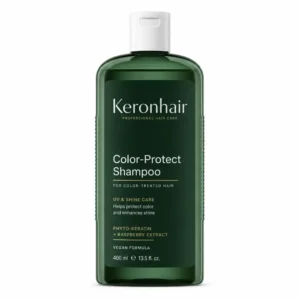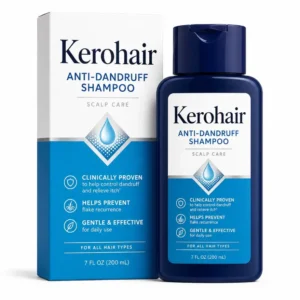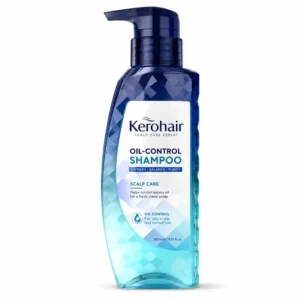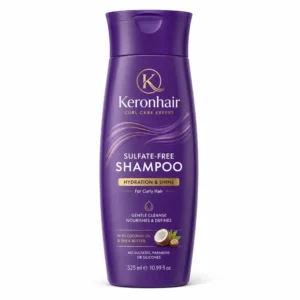
Ask a few shampoo manufacturers in China about their private label MOQ, and you may hear very different numbers. That does not necessarily mean one supplier is right and another is wrong. In many cases, they are simply quoting different formula routes, packaging options, filling plans or levels of customization.
The more useful question is not only, “What is your MOQ?” It is, “What is setting the MOQ for my product?” A ready formula in a standard bottle may be relatively easy to start with. A custom formula, special fragrance, printed bottle or new mold can push the order requirement much higher.
This guide explains how those minimums fit together, how to estimate your real first-order commitment and how to compare Chinese shampoo manufacturers on the same project scope.
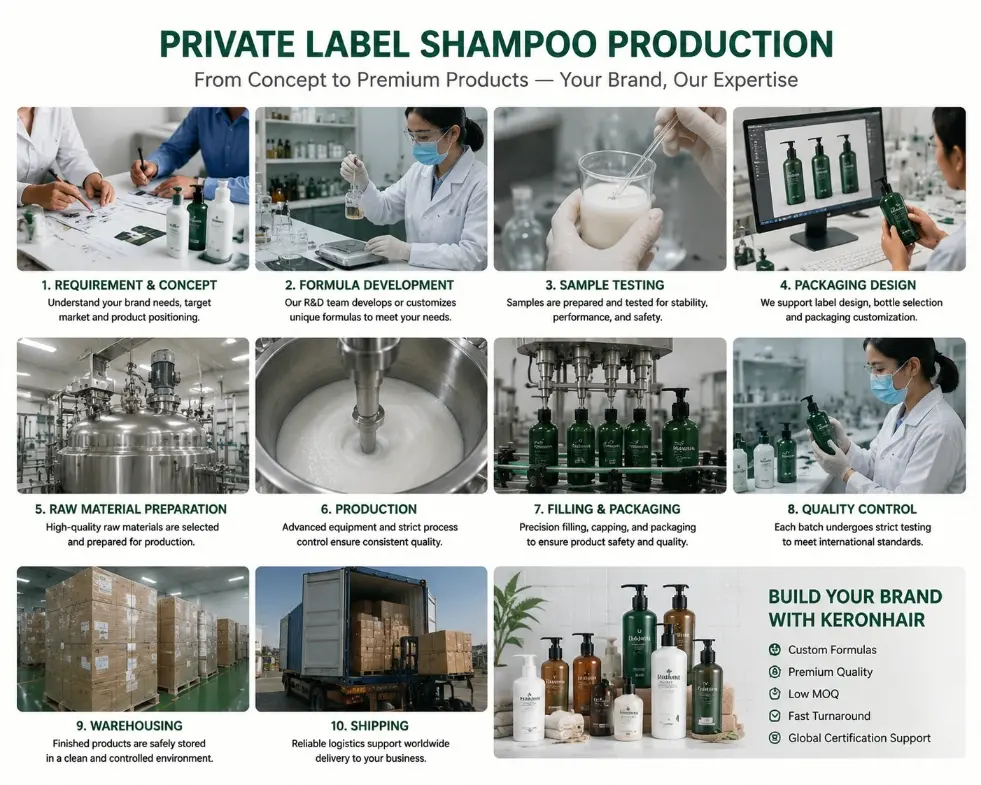
What Is the Minimum Order Quantity for Private Label Shampoo?
MOQ means minimum order quantity, but in a private label shampoo project, it is rarely just one simple number.
A supplier may quote an MOQ for finished bottles, while the formula is produced by batch weight and the packaging comes with its own purchase minimum. You might also have separate minimums for each fragrance, bottle color, label design or market version.
That is why a quotation that says “MOQ: 1,000 units” still needs a little more explanation. Does it mean 1,000 finished shampoos in a stock bottle? Is it 1,000 units per fragrance? Or can the factory fill 1,000 units while asking you to purchase 5,000 printed bottles?
The headline number may look the same, but the cash and leftover inventory can be very different.
| MOQ layer | Usually measured in | What it affects | A useful question to ask |
|---|---|---|---|
| Bulk formula minimum | Kilograms or one production batch | The smallest batch the factory can compound | How many bottles should this batch fill at my chosen size? |
| Filling-run minimum | Units or production time | The smallest practical filling and packing run | Can part of the batch be filled, and what happens to the rest? |
| Finished-goods MOQ | Saleable units per SKU | The quantity delivered as finished shampoo | What is included in this number? |
| Bottle and closure minimum | Purchased components | Bottles, caps, pumps or disc tops | Are the bottle and closure ordered in matching quantities? |
| Decoration minimum | Units per artwork | Labels, screen printing, hot stamping or other decoration | Is the minimum per color, language or artwork version? |
| Carton minimum | Printed cartons or shipping cartons | Retail presentation and shipping packs | Who owns and stores any unused cartons? |
| Variant minimum | Units per formula, scent, size or design | The quantity needed for each product version | Which variants can actually share a batch or component order? |
A good quotation makes these layers easy to see. Instead of asking only for a finished-product MOQ, ask the manufacturer to show the minimum for the formula, filling run, bottle, closure, label, carton and each planned SKU.
If you are still deciding what kind of product you want to make, it may help to review the available private label shampoo manufacturing options before requesting a final quotation.
How Does the Development Route Change Custom Shampoo MOQ?
The amount of customization usually has a big influence on where the MOQ comes from.
With a ready formula, the main limitation may be the filling run or the availability of stock packaging. A semi-custom project can add minimums for fragrance, ingredients, sampling or testing. A fully custom formula may involve dedicated raw materials, development work, scale-up and more specialized packaging.
It is also worth remembering that manufacturers do not always use terms such as private label, ODM, semi-custom and OEM in exactly the same way. The label matters less than the actual project details. Your quotation should make clear where the formula comes from, what can be changed, how samples are approved, who is responsible for testing and how the MOQ is calculated for each SKU.
| Development route | Where the product starts | Common MOQ drivers | Main trade-off for the buyer |
| Ready formula | An existing formula selected from the manufacturer’s range | Filling run, stock packaging, label and carton | Faster to evaluate, but with less formula differentiation |
| Semi-custom | An existing base with selected adjustments | Fragrance, ingredients, samples, packaging and artwork | More flexibility, but each change may add a new minimum |
| Custom formula | A new or transferred formula based on a detailed brief | Dedicated materials, batch size, development, testing and packaging | More control, with a larger technical and commercial commitment |
Ready Formula Route
A ready formula can be a practical option for a first launch because much of the early development work has already been done. The manufacturer may also be able to offer bottles and closures that are already familiar to its filling line.
That said, a ready formula does not automatically mean a very low MOQ. The formula may still need to be produced as a full batch, and the bottle, label or carton can become the real bottleneck.
Before moving forward, ask which formula version is being offered, what test information is already available, which fill sizes can be used and what you are allowed to change. It is also helpful to confirm whether a change in fragrance, color or featured ingredient creates a separate formula version.
Keronhair presents both ready-to-brand and private label options across its hair care range. Brands exploring this route can review its ready-to-brand hair care options before asking for project-specific quantities.
Semi-Custom Route
Semi-custom development usually starts with an existing base and allows selected changes. This can give a brand more personality without starting completely from scratch.
Even a small-looking change can affect the order requirement. A new fragrance may require its own material purchase, sample round or production batch. Adjusting the color, viscosity or highlighted ingredient can have a similar effect.
A simple way to make the quotation clearer is to ask the manufacturer to place each requested change into one of these groups:
- Changes that do not affect the formula batch minimum
- Changes that require a separate material purchase or production batch
- Changes that require new development, testing or packaging review
This makes it easier to see which choices are increasing the budget and which ones can be combined. It also gives both sides a more realistic definition of what “semi-custom” includes.
Custom Formula Route
A custom shampoo gives the brand more control, but it also introduces more moving parts. The MOQ may be influenced by surfactants, conditioning agents, fragrance, color, viscosity, performance targets, fill size and any ingredients purchased specifically for the project.
There may also be development samples, scale-up work and a test plan before mass production begins. It is usually easier to understand the real entry cost when these items are listed separately from the finished-product price.
Formula ownership should also be discussed early. A formula developed from a brand-owned technical package is not the same as a manufacturer-owned custom formula or an exclusive formula license. The word “custom” alone does not explain those rights.
Custom development makes the most sense when the product idea is clear enough to justify the extra work and inventory. For brands that already have a detailed performance brief, Keronhair’s custom shampoo formulation support provides a useful service reference before the formula, filling and packaging minimums are confirmed in writing.
Which Components Set the Final Shampoo MOQ?
In many projects, the final MOQ is set by the largest unavoidable minimum. The complication is that the largest purchase is not always the same as the number of finished bottles you receive.
For example, the factory may be able to fill 3,000 units, but the printed bottle supplier may require 5,000 bottles. In that case, the first production run is 3,000 finished units, while your packaging commitment is still 5,000 bottles.
It helps to look at each MOQ as a separate line in the quotation. Record the minimum purchase, planned use, expected allowance, likely remainder, owner and storage terms. This quickly shows which part of the project is driving the order size and where leftover inventory may appear.
Formula Batch Minimums
Formula minimums are usually expressed as a batch weight. To estimate how many bottles that batch may produce, divide the expected usable quantity by the approved fill size, then allow for setup, sampling, quality checks and normal process loss.
The manufacturer should explain the planning assumptions rather than suggesting that every kilogram of bulk product will become a saleable bottle.
Ready Formula Batch
A ready formula may already have an established process, but the factory still needs to schedule and produce a batch. Ask whether the batch is dedicated to your order, whether any part of production can be combined and how the exact formula version will appear in the finished-product specification.
It is best not to assume that another customer’s production can automatically lower your MOQ. Shared production can raise questions about timing, traceability and version control, so any arrangement should be clearly linked to your own SKU.
Custom Formula Batch
A custom formula may require ingredients that are purchased specifically for your project, as well as a scale-up batch before full production. Ask which materials the factory already stocks, which ones are being purchased for your brand and who owns any remaining brand-specific ingredients.
The production batch also needs to allow for retained samples and any material used during quality checks. An approved laboratory sample is an important milestone, but it still needs to be connected to a controlled production formula, product specification, packaging system and change process before mass production.
Filling Run Minimums
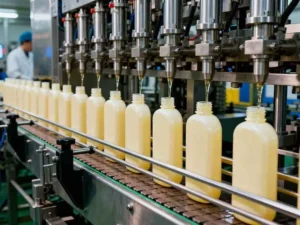
Filling a shampoo line involves cleaning, preparation, setup and first-piece checks. Because of this, the smallest formula batch and the smallest practical filling run may not be the same.
Ask whether the factory can fill only part of a bulk batch. When the answer is yes, also ask what happens to the unused bulk product.
Saving bulk shampoo for a later order may sound convenient, but it is not always simple. Storage time, stability, contamination control, container suitability and consistency with a future batch all need to be considered. A clear written arrangement is much safer than an informal promise to “keep it for next time.”
Bottle and Closure Minimums
Stock bottles and closures are often the easiest way to reduce packaging minimums, as long as the material, color, neck size and fill volume suit the product. Custom colors, special pumps and new molds usually bring their own purchase quantities and setup charges.
The bottle and closure should be treated as one working system. They need to fit each other, run properly on the filling line and remain compatible with the shampoo.
When a brand supplies its own packaging, both sides should agree on incoming inspection, rejected pieces, shortages, delivery timing and who is responsible if the components do not work with the product or equipment.
Also check whether bottles and closures are ordered in matching quantities. It is possible to purchase 5,000 bottles but have only 3,000 suitable closures available. The smaller component quantity limits production, while the larger purchase still ties up cash.
Decoration and Label Minimums
Labels, screen printing, hot stamping and other decoration methods all have different setup and ordering rules. A standard blank bottle with a pressure-sensitive label may support a smaller launch, while direct printing can require a larger quantity for each artwork.
Ask whether the minimum is calculated per bottle size, design, language, color or fragrance. Even when two products use the same formula, two different labels still create two separate branded inventories.
A multilingual label may reduce the number of artwork versions when it is suitable for every target market. The final design still needs to be reviewed for the countries where the product will be sold.
One-time charges, such as printing plates or setup fees, are easier to evaluate when they are shown separately from the unit price. This also helps you understand which costs will appear again on a reorder.
Carton and Accessory Minimums
Retail cartons, master cartons, inserts and seals are easy to overlook because they are often discussed later in the project. Each one may come from a different supplier with a different printing minimum.
Convert the carton order into the number of finished units it can support. When more cartons must be purchased than the first filling run can use, make sure the quotation or purchase order explains who owns the leftovers, where they will be stored, how long they can stay there, whether storage fees apply and what happens if the artwork changes.
China’s Measures for the Supervision and Administration of Cosmetics Production and Operation cover cosmetics production licensing and records for materials and packaging that directly contact cosmetics. They do not set a commercial MOQ for shampoo. That number still depends on the actual product and production plan agreed with the manufacturer.
Calculate Your Real First-Order Commitment
The finished-goods MOQ tells you how many saleable units the factory expects to deliver. It does not always show everything you need to purchase or pay for at the beginning of the project.
A more useful budget separates finished products, unused components and one-time project costs.
Planned saleable units
Approved filling quantity minus the agreed allowance for setup, sampling and quality-control use
Initial cash commitment
Finished-goods cost + unused required components + development, testing, tooling and setup charges + freight, duties and destination costs
To build a realistic estimate, include:
- Formula batch weight and expected filling yield
- Approved bottle size
- Planned filling quantity
- Minimum purchase for bottles, closures, labels and cartons
- Expected process allowance and spare components
- Likely unused component quantity
- Development, sampling, testing, tooling and decoration charges
- Freight and import assumptions
- Storage, transfer or disposal costs for leftovers
- Reorder conditions and any packaging that can be carried forward
Here is a hypothetical example only. It is not a Keronhair quotation or a general industry benchmark.
Imagine that one formula batch is expected to support 3,600 fills. The production plan is for 3,500 finished units, with the remaining allowance used for setup, sampling and normal process needs. The printed bottle supplier, however, requires an order of 5,000 bottles.
After the first run, around 1,500 bottles remain. The brand’s real commitment is therefore larger than the 3,500 finished shampoos shown on the production plan. It also includes the cost, storage and future usability of those unused bottles.
If the artwork later changes, the remaining packaging may no longer be useful. When the bottles are being kept for a reorder, the agreement should cover ownership, condition checks, storage time and any related fees.
It is also worth estimating how long the finished stock may take to sell under a conservative sales plan. A lower unit price can look attractive, but not when it comes with a much larger amount of slow-moving or unusable inventory.
Keep the first order and the reorder calculation separate. Leftover packaging may help with the next run, but a reorder can still require a new formula batch, updated artwork or revised component pricing.
How to Reduce Shampoo MOQ
Lowering a shampoo MOQ is often less about persuading the factory to run a tiny batch and more about simplifying the project.
A ready formula, stock packaging, one fragrance and one artwork version may make a first launch much easier. More SKUs can be added after the product and supply process have been tested.
Start by identifying the real bottleneck. When printed bottles create the highest minimum, reducing the formula batch does not solve the packaging commitment. When a dedicated ingredient is driving the batch size, changing the carton will not make much difference.
Simplify Formula Variables
Begin with one clear product brief. Using an approved base formula, one fragrance direction and fewer dedicated materials may reduce separate purchases, samples and production batches.
When two products appear to share the same base, ask whether they can genuinely be produced together. Different fragrances, colors, viscosities or highlighted ingredients may still require separate batches. Each finished product also needs its own approved specification and traceable identity.
Simplifying the formula should not mean skipping the work that protects product quality. Sample approval, relevant testing and clear specifications still matter, even for a smaller launch.
Use Stock Packaging
Stock bottles and closures can help a brand avoid custom molding and large printing runs. Choose the fill size and packaging system early, then test the approved components with the product.
Because stock availability can change between quotation and order placement, ask how long the chosen components can be reserved.
A label on a standard bottle may support a smaller launch than direct printing. Compare the appearance, durability, application quality, artwork flexibility and total cost. The lowest-cost decoration method is not always the easiest one to manage.
Consolidate Product Variants
Every fragrance, bottle color, fill size and artwork version creates another inventory stream. For a first launch, one shampoo in one size may provide a clearer market test than splitting the same budget across several small variants.
Language and labeling requirements still need to be respected. Only combine market versions when the visible information works for every destination. Sharing a base formula also does not automatically mean several branded SKUs can share one MOQ.
Stage the Launch
A staged launch can begin with one hero shampoo. A conditioner, mask or treatment can follow after the brand has tested demand, supplier communication and reorder timing.
Set clear milestones for sample approval, initial production, reorder and line extension. Ask the supplier to quote the current stage on its own terms rather than relying on an informal promise that prices will improve later.
The most useful low-MOQ strategy is usually the one that removes unnecessary complexity without removing necessary quality work. A smaller launch should still be judged against unit cost, differentiation, testing, leftover packaging and reorder risk.
Compare Chinese Shampoo Manufacturer MOQ Quotes
MOQ quotes only become useful when manufacturers are pricing the same project.
One supplier may quote a ready formula in a plain stock bottle, while another is pricing a custom formula with printed packaging. The numbers may both be reasonable, but they are not directly comparable.
Send the same product brief to two or three shortlisted manufacturers. Keep the formula route, fill size, packaging assumptions, destination and document requirements consistent.
Website figures can be useful for early screening, but the final decision should be based on a written quotation linked to your actual brief and quote date. When a supplier cannot explain what is creating the MOQ, the number still needs clarification.
Normalize Quote Scope
Instead of asking only for a total unit price, ask each supplier to complete the same set of fields.
| Quote field | What the supplier should confirm | Why it helps |
| Formula route | Ready, semi-custom, custom or transferred formula, with a version reference | Shows what product is actually being quoted |
| MOQ basis | Minimum by formula, SKU, fragrance, size and artwork | Shows which quantities can or cannot be combined |
| Planned fill | Finished units and expected production allowance | Separates delivered goods from process use |
| Component minimums | Bottle, closure, label, carton and accessories | Reveals the packaging bottleneck |
| Leftover components | Quantity, owner, storage terms and future use | Shows possible stranded inventory and reorder value |
| Development costs | Samples, revisions, formulation and scale-up | Separates one-time work from unit pricing |
| Testing and documents | Scope, responsible party, laboratory and exclusions | Helps keep project scopes comparable |
| Packaging responsibility | Sourcing, compatibility review, incoming inspection and artwork approval | Clarifies who is responsible for what |
| Commercial basis | Incoterm, destination, payment milestones and quote validity | Makes total-cost comparisons easier |
| Change rules | MOQ and price effects of formula, component or artwork changes | Protects the approved project scope |
Ask suppliers to label items as included, excluded, optional or buyer-supplied. Also check how long the quotation is valid and how later component price changes will be handled.
A low unit price may not be the better deal when important costs are excluded or when the project creates a large amount of branded packaging that cannot be used immediately.
If you are still deciding how much product development support you need, review OEM and ODM manufacturing routes before finalizing the quotation request.
Check Commercial Terms
Once the product scope is aligned, review the commercial details and supplier information that sit behind the quote:
- Payment stages and what the deposit is used to purchase
- Ownership of formula work and brand-specific materials
- Storage time, storage fees and condition checks for leftovers
- Rules for transfer, return or disposal
- Reorder MOQ and the use of remaining packaging
- Sample codes, approved specifications and change control
- Batch, release and traceability records expected for the order
- Contracting party, invoice party and bank beneficiary
- Actual factory, production address and production-license holder
China’s cosmetics production rules require a production license, and the license identifies the production company, address, approved production items and validity period. These details should match the factory that will actually make the shampoo.
A low MOQ is helpful, but it does not make up for an unclear legal manufacturer or a production scope that cannot be verified.
The best quote is not always the one with the smallest finished-unit number. It is the one that gives your brand a workable product, a manageable total commitment, clear responsibilities and information you can check.
Frequently Asked Questions
Is shampoo MOQ calculated per SKU or per total order?
It is usually confirmed by formula, SKU and packaging version. A larger total order may help only when the manufacturer agrees that some products can share a formula batch or component purchase.
Can shampoo and conditioner share one MOQ?
Usually not as finished products because they use different formulas. They may be able to share some bottles, closures or cartons when the specifications and artwork allow it.
Does a stock formula always have a lower MOQ?
Not always. It may reduce development work, but the bottle, closure, label, printing or carton can still create a higher practical minimum.
Can I supply my own shampoo bottles to reduce MOQ?
Possibly. Before doing so, confirm the component specifications, compatibility, incoming inspection, rejected quantities, delivery timing and suitability for the filling line. Responsibility should also be clear if the supplied packaging does not work as expected.
What happens to unused bottles and labels?
This should be agreed in the contract or purchase order. Cover ownership, storage time, fees, condition checks, future use, transfer and disposal rather than assuming the factory will keep branded materials indefinitely.
Is a shampoo sample order the same as a production MOQ?
No. Samples are used for evaluation and approval. The production MOQ is based on the formal formula batch, filling plan, packaging components and commercial terms.
Does a lower MOQ mean a higher unit price?
It can. Setup and one-time work are spread across fewer units. The final price also depends on the formula, packaging, purchasing conditions and the manufacturer’s pricing structure.
Plan Your Private Label Shampoo Project With Keronhair
At Keronhair, we see shampoo MOQ as a project-specific answer rather than one fixed number for every brand. A ready-to-brand shampoo and a fully custom product can involve very different formula, filling and packaging requirements.
Once we understand your product idea, we can help identify which parts of the project are likely to affect the minimum order and what still needs to be confirmed before sampling or quotation.
To get a more useful project discussion, share your target market, shampoo type, number of SKUs, benchmark product, formula preference, fill size, bottle and closure direction, fragrance or artwork variants, expected quantity, document needs, destination and launch timing.
When those details are ready, you can share your private label shampoo brief with the Keronhair team.