Hair dye on your forehead, ears, neck, or hands can look alarming, but an ordinary surface stain is usually a cosmetic problem rather than a medical emergency. The safest approach is to start with mild soap and lukewarm water, use as little rubbing as possible, and stop if the skin begins to sting, burn, itch, swell, or blister.
Fresh color is generally easier to remove than a dried stain. Even so, there is no need to reach immediately for alcohol, acetone, bleach, lemon juice, toothpaste, or an abrasive scrub. Irritating the skin can create a bigger and longer-lasting problem than the stain itself.
This guide explains how to get hair dye off skin using seven gentle options, how to choose a method for the face or hands, what not to use, how to prevent stains, and how to recognize a possible hair dye reaction.
First Check: Is It a Hair Dye Stain or a Skin Reaction?
This distinction matters more than the color of the stain. A stain changes the appearance of the skin. A reaction changes how the skin feels or behaves.
| What You Notice | What It May Mean | What to Do |
|---|---|---|
| Flat discoloration without discomfort | Likely a surface stain | Try the gentle removal steps below |
| Stinging, burning, itching, tightness, soreness, or a rash | Possible irritation or allergic contact dermatitis | Stop stain-removal products, rinse gently, and monitor the area |
| Blisters, worsening swelling, significant pain, or symptoms that continue | A more serious skin reaction | Seek prompt advice from a healthcare professional |
| Swollen lips, mouth, tongue, or throat; difficulty breathing or swallowing; dizziness or fainting | Possible severe allergic reaction | Seek emergency medical help immediately |
The UK National Health Service notes that hair dye reactions may include burning, itching, dryness, soreness, and blisters, and that symptoms can sometimes take up to 72 hours to appear. Review the NHS guidance on hair dye reactions if the area is uncomfortable rather than simply stained.
Do not keep trying stronger stain removers on irritated skin. If dye is still in the hair and a reaction begins, stop using the product and rinse the hair and scalp thoroughly according to the product instructions. If dye gets into an eye, follow the MedlinePlus first-aid guidance: rinse continuously with plenty of lukewarm water for at least 15 minutes and seek urgent medical advice.
Why Hair Dye Can Leave a Mark on Skin
Hair color is formulated to produce a visible, lasting change on hair. When color touches the skin, some of the dye can remain on the outer surface and temporarily discolor it. Dark, vivid, and oxidative colors may be more noticeable, but stain intensity also depends on contact time, the formula, the area of skin, and how quickly the spill is cleaned.
The hairline, ears, neck, and hands are stained most often for practical reasons:
- Hairline and ears: They sit directly beside the application area.
- Neck: Dye can drip or transfer from wet hair during processing and rinsing.
- Hands and nails: They repeatedly touch the product during mixing, application, and cleanup.
- Dry or textured areas: Surface color may be more visible and harder to wipe away evenly.
Different types of hair color use different color systems, so a temporary spray, direct semi-permanent color, oxidative permanent dye, and botanical color may not leave the same kind of mark. That is why it is better to begin gently and repeat if necessary than to use one aggressive method for every stain.
What to Avoid When Removing Hair Dye From Skin
Many popular internet remedies remove some surface color by stripping, dissolving, or abrading the skin. That does not make them appropriate for the face or for sensitive skin.
| Avoid | Why It Is a Poor Choice |
|---|---|
| Household bleach or cleaning spray | Not formulated for skin and can cause serious irritation or chemical injury |
| Nail polish remover or acetone | Strongly drying and irritating, especially on the face, neck, or broken skin |
| Rubbing alcohol or hand sanitizer | Can damage an already stressed skin barrier and make burning or dryness worse |
| Lemon juice | Acidic and potentially irritating; citrus residue may also make skin more sensitive to sunlight |
| Baking soda, toothpaste, or gritty scrubs | Abrasive rubbing can cause redness, small skin injuries, and prolonged irritation |
| Dishwashing or laundry detergent | Designed to remove grease or soil from objects and fabrics, not to cleanse facial skin |
| Magic erasers, scouring pads, or exfoliating gloves | Physically abrasive and capable of damaging the outer skin barrier |
Do not combine home remedies. Mixing products increases the chance of irritation and makes it harder to identify what caused a reaction. Use one gentle method, rinse it away, assess the skin, and give the area time to recover.
7 Gentle Ways to Get Hair Dye Off Skin at Home
These methods are intended for intact, comfortable skin with a visible stain. Do not use them on cuts, eczema flares, sunburn, a rash, blistered skin, the eyelids, or inside the mouth.
1. Start With Mild Soap and Lukewarm Water
This should be the first step for a fresh stain.
- Wet the area with lukewarm—not hot—water.
- Apply a small amount of mild, fragrance-free soap or facial cleanser.
- Massage gently with clean fingertips for 20 to 30 seconds.
- Rinse well and pat the skin dry with a soft towel.
- Apply a fragrance-free moisturizer if the skin feels dry.
Repeat once if the skin remains comfortable. Vigorous scrubbing is unnecessary and can make the area look redder than the dye stain.
2. Use an Oil-Based Facial Cleanser

An oil-based cleanser may help loosen cosmetic and dye residue from the skin surface while requiring less friction than a scrub.
- Apply a small amount to dry, intact skin.
- Massage very gently over the stain for 30 to 60 seconds.
- Add a little lukewarm water, then rinse thoroughly.
- Pat dry and check for any stinging or redness.
Choose a product already intended for facial use. Avoid heavily fragranced essential-oil blends if your skin is sensitive.
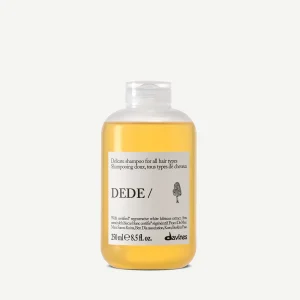
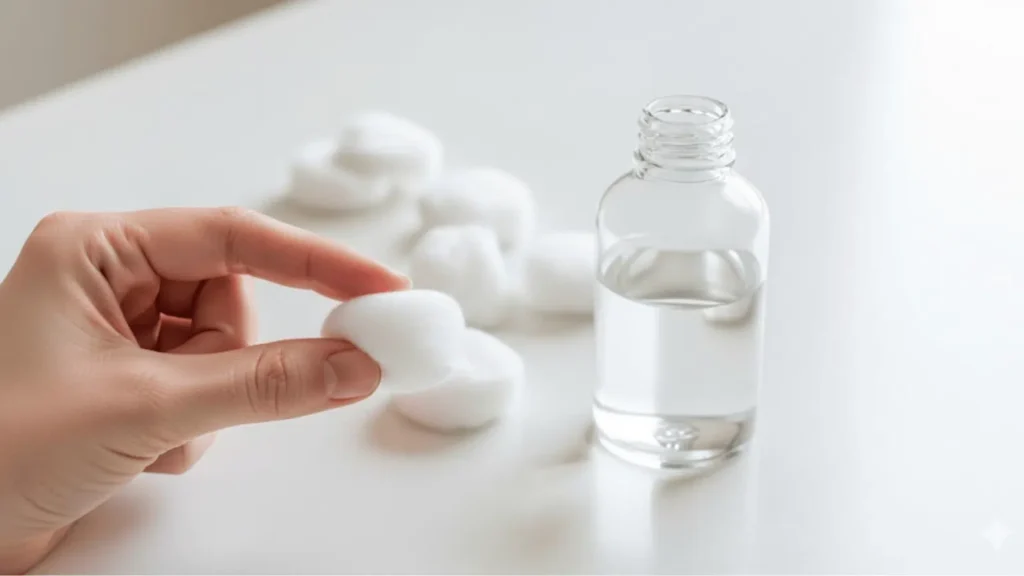
3. Try Fragrance-Free Micellar Water or Makeup Remover
Micellar water or a gentle makeup remover can be useful for small marks along the forehead, cheek, ear, or neck.
- Moisten a soft cotton pad with the product.
- Hold it against the stain briefly instead of rubbing immediately.
- Wipe with light pressure.
- Rinse the area if the product label instructs you to do so.
Keep the product out of the eyes. Stop if it stings, and do not repeatedly wipe the same area until it becomes sore.
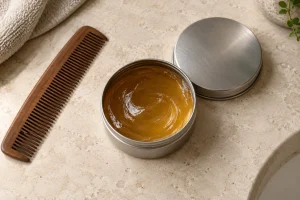
4. Massage With Mineral Oil or Baby Oil
A plain mineral-oil-based product may soften surface residue and can be a reasonable option for the hairline, ears, neck, or hands when the skin is not irritated.
- Place a small amount on clean fingers or a soft cotton pad.
- Massage the stained area gently for about one minute.
- Wipe away the oil with a soft, damp cloth.
- Wash with a mild cleanser and lukewarm water.
There is no need to leave oil on for hours or cover the skin overnight. If you are prone to acne, rinse the area thoroughly after use.
5. Use Petroleum Jelly for a Small Stubborn Mark
Petroleum jelly can reduce friction while you gently massage a small area of intact skin.
- Apply a thin layer to the stain.
- Massage lightly until the jelly begins to pick up some color.
- Remove it with a damp cotton pad or soft cloth.
- Wash gently and pat dry.
Avoid the eyelids and lash line. Do not keep rubbing if the color does not move after one or two attempts.
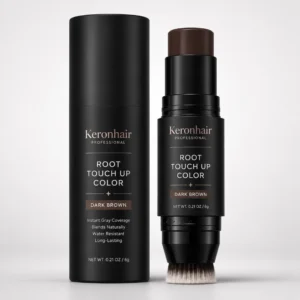
6. Consider a Hair Color Stain Remover Made for Skin
Some salon and retail products are specifically labeled to remove hair color from skin. These may be useful for a persistent stain, but “professional” does not automatically mean appropriate for every body area.
- Confirm that the label says the product is intended for skin.
- Check whether it is suitable for the face or only for hands and the hairline.
- Follow the contact time and rinsing directions exactly.
- Do not use it on broken, inflamed, or recently irritated skin.
- Stop immediately if burning, itching, or swelling develops.
7. Let the Remaining Stain Fade Naturally
If gentle cleansing has removed most of the color, the safest final method may be patience. A flat stain without pain, itching, swelling, or blistering will often become less noticeable with routine washing and natural shedding of surface skin cells.
Continue normal gentle cleansing and moisturizing. Do not repeatedly exfoliate the same area several times a day. The time needed varies by dye, shade, contact time, skin area, and cleansing routine, so a fixed promise such as “two days” or “one week” is not reliable for everyone.
If the color came from a semi-permanent formula, this guide to how semi-permanent hair dye fades explains why direct pigments can behave differently from oxidative permanent color.
Which Removal Method Fits Each Area and Dye Type?
This quick guide helps you choose the mildest reasonable starting point.
| Situation | Best First Step | Avoid |
|---|---|---|
| Fresh stain on forehead, ears, or neck | Mild cleanser and lukewarm water | Scrubs, alcohol, lemon juice, and hot water |
| Dry stain on comfortable facial skin | Oil cleanser, micellar water, or a small amount of petroleum jelly | Acetone, toothpaste, baking soda, and repeated rubbing |
| Stain on hands or around nails | Normal handwashing, oil cleanser, and moisturizer | Bleach, solvent, or abrasive pads |
| Dark permanent or oxidative dye | Gentle cleansing followed by oil-based removal; repeat later if needed | Trying to remove everything in one aggressive session |
| Temporary or semi-permanent dye | Mild cleanser or micellar water | Assuming “temporary” means it cannot irritate skin |
| Henna or botanical color stain | Gentle cleansing and time | Strong acids, solvents, or aggressive exfoliation |
| Burning, itching, rash, swelling, or blisters | Stop removal attempts and rinse the area | Every additional stain-removal product |
How Long Does Hair Dye Stay on Skin?
There is no dependable universal timeline. A small fresh stain may come away during the first gentle wash, while darker dye left on the skin longer may remain visible for several days. The formula, shade, body area, skin condition, and cleanup method all affect the result.
If the skin feels normal and the mark is gradually fading, it is usually reasonable to leave it alone. If the color does not improve, or if the area becomes uncomfortable, seek advice rather than escalating to stronger chemicals.
Also check the product itself. A formula that has separated, changed odor, changed texture, or passed the manufacturer’s stated use period should not be applied. The article on hair dye shelf life and storage explains the practical signs to review.
How to Prevent Hair Dye From Staining Skin
Follow the Product Directions and Skin-Test Instructions
The US Food and Drug Administration advises consumers to follow the directions provided with hair dye and perform the instructed skin test before every use. Sensitivity can develop even after previous applications without a problem. Read the current FDA hair dye safety guidance and follow the instructions for the specific product.
Create a Barrier Around the Hairline
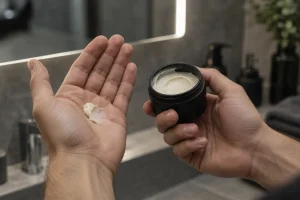
Before coloring, apply a narrow layer of petroleum jelly or a thick fragrance-free moisturizer along the forehead, around the ears, and at the back of the neck. Keep the barrier off the hair itself so it does not interfere with color application.
Wear Gloves During Application and Rinsing
Wear the gloves supplied with the product or suitable disposable gloves for the entire process. Replace a torn glove immediately. Use clips to keep coated hair away from the face and cover the shoulders with an old towel or cape.
Keep a Damp Cloth Ready
Wipe accidental contact promptly with a soft, damp cloth and mild cleanser. There is no evidence-based “10-minute rule”; the practical point is simply that fresh residue is generally easier to remove than dried color.
Protect the Eyes and Damaged Skin
Do not use scalp hair dye on the eyebrows or eyelashes. Do not color an irritated, sunburned, scratched, or otherwise damaged scalp. Keep the product and cleanup materials away from the eyes and follow the label’s age and use restrictions.
Prevent Hair Dye Stains Before They Start
Removing stains is fine; not making them is better. A few minutes of prep is the difference between a clean dye job and twenty minutes of scrubbing afterward. This is standard practice in salons, and it’s easy to copy at home.
Apply a barrier cream first
A thick barrier cream puts a physical wall between the dye and your skin. Spread a generous layer along the entire hairline before you start, and don’t skip the tops of the ears and the back of the neck. Petroleum jelly, a heavy face moisturizer, or solid coconut oil all work.
Wear the right protective gear
- Gloves: wear nitrile or latex gloves the whole time you’re applying and rinsing — not just at the start.
- An old dark towel or cape: drape it over your shoulders to catch drips.
- Clips: pin hair up and off your face so stray strands don’t smear color.
If you want a cleaner routine overall, it’s worth reading up on a low-mess approach to dyeing your hair at home before your next session.
Wipe spills within about 10 minutes
Once dye is on your skin, time works against you. Wipe a spill within roughly ten minutes and it usually leaves no mark; wait longer and oxidation locks the pigment in. So set up before you open the bottle: keep a damp dark towel within arm’s reach and wipe splatters the second you notice them.
When to Stop Home Treatment and Get Medical Help
A stain-removal guide is not a treatment plan for a chemical injury or allergy. Stop using the dye and all removal products if you develop burning, persistent stinging, itching, a spreading rash, swelling, blisters, or increasing pain.
- Contact a healthcare professional promptly if symptoms persist, worsen, or involve blistering or a significant area of skin.
- Seek emergency medical help immediately for swelling of the lips, mouth, tongue, or throat; trouble breathing or swallowing; severe dizziness; confusion; or fainting.
- For eye exposure, rinse continuously with plenty of lukewarm water for at least 15 minutes and obtain urgent medical advice.
- After a suspected allergy, do not use the same dye again until a healthcare professional has advised you. A dermatologist may recommend formal patch testing to identify the trigger.
The American Academy of Dermatology explains that hair color can trigger irritant or allergic contact dermatitis and that a dermatologist can help identify the cause when it is unclear. A skin reaction can appear differently across skin tones, so pay attention to sensation, swelling, heat, tenderness, and texture—not redness alone.
Final Takeaway
For an ordinary hair dye stain on comfortable, intact skin, begin with mild cleanser and lukewarm water. If needed, try a facial oil cleanser, micellar water, mineral oil, petroleum jelly, or a stain remover specifically labeled for skin. Use light pressure, rinse between methods, and allow residual color to fade naturally.
If the skin burns, itches, swells, develops a rash, or blisters, stop treating it as a stain. Rinse the area and seek appropriate medical advice. Protecting the skin barrier is more important than removing every trace of color immediately.
Frequently Asked Questions
What is the fastest way to get hair dye off skin?
The fastest low-risk approach is to clean fresh dye promptly with mild soap or facial cleanser and lukewarm water. For residue on intact skin, an oil-based cleanser or micellar water may help. Avoid aggressive scrubbing.
How do you remove black hair dye from skin?
Start with mild cleanser and water, then try an oil-based facial cleanser, mineral oil, or petroleum jelly if the skin remains comfortable. Dark color may need more than one gentle session. Do not use bleach, acetone, or an abrasive pad.
Can baking soda remove hair dye from skin?
Baking soda is abrasive and can dry or irritate skin, particularly on the face and hairline. A mild cleanser, oil-based cleanser, or micellar water is a more cautious first choice.
Can toothpaste remove hair dye from skin?
Toothpaste is made for teeth, not facial skin. Its flavorings, detergents, and abrasives can cause irritation. It is better to use a product intended for cleansing skin.
Can rubbing alcohol or hand sanitizer remove a hair dye stain?
Alcohol may remove some surface color, but it can also dry and irritate the skin. It is not recommended for the face, neck, broken skin, or an area that already feels uncomfortable.
How long will hair dye remain on skin?
The timeline varies. Some fresh stains wash away immediately; darker or dried stains may remain visible for several days. If the mark is painless and fading, gentle routine cleansing is usually preferable to repeated exfoliation.
What should I do if hair dye burns my skin?
Stop using the dye and stain-removal products, then rinse the area thoroughly with lukewarm water. Seek medical advice if burning continues or if you develop swelling, rash, blisters, or pain. Breathing difficulty or swelling of the mouth or throat requires emergency help.