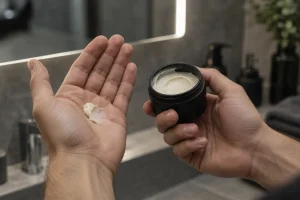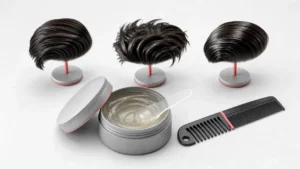
You change up your morning routine, start working a new wax into your hair every day, and a few weeks later — flakes. Dark shirt, bad timing, and an obvious suspect sitting right there on your bathroom shelf. In the hair wax vs. dandruff conversation, the connection seems obvious at first. But here’s the thing: not all flaking is dandruff, and not all dandruff is caused by what you style with.
That distinction matters more than most people realize, because the fix depends entirely on the cause. I’ve seen this play out with clients who reached for the harshest anti-dandruff shampoo on the shelf, unknowingly stripped their scalp’s moisture barrier, and watched their symptoms get worse before they got better. In this guide, I’ll walk you through the science, help you figure out what’s actually going on with your scalp, and give you a practical path forward.
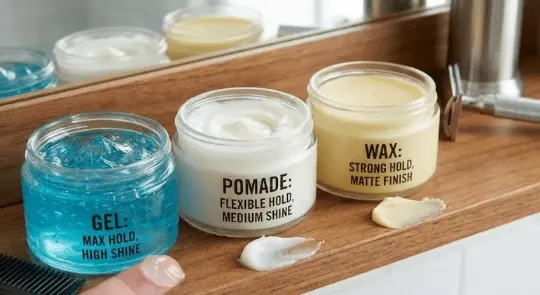
Does Hair Wax Actually Cause Dandruff?
The short answer: no, hair wax does not directly cause dandruff.
True dandruff is a biological condition triggered by a naturally occurring microbe already living on your scalp. Hair wax — regardless of hold strength — cannot manufacture this fungus out of thin air. That said, the hair wax vs. dandruff relationship is more nuanced than a binary yes or no. Heavy formulas and poor washing habits absolutely can create the kind of scalp environment that mimics dandruff or significantly amplifies an existing condition.
When wax isn’t fully rinsed out, it acts as a magnet for dirt, dead skin cells, and excess oil — and that combination creates real problems over time. Understanding what hair wax is actually used for is the first step toward using it smarter, not necessarily less.
True Dandruff vs. Product Buildup: What’s the Difference?
The biggest hurdle in solving a flakey scalp is misdiagnosis. Millions of people switch to aggressive anti-dandruff shampoos when their only real problem is an overloaded styling routine.
True dandruff is an inflammatory response tied to oil production and skin cell turnover. Product buildup, by contrast, is purely cosmetic. One requires targeting a fungal imbalance; the other just needs a smarter washing routine. Confusing the two is one of the most common — and most avoidable — mistakes in the hair wax vs. dandruff debate.
Signs You Have True Dandruff
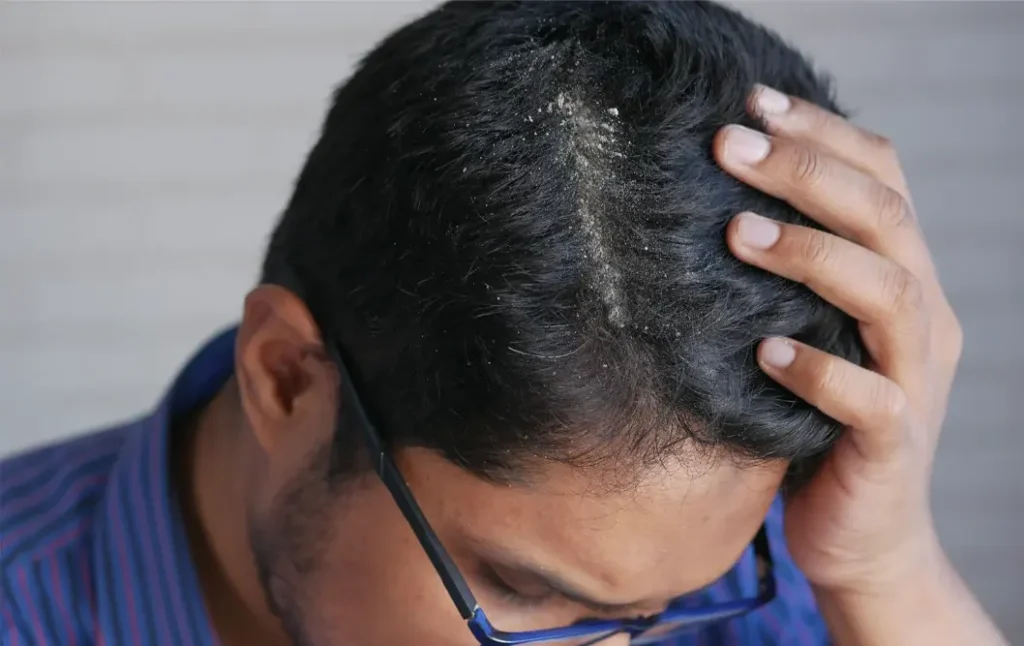
True dandruff — medically known as seborrheic dermatitis — is an inflammatory skin condition. If this is what you’re dealing with, you’ll notice yellowish, greasy-looking flakes, an intensely itchy scalp, and possible redness or irritation along your hairline or part. The flakes tend to be larger, oilier, and they cling to your scalp rather than falling freely.
Signs You Have Dry Scalp Flaking
Sometimes the issue is simply a lack of moisture. If your flakes are small, white, and powdery — almost like dry snow — and your scalp feels tight rather than greasy, you’re probably dealing with dry skin, not fungal dandruff. This often flares up during colder months or after washing with very hot water, which strips your scalp’s natural protective oils.
Signs You Have Product Buildup Flaking
This is the sneaky culprit that tricks most people in the hair wax vs. dandruff conversation. If you’re using heavy wax and spotting white, waxy clumps that look suspiciously like the product you applied that morning, it’s probably residue. These flakes typically cling to the hair shaft rather than falling from the scalp, they’re usually not accompanied by intense itching or redness, and your hair will feel heavy and greasy rather than clean.
What Is Hair Wax Buildup — and Why Does It Flake?
Hair wax buildup happens when non-water-soluble ingredients — petrolatum, beeswax, heavy synthetic polymers — aren’t fully broken down during washing. Because these ingredients are engineered to resist moisture (that’s how they keep your style locked in all day), standard gentle shampoos often glide straight over them without making a dent.
Over several days, this invisible residue forms an occlusive seal over your hair follicles. It physically traps your scalp’s natural oils and dead skin cells underneath. When that mixture eventually dries out and cracks from everyday friction or brushing, it sheds as a shower of white flakes that look exactly like a bad dandruff flare-up. In most hair wax vs. dandruff situations, this is what’s actually happening — and the good news is it’s completely fixable with the right approach.
How Styling Products Trigger Scalp Problems
Hair wax doesn’t directly create dandruff, but it acts as a significant catalyst for scalp disruption by altering your skin’s natural ecosystem. Two mechanisms drive most of the damage.
The Moisture Trap: A Breeding Ground for Fungus
Your scalp naturally hosts a microscopic yeast called Malassezia, which quietly feeds on your sebum. Applying heavy, oil-based waxes near the roots creates an occlusive layer over the skin — and that trapped environment creates problems quickly:
- Fungal overgrowth: The damp, sealed microclimate accelerates Malassezia multiplication.
- Irritation response: The excess fungus breaks down trapped sebum into irritating fatty acids.
- Accelerated shedding: Your scalp defends itself by rapidly shedding skin cells, triggering a genuine wave of itchy, oily dandruff flakes.
According to the Mayo Clinic, Malassezia overgrowth is one of the primary drivers of dandruff — which is why avoiding anything that encourages its spread matters so much in your daily routine.
Clogged Pores and Folliculitis
Just like your face, your scalp depends on thousands of tiny follicles and sebaceous glands to breathe and self-cleanse. When heavy styling polymers sit on your scalp overnight, they physically plug these openings:
- Bacterial trapping: Blocked pores seal in sweat, dead skin, and sebum, creating a welcoming environment for bacterial growth.
- Folliculitis: This leads to localized follicle infections — tender, pimple-like red bumps that sting or itch rather than simply flake.
- Long-term risk: Chronic follicle inflammation can weaken hair roots over time, escalating from surface flakes to potential hair thinning.
Common Wax Ingredients That Aggravate Dandruff
Not all hair waxes are built the same way. Certain heavy-hold ingredients are far more likely to build up on the scalp, trap oil, and feed yeast overgrowth. Here’s what to look out for:
- Petrolatum (petroleum jelly): An occlusive agent that seals the scalp, trapping sebum and sweat to create a prime environment for dandruff-causing fungus.
- Beeswax: Delivers excellent hold but is notoriously difficult to wash out without a strong clarifying shampoo.
- Mineral oil: Coats hair roots and clogs pores, sealing in the excess oil that feeds Malassezia growth.
- Silicones (e.g., dimethicone): Create a smooth, polished finish but form a stubborn, water-resistant film that traps dead skin cells underneath.
Which Styling Products Carry the Highest Dandruff Risk?
Picking a styling product is always a trade-off between hold and scalp health. A heavy pomade might lock your look in place for days, but it simultaneously creates the kind of occlusive barrier that makes hair wax vs. dandruff a recurring frustration. Here’s how common products compare:
| Product Type | Buildup Risk | Dandruff Risk | Water Soluble? |
|---|---|---|---|
| Petroleum-Based Wax | High | High | No |
| Beeswax Pomade | High | Moderate–High | No |
| Water-Based Wax / Clay | Low–Moderate | Low–Moderate | Yes |
| Hair Gel (alcohol-based) | Low | Moderate (drying) | Yes |
| Dry Shampoo | Moderate | Moderate | Partial |
| Hair Mousse | Low | Low | Yes |
Dry Shampoo: A Commonly Overlooked Culprit
Dry shampoo is a fantastic tool for extending your style between wash days — but it’s one of the most underrated triggers in the hair wax vs. dandruff picture. It doesn’t clean your hair; it only masks oil.
The starches and clays in dry shampoos absorb excess sebum by sitting directly on your scalp. Left there across multiple days in a row, that powdery mixture cakes into a dense layer of residue that smothers follicles and locks yeast-feeding oils against the skin. If you’re already prone to scalp irritation, overusing dry shampoo can rapidly accelerate a flare-up.
High-Alcohol Products and Scalp Dryness
Strong-hold gels, hairsprays, and liquid styling glazes often rely on fast-drying alcohols — like alcohol denat or isopropyl alcohol — to set your look instantly. What dries fast on your hair also strips moisture from your skin, which triggers two distinct types of flaking:
- Direct dehydration: Skin becomes so parched it cracks and sheds tiny, white, powdery flakes — technically dry scalp, not fungal dandruff.
- The rebound effect: In response to severe dryness, your sebaceous glands flood the scalp with compensatory oil. That sudden influx feeds Malassezia, turning a simple dry-skin issue into a full-blown dandruff flare-up.
Prevention: How to Use Hair Wax Without Ruining Your Scalp
You don’t have to choose between a great hairstyle and a healthy scalp. Preventing product-induced flaking isn’t about giving up hair wax altogether — it’s about using it smarter. A few targeted changes to your routine make a meaningful difference.
Clarifying Your Scalp: How and How Often
Standard daily shampoos are designed to wash away sweat and surface grime, but they often lack the power to break down heavy waxes and styling polymers. A dedicated clarifying shampoo is the missing piece for most regular wax users.
- How it works: Clarifying shampoos use high-powered surfactants that bind to stubborn oils, synthetic waxes, and heavy residues — lifting them cleanly off the hair shaft and scalp.
- Ideal frequency: Once a week is the sweet spot for most wax users. If you rely on heavy, oil-based products every day, twice a week may serve you better.
- One caution: Don’t use a clarifying shampoo daily. Over-cleansing strips your scalp’s essential moisture barrier, triggering the very dry-scalp flaking you’re trying to prevent.
Choosing a Dandruff-Safe Hair Wax
In any honest hair wax vs. dandruff conversation, ingredient selection is where the battle is really won or lost. Moving away from traditional heavy-grease formulas toward modern, scalp-friendly alternatives will dramatically reduce your risk of clogged follicles and fungal overgrowth.
Ingredients to look for:
- Water-soluble bases: PEG-derived ingredients (such as PEG-7 glyceryl cocoate) allow the wax to emulsify and rinse out completely with water.
- Natural clays: Kaolin or bentonite clay deliver an excellent matte hold while naturally absorbing excess scalp oil rather than trapping it.
- Scalp-soothing extracts: Tea tree oil, rosemary oil, or witch hazel provide natural antimicrobial properties that help keep Malassezia populations in check.
Ingredients to avoid:
- Petrolatum and mineral oil — these petroleum derivatives form an impenetrable seal over the skin, locking in sweat and triggering follicle inflammation.
- Heavy unrefined beeswax — highly hydrophobic and difficult to remove without aggressive scrubbing.
- Non-soluble silicones like dimethicone — build up over time and trap dead skin beneath a stubborn, clingy film.
For scalp-friendly styling options formulated with these principles in mind, it’s worth exploring what’s available at Keron Hair — particularly their water-based formulas if product buildup has been a recurring issue for you.
Application Technique: Keep Wax Off Your Scalp
The golden rule is simple: hair wax belongs on your hair strands, not on your skin. Applying product directly to the roots is the fastest path to clogged pores and rapid buildup flaking.
Try this technique instead:
- Emulsify completely. Scoop a small, dime-sized amount of wax and work it vigorously between your palms until it warms up and becomes nearly invisible on your hands.
- Start from the back. Begin at the back of the head, working from mid-shaft to the ends where the hair is thickest.
- Lightly style the front. Use only the residue left on your fingertips to shape the front and top sections.
- Avoid the roots. Don’t rake your fingers flat against your scalp or massage the product into the root zone.
When to Add an Anti-Dandruff Shampoo
If you’ve clarified thoroughly, adjusted your application technique, and eliminated all product buildup — but flakes, itching, and redness still persist — you’re most likely dealing with true fungal dandruff or seborrheic dermatitis rather than product-induced flaking.
At this stage, bring in a targeted anti-dandruff shampoo with proven active ingredients:
- Zinc pyrithione or piroctone olamine: Effective for day-to-day fungal control and calming minor scalp irritation.
- Ketoconazole: A medical-grade antifungal reserved for stubborn, persistent flare-ups.
- Salicylic acid: Excellent for breaking down oily, sticky scales so they rinse away cleanly.
Massage the shampoo directly into your damp scalp and let it sit for 3–5 minutes before rinsing. That contact time is what gives the active ingredients a real chance to penetrate the skin and address the underlying issue.
Best Hair Wax Alternatives for Dandruff-Prone Scalps
If your scalp consistently reacts poorly to traditional waxes, switching to lighter alternatives can genuinely transform your scalp health without sacrificing your style.
Water-based clays and light styling creams offer excellent, flexible hold without forming a moisture-trapping barrier over your roots. Lightweight mousses and sea salt sprays deliver volume and texture with formulas that rinse away effortlessly, keeping your scalp microbiome balanced and flake-free.
If you’re weighing up your options and not sure which product type suits your needs, understanding what hair wax is used for gives you a clearer picture of how different formula types behave — and which ones are worth avoiding if buildup is a known trigger for you.
Conclusion
The hair wax vs. dandruff question doesn’t have a dramatic answer: wax doesn’t directly cause dandruff, but the wrong formula combined with the wrong habits creates exactly the conditions where dandruff thrives. By switching to water-soluble alternatives, keeping styling products off your scalp, and clarifying weekly, you can maintain a strong hold and a healthy, flake-free scalp — without having to choose between the two.
Frequently Asked Questions
Can Hair Wax Directly Cause Dandruff?
Hair wax cannot cause dandruff in isolation — true dandruff requires the presence of Malassezia yeast and a susceptible scalp. In the broader hair wax vs. dandruff picture, though, wax-related buildup can create the exact conditions that trigger or worsen dandruff in people who are already predisposed to it.
How Do I Remove Hair Wax Buildup From My Scalp?
Use a clarifying shampoo formulated with surfactants such as sodium lauryl sulfate or cocamidopropyl betaine. Apply to wet hair, massage into the scalp for 60–90 seconds, and rinse thoroughly. For heavy, persistent buildup, a scalp scrub with fine exfoliating particles used before shampooing can significantly improve removal.
Is It Safe to Use Hair Wax If I Have Dandruff?
Yes, with the right modifications. Switch to a water-based wax rather than a petroleum or beeswax formula, apply product away from your scalp, and maintain a consistent clarifying routine. If symptoms persist despite those changes, consult a dermatologist.
Does Pomade Cause More Dandruff Than Hair Wax?
Traditional oil-based pomades carry a higher buildup risk than most modern hair waxes and are more likely to aggravate dandruff in sensitive scalps. Water-based pomades are considerably safer. The key variable is always the base formulation — not the product category label.