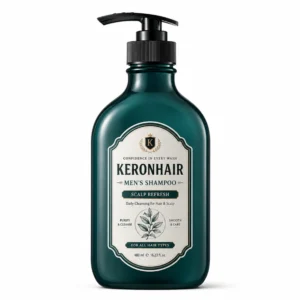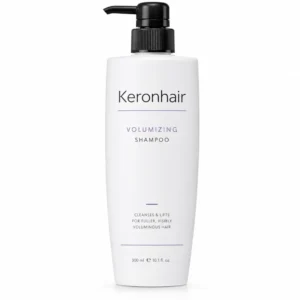
Shampoo cleans your scalp and hair, but different types of shampoo solve different problems. A bottle for oily roots won’t necessarily help with yellow tones in blonde hair. A rich formula for dry lengths may leave you wishing for more lift.
I’d start with what you want to change after washing. These 12 common choices cover different needs, and you don’t have to choose between caring for your scalp and looking after your ends.
What Are the Main Types of Shampoo?
Common types include regular, clarifying, chelating, moisturizing, smoothing, volumizing, color-safe, toning, repair, anti-dandruff, sensitive-scalp, and dry shampoo. These are useful shopping categories, not a universal classification. One formula can fit several categories, while dry shampoo refreshes the appearance of oily hair rather than replacing a wash with water.
| Shampoo Type | When to Consider It | Main Limitation |
|---|---|---|
| 1. Regular / gentle daily | Routine washing | “Daily” isn’t a required schedule |
| 2. Clarifying | Persistent styling-product residue | Not automatically a mineral-removal formula |
| 3. Chelating / hard-water | Mineral buildup concerns | Roughness alone doesn’t identify the cause |
| 4. Moisturizing | Dry-feeling lengths | May still need conditioner |
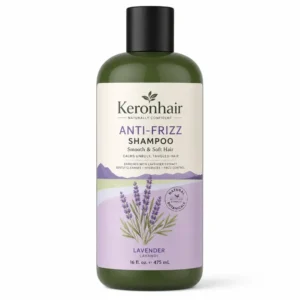
| 5. Smoothing / anti-frizz | Frizz and difficult handling | Doesn’t permanently straighten hair |
| 6. Volumizing | Fine hair that falls flat | Doesn’t treat hair loss |
| 7. Color-safe | Routine care after coloring | Doesn’t guarantee zero fading |
| 8. Toning | Unwanted yellow or orange tones | Doesn’t lighten your base color |
| 9. Strengthening / repair | Damaged, breakage-prone lengths | Benefits depend on the formula |
| 10. Anti-dandruff | Dandruff management | Not a diagnosis for every flake |
| 11. Sensitive-scalp | Personal sensitivity concerns | No label guarantees compatibility |
| 12. Dry shampoo | A temporary oily-root refresh | Doesn’t replace shampoo and water |
Everyday and Deep-Cleansing Shampoos
Everyday oil, stubborn styling residue, and mineral deposits call for different approaches. Before buying a stronger cleanser, consider what you need it to remove.
1. Regular and Gentle Daily Shampoo
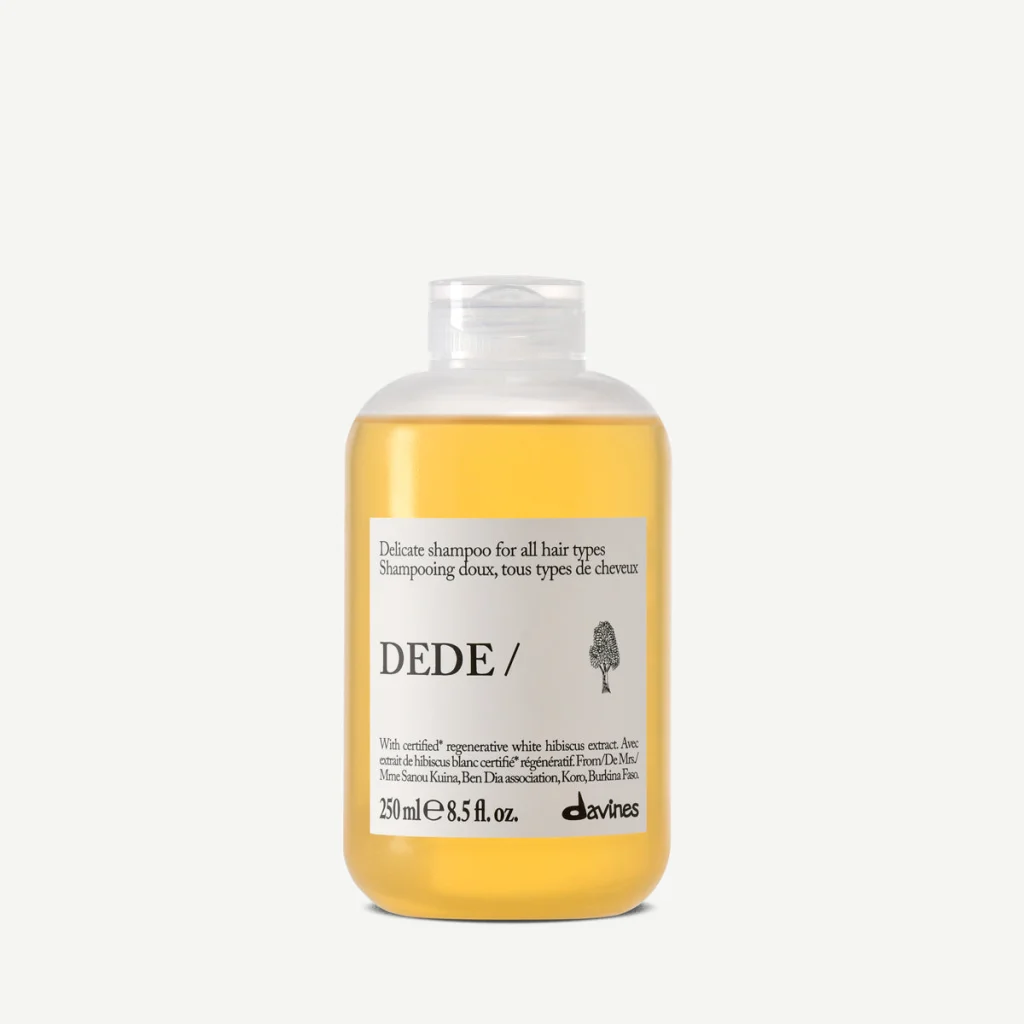
If you mainly need to wash away everyday oil and dirt, start here. A regular shampoo can be enough; you don’t need a specialist formula at every wash.
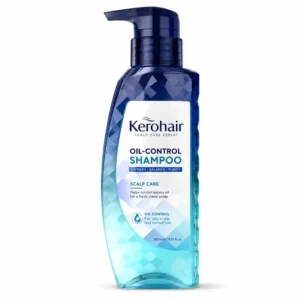
“Daily” describes how a product is positioned, not how often you must use it. An oily scalp doesn’t automatically require clarifying shampoo every time. Look for a routine that leaves your scalp comfortable and your hair manageable.
2. Clarifying Shampoo
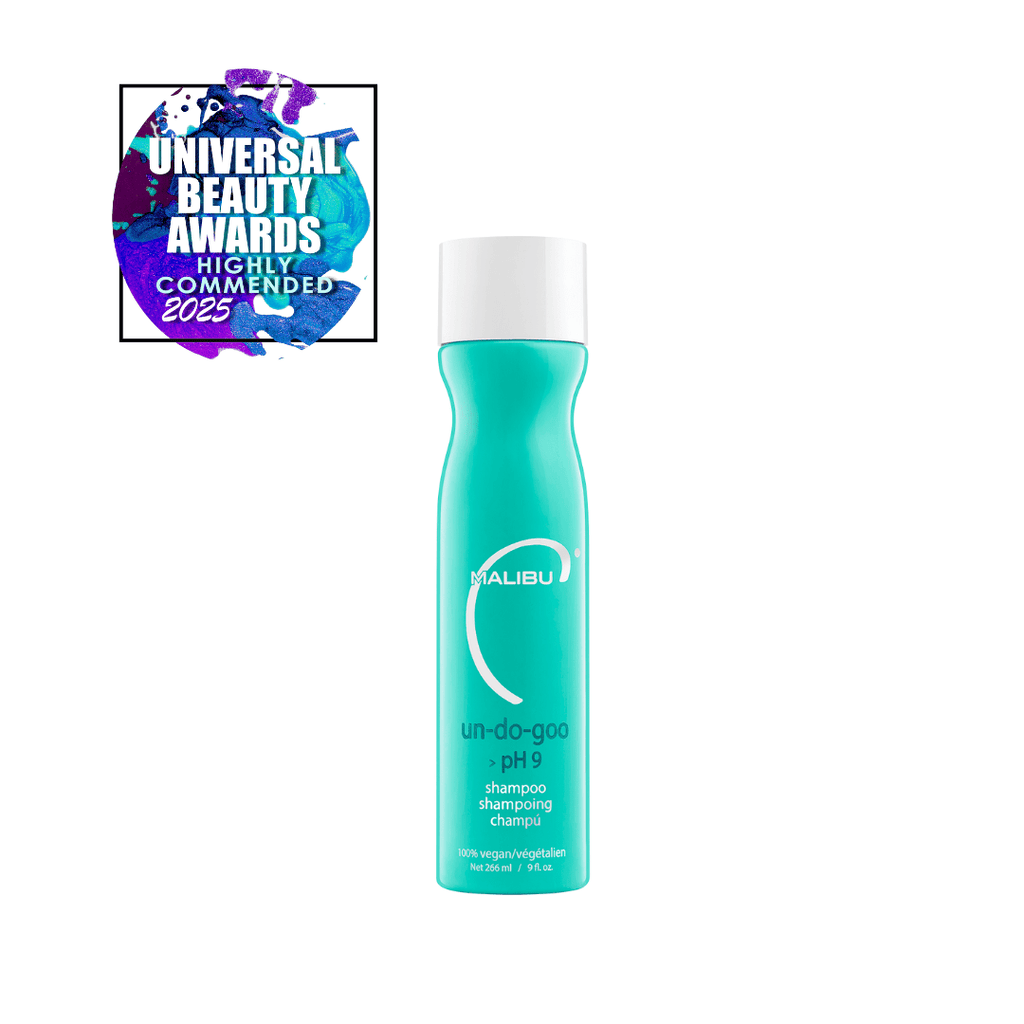
A clarifying formula targets accumulated product residue. Consider it when your usual wash isn’t removing what you’ve been applying. One bad hair day isn’t enough to tell you that you need a deeper clean.
Before adding one, check:
- Have you recently increased your use of pomade, wax, or other styling products?
- Are you washing and rinsing thoroughly with your current shampoo?
- Does your scalp already feel tight or irritated after washing?
Itching or roughness alone doesn’t prove buildup. If styling residue is your concern, our guide to washing pomade out of your hair explains why the product you apply matters.
3. Chelating or Hard-Water Shampoo
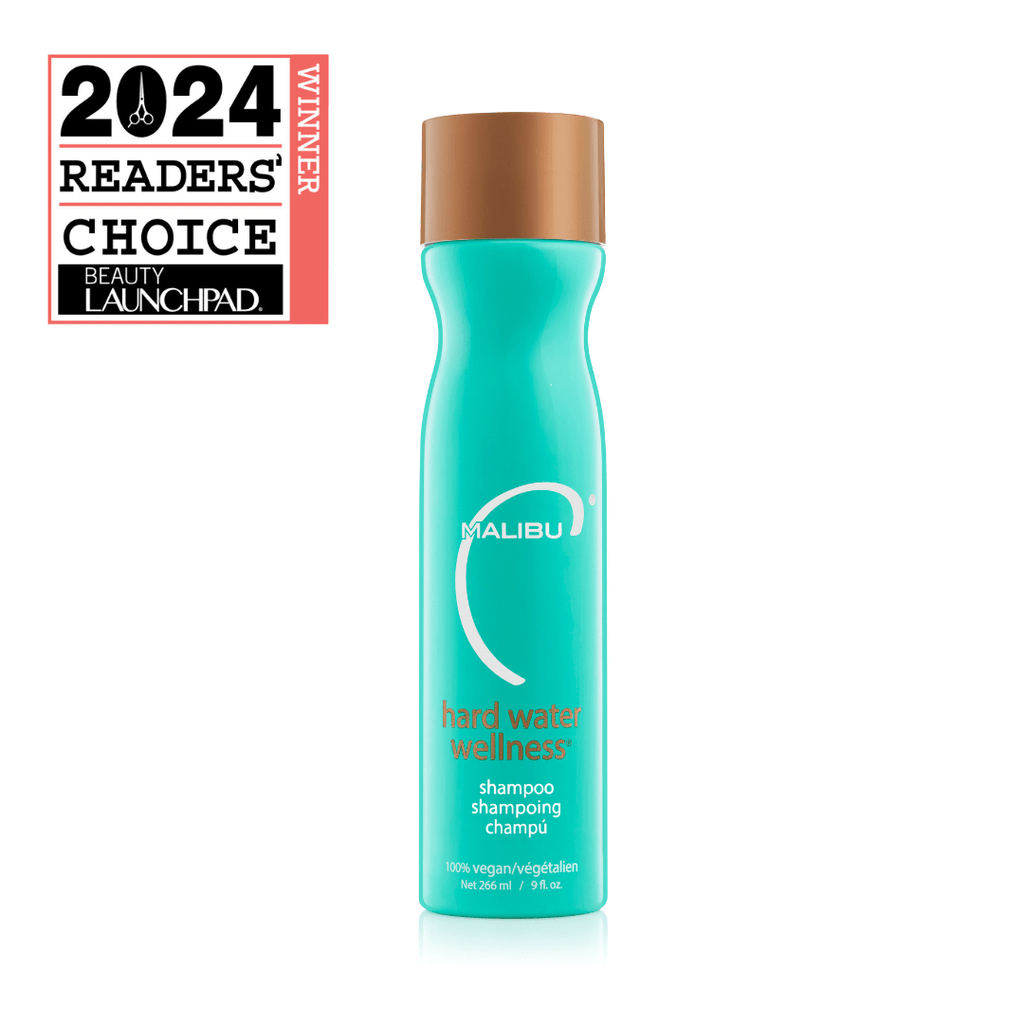
Chelating shampoos target mineral deposits associated with water exposure. Some products also remove styling residue, but “clarifying” and “chelating” aren’t interchangeable labels.
Check that the product specifically targets mineral buildup. Finding EDTA in an ingredient list doesn’t tell you how effectively the finished shampoo removes deposits. If you suspect hard water, information about your water supply is more useful than guessing from rough hair alone.
Shampoos for Moisture, Smoothness, and Volume
You might want softer ends, less frizz, or roots that don’t fall flat. Knowing which result you’re missing helps you choose without treating every hair concern as a moisture problem.
4. Moisturizing Shampoo
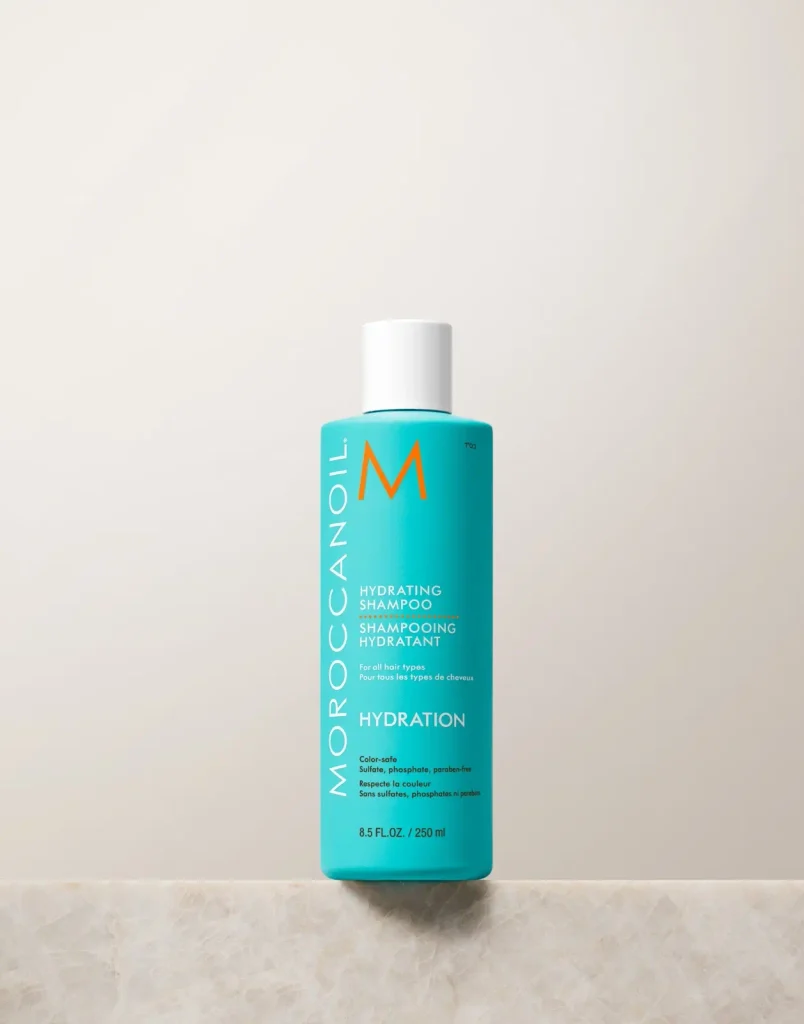
These formulas offer conditioning support while cleaning. They’re worth considering when your lengths feel dry after washing, although a softer feel doesn’t tell you how much water your hair contains.
You may still need conditioner. If your roots already feel heavy, a richer shampoo may not address the dryness you notice at the ends. Our guide to adding moisture without making hair greasy covers that balance beyond the shampoo step.
5. Smoothing and Anti-Frizz Shampoo
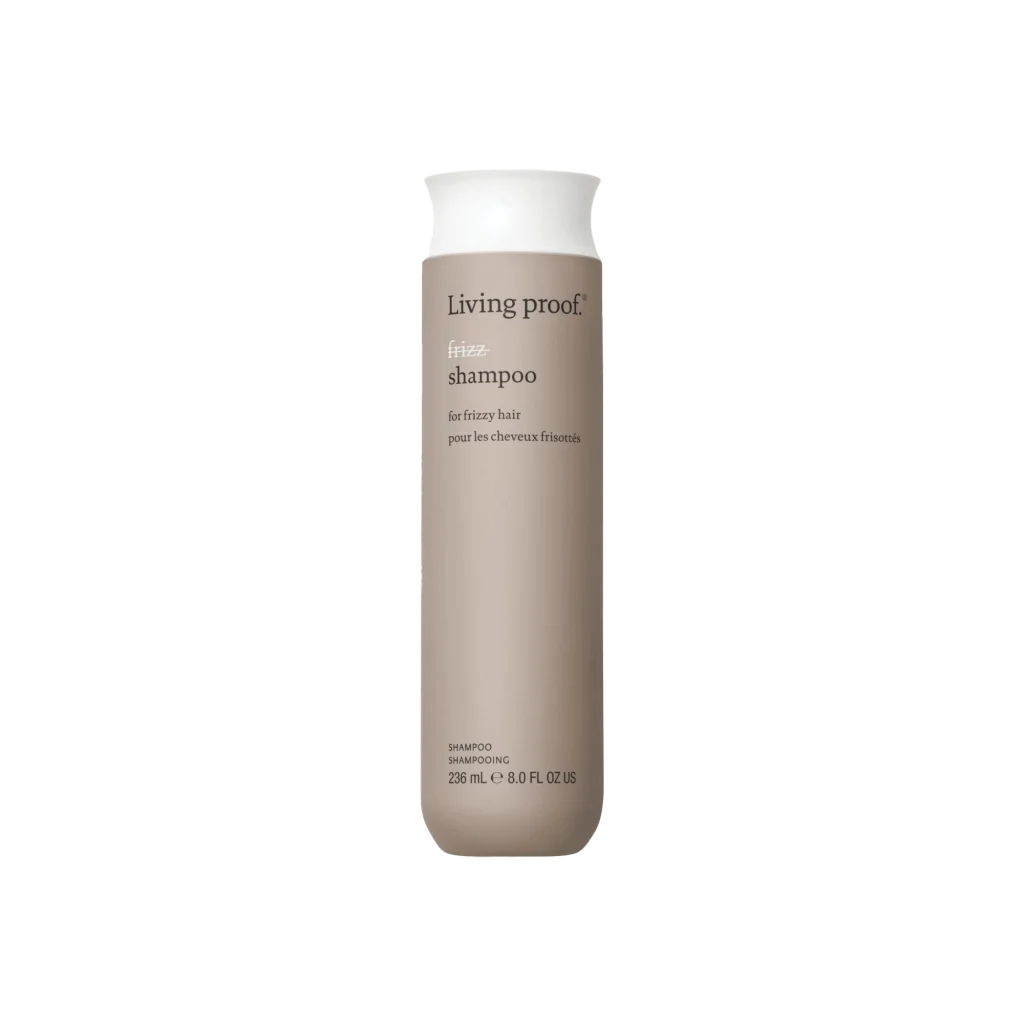
A smoothing shampoo aims for a smoother feel and a less frizzy appearance. It can overlap with a moisturizing formula, so you don’t necessarily need one of each.
Think about your preferred finish. If you want defined waves, easier detangling may matter more than a sleek result. Shampoo doesn’t permanently straighten hair or replace styling. Judge a smoothing formula by how your hair handles and looks once dry, including whether you still like its movement.
6. Volumizing Shampoo
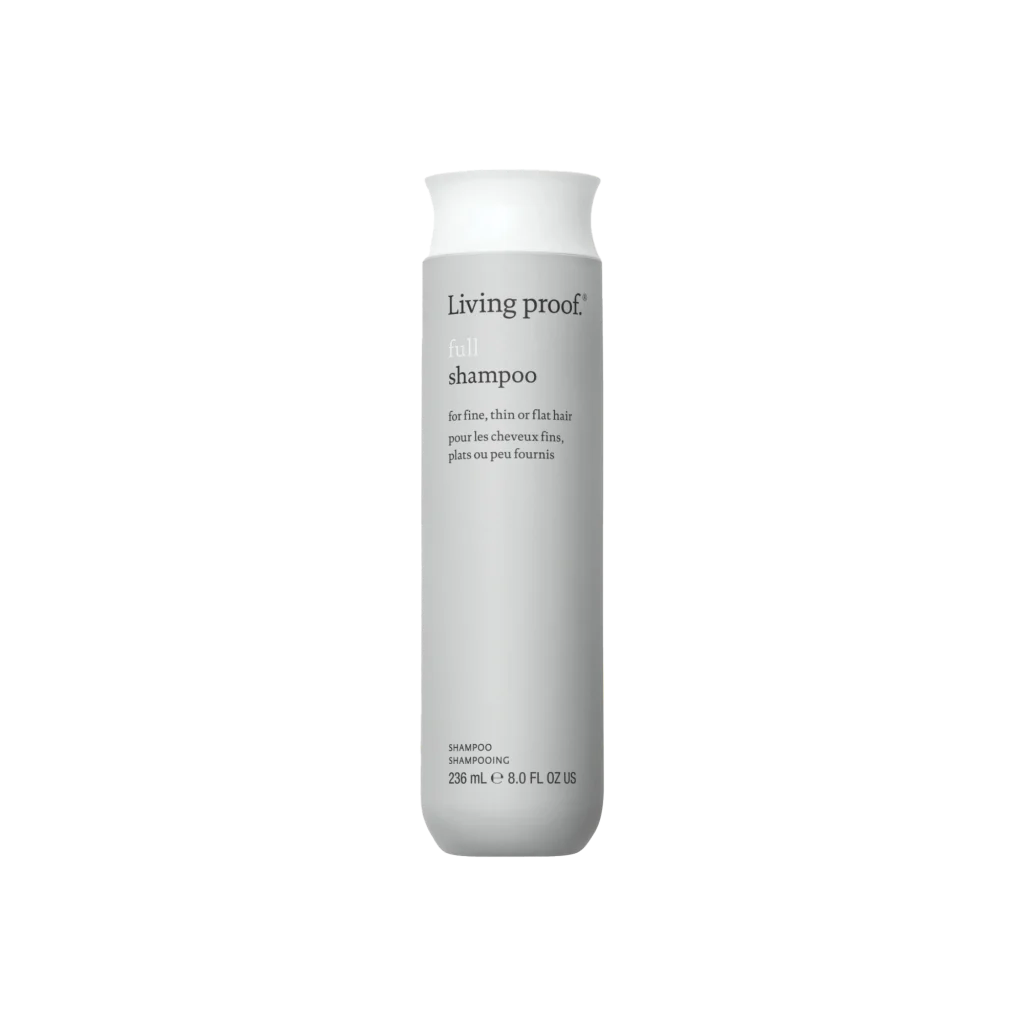
If your hair feels clean but falls flat, a volumizing formula is an option for a fuller-looking finish. Assess it once your hair is dry, using your usual styling routine. Check the ends too: extra lift is less appealing if combing becomes a struggle.
Fine hair has relatively thin individual strands; thinning hair refers to a change in density. Shampoo that makes hair look fuller shouldn’t be treated as a hair-loss treatment.
Shampoos for Color-Treated and Damaged Hair
Maintaining your color, adjusting its tone, and caring for damaged lengths are separate tasks. You may need help with just one, even though they’re often grouped together on the shelf.
7. Color-Safe Shampoo
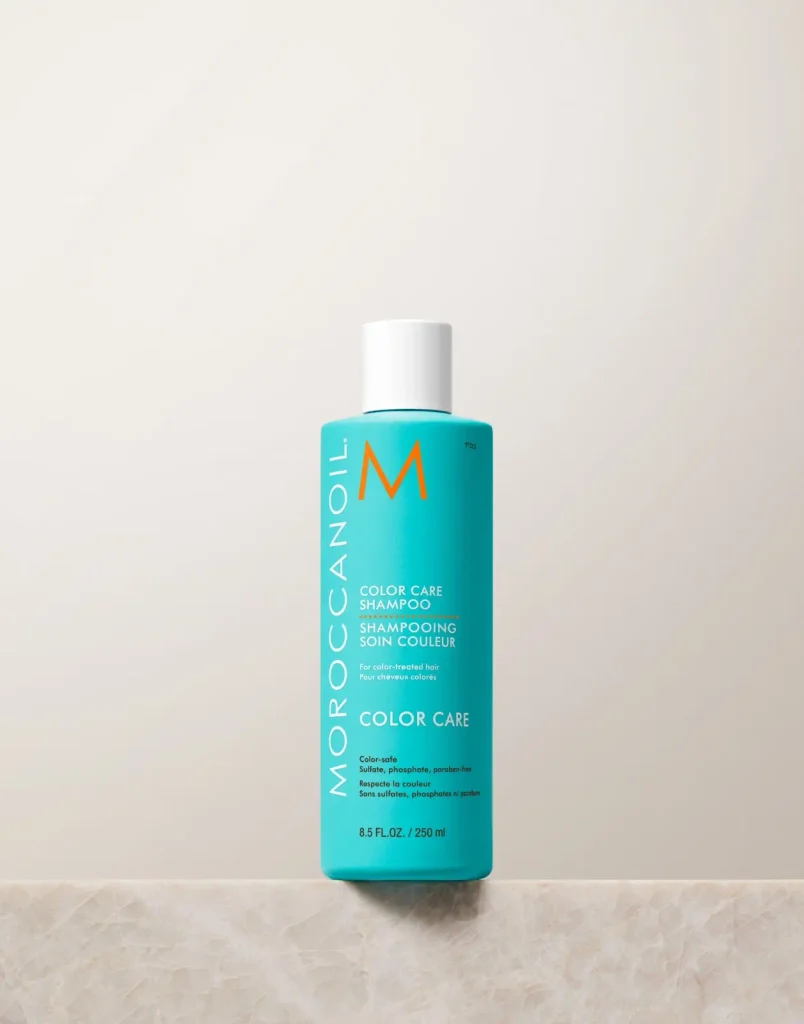
“Color-safe” signals a product intended for dyed hair. It doesn’t promise that your color will never fade, and a sulfate-free label alone can’t tell you how well a formula preserves your particular shade.
You still need a wash that suits your hair. If you’re choosing between lighter-feeling roots and softer ends, our guide to choosing shampoo for color-treated hair covers those decisions in more detail. Coloring your hair doesn’t erase its other needs.
8. Purple, Blue, and Other Toning Shampoos
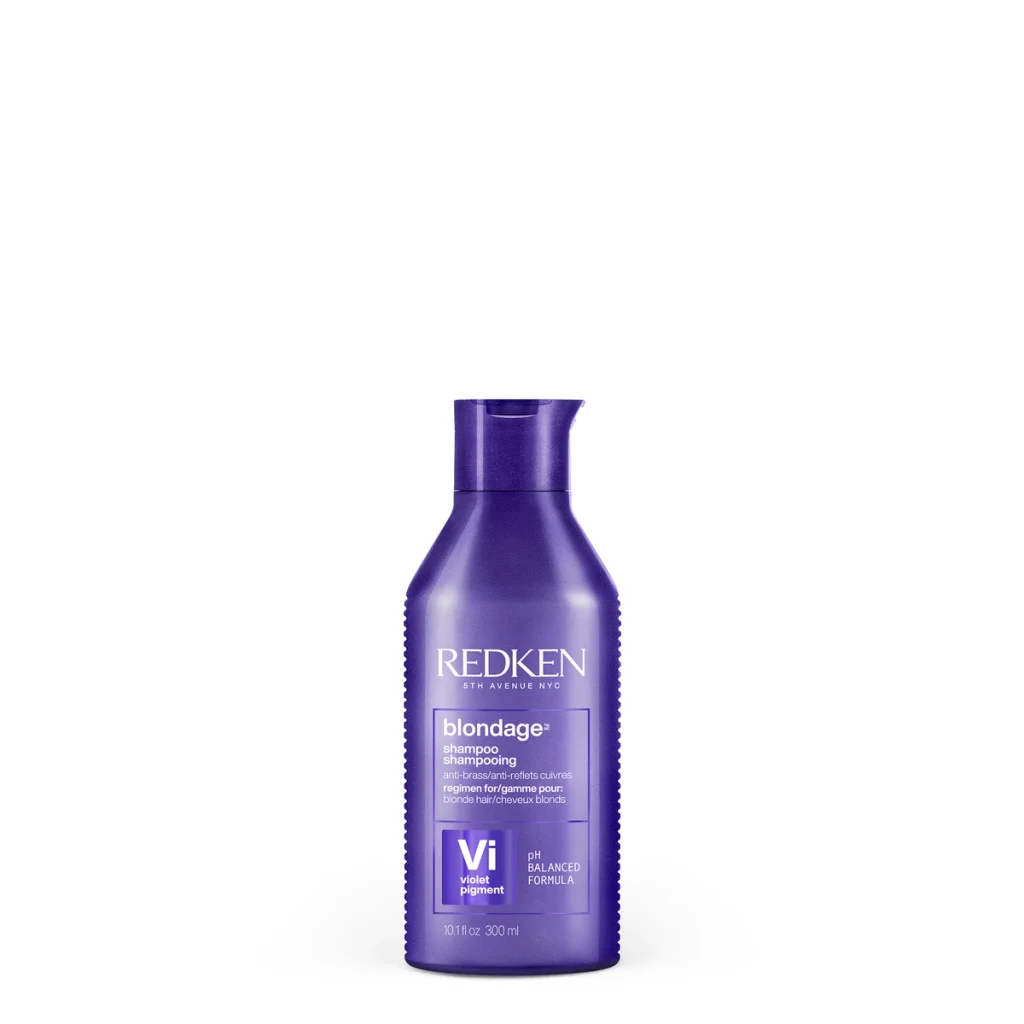
Toning shampoos deposit pigment to adjust unwanted tones. Purple generally helps counter yellow, while blue generally helps counter orange. Choose for the tone you can see and the hair colors listed on the product.
These shampoos don’t lighten your base color or work like permanent dye. Follow the specific timing and frequency instructions; leaving one on longer isn’t automatically better. If you’re unsure which tone needs correcting, ask your colorist before choosing by bottle color.
9. Strengthening and Repair Shampoo
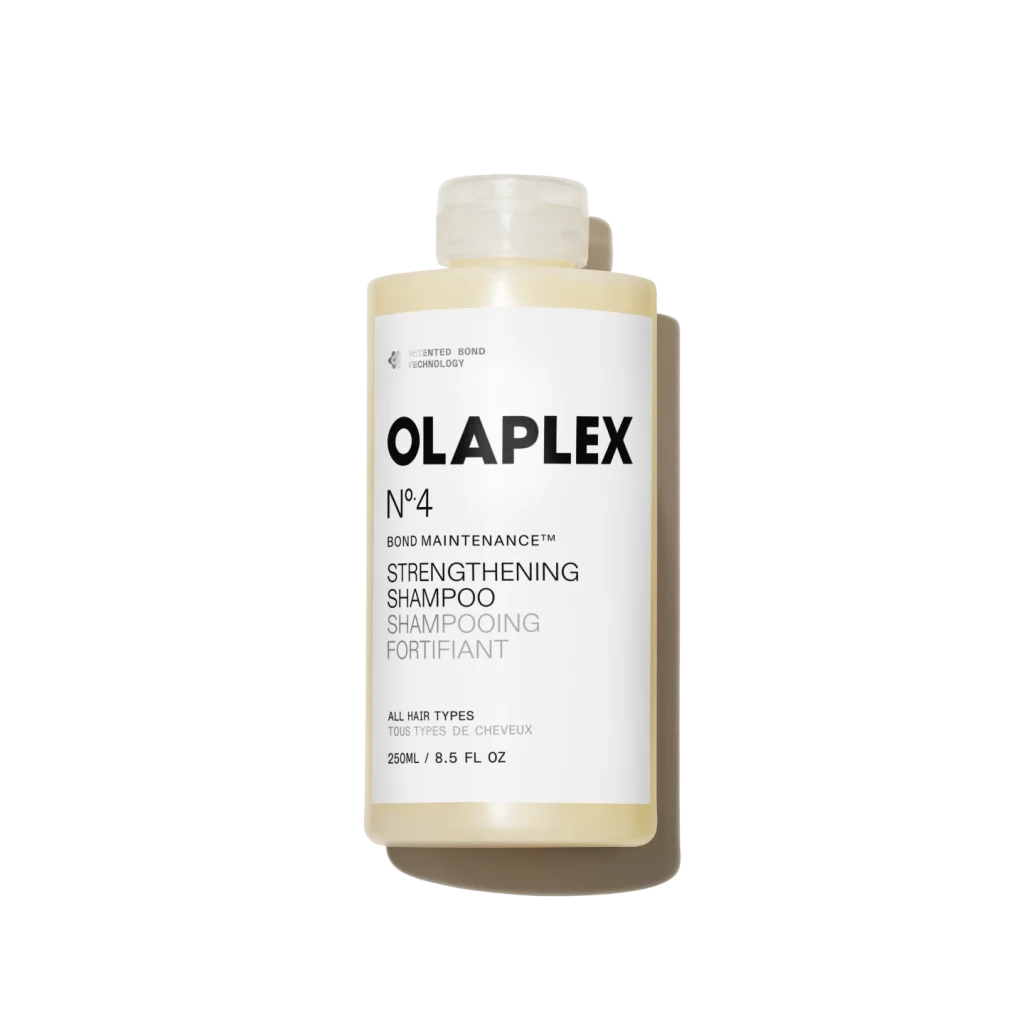
A repair formula may make damaged hair easier to handle or help reduce breakage, depending on the product and its evidence. That doesn’t mean it restores every damaged strand to its original condition.
Read what the brand actually claims. Easier combing and less breakage during brushing are different from hair regrowth. Nor should you assume that a protein formula, including one with keratin, works the same way as a “bond-building” product.
Shampoos for Flakes and Sensitive Scalps
Flakes don’t automatically mean your scalp needs more moisture. And if a wash leaves your scalp uncomfortable, choosing something stronger may be the wrong next step. Persistent scalp symptoms need attention beyond how your hair looks.
10. Anti-Dandruff Shampoo
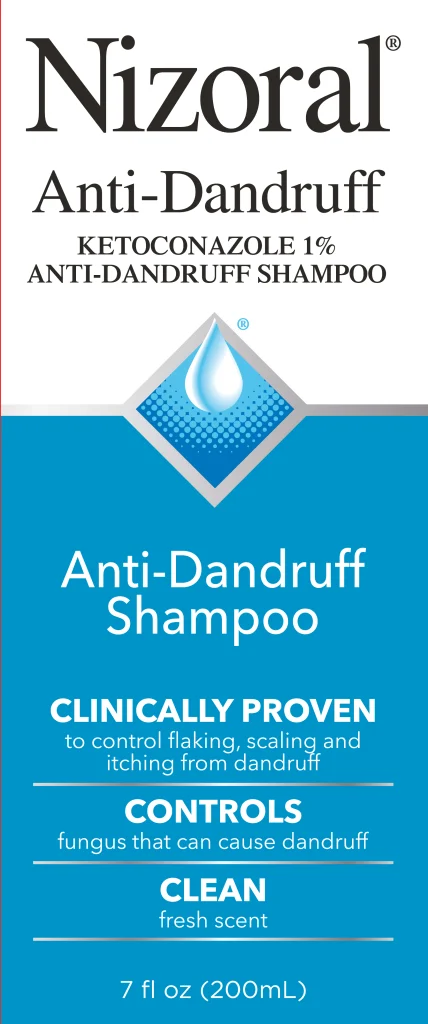
Anti-dandruff shampoos contain ingredients intended to manage dandruff. Check the application time, frequency, and age restrictions on your bottle; another product may have different directions.
The American Academy of Dermatology’s dandruff guidance recommends following the product instructions and seeing a dermatologist for severe or persistent dandruff. Other scalp conditions can resemble it. A cooling sensation alone doesn’t show that a product is treating the cause of your flakes.
11. Shampoo for Sensitive Scalps
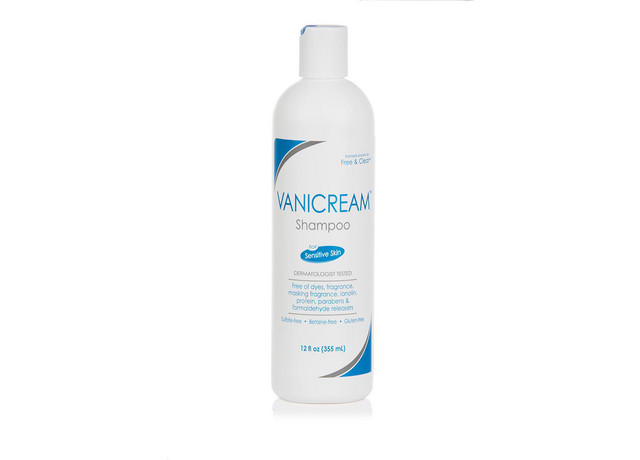
A sensitive-scalp label can help narrow your search, but it can’t guarantee that you’ll tolerate the formula. “Natural” doesn’t guarantee that either. Start with what you already know about your skin’s reactions.
- Check the ingredients against any allergies or irritants already identified for you.
- Change one product at a time so you can better track your response.
- Stop using a product that causes irritation; seek professional advice for severe or persistent symptoms.
Dry Shampoo: What It Can and Cannot Do
12. Dry shampoo
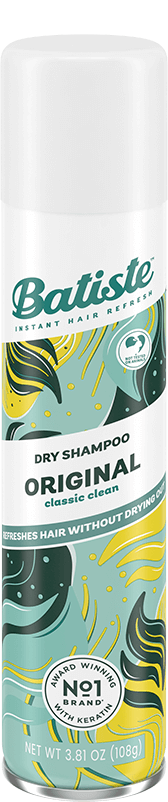
Dry shampoo absorbs oil to make hair look fresher between washes. Despite its name, it doesn’t do the same job as washing with water. It’s useful to keep that distinction in mind when deciding whether your roots need a refresh or a wash.
The AAD’s dry shampoo advice explains that you still need shampoo and water to clean your hair and scalp. Apply a small amount only where needed and follow the directions. Repeated layers of dry shampoo don’t replace that cleaning step.
Where Do Sulfate-Free Shampoos, Bars, and 2-in-1s Fit?
These names describe ingredients, format, or intended users. They overlap with the 12 categories above, which is why one bottle can be both moisturizing and color-safe, for example.
- Sulfate-free describes an ingredient choice. It doesn’t, by itself, establish how mild or effective the whole formula will be.
- Shampoo bars describe a solid format. Not all bars are soap, and solidity doesn’t tell you cleansing strength.
- A 2-in-1 combines washing and conditioning. Judge whether it gives your lengths enough conditioning for your needs.
- Curl, men’s, and baby shampoos identify intended users or needs. Check the actual function and, for children, the age-specific directions.
You may also see co-washes: cleansing conditioners formulated for that purpose. Ordinary conditioner isn’t automatically an equivalent substitute.
How Do You Choose When Your Scalp and Hair Need Different Things?
I’d identify your cleaning or scalp-care need first, then consider how you want your lengths to feel. These hypothetical situations show how to make that choice without buying a separate bottle for every concern.
Oily Roots and Dry Ends
Suppose your roots become greasy while the ends feel rough. Choose a shampoo that adequately cleans your scalp, and concentrate conditioning where you need it along the lengths.
The AAD’s healthy-hair tips recommend focusing shampoo on the scalp and adjusting conditioner placement to your hair type. You can care for the oily roots and dry ends separately, even during the same wash.
Fine Hair That Is Also Color-Treated
Imagine wanting to maintain your shade without flattening your roots. Look for a formula intended for colored hair that also suits fine hair. You don’t have to choose one concern and ignore the other.
Keep your conditioner and styling routine consistent while you assess the change. Check root lift and how easily the ends detangle. Comparing color in similar lighting can make your observations more useful, though this isn’t a controlled test of color protection.
Curly Hair with Styling-Product Buildup
Suppose you’re layering curl cream and gel, and your usual wash leaves a coated feel. Notice how your hair feels after rinsing, before applying styling products again. That gives you a clearer starting point than judging it through yesterday’s gel.
A clarifying option may help if residue remains, but follow its directions and consider how your lengths feel afterward. Curl pattern alone doesn’t set the schedule. For care around the washing step, see our guide to a complete curly-hair routine.
How Often Should You Use Each Type of Shampoo?
There isn’t one weekly timetable that works for all these shampoos. Consider why you’re using each product, what its directions say, and how your scalp responds.
- Use your regular shampoo according to how oily or dirty your hair gets and your daily activities.
- Use clarifying, chelating, and toning products for their specific jobs, following their instructions rather than rotating through them automatically.
- Follow the label or your clinician’s guidance for anti-dandruff products, including application time.
When trying a new routine, change one thing first. Notice scalp comfort, tangles at the ends, and whether your usual style feels weighed down. This is a practical way to track your response, not a laboratory test. Stop if a product irritates your scalp; you don’t need to finish a trial period.
Frequently Asked Questions
Once you’ve narrowed down the type of shampoo you need, these answers can help you decide how to use it with the rest of your routine.
Can I Use Two Types of Shampoo in the Same Routine?
Yes, when they serve different needs, sometimes on different wash days. Follow each product’s directions. You don’t need to double-cleanse every time or mix and store two shampoos together.
Do I Need a Matching Shampoo and Conditioner?
Not necessarily. Choose shampoo for your cleansing needs and conditioner for your lengths. Follow any specific pairing instructions when a product’s directions or treatment system requires them.
Does More Foam Mean Better Cleansing?
No. Lather can help distribute a cleanser, but foam volume doesn’t measure cleaning performance. Judge whether the product removes what you need it to and rinses away comfortably.
Can Shampoo Repair Split Ends Permanently?
No. Conditioning ingredients can temporarily improve the feel and appearance of split ends, but shampoo can’t permanently restore a split strand. Trimming removes the split section.
Start with the problem you most want to change, then check whether your current shampoo already addresses it. For readers developing a hair-care brand, Keronhair offers custom shampoo development as a separate next step.