A bathroom shelf can be full of curly hair products while the results remain frustrating: flat roots, dry ends, white flakes, slow drying, or curls that lose their shape by lunchtime. The missing piece is often not another bottle. It is a clearer understanding of what each formula is supposed to do. A routine may cleanse too gently for its styling load, layer two products that perform the same job, or provide softness without enough hold. This guide follows 15 useful product categories from wash day through styling and refreshing, helping you decide which ones earn a place in your routine and which you can leave on the shelf.
What Does Curly Hair Need From Its Products?
Curly hair needs a routine that cleans the scalp, supplies enough slip for low-friction detangling, conditions the lengths, and supports the desired shape after drying. It does not automatically need more oil, the richest conditioner, or a complicated layering method. The right balance depends on how quickly the scalp becomes oily, how much styling residue accumulates, how easily the strands are weighed down, and whether the goal is soft movement, maximum volume, or longer-lasting definition.
The American Academy of Dermatology notes that curly and coily hair can be prone to dryness and breakage. Gentle handling and adequate conditioning matter, but effective cleansing still belongs in the routine. Even a mild-looking product collection can become difficult to manage when oils, creams, and film-forming stylers remain on the hair through repeated refreshes.
Curl Pattern Is Only the Starting Point
Curl pattern can describe the visible shape of the hair, but it cannot select a complete routine by itself. Two people with similarly sized curls may have different strand widths, densities, damage histories, scalp conditions, and styling goals. Fine or low-density curls may lose volume under a rich cream. Dense, coarse, or very tangle-prone curls may need more slip and sectioning to distribute the same product evenly.
Climate also changes the decision. A soft cream that performs well indoors may not provide enough control in humid weather. Bleached or frequently heat-styled hair may require different conditioning and handling from untreated curls with the same pattern. Use curl type as context, then judge products by how the hair cleans, detangles, dries, holds its shape, refreshes, and washes out.
Build the Routine Around Product Jobs
A complete routine is easier to build when every product has a distinct job:
- Cleanse: remove sweat, oil, skin cells, minerals, and the present level of styling residue.
- Detangle: provide enough slip to separate knots without unnecessary pulling.
- Condition: improve softness and manageability through the lengths and ends.
- Treat: address a defined concern such as processing-related damage or unusual dryness.
- Style: group curls and provide the preferred balance of volume, movement, and hold.
- Protect and refresh: reduce heat exposure, preserve the style, and restore selected areas between washes.
One formula may perform more than one job. A conditioning curl cream may replace a separate leave-in, while a mousse may provide both styling and refreshing. That is why the best routine is usually the shortest one that consistently produces a comfortable scalp and the finish you want.
15 Best Hair Care Products for Curly Hair
The following list is arranged in typical routine order rather than ranked from universally best to worst. Think of it as a product menu. For many people, the practical foundation is a suitable cleanser, a slip-rich rinse-out conditioner, and one styler. Treatments, alternate cleansers, finishing products, and refreshers should be added only when they solve a problem you can identify.
| No. | Product category | Main job | Routine status |
|---|---|---|---|
| 1 | Pre-shampoo detangler or treatment | Reduce friction before cleansing | Optional |
| 2 | Gentle curl shampoo | Clean the scalp and routine residue | Core |
| 3 | Clarifying or chelating shampoo | Remove stubborn buildup or mineral deposits | As needed |
| 4 | Co-wash or cleansing conditioner | Provide a mild cleansing option | Optional |
| 5 | Slip-rich rinse-out conditioner | Condition and support detangling | Core |
| 6 | Deep-conditioning mask | Provide occasional intensive conditioning | Optional |
| 7 | Detangling spray or cream | Add slip outside the rinse-out step | Optional |
| 8 | Leave-in conditioner | Add lightweight or lasting conditioning | Optional but common |
| 9 | Protein or bond-support treatment | Address a defined damage-related need | Optional |
| 10 | Curl cream | Encourage curl grouping and soft definition | Optional styler |
| 11 | Styling gel or custard | Add definition, cast, and hold | Optional styler |
| 12 | Curl mousse or foam | Add lighter hold and volume | Optional styler |
| 13 | Anti-humidity serum or lightweight oil | Finish curls and reduce surface friction | Optional |
| 14 | Labeled heat protectant | Reduce heat-related risk during diffusing | Needed when heat is used |
| 15 | Curl refresher | Restore selected areas between washes | Optional |
1. Pre-Shampoo Detangler or Treatment
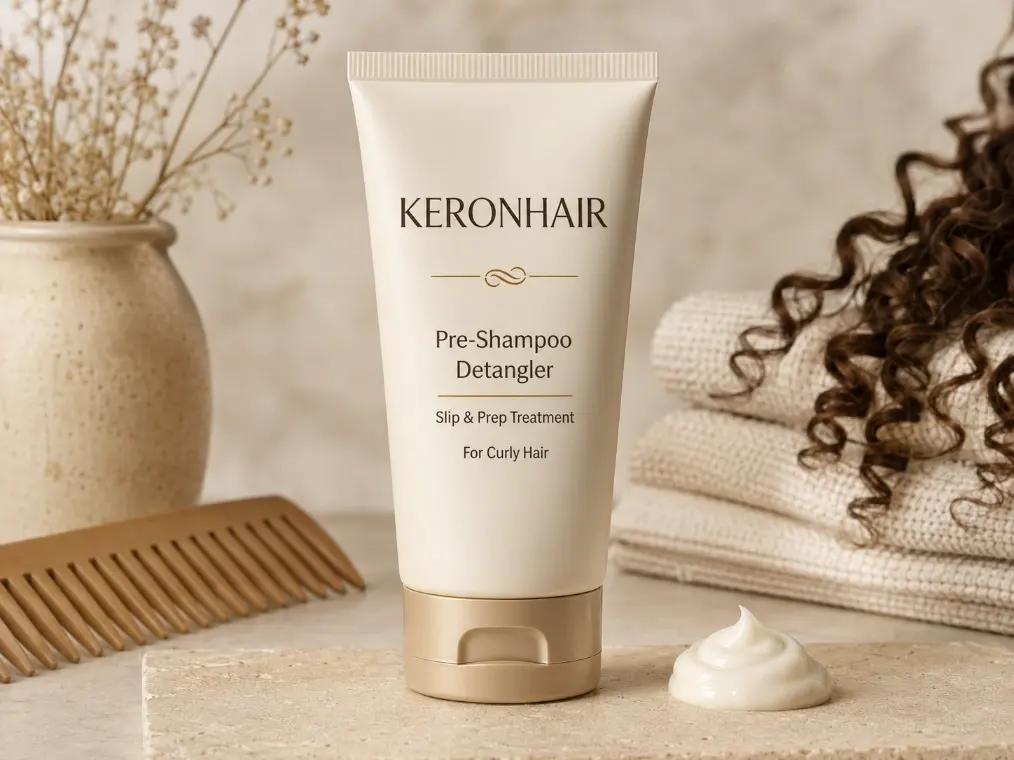
A pre-shampoo product is applied before cleansing to give tangled lengths more slip and make the hair easier to divide into manageable sections. It can be especially helpful for long, dense, tightly curled, or manipulation-sensitive hair when wash day begins with knots. The goal is to reduce friction during handling, not to create a thick oil barrier or permanently repair damage. Apply it mainly to the lengths and ends unless the product is specifically intended for the scalp. A formula that spreads easily and rinses away with your usual cleanser is more useful than one that leaves the hair coated. If your hair already detangles comfortably during the conditioning step, pre-shampoo treatment may simply duplicate a job your routine already performs. In practice, the useful sign is not extra shine before washing; it is that sections separate with less pulling and still rinse clean afterward.
- Best for: Long, dense, knot-prone curls or wash days that require sectioning before shampoo.
- What to look for: Good spread, noticeable slip, clear contact-time directions, and easy washout.
- How to use: Apply a modest amount to sections, concentrate on tangles and ends, then cleanse as directed.
- Watch out for: Heavy oil layers that attract residue, reduce shampoo performance, or leave fine curls limp.
2. Gentle Shampoo for Curly Hair
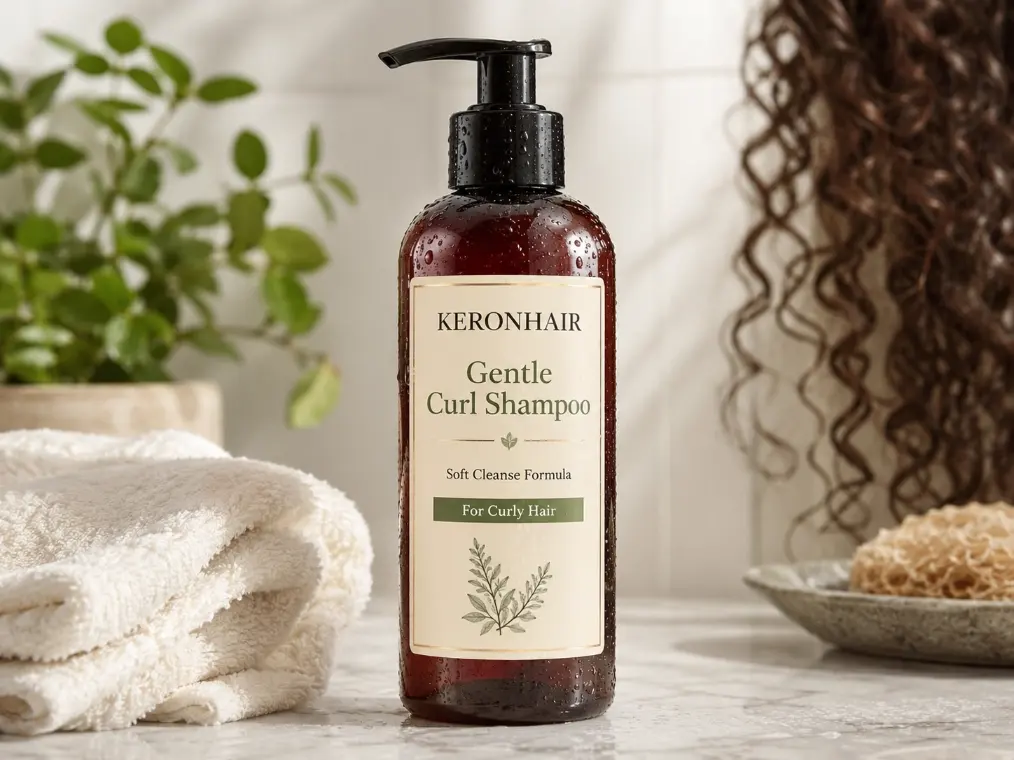
Gentle shampoo should clean the scalp and remove normal routine residue while leaving the lengths manageable enough to condition. “Gentle” does not mean that a formula must be sulfate-free or barely produce lather. Mildness depends on the complete surfactant system, its concentration, pH, conditioning ingredients, the amount used, and how often the hair is washed. Focus the massage on the scalp with the fingertips, then allow the lather and rinse water to move through the lengths rather than scrubbing fragile ends. A successful shampoo leaves the scalp comfortable and lets the conditioner and styler perform predictably. If curls remain sticky, coated, or unusually flat after washing, the cleanser may be too mild for the amount of oil, cream, dry shampoo, or gel in the routine. Users often describe a good match as clean, light roots without an unusually tangled or coated feeling through the wet lengths.
- Best for: Regular wash days without stubborn buildup or heavy mineral deposits.
- What to look for: Comfortable scalp feel, complete rinsing, sufficient residue removal, and a manageable after-feel.
- How to use: Wet thoroughly, massage mainly over the scalp, rinse well, and repeat only when genuinely needed.
- Watch out for: Judging mildness by a single ingredient claim or scrubbing dry ends to create more foam.
3. Clarifying or Chelating Shampoo
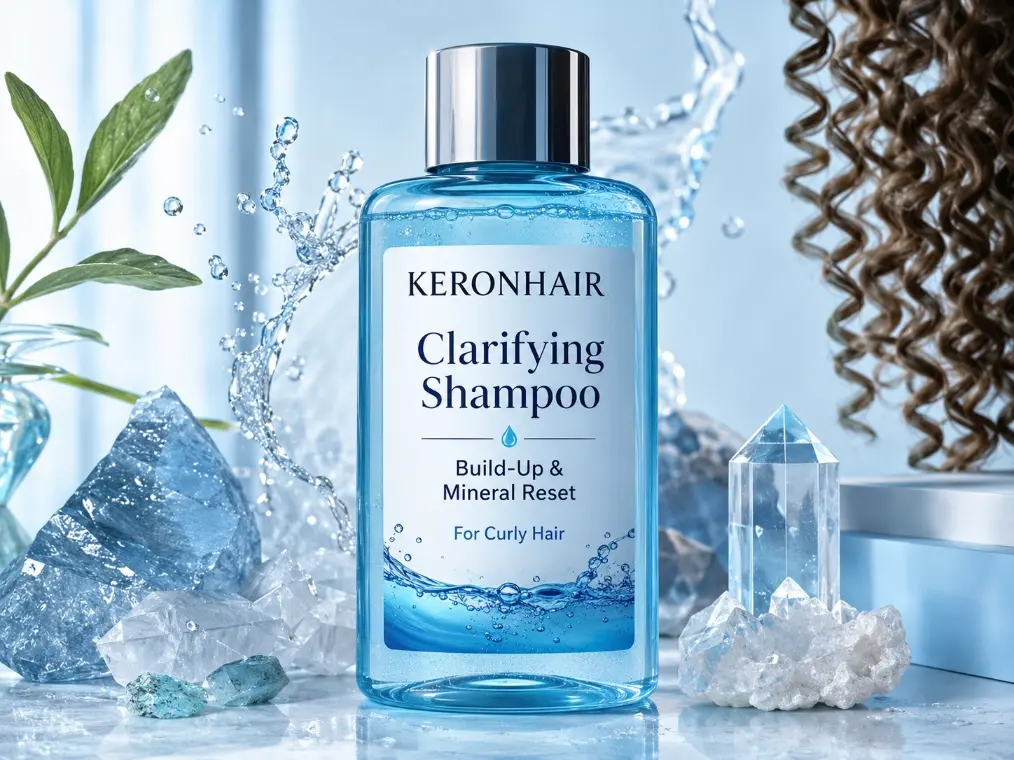
A clarifying shampoo provides stronger or more targeted removal of accumulated oils, styling polymers, waxes, and product residue. A chelating formula is a more specific option designed to bind certain mineral deposits associated with hard water or swimming; the two terms are related but not interchangeable. Consider a reset when familiar curls remain coated after washing, lather changes noticeably, stylers begin flaking over old residue, or the hair feels sticky and stops responding as usual. These signs are clues rather than a fixed calendar. Someone using strong gel and frequent refresh layers may need deeper cleansing sooner than someone using one light styler. Follow clarification with a conditioner that restores useful slip, and adjust the interval according to results rather than automatically clarifying every week. A recurring user report is that conditioner and gel begin spreading evenly after an effective reset, sometimes with better movement before any product is added.
- Best for: Persistent product buildup, heavy styling routines, hard-water concerns, or post-swim residue.
- What to look for: Clear clarification or chelation directions that match the likely type of deposit.
- How to use: Apply when evidence of buildup appears, rinse thoroughly, and follow with an appropriate conditioner.
- Watch out for: Overuse that leaves the lengths rough, or expecting an ordinary clarifier to solve every mineral issue.
4. Co-Wash or Cleansing Conditioner
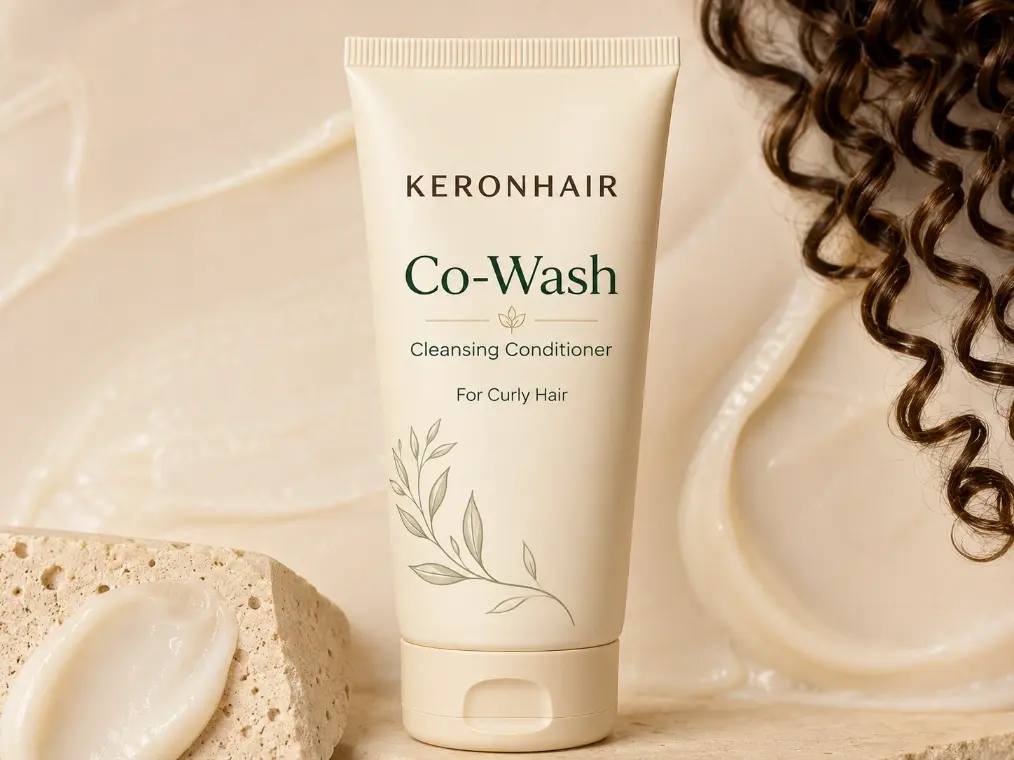
A co-wash is a formula made to provide light cleansing while leaving a conditioned after-feel. It is not the same as applying an ordinary rinse-out conditioner to the scalp unless that conditioner is specifically labeled to cleanse. Co-washing may suit a low-buildup wash day, frequent wetting after exercise, or a routine that alternates cleansing conditioner with shampoo. Its usefulness depends on what needs to be removed. Strong-hold gels, heavy oils, waxes, some layered polymers, and mineral deposits may require a more effective shampoo. Judge a co-wash by how the scalp feels after drying and how the hair behaves during styling, not by softness in the shower alone. Users commonly find it more successful after a light-product style; following several layers of oil or strong gel, the roots may feel soft but not fully clean. If itching, coating, unusual odor, flakes, or poor curl formation persists, return to an appropriate shampoo.
- Best for: Selected low-residue wash days when the scalp remains comfortable.
- What to look for: A product labeled to cleanse, clear massage and rinse directions, and no lingering film.
- How to use: Work it across the scalp as directed, distribute through the hair if appropriate, and rinse thoroughly.
- Watch out for: Using co-wash repeatedly when the current product load needs stronger cleansing.
5. Slip-Rich Rinse-Out Conditioner
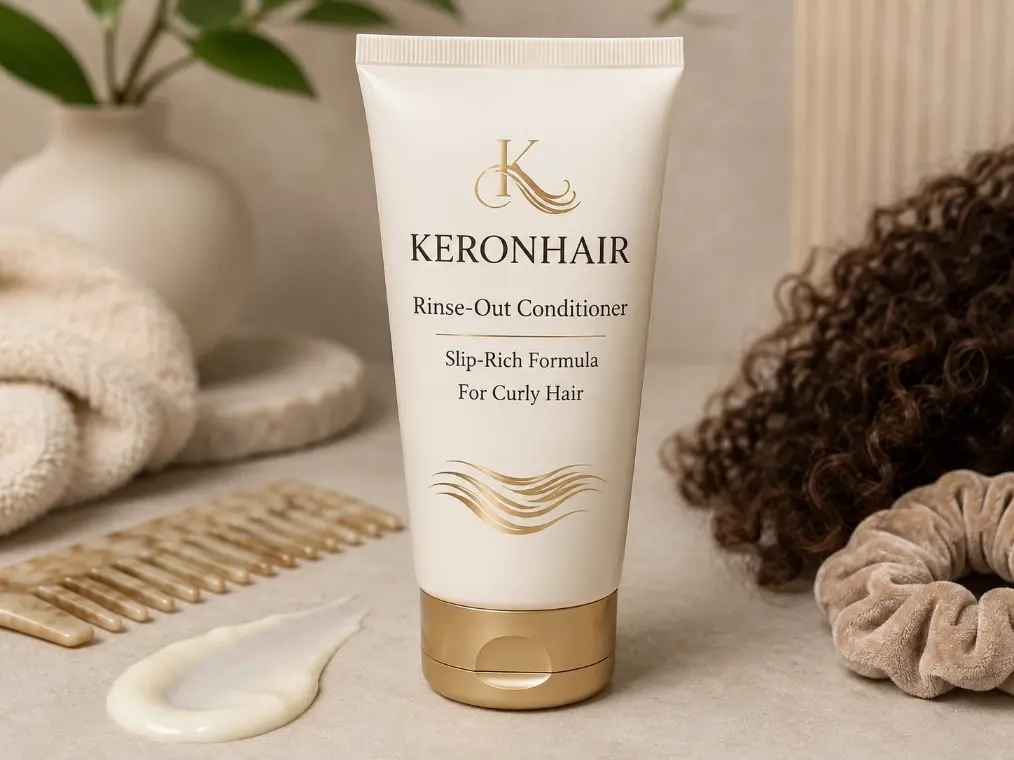
Rinse-out conditioner is a core wash-day product for most curly routines because it improves slip while the hair is wet. That lubrication helps fingers or a wide-tooth tool move through tangles with less force. The AAD recommends detangling curly hair while it is wet and conditioned rather than aggressively brushing it dry. Apply conditioner through the lengths and ends, divide dense hair into sections, and work from the ends upward without forcing a knot. The best formula is not necessarily the richest one: it should spread evenly, provide enough slip, rinse cleanly, and leave the hair responsive to styling. Fine or loose curls may prefer a lighter conditioner, while dense or coarse hair may benefit from richer coverage. Users often know they have enough when a little added water lets their fingers pass through a section; repeated handfuls rarely improve detangling once that slip is present.
- Best for: Nearly every wash routine, especially curls that tangle or feel rough after shampooing.
- What to look for: Fast distribution, useful wet slip, manageable rinsing, and an appropriate formula weight.
- How to use: Apply to lengths and ends, detangle in sections, allow the directed contact time, and rinse.
- Watch out for: Pulling through knots quickly or choosing a formula so heavy that the finished curls lose movement.
6. Deep-Conditioning Mask
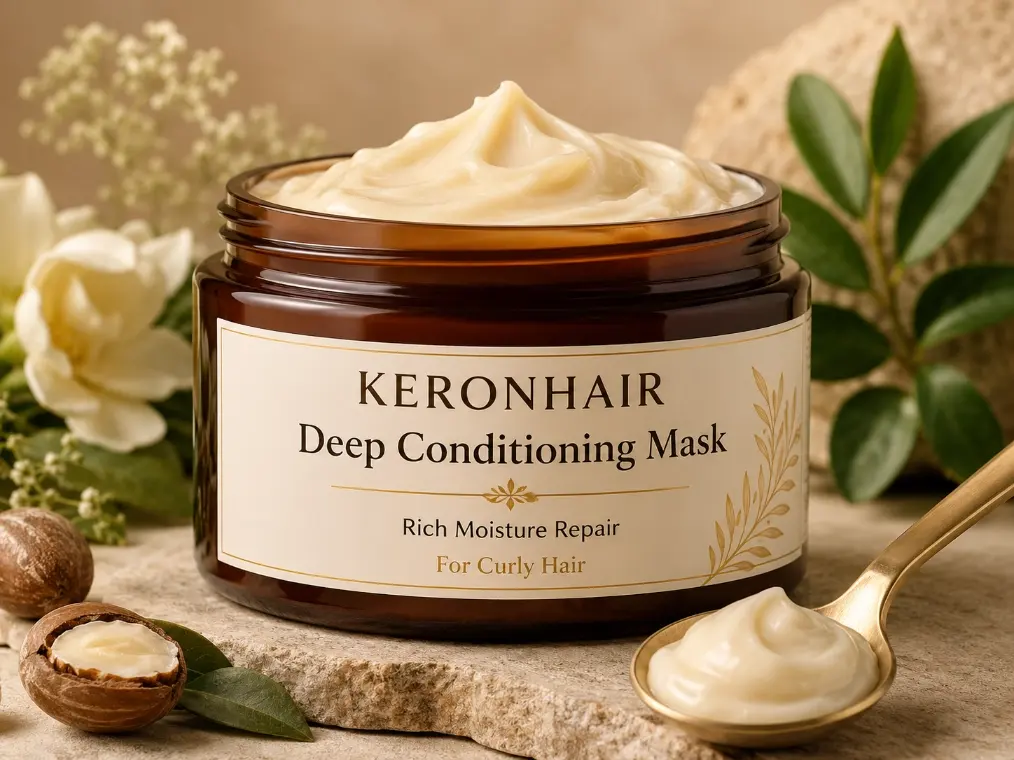
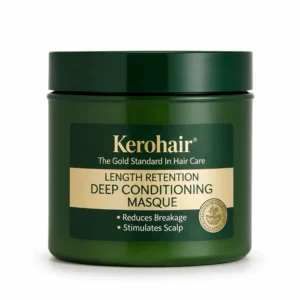
A deep-conditioning mask is an occasional richer treatment for curls that feel unusually rough or difficult to manage after chemical processing, swimming, repeated heat, or harsh weather. Product names are not standardized, so a jar labeled “mask” is not automatically more effective than a rinse-out conditioner. Judge it by the change in wet handling, softness after rinsing, drying time, and the way your styler performs afterward. Follow the labeled amount and contact time; leaving a mask on for hours does not guarantee a better result. Fine, low-density, or easily coated hair may need a lighter formula or less frequent use. Users usually describe a successful mask in terms of easier post-rinse handling; a waxy feel, noticeably slower drying, or missing bounce suggests that the formula or frequency may be too rich.
- Best for: Occasional dryness, rough handling, color-treated curls, swimming exposure, or repeated heat styling.
- What to look for: Noticeable conditioning without persistent residue, flat roots, or an oily after-feel.
- How to use: Apply after cleansing according to the label, concentrate on the lengths, then rinse thoroughly.
- Watch out for: Treating every wash as a “repair” session when regular conditioner already performs well.
7. Detangling Spray or Cream
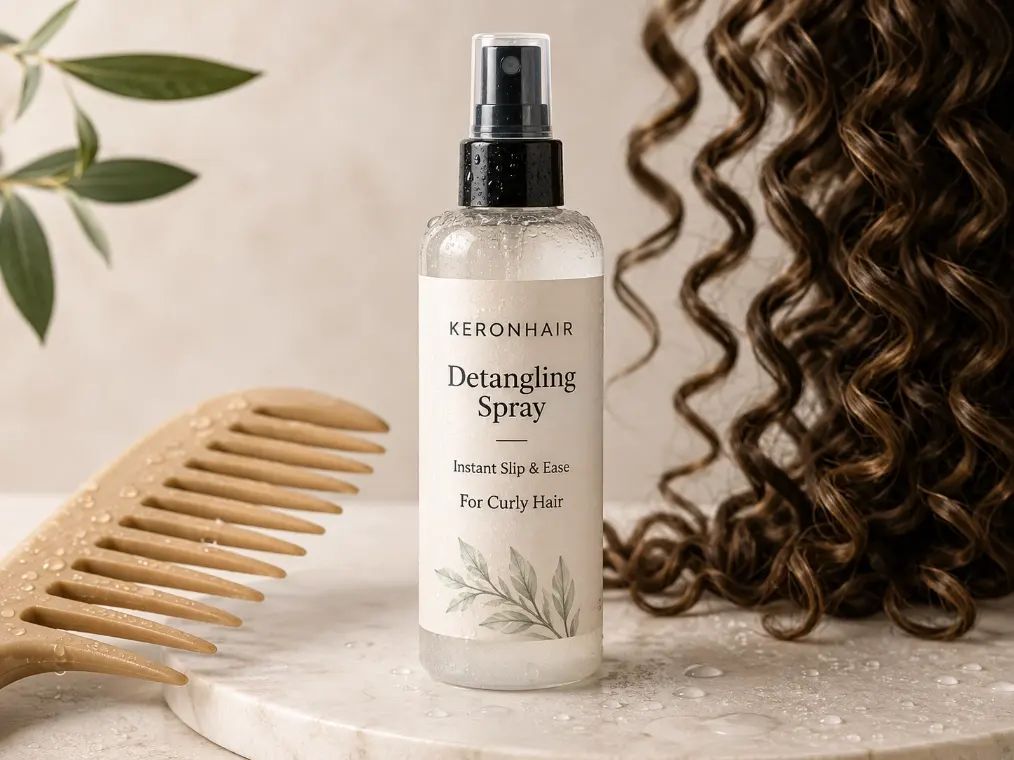
A separate detangler earns its place when rinse-out conditioner or leave-in does not provide enough slip for knots, long lengths, or sections that begin drying during handling. Sprays and milks tend to suit fine hair or lighter routines, while creams can offer more lubrication for dense, coarse, or highly tangled curls. Apply the product to wet or damp hair, hold the section above a knot to reduce tension at the root, and work from the ends upward. The result should be easier separation with less pulling, not merely a softer scent or another sticky layer. In user discussions, the difference is often obvious within the first few passes because the comb catches less frequently without leaving the section tacky. If normal conditioner already provides that result, this is an easy category to skip.
- Best for: Dense, long, tightly curled, or knot-prone hair that needs extra slip.
- What to look for: Good dispensing, easy spread, low residue, and compatibility with later styling layers.
- How to use: Apply to wet or damp sections and detangle slowly from the ends toward the roots.
- Watch out for: Relying on product to compensate for rushed handling, dry brushing, or sections that are too large.
8. Leave-In Conditioner
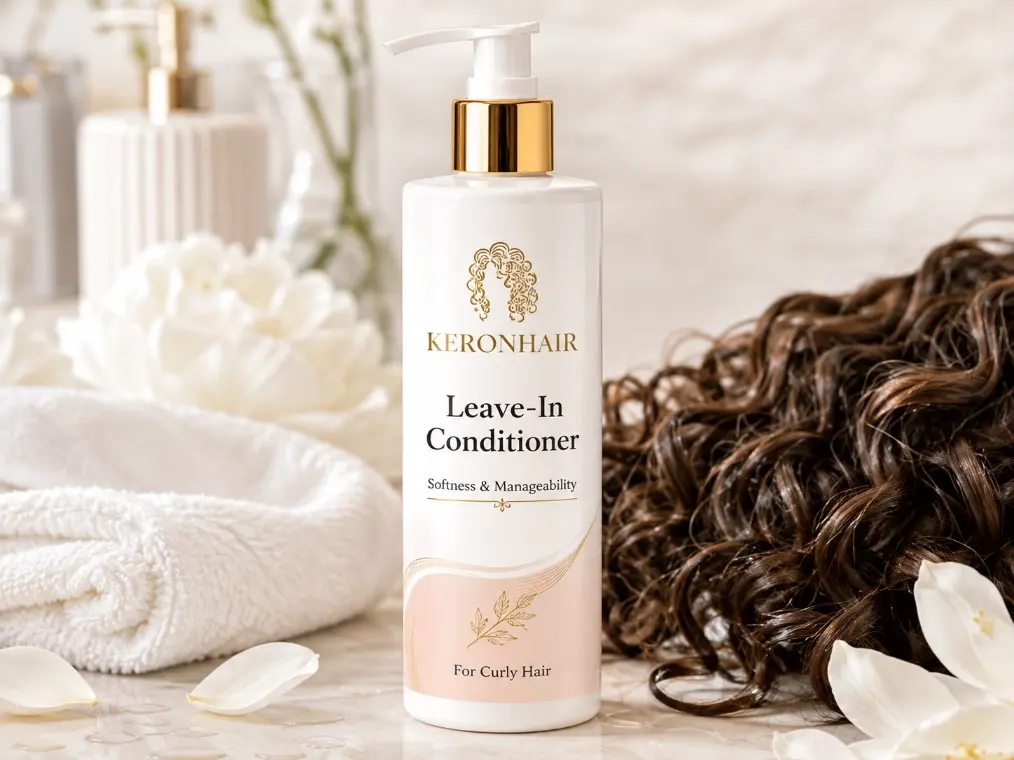
Leave-in conditioner remains on the hair after washing to support softness, manageability, and preparation for styling. According to the American Academy of Dermatology, curly, dry, tangled, chemically treated, or heat-styled hair may benefit from a leave-in conditioner. Begin with a small amount on damp mid-lengths and ends, then add only where the hair still needs help. A spray or milk can preserve movement in fine or low-density curls, while a cream may provide more lasting conditioning for dense or coarse hair. Users with easily weighed-down curls frequently report that hair can feel soft while wet yet dry flat or tacky; reducing the leave-in often works better than adding a stronger styler. Do not dilute an ordinary rinse-out conditioner and leave it on unless the manufacturer permits that use.
- Best for: Curls that remain dry-feeling, tangled, or difficult to style after rinse-out conditioner.
- What to look for: A suitable weight, even spread, useful softness, and compatibility with cream, gel, or mousse.
- How to use: Apply a small amount to damp lengths and ends, then distribute in sections.
- Watch out for: Heavy root application, repeated refresh layers, or using both leave-in and cream when one would suffice.
9. Protein or Bond-Support Treatment
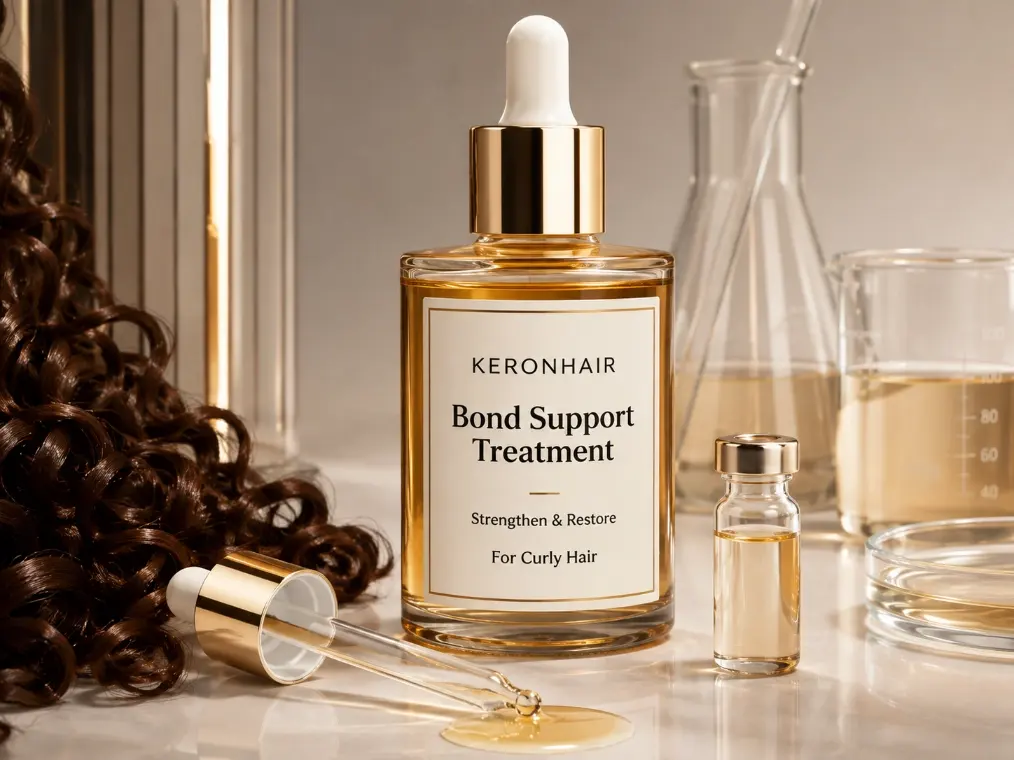
Protein treatments and bond-support products are optional tools for curls affected by bleaching, coloring, chemical processing, frequent heat, or repeated mechanical stress. They are not automatically interchangeable: formulas use different technologies and make different performance claims, so follow the stated purpose and directions. Evaluate the hair across washing, detangling, styling, and drying rather than relying on a porosity float test or a single first impression. Community experiences vary widely, so the more useful comparison is whether the same section detangles and holds its shape over several washes, not whether it feels dramatically different immediately after treatment. Reduce or stop use if the hair becomes stiff, rough, or harder to detangle, and seek professional advice for severe unexplained breakage.
- Best for: Processed or heat-stressed hair with a clearly defined need and a suitable treatment plan.
- What to look for: Specific directions, realistic claims, an appropriate intensity, and measurable improvement in handling.
- How to use: Follow the labeled dose and schedule, then compare results across several complete styling cycles.
- Watch out for: Stacking protein, bond, and mask products without knowing what each one contributes.
10. Curl Cream
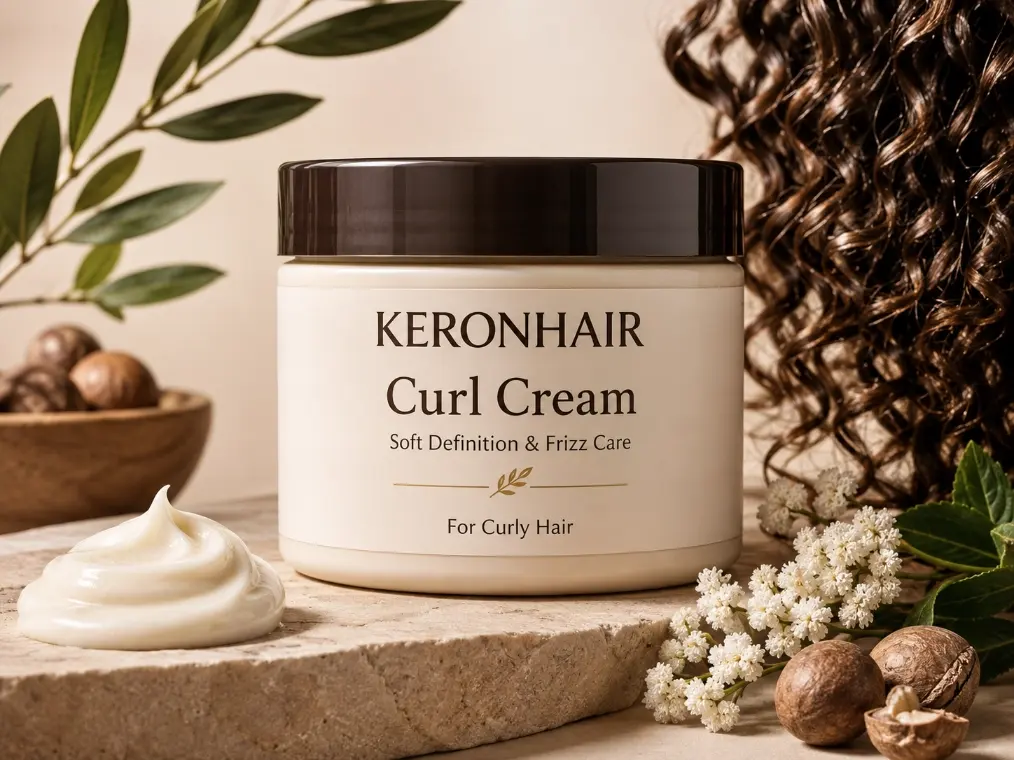
Curl cream encourages strands to group together while adding softness, frizz control, and flexible definition. It usually offers more conditioning but less lasting hold than a styling gel, which makes it useful for soft wash-and-go styles, finger coils, twist-outs, and curls that need more control than leave-in alone provides. Some creams can replace a separate leave-in, especially when the hair is fine or the formula is already conditioning. User feedback often describes the correct amount as enough to smooth curl groups while they still spring back. Slow drying and flat roots are common signs that an easily weighed-down curl pattern received too much. Evaluate the finished style for volume, separation, and day-two shape before deciding whether a gel layer is also necessary.
- Best for: Soft curl grouping, touchable definition, finger coils, twist-outs, and lower-hold wash-and-go styles.
- What to look for: Easy spread, suitable weight, flexible control, and predictable performance alone or under gel.
- How to use: Apply a small amount in sections, then smooth, rake, or scrunch according to the desired pattern.
- Watch out for: Using cream, leave-in, and oil together when the hair needs hold more than additional conditioning.
11. Styling Gel or Custard
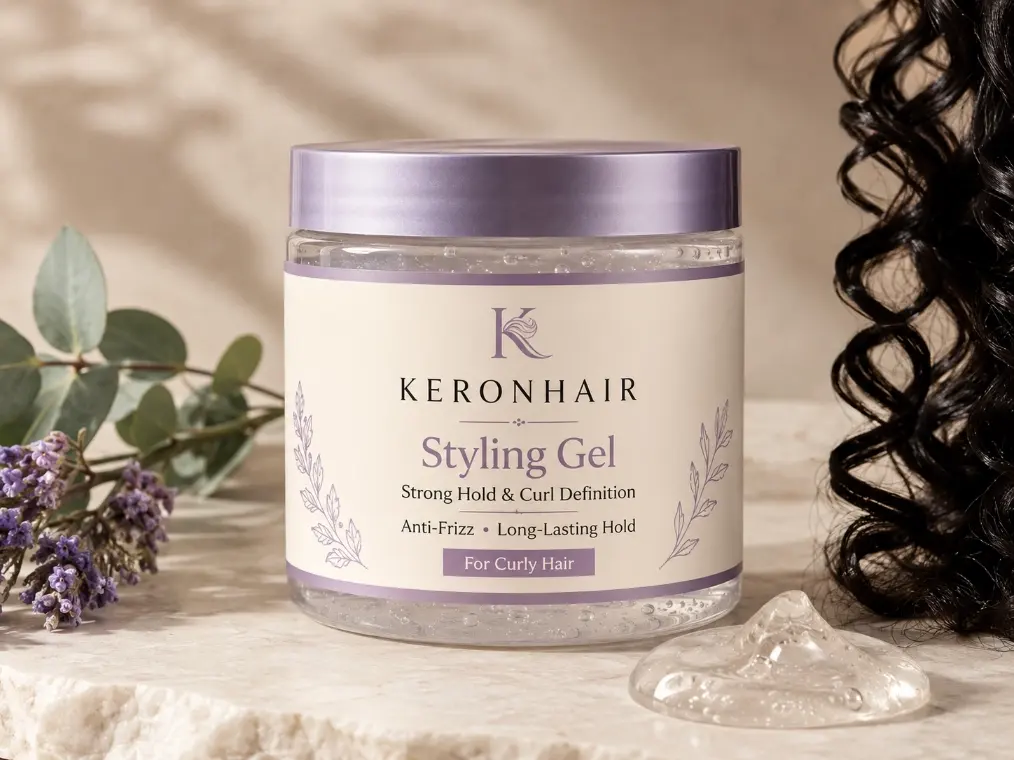
Styling gel or custard uses film-forming ingredients to help curl groups retain their shape as the hair dries. Flexible hold allows more movement, while a strong-hold formula may create a firm cast that improves longevity and controls expansion in humid conditions. Apply gel to wet or very damp sections so it can spread without forcing the curls apart. User reports repeatedly show why gel should not be judged while it is still drying: a hard or disappointing-looking cast may become softer and more defined once the hair is completely dry and gently scrunched. The best gel delivers the desired hold without persistent flakes, excessive dryness, or difficult washout. Even a good formula can pill when layered over too much leave-in, oil, or an incompatible cream.
- Best for: Defined wash-and-go styles, longer wear, stronger hold, or humidity-sensitive curls.
- What to look for: The right hold level, good spread, clean washout, low flaking, and compatible layering.
- How to use: Apply in sections to wet or damp hair, shape the curls, and leave them undisturbed until fully dry.
- Watch out for: Breaking the cast too early, adding gel over old residue, or equating a very hard cast with better hair health.
12. Curl Mousse or Foam
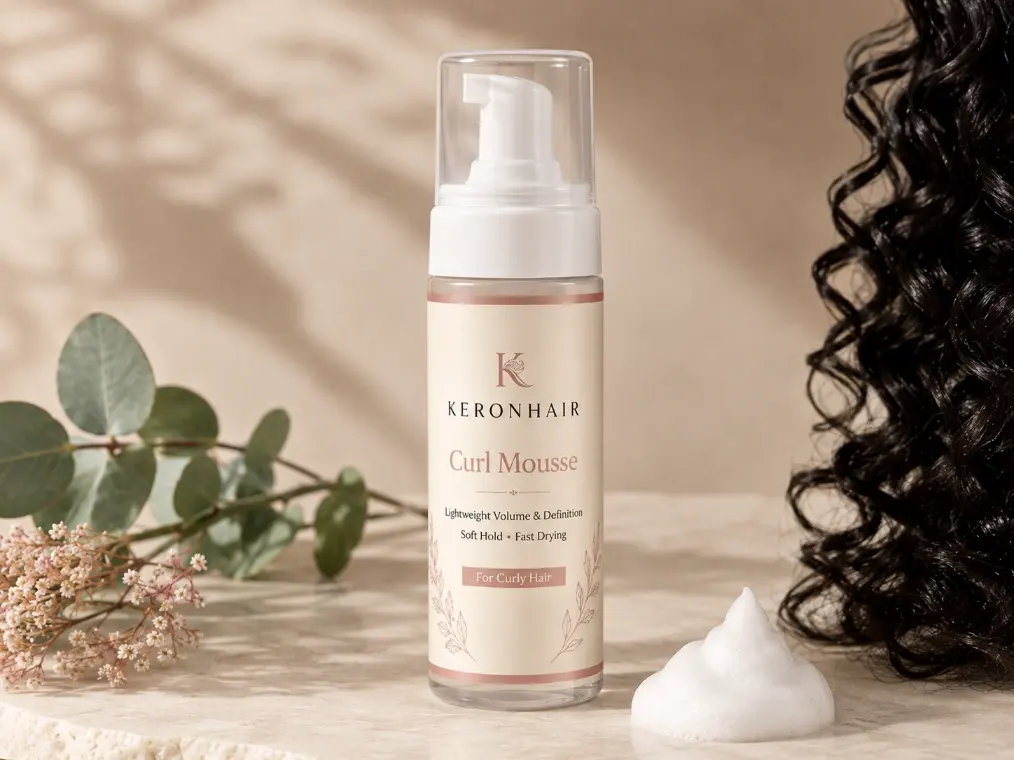
Curl mousse or foam offers a lighter styling route when volume, root lift, movement, or faster drying matters more than maximum hold. The airy format can distribute quickly through fine, loose, or low-density curls that become flat under creams and butters. Tighter curl patterns can also use foam for root lift, twist-outs, roller sets, or a soft wash-and-go finish. Curly-hair users often notice its clearest benefit around the roots, while experiences with hold vary: some get fuller multi-day curls by layering mousse and gel, while others find the pair sticky or stringy. Test mousse alone first, then add gel only if more longevity is needed. A very light foam may not last through high humidity or several refresh days.
- Best for: Lightweight definition, root volume, fine curls, loose patterns, sets, and quicker-drying routines.
- What to look for: Even dispensing, nonsticky spread, suitable crunch, day-two hold, and comfortable root feel.
- How to use: Apply through damp sections, scrunch or shape, then air-dry or diffuse without repeated touching.
- Watch out for: Adding more foam to compensate for a formula that does not provide the required hold.
13. Anti-Humidity Serum or Lightweight Oil
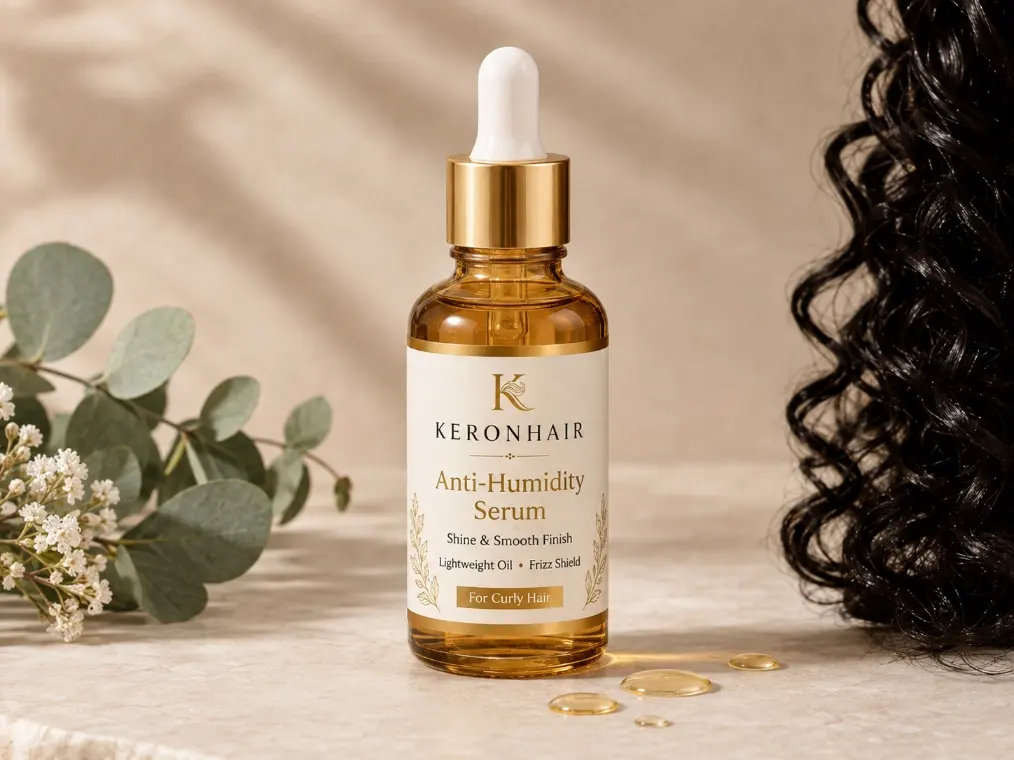
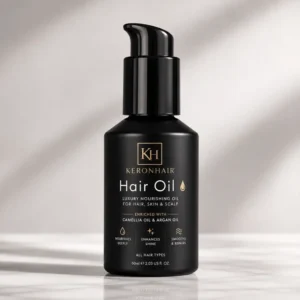
An anti-humidity serum or lightweight oil is a finishing product, not the main source of hydration. A small amount can reduce surface friction, add shine, smooth selected ends, or help soften a dry gel cast. Oil does not supply water to the hair, so it cannot replace conditioning or fix curls that need cleansing and rewetting. Users who soften a cast with oil commonly emphasize the small dose: one or two drops may be enough, while a heavier application can separate curl groups and create a stringy finish. Lightweight silicone serums can also provide slip and surface protection; silicones are not universally harmful, although any residue still needs an appropriate wash routine.
- Best for: Finishing dry curls, softening a cast, smoothing rough ends, or adding controlled shine.
- What to look for: Easy spread, minimal residue, compatible washout, and a finish that does not collapse the style.
- How to use: Apply a very small amount to fully dry lengths and ends, then add more only if necessary.
- Watch out for: Treating oil as moisture or layering it across the scalp to address unexplained shedding.
14. Labeled Heat Protectant
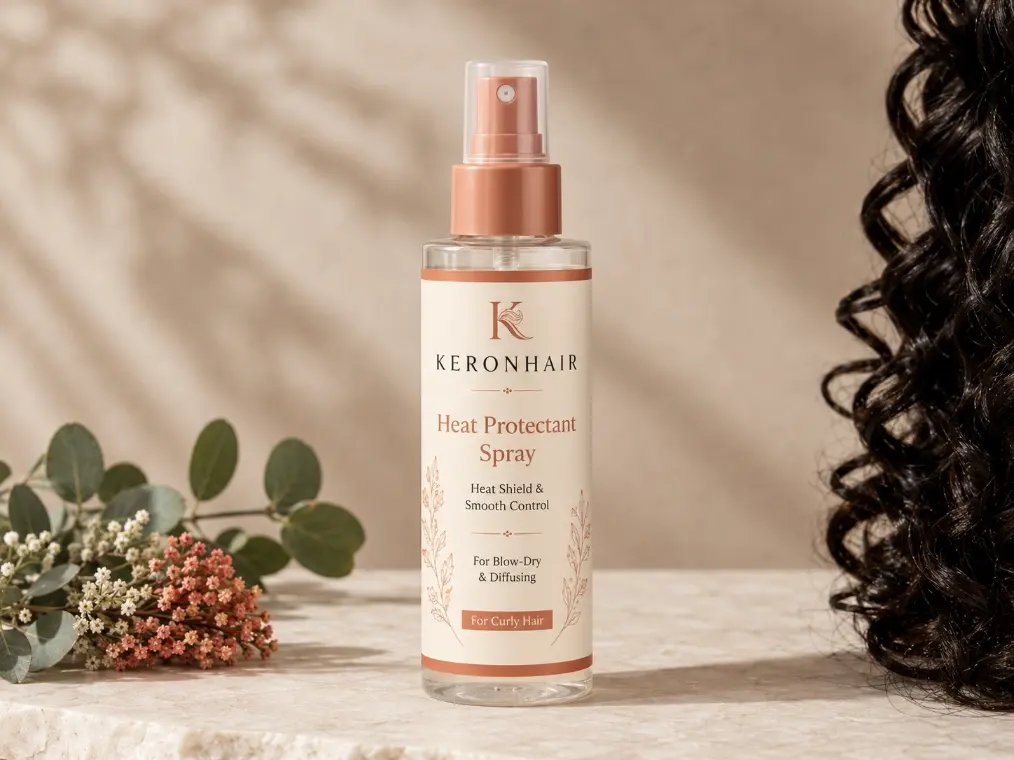
A diffuser is still a heat-styling tool, even though it distributes airflow differently from a concentrator nozzle. Use a product explicitly labeled for heat protection and follow its amount, placement, and temperature directions. Some leave-ins, creams, or sprays already provide labeled protection, so an extra layer may be unnecessary if the existing product is used correctly. Users generally find a light spray easier to distribute section by section than saturating the hair with another cream, but the label should determine the actual method. Combine protection with the lowest practical heat and airflow, and stop if the scalp or hair becomes uncomfortably hot. The AAD advises limiting excessive heat because it can damage hair.
- Best for: Diffusing, blow-drying, or any routine that applies heated airflow or a thermal tool.
- What to look for: Explicit heat-protection directions, even distribution, and compatibility with the chosen styler.
- How to use: Apply as labeled before heat exposure and select the lowest setting that achieves the required result.
- Watch out for: Using ordinary oil as a substitute or assuming protectant makes repeated high heat safe.
15. Curl Refresher
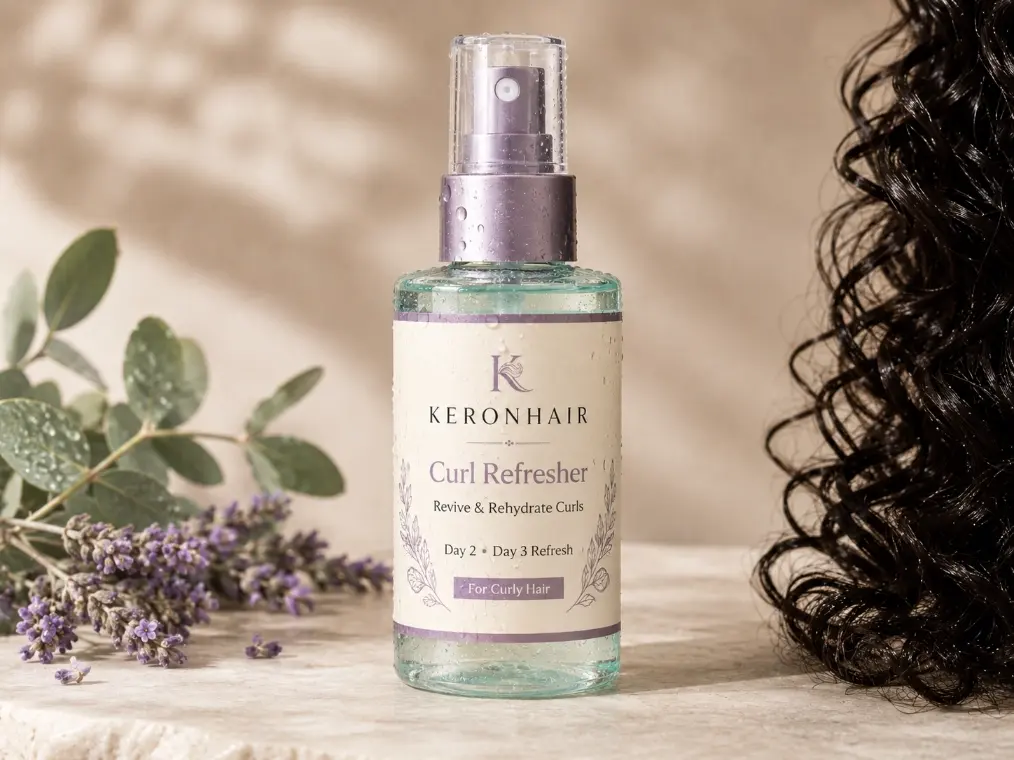
A curl refresher helps restore selected flattened, stretched, or frizzy areas between full wash days. The right approach may be plain water, a purpose-made mist, a small amount of leave-in, foam at the roots, or enough water to reactivate the existing gel. User experiences are mixed: some curls reform with a light water mist, while others become frizzier unless they are thoroughly rewetted and given a little more hold. Target the affected sections and allow them to dry before handling. When nearly every section needs attention, or the hair feels sticky, coated, or flaky, a wash is often faster and cleaner than another layer. Some routines need no separate refresher because water and the original styler already reactivate well.
- Best for: Day-two or day-three curls with a few flattened, frizzy, or poorly defined areas.
- What to look for: Fast reactivation, low residue, reasonable drying time, and compatibility with the existing style.
- How to use: Dampen or treat only the affected sections, reshape them, and let them dry fully.
- Watch out for: Refreshing indefinitely when the scalp or hair is signaling that it needs a proper wash.
How Do You Build a Curly Hair Routine From Wash Day to Styling?
The correct sequence depends on the residue already on the hair, the amount of conditioning required, and the result you want after drying. The following eight steps are a decision path rather than a demand to use eight separate products. Several steps can be skipped or combined when one formula already performs the job.
Step 1. Assess Your Scalp and Current Product Load
Before reaching for shampoo, consider what must be removed. Look for sweat, oil, flakes, dry shampoo, heavy cream, strong-hold gel, wax, swimming residue, or signs that hard water may be changing the hair’s feel. Also notice whether the scalp is comfortable. This quick assessment helps distinguish a regular cleansing day from a clarifying or mineral-focused reset.
Step 2. Cleanse With the Right Strength
Use a routine shampoo for ordinary soil and residue, a clarifier for stubborn product accumulation, or an appropriate chelating formula when mineral deposits are the likely issue. Focus the massage on the scalp and rinse completely. Do not scrub the lengths repeatedly in an attempt to make them feel “squeaky.” Clean enough for the present product load, then let conditioner restore useful slip.
Step 3. Condition and Detangle
Apply rinse-out conditioner mainly to the lengths and ends. Work in smaller sections when the hair is dense or tangled, and use fingers or a suitable wide-tooth tool from the ends upward. Add more water or product when a section lacks slip instead of forcing the tool through it. Rinse to the degree directed on the label and appropriate for the formula.
Step 4. Add an Intensive Treatment Only When It Has a Job
Choose a richer mask after unusual dryness or exposure, or use a protein or bond-support product for an identified processing-related need. Avoid stacking several intensive treatments merely because each one promises repair. A treatment should produce an observable improvement without making the hair stiff, heavy, or difficult to style.
Step 5. Choose a Leave-In Based on Hair Weight
Fine, loose, or low-density curls often benefit from a spray, milk, or very small amount of lightweight leave-in. Dense, coarse, or dry-feeling curls may tolerate a richer cream. Apply first to the driest lengths and ends, keeping the roots lighter when volume matters. If the curl cream already supplies enough conditioning, the leave-in may be unnecessary.
Step 6. Select a Styling Route
Match the styling combination to the finish:
- Lightweight volume: mousse or foam, optionally over a light leave-in
- Soft definition: curl cream used alone
- Balanced definition and hold: a light leave-in followed by gel
- Richer softness with hold: curl cream followed by a compatible gel
- Humidity-focused hold: minimal conditioning layers followed by a tested strong-hold gel
Do not assume that a longer layering sequence creates better curls. Every extra formula can add weight, slow drying, dilute hold, or increase the chance of pilling and flakes.
Step 7. Dry Without Disturbing the Curl Pattern
Air-dry or diffuse according to your schedule and volume goal. When using a diffuser, apply labeled heat protection and choose a practical low or moderate setting. Try not to touch, separate, or repeatedly rearrange the curls while the styling film is setting. If gel creates a cast, wait until the hair is fully dry before gently scrunching it for a softer finish.
Step 8. Protect, Refresh, or Reset
At night, use a loose, low-friction method that preserves the curl groups without pulling tightly at the hairline. On the following day, refresh only the areas that need reshaping. When water and minimal styler no longer restore the result, or when the scalp and hair feel coated, move back to cleansing instead of continuing to add product.
Routine flow: Assess scalp and buildup → cleanse → condition and detangle → add an optional treatment → apply an optional leave-in → choose cream, gel, mousse, or a tested combination → dry and set → protect, refresh, or cleanse.
Which Product Combination Fits Your Styling Goal?
You do not need the same product stack for every finish. Start with the shortest combination that can deliver the desired balance of softness, volume, and hold.
| Styling goal or hair profile | Suggested starting combination | Main watchout |
|---|---|---|
| Lightweight volume | Shampoo + rinse-out conditioner + mousse | Rich leave-ins may reduce lift |
| Soft, touchable curls | Conditioner + optional leave-in + curl cream | Cream alone may not provide lasting hold |
| Defined wash-and-go | Light leave-in + styling gel | Test the pair for flakes and residue |
| Stronger humidity resistance | Minimal leave-in + hard-hold gel | The cast may feel firm until fully dry and softened |
| Dense or dry curls | Slip-rich conditioner + leave-in + cream or gel | Avoid adding every rich category at once |
| Fine or low-density curls | Lightweight conditioner + foam or light gel | Heavy butter and oil layers may flatten the roots |
| Processed or heat-styled curls | Conditioner + scheduled treatment + heat protectant + styler | Treatment does not make excessive heat harmless |
Use the table as a baseline, then change one variable at a time. If a style lacks longevity, test a stronger styler before adding another conditioner. If it looks flat, reduce the weight or amount of the product nearest the roots. If it flakes, simplify the layers and remove old residue before deciding that every formula has failed.
How Should You Choose Products for Your Curl Pattern and Hair Needs?
Product choice becomes more accurate when curl shape is considered alongside strand width, density, processing history, climate, and the desired result. These profiles are starting points, not rules tied to a curl number.
| Hair characteristic or situation | Useful product direction | What to monitor |
|---|---|---|
| Loose waves or curls | Lighter conditioner, mousse, foam, or light gel | Flat roots, stringiness, and reduced movement |
| Medium curl patterns | Balanced conditioner with cream, gel, or a tested combination | Product compatibility and the level of hold |
| Tight curls or coils | More slip, sectioned application, leave-in, and a suitable holding styler | Tangling, drying time, missed sections, and buildup |
| Fine strands | Lightweight layers and concentrated application on the ends | Greasy feel and collapsed curl groups |
| Coarse strands | Adequate slip and conditioning with enough styling control | Roughness and uneven distribution |
| High density | Sectioned application and products that spread easily | Missed areas and unnecessary product volume |
| Low density | Lightweight formulas and root-conscious application | Visible separation and reduced fullness |
| Bleached, colored, or heat-affected hair | Gentle handling, conditioner, and an optional damage-focused treatment | Breakage, stiffness, and altered curl response |
| Humid climate | A tested film-forming gel with restrained conditioning layers | Expansion, tackiness, and flakes |
| Hard water | Periodic mineral-focused cleansing when justified | Dullness, coating, altered lather, and changing curl response |
Porosity is also best considered through repeated observations: how readily the hair wets, how long it takes to dry, whether products sit on the surface, and how it responds after cleansing. A strand-floating experiment cannot capture the many variables that affect those behaviors. Evaluate a product across several wash and styling cycles whenever possible, including how the hair feels before the next wash and how easily the formula is removed.
Which Ingredients and Formula Features Matter Most?
An ingredient list can help you understand a formula, but it cannot predict the whole experience by itself. Concentration, ingredient combinations, manufacturing, pH, application amount, and the products layered above or below it all affect performance.
Cleansing Systems
Shampoos use surfactants to lift and suspend oil and residue so they can be rinsed away. The strength and after-feel depend on the surfactant blend, concentration, conditioning agents, and use. A sulfate-free label does not prove that a shampoo is mild, and the presence of a sulfate does not reveal how the finished formula will perform. Select routine cleansing, clarification, or chelation according to what needs removal.
Conditioning Agents and Slip
Conditioning agents, fatty alcohols, polymers, and emollients can improve lubrication, softness, and wet handling. Richer is not automatically better. The useful question is whether the formula provides enough slip without leaving the hair coated or weakening the intended style. Fine hair often needs less weight, while dense hair may require better spread and sectioned application rather than simply a larger amount.
Humectants, Emollients, Oils, Butters, and Silicones
These groups perform different roles. Humectants can influence water interaction, emollients and oils improve surface feel, butters add richness, and silicones may provide slip, shine, and protection. Their effect depends on the complete formula, climate, dose, and cleansing routine. No single group is universally essential or harmful for curly hair. Judge the result by comfort, manageability, hold, residue, and washout.
Protein and Bond-Support Claims
Protein-containing formulas and bond-support products can be useful in some damaged-hair routines, but the categories are not interchangeable and do not permanently restore hair to an undamaged state. Read the stated purpose, follow the schedule, and observe whether the hair becomes easier or harder to handle. Stiffness and roughness are reasons to reassess the product, the frequency, and the rest of the routine.
Film Formers and Hold
Styling polymers form a flexible or firm film that helps grouped curls retain their shape. A stronger film can improve longevity and humidity resistance, while a lighter one may preserve movement and volume. Look beyond “natural hold” or “maximum hold” wording and assess the cast, drying time, flakes, tackiness, day-two performance, and ease of cleansing.
pH, Fragrance, and Scalp Comfort
pH and the wider formula affect product feel and compatibility, while fragrance preference and tolerance vary by person. Fragrance-free is useful for some sensitive users but is not automatically superior for everyone. Stop using a product associated with significant burning, swelling, hives, sores, or worsening irritation. Persistent scalp symptoms need assessment rather than repeated cosmetic experimentation.
How Can You Test Whether Curly Hair Products Work Together?
Most curl frustration comes from changing too many things at once. A slightly slower approach identifies the actual problem much faster.
Establish a Simple Baseline
Begin with a cleanser, rinse-out conditioner, and one styler. Note the amount used, the order of application, how wet the hair was, the drying method, and the weather. A simple baseline makes it easier to see whether a new product improves the result.
Change One Product at a Time
Keep the rest of the routine stable for several uses when practical. Replacing the shampoo, conditioner, leave-in, and gel together may produce a different result, but it will not tell you which change caused more hold, dryness, heaviness, or flaking.
Run a Small Section Test
Try a new cream-and-gel or leave-in-and-mousse combination on one section before styling the entire head. Rubbing two products together in your palm may reveal obvious clumping, but it cannot perfectly predict how thin layers will behave on wet hair during drying. The section test is more informative.
Evaluate the Full Styling Cycle
Do not judge only the first hour. Review:
- Scalp comfort after cleansing
- Wet slip and detangling
- Product spread and required amount
- Drying time
- Day-one definition and volume
- Cast, softness, tackiness, or flakes
- Performance in the current humidity
- Day-two shape and root feel
- Ease of refreshing
- Residue and ease of washing out
Stop using a product if it causes significant irritation, burning, swelling, hives, or sores. Seek appropriate medical advice when a reaction is severe, spreads, affects breathing, or does not improve.
What Curly Hair Product Mistakes Should You Avoid?
- Buying all 15 categories: This list is a decision tool, not a required shopping list. Start with a cleanser, conditioner, and styler.
- Avoiding shampoo despite buildup: Styling residue can interfere with wetting, conditioning, curl formation, and clean product layering.
- Clarifying by a rigid calendar: Match deeper cleansing to the product load, water conditions, and the cleanser’s strength.
- Using rinse-out conditioner as a leave-in: Do this only when the product directions explicitly permit it.
- Overlayering fine curls: Leave-in, cream, oil, mousse, and gel together may remove the volume you were trying to create.
- Treating oil as hydration: Oil can lubricate the surface, but dry curls may need water, conditioner, or a complete wash.
- Detangling dry curls aggressively: Add water and slip, use smaller sections, and work from the ends upward.
- Ignoring layer compatibility: Too much product or an incompatible combination can pill, flake, feel sticky, or weaken hold.
- Adding product when cleansing is needed: A refresher cannot remove old film, sweat, or oil.
- Touching curls before they set: Early handling separates wet curl groups and can create frizz before the film has formed.
- Using excessive heat: Heat protection reduces risk but does not make a hot diffuser or repeated passes harmless.
- Treating scalp disease with cosmetic oil: Persistent itching, scaling, pain, inflammation, shedding, or sores needs proper assessment.
- Changing the entire routine at once: Alter one variable at a time so you can identify what helped or caused the problem.
What Should Brands Consider When Developing Products for Curly Hair?
A useful curl collection should function as a coordinated routine rather than a row of products that repeat the same conditioning claim. Start by defining the job and intended finish of every formula: lightweight volume, soft curl grouping, flexible definition, strong humidity hold, heat protection, or low-residue refreshing.
Development and evaluation should include:
- A focused system with distinct roles and no unnecessary duplicate steps
- Clear hold levels and realistic finish descriptions
- Compatibility testing for likely pairs, particularly leave-in with gel and cream with gel
- Realistic application amounts, wetness levels, drying methods, refresh cycles, and washout
- Evaluation across different strand widths, densities, curl patterns, processing histories, and climates
- Directions that explain amount, order, drying, and when deeper cleansing may be needed
- Narrow, supportable positioning instead of assuming one weight and hold level suits every curl
- Packaging that dispenses controlled amounts and remains practical to use with wet hands
Brands developing a private label curl range can discuss formula weight, hold, product compatibility, packaging, and testing with an experienced custom hair care formulation partner such as Keronhair.
Conclusion: Build the Routine Around Your Styling Result
The best hair care products for curly hair are the ones that perform clear, nonduplicated jobs for your scalp, strands, climate, and styling goal. Begin with the smallest dependable routine: a suitable cleanser, a slip-rich rinse-out conditioner, and one styler chosen for softness, volume, or hold. Add a treatment, leave-in, finisher, heat protectant, or refresher only when it solves an observable problem. Change one variable at a time and evaluate the complete cycle, including drying, day-two performance, refreshing, and washout. Instead of replacing your entire shelf, identify the weakest step in your current routine and test one targeted improvement.
Frequently Asked Questions
What Are the Essential Products for a Basic Curly Hair Routine?
A practical starting routine contains a suitable shampoo, a rinse-out conditioner with enough slip, and one styler. Choose curl cream for softer grouping, gel for stronger hold, or mousse for lighter volume. Add leave-in conditioner only when the hair needs more manageability after rinsing. Clarifiers, masks, treatments, oils, and refreshers are optional tools for specific needs.
In What Order Should I Apply Curly Hair Products?
A flexible order is cleanser, rinse-out conditioner, optional treatment, optional leave-in, then the chosen styler. Apply cream before gel when using both, unless the labels direct otherwise. Mousse can be used alone or over a light conditioning layer. Apply heat protection according to its directions before diffusing, and use finishing serum or oil only after the hair is dry.
How Often Should Curly Hair Be Washed?
There is no universal schedule. Wash according to scalp comfort, sweat, oil, exercise, styling buildup, protective styling, and the strength of the cleanser. A routine with strong gel, oil, and repeated refresh layers may need cleansing sooner than a light-product routine. Persistent itching or flakes are not a reason to postpone washing indefinitely.
Is Co-Washing Enough for Curly Hair?
It can be enough for selected low-buildup wash days if the product is designed to cleanse and the scalp remains comfortable. It may not remove heavy oil, wax, strong-hold gel, dry shampoo, or mineral deposits effectively. Alternate with an appropriate shampoo and judge the result after the hair and scalp are fully dry.
Is Curl Cream or Gel Better for Curly Hair?
Neither is universally better. Curl cream generally emphasizes softness and grouping, while gel provides stronger shape retention and longer-lasting definition. Choose cream for a touchable finish, gel for more hold, or test a compatible cream-and-gel combination when you want both. Fine curls may perform better with one lightweight styler rather than two.
Can I Use Curl Cream and Gel Together?
Yes, if the formulas, amounts, and application method are compatible. Apply a small amount of cream first, then gel to wet or damp sections. Test the pair on one section and check the finished hair for flakes, pilling, excessive weight, slow drying, and reduced hold before adopting the combination.
Is Mousse Good for Curly Hair?
Mousse can be an excellent choice for volume, root lift, light definition, sets, and shorter drying time. It often suits fine, loose, or low-density curls that become flat under rich cream, although tighter curls can use it too. If a soft mousse does not last in humidity, try stronger hold or a gel instead of repeatedly adding more foam.
Does Hair Oil Moisturize Curly Hair?
Oil does not add water to hair. It can lubricate the surface, add shine, reduce friction, or slow water loss after a water-based conditioning step. Use a small amount as a finish if it improves the result, but do not expect oil alone to replace shampoo, water, rinse-out conditioner, or leave-in conditioner.
How Can I Refresh Curls Without Causing Buildup?
Target only the flattened or frizzy areas. Start with water or a light mist, reshape the curl, and add a small amount of foam, leave-in, or gel only when needed. If the hair feels coated, sticky, flaky, or resistant to rewetting, stop layering and cleanse before refreshing again.
How Do I Stop Curly Hair Products From Flaking?
Begin with clean hair, reduce the number and amount of layers, and test the leave-in, cream, and gel together on a small section. Apply each product at the wetness level recommended by its directions and allow the style to dry fully. Flakes may come from incompatibility, excessive product, old residue, or repeatedly disturbing a forming cast.
Do I Need Heat Protectant When Using a Diffuser?
Yes, if heated airflow is used, unless another product in the routine already provides labeled heat protection and is applied as directed. Use the lowest practical heat, avoid holding a hot dryer against one area for too long, and stop when the scalp or hair feels uncomfortably hot. Protection does not make unlimited heat safe.
When Should I See a Dermatologist About My Hair or Scalp?
Seek professional assessment for sudden or progressive hair loss, bald patches, severe unexplained breakage, persistent itching or flaking, pain, burning, tenderness, inflammation, crusting, sores, pus, or a suspected allergic reaction. Several different conditions can resemble “dry scalp,” so continued cosmetic trial and error may delay the right care. The AAD outlines common conditions that can cause a dry, itchy, or flaky scalp.