Choosing between hair spray and hair wax sounds simple—until your style falls flat by lunch, or turns stiff the minute you step outside. I’ve made both mistakes over the years: too much wax on fine hair, too much spray on a soft, textured look. After more than a decade behind the chair, I can tell you the right answer almost always comes down to your hair type, your preferred finish, and your daily routine.
In this guide, I’ll break down how each product actually works, when to reach for one over the other, and how to get reliable hold without sacrificing natural movement or comfort.
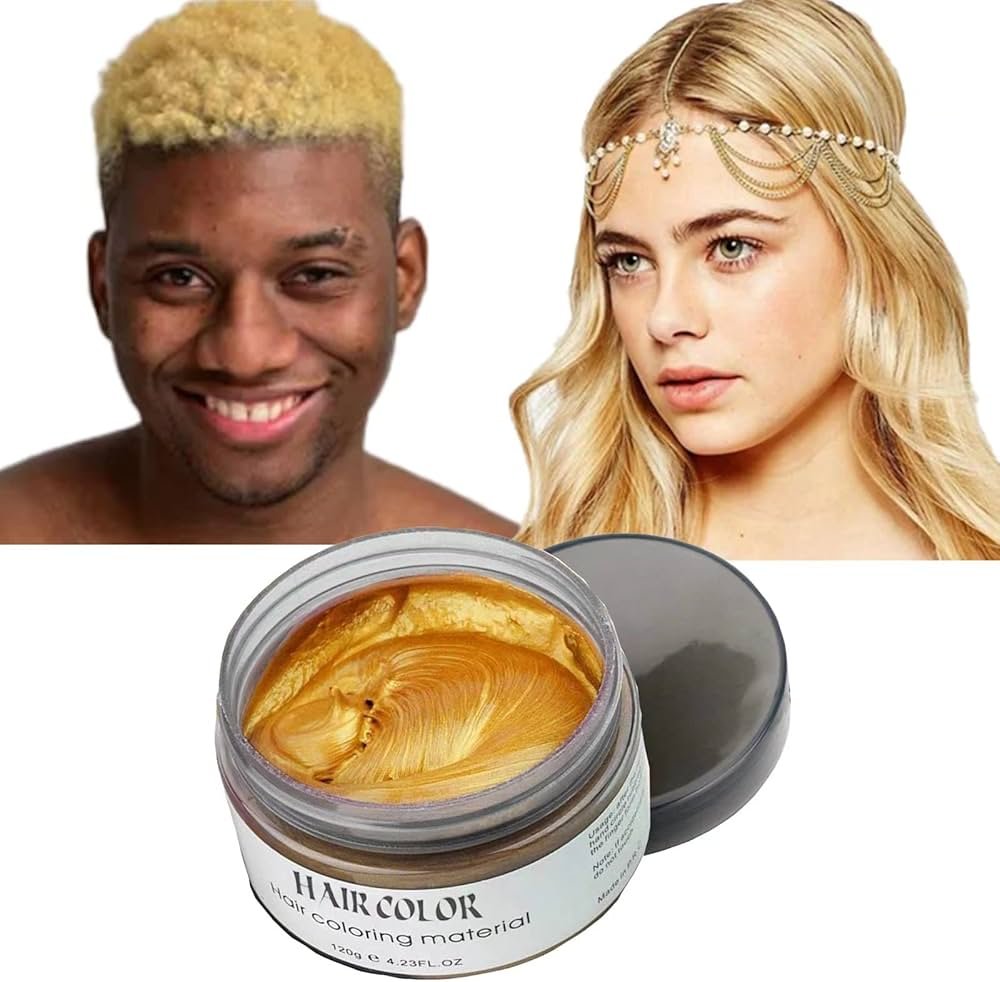
Hair Wax vs. Hair Spray: What They Are and How They Work
Before you pick a side in the hair spray vs. hair wax debate, it helps to understand that these two products do completely different jobs. Most people treat them as interchangeable, and honestly, that mix-up is behind half the styling frustrations I see in my chair.
What Is Hair Wax?
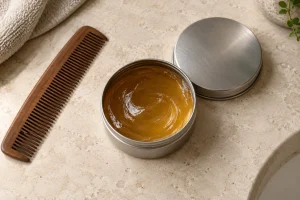
Think of hair wax as your structural foundation. In my experience, nothing beats a good wax or paste when you need to sculpt, mold, and create piecey texture. Because these formulas are typically built on beeswax, lanolin, or castor wax, they never truly dry down. That means you can run your hands through your hair and reshape your look hours after you first applied it.
Wax delivers that effortless, lived-in texture with a matte or low-shine finish—perfect for defining layers without looking wet or stiff. If you’re still wrapping your head around the basics, this deeper dive into what hair wax is used for covers the full range of styles it handles best.
Hair wax shines for:
- Short hairstyles that need shape and control
- Textured, messy, or piecey looks
- Thick or coarse hair that needs extra grip
- Styles you may want to rework throughout the day
- Natural finishes that shouldn’t look stiff or shiny
What Is Hair Spray?
If wax is the foundation, hair spray is the architectural sealant. I rely on sprays to lock a finished look in place and shield it from the elements. Sprays use polymers suspended in a solvent—usually alcohol or water—that evaporate on contact, leaving behind an invisible web that holds your strands together.
Unlike wax, traditional hair spray is meant to be hands-off once it sets. It’s your best defense against humidity, flyaways, and gravity, with finishes ranging from a flexible, brushable hold to an unmoving freeze.
Hair spray earns its keep for:
- Long-lasting hold
- Flyaway and frizz control
- Fine hair that needs volume without heavy product
- Curls, waves, blowouts, and updos
- Finished styles that must stay put for hours
Which Is Best for Your Hair Type and Styling Needs?
The short, honest answer: wax shapes and spray sets, so the better product is whichever matches the job in front of you. If you want texture, separation, and a natural matte look you can rework all day, wax wins. If you need a defined style to stay precisely where you put it, like a slick back, an updo, or all-day volume, spray is your friend.
Your hair type tips the scales too. Fine hair tends to collapse under heavy wax but loves a light mist of flexible spray, while thick or coarse hair usually needs wax’s grip to hold its shape. We’ll walk through every hair type in detail below, but if you take away one thing from this section, make it this: never ask spray to style or wax to hold.
Hair Spray vs. Hair Wax: 6 Key Differences That Actually Matter
I like to think of wax as the product that gives your hair personality, while spray gives it staying power. Once you understand how each one behaves, choosing between them becomes far less of a guessing game.
1. Hold Strength and How Long It Lasts
Hair spray usually offers superior long-lasting hold, especially when your main goal is keeping a finished hairstyle in place for hours. It excels with curls, waves, updos, blowouts, and sleek ponytails.
Hair wax provides hold too, but it feels different. Instead of locking hair into one fixed shape, wax gives strands grip and structure—useful for short hairstyles and textured looks where you still want movement.
A simple way to decide:
- Choose hair spray if your style needs to stay put.
- Choose hair wax if your style needs shape, texture, and control.
- Use both if you want texture first and longevity afterward.
If you’re styling a textured crop, wax creates the shape. If you’re curling long hair for an event, spray preserves the curl pattern.
2. Finish: Matte Texture vs. Locked-In Shine
The finish is the easiest difference to spot. Hair wax typically gives a natural, textured, or matte result—it makes hair look fuller, more separated, and less “perfect” in a good way.
Hair spray depends more on the formula. Some leave a soft, invisible finish; others add shine or create a polished, fixed look. Strong-hold sprays can read slightly stiff if you go overboard.
| Styling Goal | Better Choice |
|---|---|
| Messy texture | Hair wax |
| Piecey definition | Hair wax |
| Soft everyday hold | Flexible hair spray |
| Sleek polished finish | Hair spray |
| Event-ready style | Strong-hold hair spray |
If you want hair that looks touchable and relaxed, wax is usually your answer. For neat, smooth, and controlled, spray takes it.
3. When You Apply It: During Styling vs. After
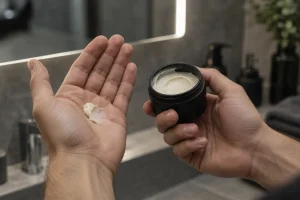
Timing matters more than most people realize. Hair wax goes in during the styling process—warm a small amount between your palms, then work it through to shape, lift, twist, or separate sections.
Hair spray comes after the style is finished, acting as the final protective layer.
Think of the order this way:
- Wax first — build the shape, texture, and separation.
- Spray last — lock the finished style in place.
4. Restyleability Throughout the Day
If you like adjusting your hair on the go, wax is far more forgiving. Because it stays pliable, you can reshape with your fingers after wearing a hat, walking outside, or sitting through a long workday.
Hair spray is less flexible once it dries. Brush through too much dried spray and your hair may feel stiff, dry, or slightly flaky.
My quick rule: restyle often? Choose wax. Set it and forget it? Choose hair spray.
5. Washability, Residue, and Buildup
Both products can leave residue, just in different ways. Spray may leave a light film or dryness with overuse. Wax leaves a heavier coating because it’s thicker and more concentrated—and it’s harder to wash out, especially near the roots.
Watch for these buildup warning signs:
- Hair feels sticky, waxy, or heavy
- Your usual style won’t hold like it used to
- Roots look oily even after washing
- You need more product for the same result
Buildup is also where the flake confusion starts. Many clients assume their wax gave them dandruff, when the real culprit is residue accumulating on the scalp—something I’ve covered in detail in this breakdown of whether hair wax actually causes flakes. If buildup persists, scalp buildup deserves a proper cleansing routine before you add more product.
6. Cost per Use and Product Longevity
Wax comes in smaller tins but lasts ages because a pea-sized amount handles a full short-hair style. Spray covers a wider area, so you’ll burn through it faster—particularly with long hair or daily use.
Here’s the truth I tell every client: the most expensive product is the wrong one. Too much spray forced into texture duty equals stiffness. Too much wax dragged through long curls equals heaviness. The best choice delivers your result with the smallest amount.
Which Is Best for Your Hair Type?
Here’s something I wish more product labels admitted: the same tin of wax behaves completely differently on fine hair than it does on coarse hair. In the hair spray vs. hair wax decision, your hair type isn’t a footnote. Most of the time, it is the decision.
Fine or Thinning Hair: Why Weight Matters Most
If your hair is fine or thinning, a flexible-hold spray is the safer bet, and any wax should be light, oil-free, and applied in almost comically small amounts. Fine strands simply can’t carry weight—load them with rich wax and they clump, and clumped strands mean visible scalp.
I once had a regular who’d been using his son’s heavy pomade-style wax on a thinning crown, convinced more product meant more coverage. We swapped it for a light root-lift spray, and he stared at the mirror like I’d performed a magic trick. Nothing grew back; his hair just stopped sticking together. If thinning concerns you beyond styling, the American Academy of Dermatology’s hair care guidance is worth a read.
The rule for fine hair: if you can feel the product, you’ve used too much.
Thick and Coarse Hair: Control Without Stiffness
Thick or coarse hair flips the script entirely—here, wax is your workhorse. Dense hair shrugs off light sprays by mid-morning because there’s simply too much hair for a thin polymer film to control.
A few lessons from years of thick-haired clients:
- Reach for waxes labeled “strong hold” or clay-based; soft, glossy formulas vanish into dense hair
- Work wax in sections from back to front, or the fringe gets everything and the crown gets nothing
- Save spray for a supporting role—one strong-hold mist on humid or windy days
Curly and Wavy Hair: Definition vs. Frizz Control
For curls and waves, the answer hinges on which battle you’re fighting. For definition—soft, separated curls with spring—a cream-wax hybrid scrunched into slightly damp hair works beautifully. If frizz is your enemy, a flexible humidity-resistant spray outperforms wax by sealing the hair’s surface against the moisture that makes curls swell and fuzz.
Two cautions from years of curly clients in my chair: never rake wax through dry curls (you’ll shatter the curl pattern and create the very frizz you’re avoiding), and skip strong-hold sprays unless it’s a special occasion. Curls should bounce when you tap them.
Short Hair vs. Medium and Long Hair
Short hair (roughly three inches or less): This is wax country. Crops, fades with textured tops, and spiky looks live or die on separation and grip. Spray on very short hair often just sits on the surface with little to anchor.
Medium to long hair: The longer your hair, the more wax works against you—dragged through length, it leaves hair greasy and flat by noon. Longer styles depend on volume, movement, and set shapes, all spray’s home turf. Medium lengths often thrive on a hybrid approach: a touch of wax at the roots and ends, then a light mist to hold the overall shape.

Can You Use Hair Spray and Hair Wax Together?
Yes—and in fact, this combination is one of the oldest tricks in the stylist playbook. Wax alone relaxes by evening; spray alone can’t create texture. Layered correctly, each covers the other’s weakness.
The Correct Order: Style with Wax First, Set with Spray Second
Wax is the paint; spray is the clear coat—and nobody varnishes an unfinished surface. Here’s the exact routine I use on clients whose textured style needs to survive a twelve-hour day:
- Start with completely dry hair. Wax slips and dilutes on damp strands.
- Work in a pea-sized amount of wax and shape until you’re happy. Take your time—this is the last moment your hair is fully moldable.
- Hold the spray can 8–10 inches away. Any closer and product lands wet and heavy.
- Apply one light, sweeping pass. Then hands off. Touching sprayed hair cracks the hold you just built.
Reverse the order and things go wrong fast: spray dries into a thin film, wax can’t grip the coated strands, and product sits on top of your hair, shedding white flakes the moment you touch it. Nearly every flake emergency that’s walked into my salon started with someone spraying first.
One last caveat: when layering, halve your usual dose of each. The goal is a style with a seatbelt, not a style in a cast.
Mastering Hair Wax: Application Secrets for a Flawless Finish
Technique matters more than the tin. These four habits turn any decent wax into an all-day matte finish—and quality matters too, which is why I pay attention to formulation standards when evaluating any hair wax manufacturer behind the products I recommend.
Secret #1: Take half of what you think you need. Scrape, don’t scoop. A pea-sized amount covers short hair; two at most for medium lengths. Adding more takes seconds—removing excess means shampooing and starting over.
Secret #2: Emulsify until the wax disappears. Rub it between your palms for ten to fifteen seconds until it becomes a thin, invisible film. Cold wax goes in patchy; warm wax spreads evenly.
Secret #3: Start at the back, finish at the front. Work the crown first, then the sides, and let fingertip residue handle the fringe. Starting at the front drowns it in product.
Secret #4: Let the blow-dryer do the heavy lifting. Rough-dry your shape first, lifting at the roots, then use wax for detail work. Wax locks shape in—it can’t build shape from flat hair.
Final Thoughts
When it comes to hair spray vs. hair wax, there’s no universal winner—only the right tool for your hair and your day. Wax is your pick for shaping, texture, and flexible control; spray sets the finished look and extends hold for hours. Choose based on your hair type, length, and desired finish, or layer both for a style that looks natural and actually lasts.
Whichever route you take, start with quality formulas suited to your hair—the team at Keron Hair is a solid place to begin exploring options that won’t weigh you down or flake out on you. Your hair will thank you, and so will your mirror at 5 p.m.