Building a successful private label hair brand doesn’t require a multi-million-dollar lab. After more than a decade helping founders move from a kitchen-table concept to crowded retail shelves, I can tell you the real make-or-break factor is far less glamorous than a fancy facility: a smart, dependable supply chain.
If you’re launching in 2026, your biggest challenge won’t be design or marketing—it’ll be finding OEM Hair Products Suppliers that balance low minimum order quantities (MOQs) with genuine salon-grade quality. You want a manufacturer that behaves like a true partner, one that lets you test formulas without torching your startup capital in the process.
I’ve watched too many promising brands stall because they picked the wrong factory. So I’ve done the heavy lifting for you, vetting the 10 best hair product suppliers equipped to turn your concept into shelf-ready reality this year.
What Are OEM Hair Products?
OEM (Original Equipment Manufacturer) hair products are custom formulations a factory creates based entirely on your brand’s specific design, ingredients, and performance targets. Unlike grabbing a pre-made, off-the-shelf formula, you actually own the unique recipe.
The right manufacturing partner shoulders the heavy operational lifting:
- Custom R&D: Tailoring specific textures, active ingredients, and signature scents.
- Mass Production: Sourcing raw materials, bulk mixing, and automated bottling.
- Compliance Support: Ensuring every formula clears strict international safety certifications.
One thing worth understanding early is the difference between OEM and ODM models, since the two affect ownership and flexibility differently. If you’re still weighing your options, this breakdown of OEM hair products vs. ODM clarifies which path fits your goals before you ever send a brief.
The 10 Best OEM Hair Products Suppliers for Global Brands
1. Cosmax — Best for High-Volume Global Scale & Skincare-Grade Hair Innovation
Cosmax is a genuine powerhouse in contract beauty manufacturing, known for bridging advanced skin biotechnology with high-performance hair care. They approach hair through the lens of “skinification”—treating the scalp with the same scientific rigor and active-ingredient profiles usually reserved for premium facial serums.
With multi-national automated facilities across Asia, North America, and Europe, they deliver top-tier supply chain localization for massive enterprise brands. Their R&D framework leans hard into clinical efficacy, rigorous safety, and patented active-delivery systems built to capture premium market attention.
- Core categories: Scalp microbiome serums, anti-thinning treatments, liposome-encapsulated hair essences, and premium silicone-free shampoos.
- MOQ: 10,000–20,000 units per SKU.
- Pros: World-class R&D infrastructure; global manufacturing footprint; pioneers in scalp-barrier biotechnology.
- Cons: Steep entry barriers; cost-prohibitive for growing indie brands or small-batch testing.
2. Pravada Private Label — Best for North American Salon Launches & Clean-Label Adjustments
Based in the United States, Pravada offers a reliable bridge between turnkey speed-to-market and professional salon-grade performance. They specialize in helping indie brands and established salon networks launch clean-label collections without the brutal overhead or long timelines of custom chemical synthesis.
I’ve recommended them to several first-time founders specifically because their team understands the slow, careful transition from catalog formulas to fully branded, scent-customized products.
- Core categories: Keratin smoothing systems, color-safe moisture duos, argan-infused treatment masks, and botanical styling creams.
- MOQ: 50–100 units for standard catalog formulas; 1,000–3,000 units for customized variations.
- Pros: Fast domestic turnaround; vegan and clean-beauty standards built in; accessible entry tiers.
- Cons: Higher per-unit costs than large overseas mass-production hubs.
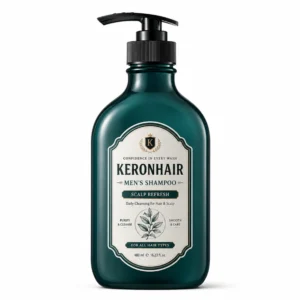
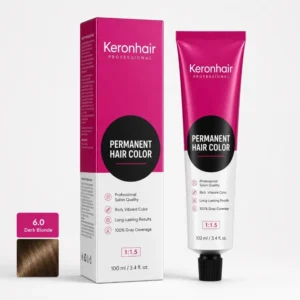
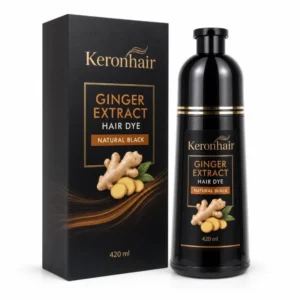
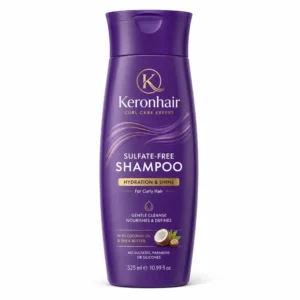
3. Keronhair — Best for Premium Salon-Grade Formulations & High-Capacity Global Export
Operating an 8,000-square-meter production facility in Guangzhou, China, Keronhair is an elite tier-one contract manufacturer backed by more than 16 years of technical expertise. Founded in 2010, the company excels at translating demanding professional salon requirements into scalable OEM/ODM solutions.
I’ve toured a fair number of Guangzhou facilities, and what consistently impresses me here is the marriage of massive bulk-blending capacity with genuinely rigid quality control. Their R&D lab specializes in high-performance professional formulas, advanced color-retention chemistry, and intensive repair systems—the kind of work many smaller factories quietly outsource. For anyone exploring Chinese factories for OEM hair dye, they’re a strong benchmark to measure others against.
- Core categories: Professional hair color creams (including ammonia-free variants), salon-exclusive treatments, structural bond-repair systems, and custom nourishing masks.
- MOQ: 1,000–3,000 pieces per SKU for fully custom projects.
- Pros: Rigorous compliance (GMPC, ISO 22716); massive blending capacity; exceptional cost-to-performance ratio on complex salon formulas.
- Cons: Western-focused brands need to plan international maritime and freight logistics.
4. Nutrix USA — Best for Science-Backed, Clinical & Therapeutic Scalp Care
Nutrix USA is an FDA-registered, cGMP-compliant contract manufacturer running a sophisticated facility in Utah. They differentiate through performance-first, nutraceutical-inspired formulas that cross into therapeutic, medical-grade, and over-the-counter territory.
Rather than chasing fleeting styling trends, Nutrix pours its R&D into solving complex hair and scalp problems with clinically validated actives. That makes them a premier choice for dermatologist-backed lines or wellness brands that need airtight functional claims.
- Core categories: Clinical anti-dandruff shampoos, follicle-strengthening serums, clean-label scalp scrubs, and OTC thinning solutions.
- MOQ: 5,000–10,000 units per SKU.
- Pros: Flawless domestic regulatory compliance (FDA, NSF, cGMP); ideal for verifiable OTC claims.
- Cons: Limited catalog for trend-driven styling clays or complex oxidative colors.
5. HSA Cosmetics — Best for Elite European Salon Branding & Advanced Color Technology
Headquartered in Varese, Italy, HSA has been a European benchmark for premium salon performance and avant-garde aesthetics for over 40 years. They’re celebrated for pairing professional hair-care artistry with rigorous European science.
They handle end-to-end turnkey work, taking brands from conceptual mood boards all the way to retail readiness—while strictly honoring the most stringent global safety standards.
- Core categories: Premium color lines (permanent, demi-permanent, plex-infused), post-color salon treatments, and luxury leave-in elixirs.
- MOQ: 3,000–5,000 units per formulation variant.
- Pros: Global leader in oxidative color chemistry and pigment stability; native EU Cosmetics Regulation compliance; prestige European positioning.
- Cons: Longer lead times and higher shipping costs for non-European brands.
6. TY Cosmetic — Best for Agility, Custom Hair Oils & Turnkey Mid-Market Execution
TY Cosmetic is a modernized, full-service manufacturer built to international GMPC benchmarks. They specialize in seamless “one-stop” solutions that manage everything from chemical blending to packaging design and multi-language retail layouts.
Fast-growing e-commerce brands gravitate here thanks to extreme agility and rapid prototyping. Their R&D team maintains a library of thousands of pre-tested bases, which slashes upfront development friction considerably.
- Core categories: Lightweight hair oils (honey, argan, avocado), texturizing gels, flexi-pomades, and scalp drops.
- MOQ: 1,980–3,000 pieces per SKU for liquid and styling lines.
- Pros: Rapid sampling; in-house design and packaging; clean 100,000-grade production environments.
- Cons: Less suited to massive, low-margin commodity lines.
7. Aurora Cosmetics — Best for Indie Brand Testing & Small-Batch Clean Beauty Scaling
Aurora runs a dynamic 10,000-square-meter facility built explicitly around a “small-batch, rapid-response” philosophy. They’ve torn down traditional manufacturing barriers to help startup founders and boutique sellers bring clean beauty ideas to life quickly.
The focus is plant-based, cruelty-free, vegan-certified formulation. With standardized packaging and in-house hot-stamp printing, emerging brands can achieve a luxurious look on a modest initial investment—something I wish more OEM Hair Products Suppliers offered to newcomers.
- Core categories: Plant-based serums, high-shine conditioning mists, custom vegan masks, and detangling sprays.
- MOQ: 50 units for stock private label; 3,000–6,000 pieces for fully custom OEM.
- Pros: Ultra-flexible minimums; fast cycles (often 2–4 weeks for stock); strong vegan library.
- Cons: Permanent oxidative salon color falls outside their primary focus.
8. Ausmetics — Best for Natural, Eco-Certified & Botanical Bulk Production
Based in Guangzhou’s sprawling manufacturing ecosystem, Ausmetics has built a stellar reputation by merging competitive pricing with high-tier organic certifications. Their wheelhouse is green, eco-friendly, botanically driven formulation for global export.
Their automated cleanrooms carry ISO 22716, GMPC, FDA, and BSCI certifications, and their botanical ingredient library lets brands build transparent, clean-label products that resonate with eco-conscious shoppers.
- Core categories: Sulfate-free organic shampoos, silicone-free plant conditioners, herbal hydration masks, and scalp-detox treatments.
- MOQ: 3,000–5,000 pieces per SKU.
- Pros: Vast organic ingredient range; verified cross-border compliance; competitive eco-bulk pricing.
- Cons: Complex synthetic polymers or industrial straightening agents sit outside their green niche.
9. SBLC Cosmetics — Best for Turnkey EU Compliance & Premium European Outsourcing
Operating from Munich, Germany, SBLC takes an unusual approach: instead of one rigid facility, they act as a structured intermediary leveraging a vast, audited network of specialized European plants.
This asset-light model lets them match each brand’s needs to the best-in-class facility and take full responsibility for guiding clients through Europe’s notoriously dense compliance maze.
- Core categories: Technical styling pastes, premium cleansing systems, follicle scalp serums, and conditioning creams.
- MOQ: 1,000 pieces per SKU for pre-formulated private label; 250 units for select “ready-to-go” options.
- Pros: Deep mastery of EU regulation; removes the headache of juggling multiple factories; high-end German R&D access.
- Cons: Higher per-unit material and procurement costs than direct-to-factory Asian suppliers.
10. Kolmar — Best for Clinical Verification & Ultra-Precise Industry 4.0 Standards
Kolmar is a titan of East Asian contract cosmetics, commanding huge market share across South Korea and Japan. They represent the pinnacle of hyper-precise, automated Industry 4.0 manufacturing and scientific validation.
They maintain a massive portfolio of proprietary raw materials and run deep clinical evaluations to substantiate product claims. For brands that need undeniable scientific evidence or pharmaceutical-grade validation, Kolmar offers unmatched engineering security.
- Core categories: Functional anti-hair-loss lotions, medical-grade scalp treatments, leave-in protein essences, and clinical thinning solutions.
- MOQ: 10,000+ units per production run.
- Pros: Robotic precision ensuring near-zero batch variation; immense clinical backing for marketing claims.
- Cons: Long onboarding, high financial barriers, and rigid structures that resist small-scale changes.
7 Must-Check Criteria When Evaluating OEM Hair Products Suppliers
Choosing the right manufacturer is a balancing act between technical performance, operational agility, and regulatory safety. Here’s the framework I personally use when auditing any of the OEM Hair Products Suppliers on a client’s shortlist.
1. Certifications & Regulatory Compliance
Confirm the supplier holds ISO 22716 and GMPC certifications. For global export, verify they can navigate cross-border frameworks like the US FDA, European CPNP, or Southeast Asian BPOM—skipping this step is exactly how brands end up with stock frozen at customs.
2. Minimum Order Quantity & Flexibility
Make sure their MOQ structure matches your ambitions. True custom OEM formulas typically run 1,000–3,000 units per SKU to cover line setup. Prioritize partners who offer scaling pathways, letting you pilot small before committing to volume.
3. Custom Formulation & R&D Depth
Partner with a manufacturer that has real R&D muscle. They should develop skincare-grade actives and demonstrate command over technical niches like professional color chemistry and bond repair—so you’re offering distinctive products, not generic white-label clones.
4. Product Range Across Hair Care Categories
A genuine one-stop supplier streamlines your entire chain. Confirm they run dedicated lines for liquid cleansing, high-viscosity pomades, and chemical treatments. If shampoo will be one of your core SKUs, compare the best shampoo manufacturers for beauty brands to see how specialist suppliers differ in formulation, MOQ, packaging support, compliance, and scalability. Unified production keeps your scent profiles and quality consistent across every SKU.
5. Lead Time, Scalability & Capacity
Audit daily blending limits and filling speeds so they can absorb demand spikes. Standard reorder lead times should land around 25–35 days. A reliable partner also guarantees queue priority during peak season, so your bestseller never goes out of stock at the worst possible moment.
6. Packaging & Full-Service Branding Support
Look for in-house decorating like hot-stamping or silk-screening. Critically, their lab must run packaging-compatibility testing—I’ve seen botanical actives literally collapse a plastic bottle over time, and stability testing is the only thing that catches that before launch.
7. Quality Control, Testing & Sampling Policy
Demand transparency on testing: accelerated stability, freeze-thaw cycles, and microbiological challenges. Their water-purification systems should be monitored daily. And insist on a responsive sampling policy delivering accurate iterations within 7–10 days. If you’re producing color specifically, it’s worth understanding how quality, safe natural hair dye is manufactured so you can ask sharper questions.
How to Launch Your Private Label Hair Brand With an OEM Supplier
Here’s the practical, step-by-step roadmap I walk founders through—from selecting your supplier to going live across multiple channels.
Step 1 — Define your niche, audience, and positioning. Pin down a specific lane—scalp wellness, curl care, or damage repair—and know your customer cold. Strong positioning before production prevents the costly pivots I see far too often.
Step 2 — Identify 1–3 hero SKUs. Start small: a shampoo, a serum, a treatment that fits your niche, has proven demand, healthy margins, and confirmed availability from your shortlisted suppliers.
Step 3 — Contact suppliers and request samples. Approach at least five OEM partners and never skip samples. Judge texture, scent, ingredient transparency, and batch consistency—these quietly determine your reputation.
Step 4 — Customize formula, fragrance, packaging, and label. Refine the base, choose a signature scent, and design packaging that reflects your identity. Every sensory touchpoint shapes first impressions and repeat purchases.
Step 5 — Secure compliance, INCI lists, and COA documents. Obtain your Certificate of Analysis, full INCI list, and Safety Data Sheet. Verify formulas meet your target market’s cosmetics regulations before approving any run.
Step 6 — Place your first order and plan fulfillment. Negotiate pricing, confirm lead times, and lock your fulfillment method—self-storage, a 3PL, or Amazon FBA—so inventory ships from day one.
Step 7 — Launch across channels. Don’t lean on a single platform. Sell on Shopify and Amazon, pitch local salons, and chase wholesale simultaneously. A diversified strategy accelerates visibility and shields you from algorithm shifts.
Conclusion
Launching a global hair care brand truly hinges on the partner you choose. By vetting your shortlist of OEM Hair Products Suppliers against the criteria above—compliance, R&D depth, and scalability—you can customize high-performance formulas with confidence and run a clean launch from first concept to multi-channel success. Take your time on this decision; the right manufacturer doesn’t just fill your bottles, it quietly becomes the backbone of everything your brand promises.