To learn how to make natural shampoo, I’d start with a shampoo base that the supplier explicitly allows you to customize. Follow its formula and processing instructions, weigh ingredients, and check the finished mixture. Avoid improvised food additions, unplanned dilution, and promises that a homemade bottle will stay safe for months.
For your first DIY natural shampoo project, we’ll use a ready-made base. Starting with separate raw ingredients requires more formulation knowledge. Before adding a botanical, decide what you expect it to change.
What Does “Natural” Shampoo Actually Mean?
Natural shampoo usually describes a product’s ingredient positioning. It doesn’t tell you whether the formula cleans well, suits your scalp, or has adequate protection against contamination.
In the United States, the FDA hasn’t established a regulatory definition of “natural” for cosmetic labeling. The agency also cautions that choosing natural ingredients doesn’t guarantee safety. Other standards and certification schemes may have their own criteria.
Give each ingredient a clear purpose. “Chemical-free” isn’t a useful goal: water, oils, and plant extracts all contain chemicals.
How to Make Natural Shampoo: Two Ways to Start
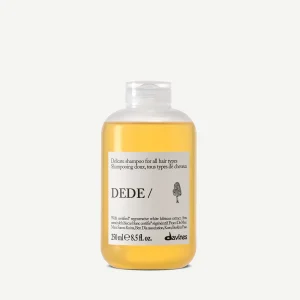
A customizable base gives you a cleansing formula and a defined starting point. You still need instructions for permitted changes and the checks those changes require. Retail shampoo isn’t automatically a customizable base.
From scratch, you’ll choose the cleansing ingredients and their concentrations, then build the rest of the formula around them. That includes addressing pH, preservation, stability, and packaging. Similar-sounding raw materials aren’t necessarily interchangeable.
I’d start with a base because it gives you fewer decisions to manage. First decide what you want your wash to do. Our guide to different types of shampoo can help you separate cleansing needs from conditioning goals.
Natural Shampoo Ingredients: What to Use
Read what’s already in the base before buying additions. It may already contain the conditioning ingredients or botanical materials you had in mind.
For example, MakingCosmetics lists glycerin, aloe, and panthenol in its Herbal Hair & Body Wash Base. Check your own base’s ingredient list before adding more.
A Shampoo Base with Clear Instructions
Before buying, get the complete ingredient list and processing guidance for that exact base. Ask which additions are allowed, how their limits are calculated, and what testing follows. Keep the product name and batch details with your instructions.
“You can add botanicals” is too vague. You need to know which material, at what concentration, and under which conditions.
Conditioning Ingredients Only When They Have a Job
What needs improving: rinsing, tangling, or the feel of your hair once dry? Adding oil doesn’t automatically solve all three. If dry lengths are your main concern, start with our guide to moisturizing hair without making it greasy before deciding to change the shampoo.
In Keronhair’s published sulfate-free hair-care collection project, the development work included adjusting texture, fragrance, and conditioning feel alongside bottle matching. Those are separate decisions. “Make it natural” doesn’t tell a formulator how you want the shampoo to rinse or feel. Name that result before choosing an addition.
Fragrance Is Optional
Leaving out essential oils gives you fewer variables to manage. If you want scent, confirm which material suits the formula and how much is permitted. A base’s fragrance allowance doesn’t make every essential oil interchangeable.
| Material | Why you might use it | What to check first |
|---|---|---|
| Shampoo base | Provides the cleansing formula | Exact product and customization instructions |
| Conditioning additive | Addresses a specific handling goal | Whether the base already provides it; permitted material and amount |
| Fragrance or essential oil | Adds scent, if wanted | Formula compatibility and ingredient-specific limits |
| Water | Only when the formula requires it | Specified water quality, dilution, and preservation implications |
How to Make Natural Shampoo with a Ready-Made Base
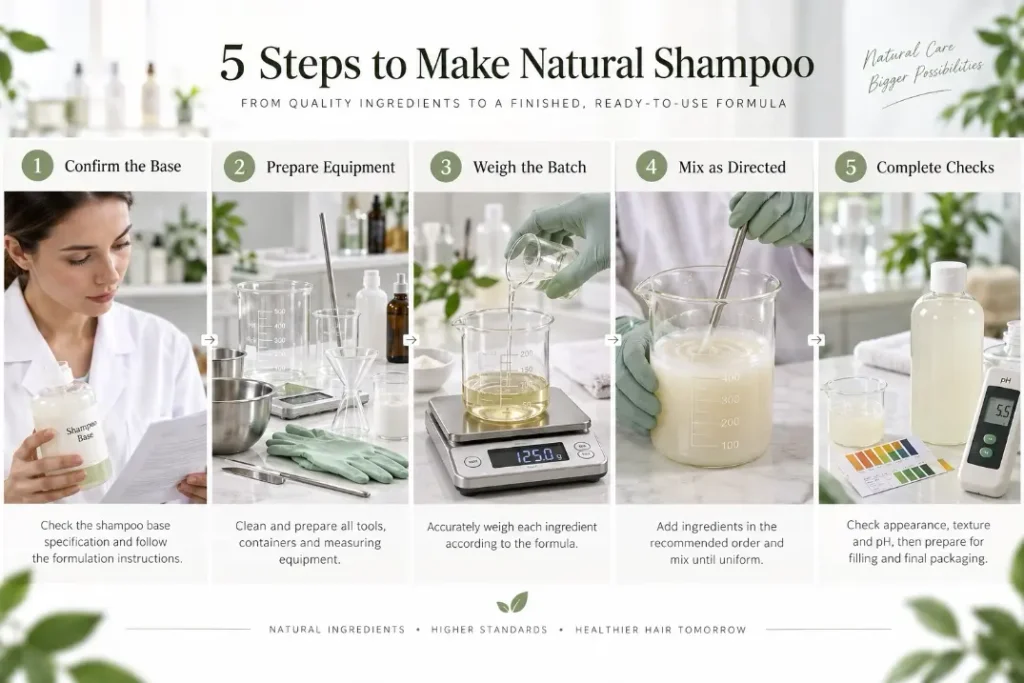
If you’re learning how to make natural shampoo at home, use these five steps alongside your supplier’s formulation and processing instructions. They aren’t a universal recipe. Ingredients, conditions, and required checks depend on your chosen base; if those instructions are missing, ask the supplier before mixing.
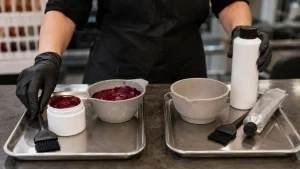
For the work itself, prepare:
- A scale suitable for the smallest quantity you need to weigh.
- Appropriate vessels and mixing tools, prepared according to the processing instructions.
- The specified packaging and, where required, suitable pH-measuring equipment.
- Labels and a batch record for the ingredients and quantities used.
Step 1: Confirm the Base and Its Limits
Match the supplier’s instructions to the product name and version. Confirm whether percentages refer to weight or volume, whether an addition needs a separate dissolving step, and what must be checked before use.
An allowance for fragrance doesn’t necessarily permit the same amount of oil, aloe, or water. Ask about the actual material you intend to add.
Step 2: Prepare Your Equipment
Follow the applicable cleaning and sanitation instructions for every surface that will contact the shampoo. Avoid old product residue and unintended water in tools or containers. An empty shampoo bottle isn’t necessarily ready to refill.
Arrange the ingredients so you can identify them without stopping mid-process. FDA guidance says cosmetics need not be sterile; that doesn’t remove hygiene requirements. If your supplier specifies sterilized equipment, ordinary household cleaning doesn’t meet that instruction.
Step 3: Weigh the Batch
Work from the specified batch total and record what you actually weigh. If the formula gives quantities by weight, don’t switch to drops or spoonfuls.
For arithmetic only, suppose a supplier-approved formula contains 99.5% base and 0.5% of one permitted additive. A 100 g batch would contain 99.5 g base plus 0.5 g additive. This isn’t a recommended dose for essential oils or any particular ingredient.
Adding 0.5 g to 100 g of base gives a different total. If you overshoot, stop and recalculate instead of guessing at a correction.
Step 4: Mix as Directed
Use the specified addition order, mixing method, and temperature. More vigorous mixing isn’t automatically better. In its Shampoo Base C processing instructions, Stephenson explains that excessive agitation can trap air and change the product’s appearance. It also notes that essential oils differ in solubility.
An oil that briefly disperses isn’t necessarily compatible with the base over time. Don’t try to fix poor mixing by switching to a kitchen whisk.
Step 5: Complete the Required Checks
Record the observations and measurements specified for your formulation, including pH where relevant. Follow the stated measurement method and acceptable range rather than choosing a universal pH target from another recipe.
Keronhair’s formulation and production guide treats packaging fit and scale-up as separate checks. A thicker sample may look appealing but struggle through the chosen pump. Different mixing equipment also needs review. Neither question is settled by approving how the sample looks.
Complete the required checks before use. A normal appearance and an in-range pH don’t, by themselves, establish stability or microbiological safety. If testing exceeds what you can do at home, use qualified help or choose a finished product.
Homemade Shampoo Mistakes: What to Avoid
An ingredient can work in one professionally developed formula and still be a poor addition to your base. Pay attention to the combination and amount, not just the ingredient’s name.
Fresh Foods and Unplanned Dilution
Don’t add fresh milk, brewed herbal tea, kitchen aloe pulp, or juice to a bottle you intend to store without a formulation designed and assessed for those materials. Cosmetic ingredients come with specifications that a kitchen preparation doesn’t automatically meet.
FDA’s microbiological safety guidance warns that adding water can introduce contamination and dilute preservatives. Distilled water still changes the formula’s concentrations. Refrigeration alone doesn’t establish a safe shelf life.
Vinegar Mixed Directly into Castile Soap
Acidifying true soap isn’t a dependable shortcut to a mild shampoo. Lisa Bronner explains why vinegar and Castile soap shouldn’t be mixed directly: the acid reacts with the soap, releasing fatty acids that can produce an oily, curdled mixture.
This doesn’t mean every shampoo must avoid citric acid. A non-soap cleanser is a different system; its pH adjustments need their own formulation instructions.
Extra Oils, Essential Oils, and DIY “Fixes”
If a batch disappoints you, don’t change several ingredients at once. Adding oil, scent, and a thickener together makes it harder to tell which change affected the result.
Don’t use baking soda, acids, or extra preservative as improvised repairs. Nor should you assume that added oil makes a shampoo suitable for dyed hair. Our guide to choosing shampoo for color-treated hair explains those needs separately.
Why Has Your Shampoo Separated or Turned Cloudy?
If your homemade shampoo separates or turns cloudy, note when it happened: before mixing, after an addition, or during storage. The timing helps narrow your questions, although it won’t identify the cause on its own.
| What you notice | What to investigate | What not to do |
|---|---|---|
| Bubbles or cloudiness after mixing | Trapped air, original appearance, and addition compatibility | Assume all cloudiness is harmless air |
| A floating oil layer | Ingredient suitability, amount, and mixing instructions | Shake it and declare it stable |
| Unexpected thinning or thickening | Quantities, temperature, and processing conditions | Add salt, water, or gum by guesswork |
| An unusual smell or color change | Storage, ingredients, packaging, or possible contamination | Mask the change with fragrance |
Hold a batch with unexplained changes while you seek guidance. Clarity doesn’t prove safety, and cloudiness alone doesn’t identify contamination. A photo and written batch record are more useful to the supplier than “it went wrong.”
Does Natural Shampoo Need a Preservative?
A water-based shampoo needs an effective way to control microbial growth. A preserved base may already provide that protection within its intended use, but changing the formula means checking whether the protection remains adequate.
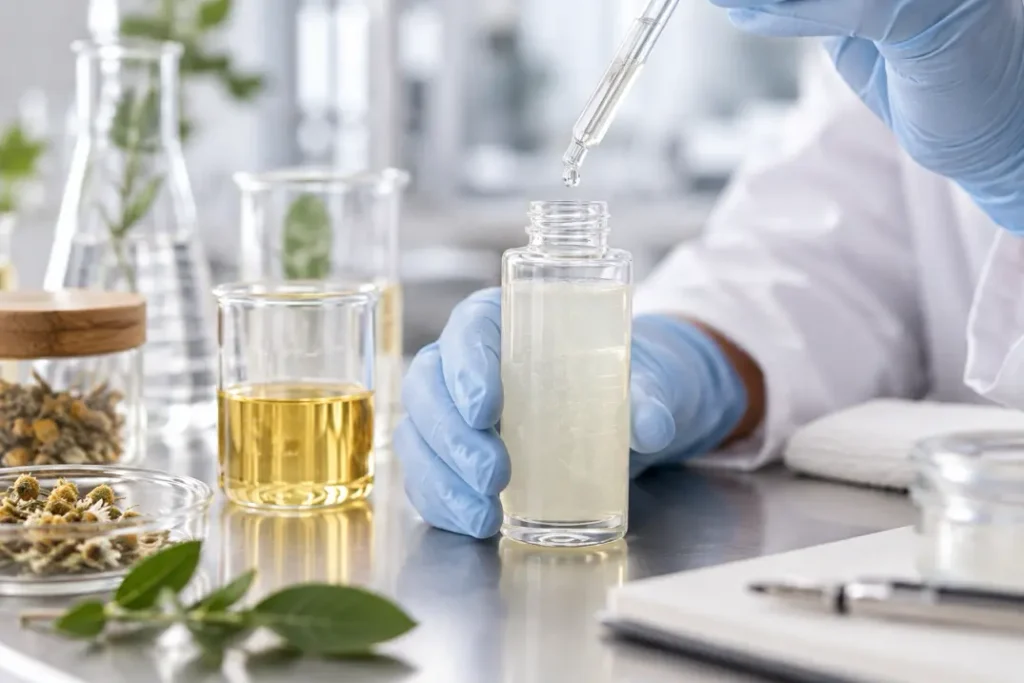
Don’t assume you must add more preservative, either. The choice and amount need to suit the complete formulation. Essential oils or refrigeration shouldn’t be treated as substitutes for evidence that the preservation system works.
Changing your natural shampoo ingredients means checking whether the base’s existing safety evidence still applies. In its product-specific instructions, Stephenson calls for stability and preservative challenge testing, which assesses protection against microbial growth. The necessary assessment depends on the formula and changes; don’t assign a storage period without supporting evidence.
How Should You Store and Assess Your First Batch?
Follow storage and packaging instructions that apply to the finished formulation. The unopened base’s expiry date isn’t automatically the expiry date of your mixed and repackaged product.
Keep a Batch Record
Give each DIY natural shampoo batch an identifier and keep the original instructions with your notes. A useful record includes:
- Base and additive names, supplier details, and batch numbers.
- Actual weights, processing date, and mixing conditions.
- Packaging, storage conditions, and required measurements.
- Any changes in appearance or handling, with dates.
With those notes, you can tell similar-looking bottles apart and explain what happened to a particular batch. Keep old and new batches separate rather than topping up the same bottle.
Separate Hair Feel from Product Safety
Only assess wash performance once there’s an adequate basis for using the formulation. Notice cleansing, rinsing, tangling, and heaviness. Comfortable hair doesn’t demonstrate microbiological safety.
Stop using the product if you notice:
- Burning, a rash, swelling, or persistent itching.
- Unexplained product changes or signs of contamination.
Seek medical advice for severe or persistent symptoms. Don’t interpret irritation as a necessary adjustment to natural shampoo.
Is Homemade Shampoo Right for Your Hair?
You can enjoy learning to formulate without expecting your first project to solve a hair problem. If your scalp needs attention now, address that separately; making your own shampoo isn’t a requirement for good hair care.
When a Simpler Routine Makes More Sense
If dry ends are your main concern, review your existing conditioning routine first. Natural-textured hair doesn’t require exclusively natural ingredients; our guide to a routine for natural-textured hair focuses on what each product needs to do.
When You Want to Develop a Product to Sell
At Keronhair, we offer custom shampoo development and packaging support. Bring a defined cleansing goal, ingredient preferences, and intended packaging to that discussion. Commercial development also requires appropriate safety substantiation and market-specific review; multiplying a home batch doesn’t complete that work.
Frequently Asked Questions
Can I Make Natural Shampoo Without Castile Soap?
Yes. Soap-free shampoo bases use other cleansing ingredients. Choose a base with suitable ingredient information and processing instructions; simply removing Castile soap from an existing recipe doesn’t create an equivalent formula.
Can I Add Aloe Vera to Shampoo?
Only when your formula permits the specific aloe ingredient and amount. Fresh pulp, cosmetic aloe ingredients, and retail aloe gels aren’t interchangeable. The modified formula still needs appropriate checks.
How Long Does Homemade Shampoo Last?
There’s no universal shelf life. It depends on formulation, processing, packaging, storage, and supporting evidence. Don’t transfer the unopened base’s expiry date to a changed product or rely on smell alone.
Can Homemade Shampoo Help Hair Grow?
Being homemade or natural doesn’t establish a hair-growth benefit. If you notice significant or persistent hair loss, seek a dermatologist’s assessment rather than relying on an untested shampoo recipe.
Choose a documented starting formula, give each proposed addition a purpose, and record what you change. If you can’t explain why an ingredient belongs, leave it out until you can.
References & Sources
- FDA. Small Businesses & Homemade Cosmetics: Fact Sheet. Natural labeling, safety substantiation, and hygiene.
- FDA. Microbiological Safety and Cosmetics. Contamination routes, water addition, and preservation.
- Stephenson. Shampoo Base C: Processing Instructions, Revision 02. Mixing, oil solubility, and finished-formula testing. Confirm current instructions with your supplier.
- Lisa Bronner. Why Vinegar & Castile Soap Don’t Mix Well. True-soap chemistry, not shampoo safety testing.
- MakingCosmetics. Herbal Hair & Body Wash Base, BAS-SHAMP-01-125. Ingredient-list example only, not a product recommendation.
- FDA. Shelf Life and Expiration Dating of Cosmetics. Storage and shelf-life considerations.
- American Academy of Dermatology. Hair Loss: Diagnosis and Treatment. Why persistent hair loss needs assessment.
- Keronhair. Case Study 5: Building a Sulfate-Free Hair Care Collection for a Retail Brand and Custom Hair Care Formulation Process. First-party project and process descriptions.