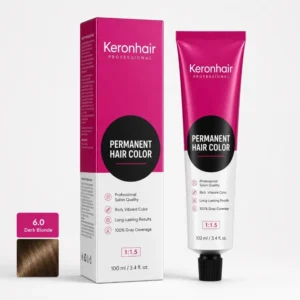
If you are asking, “what are developers for hair dye?”, the short answer is this: a hair developer is usually an oxidizing lotion used with certain hair color products to help the color system work as intended. For a beauty brand, developer can affect shade result, instructions, packaging, sample approval, and label review.
This guide explains hair dye developer from a B2B product development perspective. It does not provide DIY coloring instructions, fixed ratios, or personal-use advice. In my view, the biggest mistake brands make is treating developer as a last-minute accessory instead of a product-system decision.
What Are Developers for Hair Dye?
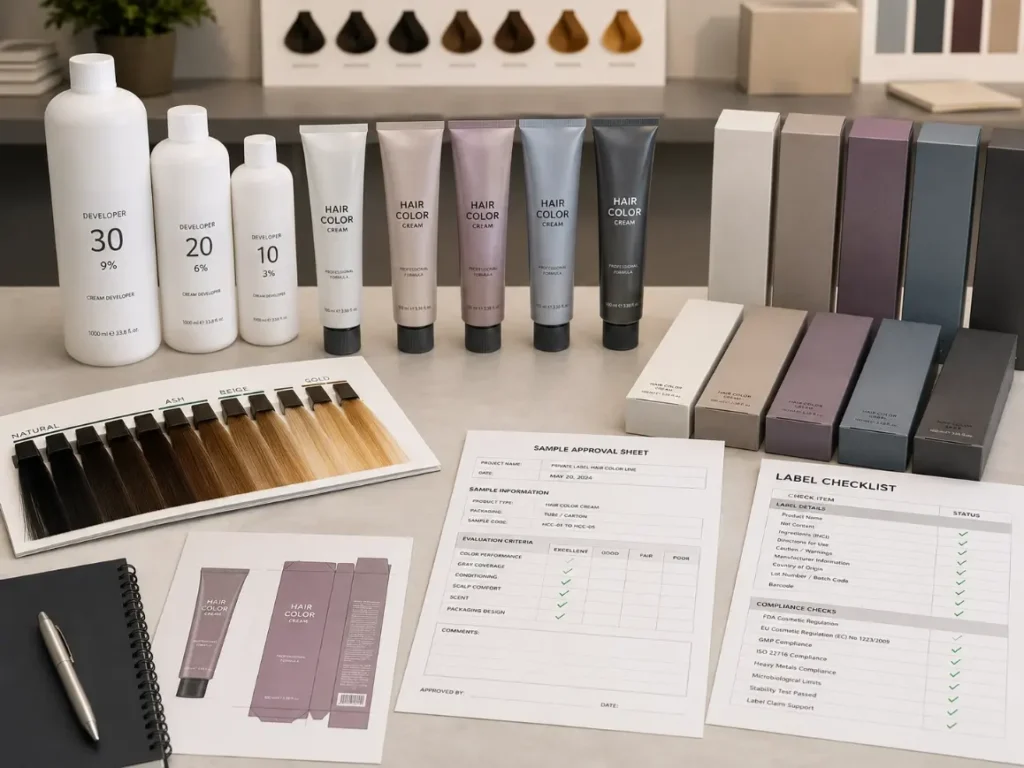
Hair dye developer is commonly a cream or lotion product used with certain hair color formulas, especially oxidative color systems. It often contains hydrogen peroxide, but the finished developer is not simply a raw ingredient in a bottle. It is a product with strength, viscosity, packaging, instructions, warnings, and compatibility considerations.
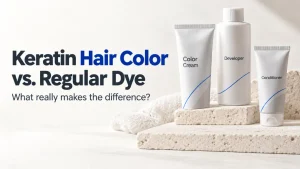
For brands evaluating a hair dye manufacturer for private label and OEM brands, developer should be discussed as part of the whole hair color system. The product may include color cream, developer, gloves, an instruction leaflet, a carton, shade guidance, aftercare, and documentation for the target market.
A Simple Definition of Hair Developer
In plain terms, developer helps certain hair color formulas perform their color-developing function. It is most often discussed with permanent and demi-permanent hair color, where the final result depends on the color formula, developer pairing, application instructions, and user conditions.
Developer is not the same thing as hair dye or bleach, although it may be used with some lightening systems. In a product brief, keep color cream, developer, bleach or lightener, toner, and aftercare as separate items.
Why Developer Matters Differently for Consumers and Brands
A consumer may ask whether developer is needed for a specific box or salon service. A brand has to think further: compatibility, warnings, sample approval, packaging, and target-market requirements all have to line up.
What Does Developer Do in Hair Dye?
Developer is often used to activate or support oxidative hair color systems. In these systems, the color result depends on the interaction between the color formula and an oxidizing component. The exact chemistry and instructions depend on the finished product, so a brand should rely on technical documentation and qualified formulation review rather than generic internet advice.
The FDA notes that many hair dye products in the United States fall into the coal-tar hair dye category, and it emphasizes label directions, skin-test instructions, eye-area cautions, and consumer safety communication on its Hair Dyes page. For brands, this means developer planning should connect with label wording, package inserts, and target-market review from the beginning.
Developer and Oxidative Hair Color
In oxidative systems, developer can influence how the color system behaves. It may affect color development, lift or deposit expectations, coverage discussion, and processing conditions. These topics should be handled by the supplier’s technical team and, where needed, the brand’s regulatory or product safety adviser.
Brands should not reduce the discussion to “Which developer volume is best?” A more useful question is: “Which developer pairing has been evaluated with this formula, shade range, packaging, channel, and instruction set?”
Hair Color Types and Developer Needs
Not all hair color products use developer in the same way. A brand brief should identify the product route before discussing developer specifications.
Permanent and Demi-Permanent Color
Permanent and demi-permanent color systems often involve developer pairing. For a brand, the key planning issues include shade range, developer strength options, instructions, gray coverage discussion, warning language, and whether the product is for salon or retail use.
Semi-Permanent and Direct Dye Systems
Semi-permanent or direct dye systems may not use developer in the same way, or may not use it at all. A brand should avoid copying developer language from permanent color into a direct dye product without technical review.
Do not infer compatibility simply because one formula deposits color and another uses a developer. Our semi-permanent and permanent dye mixing guide examines the finished-product question separately from general ingredient terminology.
Formula Instructions vs Generic Advice
Formula instructions should come from the approved product system. A ratio, timing note, or pairing that applies to one formula may not apply to another.
Where Brands Need Technical Confirmation
Before launch, confirm which formulas require developer, which pairings are approved, whether developer is sold separately or inside a kit, what warnings are needed, and which approval records will be retained.
Is Hair Developer the Same as Hydrogen Peroxide?
Many hair developers contain hydrogen peroxide, but it is more accurate to say that hydrogen peroxide may be an ingredient in a finished developer formula. For brand teams, this distinction is important. A raw ingredient is not the same as a market-ready cosmetic product.
Ingredient Term vs Finished Developer Product
Hydrogen Peroxide as an Ingredient
Hydrogen peroxide may appear in the technical discussion around oxidative hair color and developer strength. It should be reviewed in the context of formula composition, target market, product category, label requirements, and safety substantiation.
Developer as a Finished Formula
A finished developer can include a base system, viscosity modifiers, packaging, label text, batch coding, and directions. It may be sold in a bottle, included in a kit, or supplied as part of a professional salon system.
Market, Packaging, and Labeling Implications
Once developer becomes a finished product, packaging and labeling matter. Bottle size, closure, warning text, language, carton configuration, and shipping conditions can all affect the launch plan.
The FDA’s Cosmetics Labeling Guide is a useful starting point for U.S. cosmetic labeling principles. Brands selling in other markets should review the local framework with qualified support rather than assuming one label works everywhere.
What Do 10, 20, 30, and 40 Volume Developer Mean?
Developer volume is a common way to describe developer strength in professional and retail hair color contexts. However, brands should avoid turning volume numbers into generic user instructions. Volume language needs to be interpreted together with the product type, formula, channel, instructions, warnings, and target market.
Developer Volume as a Product Planning Signal
For a brand, developer volume is a signal that affects product positioning.
Lower-Volume Positioning Questions
Lower-volume developer discussions may appear in demi-permanent, tone-deposit, or lower-lift positioning. A brand should ask which formulas, shades, users, and instructions the supplier has evaluated for that route.
Higher-Volume Positioning Questions
Higher-volume developer discussions may appear in stronger lift or professional systems. These products may require clearer use boundaries, warning review, professional positioning, and more careful sample approval.
Why Higher Volume Is Not a Shortcut
Higher volume does not simply mean “better.” It can change performance expectations, product risk, user instructions, and channel suitability.
How Volume Choices Affect Packaging, Instructions, and Channel Positioning
Use volume language as a prompt for better manufacturing questions.
| Planning Item | Weak Question | Better Brand Question |
|---|---|---|
| Developer strength | Which volume should we sell? | Which strength has been evaluated with this formula and channel? |
| Packaging | Can we use any bottle? | Which bottle, label, and carton fit this developer product? |
| Instructions | Can we copy standard directions? | What directions match the approved developer pairing? |
| Channel | Can this be sold anywhere? | Is this for salon, retail, ecommerce, or distributor use? |
Should a Brand Sell Developer Separately or Inside a Hair Dye Kit?
There is no single correct supply model. Developer may be a separate SKU, a kit component, or part of a salon system. The right answer depends on the buyer, channel, product type, packaging plan, and risk tolerance.
For brands developing private label hair care products, this choice should be made before artwork, sampling, and quotation are finalized.
Separate Developer SKU
A separate developer SKU can work for professional salon systems or distributor ranges where users are expected to understand product pairing. It allows more flexibility across shades and services, but it increases the need for clear technical boundaries, compatible product lists, and reorder planning.
Boxed Hair Dye Kit
A boxed retail kit can simplify the buyer experience because it contains the paired components. The tradeoff is packaging complexity: color cream, developer bottle, gloves, instructions, cartons, inserts, batch coding, and warnings must align.
Salon or Distributor Color System
A salon or distributor system may need a larger shade architecture, developer options, professional instructions, and repeat-order controls. The goal is not only to launch a product, but to support consistent use across multiple customers or locations.
How to Choose the Right Supply Model
Use the buyer’s channel as the starting point. If I were reviewing a new private label brief, I would ask the team to choose the supply model before requesting packaging artwork.
| Supply Model | Best Fit | Main Risk to Verify |
|---|---|---|
| Separate developer SKU | Salon or distributor channels | Compatibility, instructions, reorder rules, warnings |
| Boxed kit | Retail or ecommerce | Component matching, leaflet clarity, kit assembly |
| Salon system | Professional color line | Shade chart, developer pairing, technical materials |
Discuss developer early when the supply model is complex.
How Brands Should Plan Hair Dye and Developer Pairing
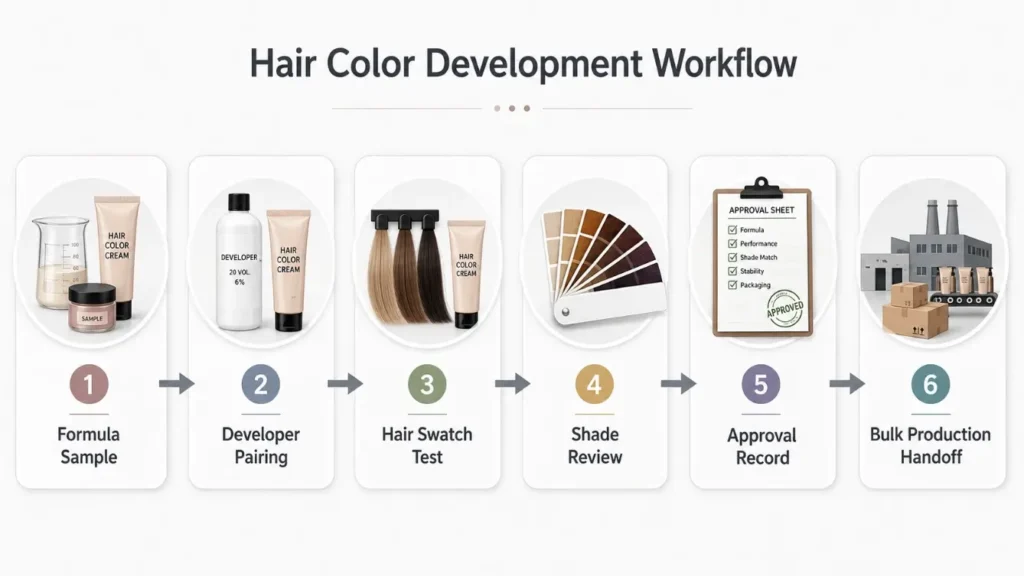
Hair dye and developer pairing should be approved through controlled sample evaluation. Informal impressions are not enough for a product that depends on formula, shade, developer, application conditions, substrate, and packaging.
Keronhair presents custom formulation and sample discussion as part of its service direction. Brands can review its custom hair care formulation support when preparing formula and sample questions, while confirming exact development scope directly.
Build a Shade and Developer Test Plan
Start by defining what the test must prove. Is the goal shade match, gray coverage discussion, tone direction, application feel, kit usability, or consistency across multiple shades?
Choose Test Inputs Before Sampling
Starting Hair Substrate and Gray Level
Record the starting hair substrate, level, condition, and gray percentage where relevant. A result on one swatch or model cannot automatically represent every customer.
Developer Pairing and Processing Conditions
Document the developer pairing, technical instructions, timing conditions, application amount, lighting, and post-rinse observation method. If more than one developer is possible, each should have its own approval record.
Record Sample Conditions Before Approval
I would not approve a hair color sample based only on a verbal “looks good.” A useful sample approval sheet should record the conditions behind the result.
| Sample Approval Field | Why It Matters |
|---|---|
| Sample ID and formula version | Prevents confusion between rounds |
| Developer pairing | Shows exactly which system was evaluated |
| Hair substrate and gray level | Gives context for the shade result |
| Processing notes and lighting | Makes feedback easier to compare |
| Decision, approver, and date | Creates a clear production handoff |
The FDA explains on its Product Testing of Cosmetics page that manufacturers or distributors are responsible for ensuring marketed cosmetics are safe when used as directed or as customarily expected. This is a reminder to connect sample approval, safety substantiation, and instructions.
Turn Sample Feedback Into a Production Brief
Sample feedback should become a production brief, not a string of chat messages. Translate comments into version-controlled decisions: approved shade, approved developer, approved packaging, label review status, and open questions.
Prepare a Bulk Production Handoff
Before bulk production, confirm which sample version is approved, which components are final, which documents are expected, and who signs off.
What to Ask a Private Label Hair Developer Manufacturer
When sourcing private label hair developer, ask questions that reveal whether the manufacturer understands developer as part of a hair color system.
Product and Formula Questions
Ask which developer formats are available, which hair color systems they support, whether they are supplied as cream, lotion, bottle, sachet, or kit components, and what formula information can be shared for label review.
Developer Strength and Compatibility Questions
Ask which developer strengths can be discussed for your project and which pairings have been evaluated with the intended color cream or lightener. Avoid assuming that one developer fits every shade, formula, or channel.
Packaging and Kit Questions
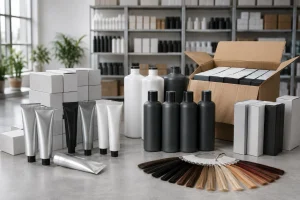
Ask about bottle size, closure, tube or carton coordination, instruction leaflets, gloves, inserts, case packing, and whether the developer is quoted as a separate SKU or kit component.
For broader manufacturing-model discussion, Keronhair’s OEM hair product manufacturer page can help frame questions around OEM/ODM production, packaging, filling, and project scope.
Label, Documentation, and Market Questions
Warning Language and Instructions
Ask who prepares the first label copy, who reviews warnings, and how instructions are matched to the approved product system.
Target-Market Documentation
Ask what information can be provided for the importer, distributor, responsible person, or regulatory adviser in the target market.
Sample and Bulk Order Questions
Ask how samples are created, how developer pairing is evaluated, how sample feedback should be recorded, and how the bulk batch will be compared with the approved reference.
Commercial and Logistics Questions
Ask about MOQ, pricing, lead time, component minimums, payment terms, export packaging, reorder rules, and change notification. Treat every number as project-specific until the supplier confirms it in writing.
Safety, Labeling, and Compliance Points Brands Should Verify
Hair dye and developer products can involve warnings, directions, patch-test language, eye-area cautions, ingredient restrictions, and target-market review. A supplier can support the process, but the brand still needs market-specific review.
Cosmetic and hair color requirements vary by market. Brands should confirm applicable safety, labeling, notification, ingredient, and claims requirements before launch.
Label Directions and Warning Language
For U.S. hair dyes, FDA highlights label directions, skin-test instructions, gloves, timing, eye-area cautions, and not using hair dyes for eyebrows or eyelashes. Brands should review labels and instructions with qualified support.
Ingredient and Market Review
U.S. Market Review
For the United States, review FDA hair dye information, cosmetic labeling rules, safety substantiation expectations, and any other current obligations that apply to the brand, manufacturer, distributor, or importer.
EU and Other Target-Market Review
For the EU, the European Commission describes hair dye products as cosmetic products and provides specific resources on hair dye substances and safety review through its hair dye products page. Other markets may have their own notification, responsible person, language, ingredient, and claims requirements.
Claims Brands Should Avoid Without Evidence
Avoid unsupported claims such as “safe for everyone,” “damage-free,” “allergy-free,” “FDA-approved formula,” or “works for all hair types.” If a claim matters commercially, decide how it will be substantiated before artwork approval.
Internal Review Before Publication
Before publishing product pages or packaging, review ingredient naming, warnings, directions, claims, target-market language, responsible-party details, supplier documents, sample approval records, and traceability expectations.
Build a Clear Product Brief Before Contacting a Manufacturer
A clear product brief helps the manufacturer respond with fewer assumptions and avoids a generic “hair dye with developer” request.
Product System Information
Product Type and Developer Role
State whether the project is permanent color cream, demi-permanent color, color shampoo, bleaching powder, developer, toner, aftercare, or a kit. Then explain the developer’s role in that system.
Shade Range and Channel Positioning
Define the opening shade range, target user, sales channel, and whether the product is salon professional, retail, ecommerce, or distributor-focused.
Packaging and Label Information
Include bottle or tube format, fill size, carton needs, instructions, gloves, insert, label language, claim direction, barcode needs, and target-market review requirements.
Sample Approval and RFQ Information
Use this simple brief structure:
Target market:
Sales channel:
Product type:
Developer role:
Shade range:
Kit components:
Packaging format:
Label languages:
Claims to review:
Sample approval method:
Required documents:
Questions for manufacturer:
If your brand is preparing a private label hair dye or developer system, organize the brief first, then contact Keronhair or another qualified supplier to discuss feasibility, samples, packaging, and documentation.
FAQ
What is developer in hair dye?
Developer is usually an oxidizing lotion used with certain hair color systems. For brands, it should be planned together with the color cream, instructions, packaging, shade testing, and label review instead of treated as an isolated accessory.
Is hair developer the same as hydrogen peroxide?
Many developers contain hydrogen peroxide, but a finished developer is a formulated product with packaging, instructions, warnings, and market requirements. Brands should confirm the exact formula and labeling needs with their manufacturer and compliance adviser.
Does every hair dye need developer?
No. Some oxidative permanent or demi-permanent systems may involve developer, while direct dye or semi-permanent systems may not. The answer depends on the formula and instructions.
What does 20 volume developer mean?
Volume is commonly used to describe developer strength, but brands should avoid turning that number into a generic usage instruction. It should be discussed with the manufacturer in relation to formula type, channel, packaging, instructions, and safety review.
Should private label hair dye include developer in the kit?
It depends on the channel and product concept. A boxed kit may simplify buyer choice, while a salon system may keep developer as a separate professional SKU.
Can a brand use one developer for several hair dye shades?
Possibly, but it must be confirmed through technical review and sample testing. Brands should document shade results, hair substrate, developer pairing, processing conditions, and approval records before moving from samples to bulk production.
What should I ask a private label hair developer manufacturer?
Ask about product format, developer strength options, compatible color systems, packaging, labels, warning language, sample approval, bulk consistency, target-market documentation, and whether the developer is supplied as a separate SKU or kit component.
Conclusion
Understanding what are developers for hair dye helps a brand ask better sourcing questions. Developer is not just a bottle added at the end of a project. It can affect formula planning, shade testing, product instructions, packaging configuration, warning language, and target-market review.
For private label and OEM hair color projects, the practical next step is a clearer product brief. Define the product type, developer role, shade range, channel, packaging format, sample approval method, and documentation needs before requesting a quote.
Brands planning a hair color developer system can discuss their target market, product brief, packaging needs, and sample requirements with Keronhair’s team before moving into quotation or production planning.