Finding the right hair dye manufacturer for the Indian market requires more than comparing a few quotations. A suitable partner must be able to match your chosen color format, control shades from batch to batch, coordinate compatible packaging and provide the documents needed for your sales route.
This guide compares ten India-based and overseas manufacturers that publicly present hair color or private label capabilities. The list includes suppliers for oxidative color cream, semi-permanent color, color shampoo, developer systems and botanical powders. It is designed as a sourcing shortlist, not a universal ranking. Use it to identify suitable candidates, then verify each factory, formula and commercial offer against your own brief.
Hair Dye Manufacturer Comparison at a Glance
| Manufacturer | Base | Publicly presented focus | Potential fit for Indian brands | MOQ information |
|---|---|---|---|---|
| Keronhair | China | Hair color cream, direct color, color shampoo, developer, bleach and kits | Brands building a coordinated multi-format color range | From 1,000 units per shade or SKU for eligible standard-formula projects; reconfirm by brief |
| HSA Cosmetics | Italy | Permanent, demi-permanent, semi-permanent and color-depositing products | Established brands seeking a European private label development partner | Public guidance states 100 kg per formula; confirm current terms |
| Alfaparf Milano Private Label | Italy | Professional color, activators, bleach and technical products | Salon and professional color portfolios | Quote required |
| F&P Milano | Italy | Professional hair cosmetics and private label color development | Brands seeking established shade platforms with customization | Quote required |
| Saehan Cosmetics | South Korea | Permanent, semi-permanent, cream and shampoo-type color | Brands interested in Korean OEM/ODM development | Quote required |
| Tu-K Industries | United States | Semi-permanent hair color and developer | Focused direct-color or developer projects | Quote required |
| Oranj Cosmetics | Turkey | Contract and private label cream hair color | Brands sourcing tube-based color cream from Turkey | Quote required |
| PRIIS | India | Hair color cream, shampoo and gel formats | Buyers prioritizing domestic manufacturing and multiple application formats | Quote required |
| ColorVeda | India | Powder hair color and botanical-inspired formats | Brands focused on henna, herbal or powder-led positioning | Quote required |
| Kirpal Export Overseas | India | Henna, indigo and herbal hair dye | Natural-powder and export-oriented private label ranges | Quote required |
MOQ figures are not directly comparable. A supplier may quote by kilograms, units, shade, formula or packaging component. Always request a written breakdown for every SKU in your planned range.
How We Selected These Manufacturers
The shortlist uses public information from company websites. We looked for hair color production, private label or OEM/ODM support, relevant product formats and development services.
The order is not a numerical quality score, and a website does not replace factory due diligence. Request current credentials, site details, applicable certificates, test information, samples and market-specific documents. For a wider starting list, see this global hair dye manufacturer comparison.
1. Keronhair — China
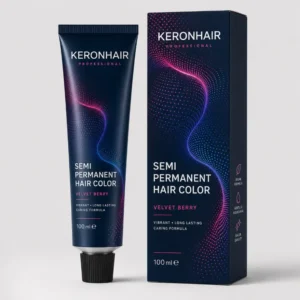
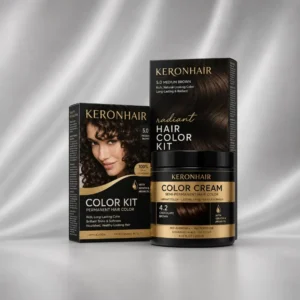
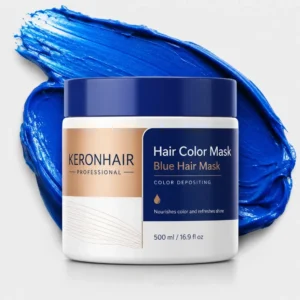
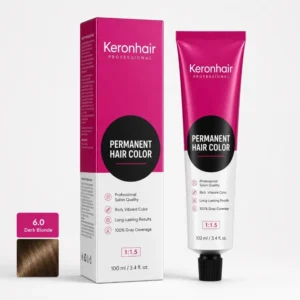
Keronhair is a Guangzhou-based hair product manufacturer serving private label and OEM/ODM projects. Its public hair color range includes permanent and demi-permanent color, semi-permanent products, toner, color masks, color shampoo, bleach powder, developer and retail kits.
Its main advantage for an Indian brand is the ability to discuss the formula, shade plan, developer pairing and packaging as one project. This can be useful when a launch needs several related SKUs rather than a single color cream. The company also presents both existing-formula and more customized development routes.
Potential fit: beauty brands, salon lines, distributors and e-commerce sellers planning a coordinated hair color portfolio.
Verify before ordering: MOQ per shade, formula status, developer ratio, shade approval method, packaging-component minimums, India-ready documents and ownership or exclusivity terms. Keronhair’s current page lists a starting MOQ of 1,000 units per shade or SKU for eligible standard-formula projects, but the final quantity depends on the complete brief.
2. HSA Cosmetics — Italy
HSA Cosmetics is an Italian private label manufacturer with a strong public focus on hair color. Its range covers permanent, demi-permanent and semi-permanent products, as well as bleaching, toning and color-depositing directions. The company also describes support for formulation, shade development, packaging and regulatory work.
HSA may suit established brands that want a European development partner and can accommodate a structured product-development process. Its own online guidance currently mentions 100 kg per formula as a minimum and an average six-to-nine-month project journey. These figures should be treated as published guidance rather than a guaranteed quote.
Potential fit: established retail or professional brands seeking a broad European hair color platform.
Verify before ordering: the current MOQ by formula and shade, project timeline, development fees, formula ownership, India documentation, packaging sourcing and landed cost.
3. Alfaparf Milano Private Label — Italy

Alfaparf Milano Private Label presents hair coloring as a core part of its private label business. Its public portfolio includes permanent, demi-permanent and direct color in cream, oil and gel formats, along with activators, bleaching powders, color kits and other professional products.
The technical range may suit salon brands building a color system rather than one isolated SKU. A broad assortment also requires careful shade, instruction, training and inventory planning.
Potential fit: salon brands, professional distributors and premium color portfolios.
Verify before ordering: which platforms are open to private label clients, minimums per formula and shade, customization limits, developer compatibility, technical education support, export documentation and the commercial feasibility of a smaller first range.
4. F&P Milano — Italy
F&P Milano is the private label division associated with Italian professional hair cosmetics producer Lisap. The company publicly presents support from concept and formula selection through customization, packaging and finished-product delivery. It also promotes an existing base of professional color formulas and shades.
An existing platform may reduce development work, but buyers must establish what can be customized and how approved shades are controlled. For India, a focused range based on channel demand may be more manageable than a large catalog.
Potential fit: professional or premium brands looking for Italian hair color manufacturing and an established shade base.
Verify before ordering: accessible shade platforms, formula modification scope, sample fees, MOQ per shade, packaging options, testing, regulatory files and India import support.
5. Saehan Cosmetics — South Korea

Saehan Cosmetics is a South Korean company focused on hair color and hair care OEM/ODM. Its public product information includes permanent and semi-permanent color, cream formats and shampoo-type hair color. The company also presents in-house development, packaging, design and export support.
Saehan may be relevant to brands interested in Korean product development or application formats that differ from a conventional salon tube. The exact chemistry of a “color shampoo” must still be clarified, because the term can describe very different oxidative or deposit-only systems.
Potential fit: retail and e-commerce brands seeking Korean OEM/ODM hair color formats.
Verify before ordering: formula category, required developer or activation step, shade performance on target Indian hair types, gray-coverage expectations, MOQ, package compatibility, export documentation and claim substantiation.
6. Tu-K Industries — United States

Tu-K Industries is a US contract manufacturer that publicly highlights semi-permanent hair color and developer products. Its narrower specialist positioning may be useful for buyers with a clearly defined direct-color concept rather than a large portfolio covering every color format.
For an Indian brand, the decision will depend on freight, duties, lead time and market-ready documentation. Confirm whether the offer is private label, contract manufacture or bulk supply.
Potential fit: focused semi-permanent color, vivid-shade or developer projects.
Verify before ordering: current private label scope, shade customization, fill formats, MOQ, sample process, export experience, India documentation, freight classification and landed cost.
7. Oranj Cosmetics — Turkey

Oranj Cosmetics presents private label and contract manufacturing for cream hair dye. Its service information covers formula, packaging, filling and regulatory coordination, making it a possible option for brands centered on conventional tube-based color cream.
Compare its approved formula, shade system, order structure, supporting files and delivered cost with other sourcing routes; country of origin alone does not determine suitability.
Potential fit: retail or professional brands looking for a Turkish cream-color supplier.
Verify before ordering: available formula platforms, developer supply, number of shades per first order, tube and carton minimums, testing scope, current certifications, India export history and after-order traceability.
8. PRIIS — India

PRIIS presents Indian OEM and private label manufacturing for hair color cream, hair color shampoo and gel-based formats. It also describes formula, packaging, bulk-product and export support on its website.
A domestic manufacturer can simplify site visits, transport and repeat orders. Buyers should still verify the facility, formula, shade consistency and commercial terms, including whether development, production and filling occur at the same licensed site.
Potential fit: Indian brands seeking domestic production across cream, shampoo or gel application formats.
Verify before ordering: manufacturing licence and site address, product-category approvals, formula ownership, in-house versus outsourced operations, test documents, MOQ by SKU, GST and delivery terms, packaging sourcing and batch traceability.
9. ColorVeda — India
ColorVeda, presented through Herboveda India’s current business site, focuses on powder hair colors and lists chemical, natural and hybrid product directions for private label buyers. This makes it more relevant to powder-led concepts than to brands looking for a conventional oxidative cream and developer kit.
Some visible commercial information refers to older dates. Request current documents and verify the present manufacturing site and capabilities rather than relying on historical infrastructure statements.
Potential fit: brands developing powder, henna-inspired or hybrid hair color ranges.
Verify before ordering: complete ingredient composition, manufacturing licence, current facility details, microbial and contaminant testing where applicable, shade reproducibility, packaging moisture protection, claims support and current MOQ.
10. Kirpal Export Overseas — India

Kirpal Export Overseas publicly presents henna, indigo and herbal hair dye products with private label packaging and export services. Its portfolio is therefore most relevant to brands whose commercial concept is based on botanical powders rather than salon oxidation color.
“Herbal,” “natural” and “henna” should not be treated as interchangeable technical descriptions. Ask for the complete ingredient list and determine whether the product is pure plant powder, a botanical blend or a mixed dye system. Product claims must reflect the actual composition.
Potential fit: henna, indigo and botanical-powder private label ranges.
Verify before ordering: ingredient identity and origin, test reports, heavy-metal and microbial specifications where applicable, batch color variation, certifications and their current scope, package barrier performance, export documents and labeling support.
Which Hair Dye Format Fits Your India Launch?
Choosing the product format before contacting manufacturers will produce clearer quotations and more useful samples.
Permanent Oxidative Hair Color
Permanent color commonly combines color cream with a compatible developer. It requires precise instructions, shade-control criteria and compatibility checks between formula, developer and packaging. Do not assume developers from different suppliers are interchangeable.
Demi-Permanent and Semi-Permanent Color
Demi-permanent systems commonly use a developer, while many semi-permanent or direct dyes do not. Ask the manufacturer to define the chemistry, processing time, expected wash durability and suitable hair substrate. Vivid direct colors and natural-looking gray-blending products need different shade plans.
Hair Color Shampoo, Gel and Bubble Formats
These formats can provide a convenient consumer application story, but their names do not reveal the chemistry. Confirm whether components must be mixed, whether oxidation occurs and what warnings or instructions apply. Packaging functionality is especially important for two-part or air-sensitive systems.
Henna, Indigo and Powder Hair Dye
Powders may appeal to botanical or traditional-use segments, yet formula identity and contaminant control remain essential. Confirm the full composition, color-development method, moisture protection, storage requirements and the evidence behind every “natural” or ingredient-related claim.
Bleach, Developer and Retail Color Kits
A complete range may require several developers, bleach, gloves, instructions and secondary packaging. Treat it as one project so the approved formula remains compatible with the selected developer, pack and kit.
What to Verify Before Choosing a Hair Dye Manufacturer
A good quotation should define what is being supplied, how it will be approved and which party is responsible for market access.
1. Formula Route and Commercial Rights
Ask whether the project uses a stock formula, a modified base or a new custom formula. Record any development fee, formula-ownership term, exclusivity condition and future change-control process in writing.
2. Shade Approval and Batch Consistency
Provide the target hair substrate, reference shade, developer, mixing ratio, processing time and acceptance criteria. Approve samples on relevant hair swatches, not only by looking at cream color in the tube. Ask how production batches are compared with the approved standard.
3. Testing and Documentation
Request documents that match the actual formula and manufacturing site. Depending on the product and market route, the file may include ingredient information, specifications, safety assessment inputs, stability or compatibility data, microbiological results, batch records and certificates of analysis. Confirm which documents are included in the quotation.
4. Packaging Compatibility
Hair color formulas may interact with tubes, bottles, seals or dispensing systems. Verify compatibility, fill size, decoration method, artwork requirements, retail-carton contents and transport protection. A packaging supplier’s minimum can be higher than the factory’s filling minimum.
5. MOQ and Total Landed Cost
Compare cost per saleable SKU, not only a headline unit price. Include shade-level minimums, developer, cartons, printed components, testing, freight, duties, registration work, warehousing and likely slow-moving inventory. Our guide to evaluating wholesale hair dye suppliers covers more commercial checks.
6. Factory and Supply-Chain Verification
Confirm the legal company name, manufacturing address, licence scope and whether key work is performed in-house or subcontracted. A remote or on-site audit, sample review and pilot order can reveal issues that a sales brochure cannot.
India Compliance Points to Discuss Early
Hair dye sold in India must be reviewed against the product’s composition, claims, packaging and whether it is locally manufactured or imported. Build regulatory review into supplier selection instead of waiting until the artwork is finished.
The CDSCO Cosmetics Rules resource page provides access to the Cosmetics Rules, 2020 and related updates. CDSCO’s 10 June 2026 hair color compliance circular also calls attention to applicable ingredient restrictions, declarations, directions, warnings, patch-test instructions and relevant BIS standards, including IS 4707 and IS 8481 where applicable.
For an imported product, confirm the current cosmetic registration route, Indian applicant or authorised-agent responsibilities and supporting documents through the CDSCO cosmetics import information. Retail packs may also need declarations under India’s Legal Metrology framework. Requirements vary by format and sales route, so the importer and a qualified regulatory professional should review the finished formula and artwork before production.
At minimum, discuss these items with shortlisted manufacturers:
- Full ingredient composition and restricted-ingredient review
- Product category and applicable BIS standard
- Directions, warnings and patch-test wording
- Manufacturer, importer and country-of-origin information
- Batch, net quantity, date and other required pack declarations
- Evidence supporting performance, ingredient and “free-from” claims
- Import registration and document ownership
This section is general sourcing information, not legal advice. Always verify the rules and standards in force for the exact product at the time of launch.

India-Based vs Overseas Hair Dye Manufacturers
| Decision factor | India-based manufacturer | Overseas manufacturer |
|---|---|---|
| Communication and site access | Easier domestic visits and coordination | Remote coordination or international travel may be needed |
| Logistics | No international import freight for local production | Freight, customs, duties and import lead time apply |
| Product specialization | Strong options for local formats, including botanical powders and color shampoos | Broader access to some professional, direct-color or regional technology platforms |
| Compliance workflow | May have more direct familiarity with domestic manufacturing requirements | Import registration and India-specific artwork must be coordinated |
| Commercial planning | Domestic reorder cycles may be shorter | Larger buffers may be needed for production and shipping |
Neither route is automatically better. Domestic supply can reduce logistics complexity, while an overseas partner may offer a closer match for a specific formula, shade system or brand position. Brands considering China can also review these hair dye manufacturers in China before comparing samples and total landed cost.
What to Include in Your Hair Dye RFQ
Send the same core brief to each suitable manufacturer so that quotations are easier to compare. Include:
- Target market and sales channel in India
- Product format and required application method
- Stock, modified or custom formula preference
- Target claims and excluded ingredients, subject to review
- Number of shades and planned quantity per shade
- Reference products, hair swatches or performance targets
- Developer strength, mixing ratio and kit requirements
- Fill size, tube or bottle, carton and accessory needs
- Required tests, regulatory documents and artwork support
- Target cost, sampling deadline and launch date
- Incoterm and destination for overseas quotations
If the range uses oxidative color, ask whether the supplier can develop and validate the whole system. This guide explains why hair dye and developer should be planned together.
When Keronhair May Fit Your Project
Keronhair may be a practical candidate when an Indian brand wants to source several connected hair color formats from one Chinese manufacturing partner. Projects can begin from an existing formula direction or move into more specific formula, shade and packaging development.
The strongest fit is a buyer who can provide a clear product type, target shades, quantity per shade, application method, packaging concept and India documentation requirements. Before committing, compare approved samples, the written specification, included regulatory files, total landed cost and reorder controls with at least two suitable alternatives.
Final Recommendation
Start with the product format and India market requirements, not with a supplier name. Select three to five manufacturers whose technical focus matches the brief, issue the same RFQ and compare written answers alongside samples and documents. A smaller, well-controlled first range is usually easier to launch and replenish than an oversized shade catalog.
If Keronhair’s product range fits your plan, send the team your target format, shades, quantity per shade, packaging and intended sales channel in India to request a project review and quotation.
Frequently Asked Questions
1. Which is the best hair dye manufacturer for a private label brand in India?
There is no single best manufacturer for every project. A cream-and-developer salon system, a vivid semi-permanent range and a henna powder line require different capabilities. Shortlist suppliers by product format, then compare approved samples, shade control, documentation, MOQ, packaging and total landed cost.
2. What is the usual MOQ for private label hair dye?
MOQ can be quoted per formula, shade, SKU, kilogram or packaging component. Some manufacturers publish a starting point, while others quote only after reviewing the brief. Ask for a shade-by-shade breakdown and confirm whether the minimum includes developer, printed tubes, cartons or kit accessories.
3. Can an overseas manufacturer produce hair dye for sale in India?
Yes, but the finished product and import process must meet current Indian requirements. Before production, confirm the applicable product standard, import registration route, India-side applicant or importer responsibilities, label declarations, warnings and supporting documents with a qualified regulatory professional.
4. Should one manufacturer make both the hair dye and developer?
Using one manufacturer can simplify compatibility work, sample approval, instructions and batch control. If different suppliers are used, the complete combination still needs to be evaluated at the intended mixing ratio and processing conditions. Never assume that any developer will deliver the same result with an approved color cream.
5. How should an Indian brand approve hair color samples?
Define the reference shade, starting hair condition, developer, mixing ratio, processing time and lighting conditions. Test the product on relevant hair swatches and record the acceptance criteria. For a multi-shade range, include anchor shades and gray-coverage targets rather than approving only one attractive swatch.
6. Is ammonia-free hair dye automatically safer or better?
No. “Ammonia-free” describes one formula characteristic, not the overall safety or performance of a product. Other alkalizing agents or dye ingredients may still be present. Evaluate the complete formula, intended use, warnings, test data and claim wording instead of relying on a single free-from claim.
7. What documents should a hair dye manufacturer provide?
The required file depends on the formula and market route. Buyers commonly request ingredient and specification information, batch documentation, a certificate of analysis and available stability, compatibility, microbiological or safety-supporting data. Ask an India regulatory adviser to define the final dossier before ordering.
8. Is an Indian or overseas hair dye manufacturer better for a startup?
An Indian manufacturer may simplify visits, logistics and smaller domestic reorders. An overseas supplier may offer a formula or format that better matches the brand concept. A startup should compare total launch cost, number of shades, compliance workload and cash tied up in inventory, not just the quoted unit price.