If you need to buy hair dye in bulk, first define how the products will be used. A salon restocking professional color needs a different source from a retailer buying boxed dye or a brand creating its own range. This guide compares seven channels by product ownership, order structure, customization, and buyer responsibility.
Where can you buy hair dye in bulk?
You can buy hair dye in bulk from authorized distributors, professional salon wholesalers, direct brand programs, multi-brand marketplaces, international B2B platforms, private-label suppliers, and OEM/ODM manufacturers. Choose by sales model first. Branded resale favors distributors, while an own-label or custom range usually requires a private-label supplier or manufacturer.
| Wholesale source | What you buy | Best fit | Customization | Main check |
|---|---|---|---|---|
| Authorized distributor | Finished branded stock | Retailers and distributors | None | Brand authorization |
| Salon wholesaler | Professional color systems | Salons and colorists | None | Account eligibility |
| Brand-direct program | One brand’s range | Specialist retailers | Very limited | Resale terms |
| Multi-brand marketplace | Products from several sellers | Ecommerce and small retailers | None | Product origin |
| International B2B platform | Supplier listings and RFQs | Importers and sourcing teams | Varies | Legal supplier identity |
| Private-label supplier | Existing formula under your brand | New beauty brands | Moderate | Formula and packaging scope |
| OEM/ODM manufacturer | Adapted or custom color range | Established brands and distributors | Extensive | Technical capability |
What kind of bulk hair dye do you need?
Your intended use determines the product and supplier. Decide whether the color is for salon services, branded resale, or your own label before requesting quotes.
Professional color for salon use
A salon may need color tubes, developer strengths, bleach, toner, post-color care, gloves, foils, and a shade chart. One missing shade can interrupt services, so choose a supplier that can replenish the same system consistently.
Branded hair dye for resale
Retailers need sealed products with codes, batch identification, consumer instructions, and sufficient remaining shelf life. Confirm that the seller can supply the brand in your territory and channel. A low unit price is useless if the stock cannot be traced or marketplace resale is restricted.
A private-label or custom range
If your name will appear on the product, define the formula route, shades, packaging, developer, and target market before comparing offers. If both products are included, confirm how the supplier will coordinate hair dye and developer. A ready-made formula can shorten development, while a custom system requires more sampling, testing, documentation, and written ownership terms.
Seven wholesale hair dye sources compared
These seven channels overlap. What matters is what you receive, how much you can change, and what follow-up work your team owns.

1. Authorized hair dye distributors
An authorized distributor sells finished goods from one or more established brands within an agreed territory. This route suits retailers and distributors that want recognizable products without managing formulation or packaging. Ask the brand to confirm the seller’s status. Then check batch traceability, storage, remaining shelf life, return terms, and channel rights. Authorization for salon sales may not include ecommerce or cross-border resale.
2. Professional salon supply wholesalers
Salon wholesalers combine color, developer, bleach, toner, tools, and treatments in one account. They work when local replenishment matters more than customization. Access rules vary. CosmoProf, for example, presents its wholesale hair color access as limited to licensed professionals. Check the rules in your market.
3. Direct brand wholesale programs
Some hair color brands accept wholesale applications from salons, retailers, or distributors. Buying direct can give you a coherent range and a clearer line back to the brand. It also ties your assortment to one company. Directions Hair Colour, for example, publishes eligibility requirements and a minimum spend for its wholesale program. Treat those terms as an example, not an industry standard.
4. Multi-brand wholesale marketplaces
Marketplaces let retailers compare several brands without separate accounts. Faire and Qogita illustrate this model. For each item, check the supplier, stock origin, permitted sales territories, and the process for resolving a batch, pack, or shade mismatch.
5. International B2B marketplaces
Alibaba can help you find exporters, trading companies, and manufacturers. The wide choice puts more screening work on you. Confirm the legal company, actual role, payment beneficiary, production address, product specifications, and sample identity. Platform badges and response rates help with early screening but do not establish formula quality or market compliance.
6. Ready-to-brand private-label suppliers
This route balances brand control with a shorter development path. Review the available formula and packaging choices before comparing price or MOQ.
Formula scope
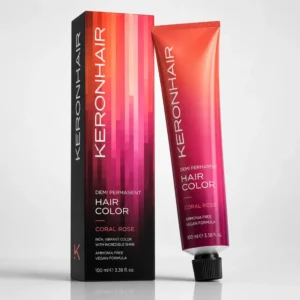
Private-label suppliers let you sell an existing hair dye formula under your own brand. Depending on the program, you may select shades, fragrance direction, fill size, labels, cartons, and kit components. Ask whether the formula is shared, adapted, or exclusive, and record which changes are included in the quotation.
MOQ and packaging
Hair color minimums often apply per shade or SKU rather than across the whole order. Printed tubes, cartons, developer bottles, leaflets, and gloves may have separate component minimums. A workable quote should show how those layers affect the first order and what happens to unused packaging when one shade sells more slowly than another.
7. OEM/ODM hair dye manufacturers
Choose this route when standard private labeling cannot meet your product brief. Technical review, development scope, and written approvals carry more weight here.
Color system
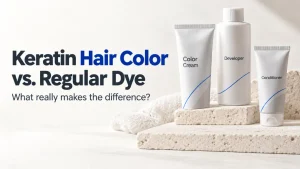
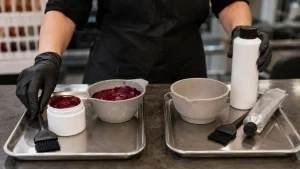
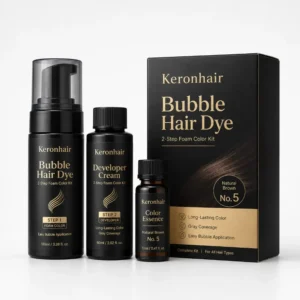
Use a manufacturer when you need an adapted formula, custom shades, a coordinated developer, or a distinctive retail kit. Specify the color cream with its starting hair base, mixing ratio, developer strength, processing method, and target result. Those variables form one system, even when the products ship in separate containers.
Project controls
Confirm who develops and manufactures the formula, how samples are approved, what testing and documents are included, and how packaging or formula changes are controlled. Buyers choosing this route can use Keronhair’s guide to buying hair dye in bulk from a manufacturer for the ordering process after channel selection.
Which source fits your business model?
Match the sourcing channel to your business before comparing quotations. It should support your intended use, level of control, and replenishment needs.
After choosing the source channel, define what belongs in the first order. Our hair dye wholesale buying guide covers assortment planning, shade minimums and approval controls for salons, distributors and private label brands.
Choose a distributor when you need recognized brands
Use this route when customers already ask for specific brands and you need authentic, traceable stock with predictable replenishment. Focus on authorization, territory, margin, and availability.
Choose a salon wholesaler when you need professional restocking
This option fits salons that need color and supporting products quickly. Confirm account eligibility, shade continuity, developer availability, education support, and delivery coverage.
Choose a marketplace when you need assortment flexibility
A marketplace can help a retailer test several brands or formats in smaller commercial quantities. Review each seller and product separately rather than treating the platform as one supplier.
Choose private label when you want your own brand without starting from zero
An existing formula can reduce development work. Use a wholesale hair dye supplier evaluation framework to compare the formula scope, packaging, product evidence, and commercial terms before approving the range.
Choose OEM/ODM when product differentiation matters
Manufacturer-direct development fits products that depend on specific shades, formula characteristics, developer pairing, packaging, or an exclusive system. Allow time for sampling and written approvals.
Quick decision guide
Use this shortcut to narrow the seven options according to the level of product ownership and development your business needs.
- Resell established brands: distributor, salon wholesaler, or brand-direct program.
- Test a broad retail assortment: multi-brand marketplace.
- Find overseas candidates: international B2B marketplace.
- Launch an own-label formula efficiently: private-label supplier.
- Build a differentiated color system: OEM/ODM manufacturer.
Can anyone buy professional hair color wholesale?
No. Access depends on the supplier and country. Some professional wholesalers require a cosmetology license or verified salon account. CosmoProf’s hair color program, for example, presents wholesale access for licensed professionals. Other suppliers accept registered retailers, distributors, or general business buyers. Check the eligibility rules and the requirements that apply where you operate before ordering.
What is the MOQ for wholesale hair dye?
There is no standard MOQ for wholesale hair dye. A distributor may sell by case or require a minimum order value. A marketplace may set minimums by seller or shipment. Private-label and factory programs often calculate minimums per formula, shade, or SKU, with separate requirements for printed packaging and kit components.
As a current manufacturer-specific example, Keronhair publishes a starting MOQ of 1,000 units per shade or SKU for eligible standard-formula projects. The final minimum depends on the formula route, shade count, fill size, developer, and packaging.
What should you check before ordering?
Before paying a deposit, verify the product system, commercial terms, and supplier evidence. A low quote cannot make up for missing records.
Define the hair color product
Name the format: permanent cream, demi-permanent color, direct dye, color shampoo, toner, bleach, or a retail kit. State whether it is intended for professional or consumer use. A supplier experienced with one format may not be the right source for another.
Confirm shade and developer requirements
List the opening shades and quantity per shade. For oxidative color, define whether developer is included, the intended strengths, mixing ratio, starting hair bases, gray-coverage target, and application method.
Compare the complete commercial offer
Compare case or unit price, every MOQ layer, packaging, printing, samples, testing, payment terms, freight assumptions, duty, and reorder terms. Use the same brief for each candidate so their quotations remain comparable.
Verify product and supplier evidence
Confirm the legal company, commercial role, brand authorization where relevant, ingredient list, product specification, batch identification, and available quality records. Use the hair dye manufacturer checklist before paying a deposit.
For US products, review the FDA’s current hair dye guidance before approving artwork. It explains the special treatment of coal-tar hair dyes, required cautionary language, and directions for a preliminary skin test. Other markets have their own ingredient, label, notification, and responsible-party requirements.
What should a bulk hair dye RFQ include?
A useful RFQ gives every supplier the same starting point. That makes quotations easier to compare and exposes missing assumptions before sampling begins.
Product and shade details
Specify the hair dye format, formula route, initial shades, quantity per shade or SKU, reference product or swatch, developer requirements, fill size, packaging, performance direction, and claims that need review. Use the approved brief as the baseline when you test hair dye samples before bulk production.
Order and market details
State your buyer type, sales channel, destination market, required documents, delivery destination, target launch date, and estimated reorder pattern. Ask the supplier to separate product, packaging, setup, sampling, testing, and freight assumptions.
Before sending the RFQ, check that it answers these questions:
- What product and formula route do you need?
- Which shades will launch first?
- How many units do you need per shade or SKU?
- Is developer part of the system?
- What packaging and documents are required?
- Where and when must the finished goods be delivered?
Common questions about buying hair dye in bulk
These answers cover common questions about wholesale access, marketplace risk, developer compatibility, private labeling, and total order cost.
Where can I buy professional hair color in bulk?
Try authorized distributors, professional salon wholesalers, and brand-direct programs in your country. Compare access rules, available shades, developer options, delivery area, and proof of authorization before opening an account.
Can I buy hair dye in bulk without private labeling?
Yes. Distributors, brand programs, and wholesale marketplaces sell finished products under existing brands. This route works when you want stock for salon use or resale and do not need control over the formula or packaging.
Is Alibaba safe for buying bulk hair dye?
Alibaba’s wholesale hair dye marketplace can support discovery, communication, and transactions. You still need to verify the legal seller, manufacturing role, product sample, specifications, documents, payment beneficiary, and order terms. Evaluate the company and product, not only the listing.
Should hair color and developer come from the same supplier?
They can come from different suppliers, but the combination must be defined and tested. Confirm the developer strength, mixing ratio, processing instructions, packaging, and responsibility for compatibility before approving either product.
Is it cheaper to buy hair dye in bulk?
The unit price may fall while total exposure rises. Calculate landed cost and include slow-moving shades, packaging minimums, freight, duty, testing, compliance work, damaged stock, and remaining shelf life. The lowest unit price can produce the highest inventory risk.
Choose the right source before you compare prices
Select the channel that matches what you plan to sell, then compare companies within that channel. If you are developing a private-label or custom range, send Keronhair your target market, product type, formula direction, shade count, quantity per shade, developer requirements, packaging format, and launch timing. We can review the project scope and prepare a quotation around those details.