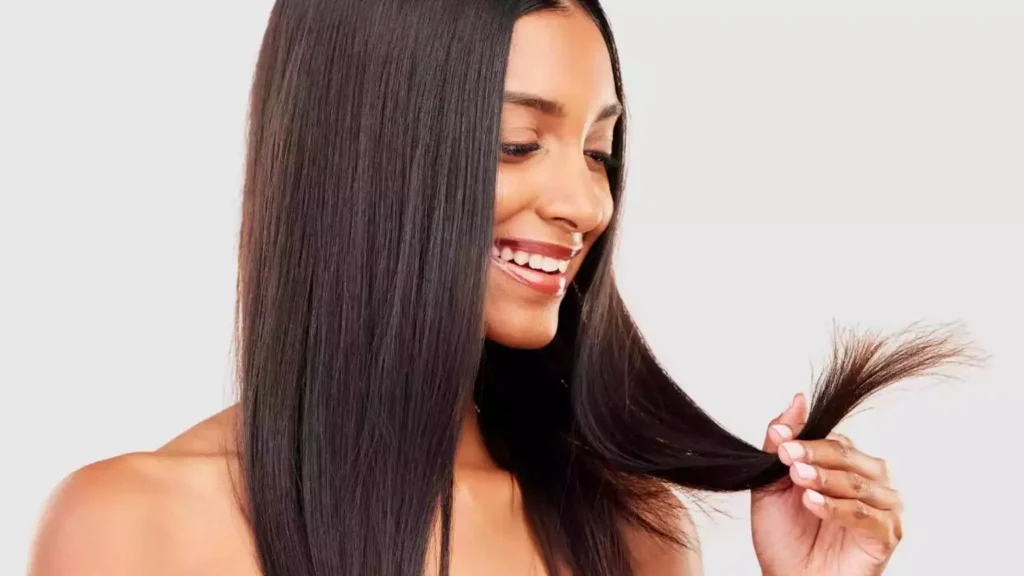
Caring for long hair does not need to mean a complicated routine or a shelf full of expensive products. The real goal is simpler: keep the scalp clean, reduce friction, protect fragile ends, and give your hair enough moisture without weighing it down.
Long hair needs a slightly different approach because the oldest part of each strand is at the ends. Those ends may have lived through years of brushing, washing, heat styling, sun exposure, scarves, ponytails, and sleep friction. If you want longer, healthier-looking hair, the focus should be length retention: preventing the breakage that makes hair seem like it has stopped growing.
Why Long Hair Needs Different Care
Long hair is not just “more hair.” The extra length changes how oil, water, friction, and styling affect each strand.
The ends are older and more fragile
Hair grows from the scalp, so the tips of long hair are the oldest part of the strand. They have been exposed to more washing, brushing, weather, styling, and physical wear than the hair near your roots. This is why long hair often feels oily at the scalp but dry or rough at the ends.
Growth and length retention are not the same
Many people focus only on making hair grow faster, but visible length depends just as much on preventing breakage. If your ends break at the same pace your roots grow, your hair can look like it is stuck at one length. A good long hair care routine protects the ends so the length you grow has a better chance of staying intact.
Common long hair myths
- Trimming does not make hair grow faster. Hair grows from follicles in the scalp. Trims help by removing split ends before they travel farther up the strand.
- Brushing 100 strokes a day is not necessary. Over-brushing can create friction and breakage. Brush or comb only as much as needed to detangle and style.
- Air drying is not always perfect. Rough towel drying, brushing aggressively, tight hairstyles, and frequent high heat can all contribute to breakage over time. The American Academy of Dermatology lists common hair care habits that can damage hair, including several everyday mistakes that are especially relevant for people trying to maintain long lengths.
Start With Your Hair Type, Texture, and Porosity
The best way to care for long hair depends on what your hair actually needs. Before buying another mask or oil, look at three things: hair type, texture, and porosity.
Hair type
Straight, wavy, curly, and coily hair distribute scalp oil differently. Straight hair often becomes oily faster because oil can move down the strand more easily. Curly and coily hair may need more moisture support because oil has a harder time traveling along bends and coils.
Hair texture
Texture describes the thickness of each individual strand. Fine hair is easier to weigh down and usually does better with lightweight leave-ins. Coarse hair can often handle richer creams, oils, and masks.
Hair porosity
Porosity describes how easily your hair absorbs and holds moisture. High-porosity hair often absorbs water quickly but loses moisture fast, which can lead to frizz and dryness. Low-porosity hair may resist water and product at first, but it can become weighed down if too many heavy products sit on the surface.
Essential Tools for Long Hair Care
- Wide-tooth comb: Useful for gentle detangling, especially with conditioner in the hair.
- Flexible detangling brush: Helpful for some hair types, as long as you start at the ends and avoid tugging.
- Microfiber towel or cotton T-shirt: Better than rough towel rubbing, which can disturb the cuticle and cause frizz.
- Silk or satin pillowcase, bonnet, or scrunchie: Helps reduce friction while you sleep.
- Sharp hair shears: Useful for small trims or removing visible split ends. Avoid using dull household scissors.
How to Wash Long Hair the Right Way
How often should you wash long hair?
There is no single rule. Wash based on your scalp, hair type, activity level, styling products, and climate. Fine or oily hair may need washing more often. Thick, curly, coily, or dry hair may need less frequent shampooing.
A useful rule is to wash when your scalp feels oily, itchy, flaky, sweaty, or coated with product. Avoid washing only out of habit if your scalp and hair still feel balanced.
Choose a gentle shampoo for regular use
For most wash days, choose a shampoo that cleans the scalp without leaving the lengths feeling stripped. If you use heavy oils, dry shampoo, styling creams, or hard-water minerals build up on your hair, use a clarifying shampoo occasionally. Follow with conditioner so the lengths do not feel rough or brittle.
Apply shampoo to the scalp, not the ends
Massage shampoo into the scalp with the pads of your fingers. Avoid piling long hair on top of your head and scrubbing it into a knot. When you rinse, the shampoo will run through the mid-lengths and ends enough to remove light dirt and sweat without over-drying them.
Condition from mid-lengths to ends
After shampooing, gently squeeze excess water from your hair before applying conditioner. Focus conditioner from the ears down, especially on the ends. Detangle while the conditioner is in your hair, starting at the bottom and slowly working upward.
How to Detangle Long Hair Without Breakage
Detangling is one of the biggest moments where long hair either stays protected or snaps unnecessarily.
- Apply conditioner, leave-in conditioner, or detangling spray for slip.
- Divide hair into manageable sections.
- Hold one section near the middle so you are not pulling directly from the scalp.
- Start combing the bottom few inches first.
- Move upward only after the ends are smooth.
- Use your fingers to loosen stubborn knots instead of forcing a comb through them.
If your hair is straight, it may be easier to let it dry slightly before combing. If your hair is curly or coily, detangling while damp and conditioned may reduce breakage and preserve your curl pattern.
How to Dry Long Hair Safely
Wet hair is more vulnerable to stretching, friction, and rough handling. After washing, do not scrub your hair with a towel. Instead, squeeze out water gently with a microfiber towel or soft cotton T-shirt.
If you air dry, keep your hair loose enough that it can dry evenly and avoid going to sleep with it soaking wet. If your hair takes many hours to dry, consider letting it air dry partway and then finishing with a blow dryer on a low or medium setting. Keep the dryer moving and avoid holding heat too close to one section.
How to Use Heat Styling Without Ruining Long Hair
You do not have to give up heat styling completely, but long hair needs heat used carefully.
- Use a heat protectant before blow drying, curling, or straightening.
- Choose the lowest effective temperature for your hair type.
- Avoid passing a flat iron over the same section repeatedly.
- Never use a flat iron or curling wand on damp hair.
- Give your hair heat-free days whenever possible.
Fine, bleached, damaged, or high-porosity hair usually needs lower heat and fewer passes. Coarse hair may tolerate more heat, but it still benefits from protection and moderation.
Protective Hairstyles for Long Hair
Protective styling simply means wearing hair in a way that reduces friction, tangling, and repeated handling. The goal is not tight styling. It is gentle containment.
- Loose low braid: Good for sleep or windy days because it keeps hair from tangling.
- Claw clip bun: Holds long hair up without the tight tension of a high ponytail.
- Hair stick or fork bun: Useful for heavy hair because it can secure length without elastic bands.
- Loose satin scrunchie style: Better than exposed elastic bands that can snag the cuticle.
Avoid placing tight ponytails in the same spot every day. Repeated tension can cause breakage, especially around the crown, temples, and nape.
How to Moisturize Long Hair Without Weighing It Down
Long hair often needs more moisture at the ends than at the roots. The trick is choosing the right product weight for your texture and porosity.
| Hair Need | What It May Look Like | What to Try |
|---|---|---|
| More moisture | Dry, rough, frizzy, tangly, stiff ends | Hydrating conditioner, leave-in conditioner, light cream, occasional deep conditioner |
| More strength | Limp, overly soft, stretchy hair that breaks | Protein-containing conditioner or treatment used occasionally |
| Less buildup | Hair feels coated, dull, greasy, or products stop working | Clarifying shampoo followed by conditioner |
Moisture and protein balance
Hair needs both flexibility and strength. Moisturizing products help with softness and manageability. Protein treatments can temporarily support weakened strands, especially if hair is color-treated, heat-styled, or high porosity. Too much of either can cause problems, so use your hair’s feel as a guide.
Deep conditioning
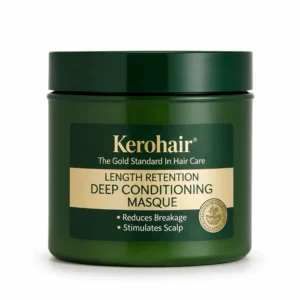
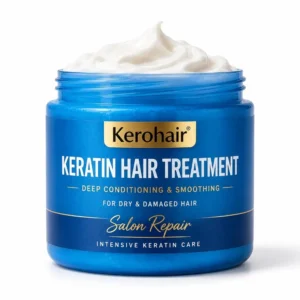
If your ends feel dry, try deep conditioning every one to two weeks. Fine or low-porosity hair may need it less often or may prefer lightweight formulas. Thick, coarse, curly, coily, bleached, or high-porosity hair may benefit from richer treatments.
Hair oils
Oil does not add water to hair. It helps seal, smooth, and reduce friction. Apply a small amount after a water-based leave-in conditioner, focusing on the ends.
- Argan oil: Lightweight and often suitable for fine to medium hair.
- Jojoba oil: A light option that many hair types tolerate well.
- Coconut oil: Better suited to some medium or coarse hair types, but it can feel heavy or stiff on others.
Long Hair Care Mistakes to Avoid
- Washing the lengths aggressively: Clean the scalp and let the rinse water cleanse the rest.
- Skipping conditioner: Long ends usually need slip and softness after shampooing.
- Rubbing wet hair with a towel: Blot or squeeze instead.
- Brushing from roots to ends: Start at the ends so tangles do not tighten into knots.
- Using high heat too often: Lower the temperature and reduce repeated passes.
- Ignoring split ends: Small trims can prevent damaged ends from splitting farther.
- Using harsh elastics: Choose covered bands, satin scrunchies, clips, or hair sticks.

Scalp, Diet, and Lifestyle Habits That Support Long Hair
Care for your scalp
Healthy-looking long hair starts with a scalp that is clean and comfortable. If your scalp is itchy, flaky, painful, or shedding more than usual, adjust your wash routine and consider seeing a dermatologist if the issue continues.
Gentle scalp massage can be a relaxing habit and may support scalp comfort, but it should not be treated as a cure for hair loss. Use your fingertips, not your nails, and avoid aggressive scrubbing.
Eat enough protein and key nutrients
Hair is made mainly of keratin, a protein, so very low protein intake can affect hair quality over time. A balanced diet with enough protein, healthy fats, iron-rich foods, and overall calories supports normal hair growth. Supplements are not a shortcut unless a deficiency or medical need exists.
Be careful with high-dose hair supplements, especially biotin. Biotin deficiency can affect hair, skin, and nails, but evidence for biotin improving hair in healthy people is limited. High supplemental biotin can also interfere with some lab test results, so tell your healthcare provider about any supplements you take.
Check your water and environment
If your hair suddenly feels coated, dull, or harder to rinse, hard water may be one factor. The U.S. Geological Survey explains that hard water contains higher levels of dissolved minerals such as calcium and magnesium. On hair, mineral buildup may make conditioners feel less effective, so an occasional clarifying or chelating shampoo can be useful.
Simple Weekly Long Hair Care Routine
- Wash day: Shampoo the scalp, condition the lengths, detangle gently, and dry without rough towel friction.
- Midweek refresh: Use a small amount of leave-in conditioner or oil on dry ends if needed.
- Before heat styling: Apply heat protectant and use the lowest effective temperature.
- At night: Sleep with a loose braid, satin scrunchie, bonnet, or silk/satin pillowcase.
- Every few weeks: Clarify if hair feels coated, and deep condition if ends feel dry.
- Every 8 to 16 weeks: Trim or dust ends depending on your damage level and length goals.
Frequently Asked Questions About Long Hair Care
How do I keep long hair healthy every day?
Keep daily care simple: reduce friction, detangle from the ends upward, avoid tight hairstyles, protect hair while sleeping, and moisturize dry ends lightly when needed.
How often should I wash long hair?
Wash when your scalp needs it. Fine or oily hair may need more frequent washing, while thick, curly, coily, or dry hair may need less. Your scalp comfort matters more than a fixed schedule.
What causes long hair to break so easily?
Common causes include rough detangling, towel rubbing, high heat, tight hairstyles, harsh elastics, dryness, chemical damage, and ignoring split ends.
How can I grow long hair without damage?
Focus on length retention. Protect your ends, use gentle tools, condition regularly, reduce heat, trim split ends before they worsen, and avoid styles that pull tightly on the same areas.
Is it better to air dry or blow dry long hair?
It depends on your hair type and routine. Air drying can work well if your hair dries in a reasonable time and does not tangle badly. If your hair stays wet for hours, a low-heat blow-dry finish may be more practical.
How do I care for long hair at night?
Use a silk or satin pillowcase, bonnet, or loose braid. Avoid sleeping with tight ponytails or rough elastics, and try not to go to bed with soaking wet hair.
Final Takeaway
The best way to care for long hair is to protect what you have already grown. Clean your scalp, condition your lengths, detangle patiently, limit friction, use heat carefully, and adjust products to your hair type. Strong, healthy-looking long hair comes from consistent low-damage habits, not from one miracle product.