Finding the best private label hair care manufacturers for Middle East brands is not simply a matter of locating the factory with the lowest unit price. A suitable partner must match your product category, development model, order size, packaging plan, destination-market documentation, and ability to maintain consistent quality after launch.
This guide compares ten manufacturers across the Middle East, China, Turkey, Italy, and India. It is a practical shortlist—not a claim that one factory is universally superior. Use it to identify two or three candidates, then verify their current capabilities, documents, samples, and commercial terms for your Saudi Arabia, UAE, or wider GCC project.
Why I Selected These 10 Private Label Hair Care Manufacturers
For this comparison, I selected manufacturers that publicly present a meaningful hair care offering and represent different sourcing routes available to Middle East brands. Each company was assessed against the following seven criteria:
- Product-category fit: The manufacturer publicly offers relevant categories such as shampoo, conditioner, masks, oils, serums, scalp care, styling, straightening, or hair color.
- Manufacturing model: The shortlist includes private label, OEM, ODM, contract manufacturing, ready-formula, and custom-formulation options for different brand-development needs.
- Geographic usefulness: Local Middle East, Chinese, Turkish, Italian, and Indian sourcing routes are included so buyers can compare proximity, category depth, logistics, and international production options.
- Formula and packaging capability: Each supplier shows visible potential to support formula selection or development, filling, packaging coordination, and multi-SKU product planning.
- Middle East project relevance: The manufacturer may be suitable for Saudi Arabia, the UAE, or wider GCC projects, subject to destination-specific formula, label, documentation, and importer requirements.
- Verifiable supplier evidence: Buyers should be able to request legal company details, manufacturing addresses, current certificates, product specifications, testing plans, batch documents, and traceability records.
- Commercial and reorder practicality: MOQ structure, lead time, total landed cost, communication, change control, packaging availability, and repeat-order reliability must fit the brand’s business model.
Public websites were used to understand product scope and positioning, but website statements are only the beginning of due diligence. A product page, facility photograph, certificate logo, customer counter, or production figure should not automatically be treated as verified evidence. In this guide, “best” means best fit for a defined project, not a universal ranking from first to tenth. If you are still deciding between regional and overseas sourcing, see our comparison of Chinese and local hair care manufacturers.
Quick Comparison of 10 Private Label Hair Care Manufacturers
| Manufacturer | Base or sourcing route | Public hair care focus | Manufacturing model | Potential best fit | What to verify |
|---|---|---|---|---|---|
| L’Origine | UAE / regional route | Shampoo, conditioner, masks, scalp products, salon treatments, styling | Private label, OEM, ODM | UAE or GCC brands seeking a broad regional salon or retail range | Manufacturing site, formula ownership, current certifications, MOQ, testing and cross-GCC support |
| Wide Seen Cosmetics | Saudi Arabia / Gulf route | Hair oils and selected hair care products | Contract manufacturing, private label | Saudi-focused brands developing oils or regionally familiar concepts | Legal entity, factory location, category capability, certificates, batch controls and scale |
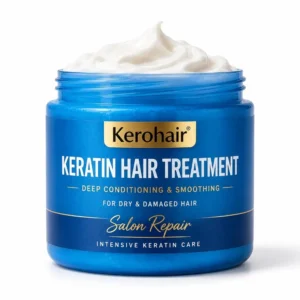
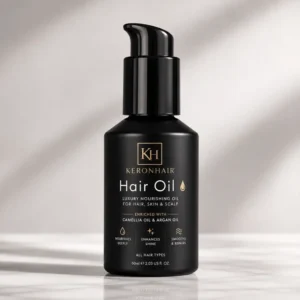
| Keronhair | Guangzhou, China | Shampoo, conditioner, masks, oils, serums, color, straightening and styling | Private label, OEM, ODM, custom formulation | Brands wanting broad hair care development and packaging coordination | Project MOQ, formula testing, destination documents, packaging compatibility and lead time |
| HODM | China-linked global sourcing route | Shampoo, conditioner, masks, oils, serums and styling | Private label, OEM, ODM | Buyers wanting a hair-focused supplier and formula-plus-packaging development | Contracting entity, actual factory, certifications, sample process, MOQ and Middle East experience |
| Beslo Cosmetics | Guangzhou / Zhuhai, China | Conventional hair care plus aerosol styling products | Private label, OEM, ODM | Brands needing hairspray, mousse, dry shampoo or other specialist styling formats | Aerosol capability, dangerous-goods logistics, destination restrictions, tests and MOQ |
| LocRoyal | Guangzhou, China | Shampoo, conditioner, masks, oils, serums and scalp care | Ready formula, private label, OEM, ODM | Brands comparing ready-to-label and more customized routes | Conflicting public metrics, legal entity, factory evidence, MOQ and GCC documentation |
| Shangpinhui Biotechnology | Guangdong, China | Shampoo, conditioner, masks, scalp serum, oil and hair care sets | OEM, ODM, private label | Buyers prioritizing formulation discussion and coordinated product sets | R&D evidence, formula claims, testing, IP terms, certifications and production scale |
| Rowe Cosmetics | Istanbul, Turkey / Saudi-focused export route | Hair care within a wider cosmetics portfolio | Private label, contract manufacturing | Middle East brands considering a relatively close international supply route | Saudi/GCC project history, formula compliance, Arabic labels, MOQ and logistics |
| HSA Cosmetics | Italy | Hair care, scalp care, styling and hair color | Private label, custom development, contract manufacturing | Premium or professional brands seeking established hair specialization | Project scale, kilogram-based MOQ, packaging minimums, destination support and ownership terms |
| Bo International | India | Shampoo, conditioner, oils, serums, masks, sprays and styling | Private label, third-party and contract manufacturing | Buyers comparing a broad India-based product route | Formula-specific claims, certifications, halal needs, MOQ, testing and GCC documents |
The table is a starting point, not a substitute for a comparable request for quotation. Public capabilities can change, and the same factory may be a strong match for one SKU but a poor match for another. A leave-in serum in a standard bottle, an anti-dandruff shampoo with a functional claim, a pressurized hairspray, and an oxidative hair color product create very different formulation, packaging, testing, transport, and regulatory demands.
Two Middle East-Based Private Label Hair Care Manufacturers to Compare
Local and regional sourcing may improve communication, sample review, and logistics, but proximity does not automatically prove category capability or regulatory readiness. The following two manufacturers are useful starting points for buyers who want to compare a Middle East production route with overseas sourcing.
1. L’Origine — Best Fit for a Broad Regional Salon or Retail Hair Care Range
L’Origine is a regional option for brands seeking several connected salon or retail hair care products from one supplier.
L’Origine publicly presents hair care manufacturing for the UAE and regional market, with categories including shampoos, conditioners, masks, scalp serums, keratin treatments, and styling products. This breadth may appeal to a Dubai-based retailer, salon group, distributor, or new brand planning a coordinated range.
Its regional position may support easier meetings, sample review, logistics, and market-specific packaging discussions. However, buyers should still verify which legal entity will manufacture and invoice the order, where each SKU will be produced, whether the formula is stock or custom, and who owns it. Request current certificates, product-specific testing, stability work, batch-release records, and the exact GCC markets the supplier can support.
- Location: UAE / regional Middle East route; confirm the manufacturing address
- MOQ: Project-specific; confirm formula and packaging minimums separately
- Manufacturing Model: Private label, OEM, and ODM
- Key Strengths: Broad public portfolio across care, treatment, scalp, and styling categories
- Best For: UAE or GCC salon, retail, and distribution brands developing a multi-product range
2. Wide Seen Cosmetics — Best Fit for Saudi Hair Oil and Regional Contract Manufacturing Concepts
Wide Seen Cosmetics may suit Saudi-focused brands developing hair oils or concepts built around regional beauty preferences.
Wide Seen Cosmetics presents a Saudi and Gulf-oriented manufacturing proposition, with particular visibility around hair oils and selected personal care products. It is worth comparing when a brand prioritizes locally relevant concepts and in-market access over a very large international catalog.
A Saudi-focused route may simplify discussions about consumer preferences, commercial channels, and domestic logistics. Because public information is relatively limited, buyers should obtain the legal company registration, factory address, category capability, quality-system evidence, current certificates, and batch-traceability process. Also confirm packaging compatibility, development timing, Arabic labeling responsibilities, and who will manage Saudi product notification and import requirements.
- Location: Saudi Arabia / Gulf route; verify the precise factory location
- MOQ: Not reliably published; request product- and packaging-specific minimums
- Manufacturing Model: Contract manufacturing and private label
- Key Strengths: Saudi-focused positioning and visible emphasis on hair oil concepts
- Best For: Saudi brands prioritizing regional access, oil-based products, or locally relevant positioning
Five Chinese Private Label Hair Care Manufacturers to Compare
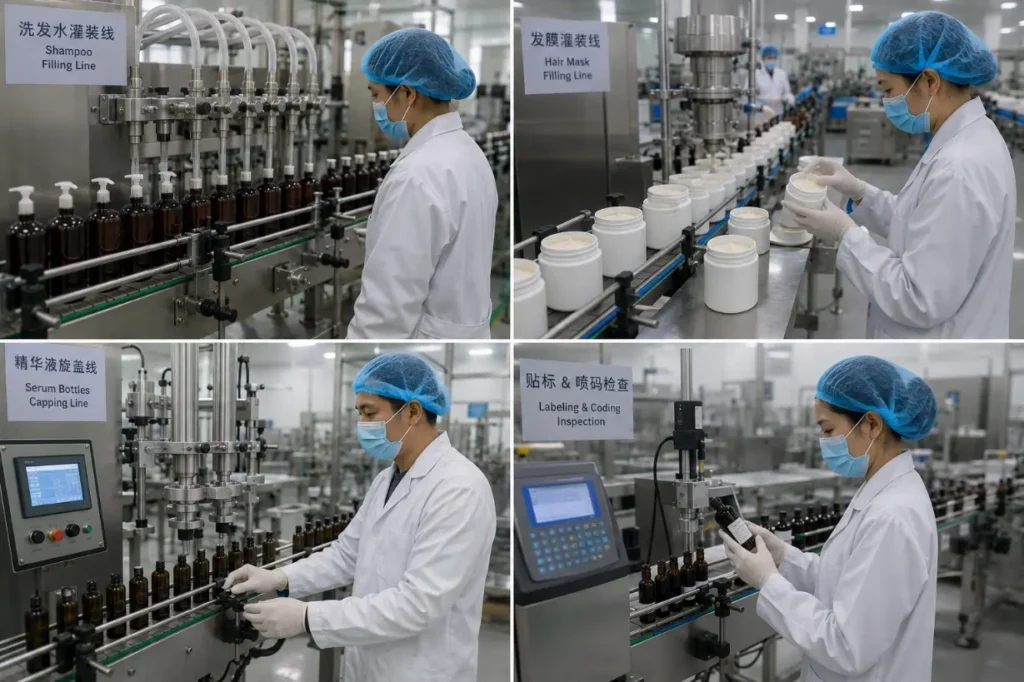
China offers Middle East buyers a wide choice of formulas, packaging formats, and OEM/ODM development routes. The main challenge is not finding suppliers; it is identifying which legal entity and factory will make the product, what each MOQ includes, and whether the supplier can support the required Saudi or UAE documents.
3. Keronhair — Best Fit for Broad Hair Care OEM/ODM Development
Keronhair is a practical candidate for Middle East brands that want to develop a coordinated hair care line rather than source one isolated SKU.
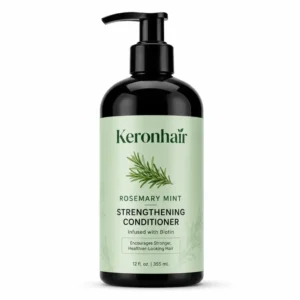
Keronhair is a Guangzhou-based hair product manufacturer offering private label, OEM, ODM, and custom-development routes. Its public scope includes shampoo, conditioner, hair masks, oils, serums, hair color, straightening products, and styling products.
Brands can discuss formula selection or customization together with packaging, sampling, and production planning. This is useful when one concept includes several textures or performance directions, such as a cleanser, treatment mask, leave-in serum, and salon product. Keronhair should nevertheless be assessed using the same evidence standards as every supplier: confirm the project MOQ, sample scope, testing plan, formula ownership, packaging compatibility, destination documents, and shipment schedule. Learn more about its hair care manufacturing categories.
- Location: Guangzhou, China
- MOQ: Project-specific; depends on formula, fill size, packaging, and customization
- Manufacturing Model: Private label, OEM, ODM, and custom formulation
- Key Strengths: Broad hair care category coverage with formula and packaging coordination
- Best For: Middle East brands building multi-SKU care, treatment, color, straightening, or styling ranges
4. HODM — Best Fit for a Hair-Focused Formula and Packaging Route
HODM may appeal to buyers who prefer a supplier whose public offering is centered mainly on hair care.
HODM publicly positions itself around private label and OEM/ODM development for shampoo, conditioner, masks, oils, serums, and styling products. Its presentation connects formulas, packaging, and brand development, which may suit entrepreneurs seeking a guided product-development route.
The website lists commercial contact details connected to more than one geography. Buyers should therefore confirm which legal entity signs the contract, which factory manufactures the goods, and which address appears on certificates and export documents. Request INCI information, specifications, sample fees, every MOQ layer, testing, production timing, and evidence relevant to Saudi or UAE projects.
- Location: China-linked global sourcing route; verify the contracting entity and actual factory
- MOQ: Project-specific; confirm formula, fragrance, SKU, and packaging minimums
- Manufacturing Model: Private label, OEM, and ODM
- Key Strengths: Hair-focused public portfolio with formula and packaging development
- Best For: Buyers seeking a guided private label route across common care and styling categories
5. Beslo Cosmetics — Best Fit for Aerosol Styling and Conventional Hair Care
Beslo stands out for brands that need specialist aerosol styling products alongside conventional hair care.
Beslo Cosmetics publicly focuses on conventional hair products and formats such as hairspray, mousse, dry shampoo, and bag-on-valve or other aerosol-related options. This can be more relevant than a standard shampoo factory for a salon styling brand or retailer building a complete styling collection.
Aerosols introduce additional valve, can, propellant, pressure, flammability, storage, and dangerous-goods transport considerations. Buyers must verify which formats the actual facility is equipped and licensed to produce, which compatibility and transport tests are performed, and whether the intended freight route accepts the product. Also confirm current certificates, formula and component MOQs, destination labels, and market documents.
- Location: Guangzhou / Zhuhai, China; confirm the facility assigned to the project
- MOQ: Format-specific; aerosol component and formula minimums should be separated
- Manufacturing Model: Private label, OEM, and ODM
- Key Strengths: Aerosol styling formats combined with conventional hair care products
- Best For: Salon, styling, or retail brands developing hairspray, mousse, dry shampoo, and related products
6. LocRoyal — Best Fit for Comparing Ready Formulas With Custom Options
LocRoyal is worth considering when a buyer wants to compare a faster ready-formula route with more customized development.
LocRoyal publicly offers shampoo, conditioner, masks, oils, serums, scalp products, and related private label or OEM/ODM services. A ready formula may shorten development when the formula, fragrance, packaging, claims, and destination requirements already fit the brief.
Some public company metrics appear inconsistent across its pages, so selection should not be based on headline figures. Confirm the legal entity, manufacturing location, current certificates, category equipment, and actual project capacity. Ask whether a formula is shared with other brands, what can be changed, who owns the changes, and how samples, tests, MOQ, and lead time differ between ready and custom routes.
- Location: Guangzhou, China; verify the contracting and manufacturing addresses
- MOQ: Varies between ready-formula and customized projects
- Manufacturing Model: Ready formula, private label, OEM, and ODM
- Key Strengths: Broad product range with both faster-start and customized options
- Best For: Newer brands comparing speed-to-market with a moderate level of differentiation
7. Shangpinhui Biotechnology — Best Fit for R&D-Led Multi-Product Development
Shangpinhui may fit buyers whose brief requires a defined ingredient story, texture direction, or coordinated multi-SKU regimen.
Shangpinhui Biotechnology publicly presents shampoo, conditioner, masks, scalp serums, oils, and hair care sets, together with R&D, filling, and packaging services. Its positioning may suit established distributors or beauty brands prepared to compare technical proposals rather than select only from a basic stock catalog.
R&D team descriptions, patent references, formula counts, and efficacy language should be treated as claims requiring evidence. Request the qualifications and testing behind the exact proposal, then confirm the manufacturing entity, current certificates, formula IP, specifications, ingredient screening, packaging tests, scale-up controls, batch-release criteria, and Middle East export-document capability.
- Location: Guangdong, China
- MOQ: Project-specific; confirm formula batch, packaging, and set-level minimums
- Manufacturing Model: OEM, ODM, private label, and formulation development
- Key Strengths: Public emphasis on R&D, scalp care, and coordinated product sets
- Best For: Established brands or distributors evaluating more detailed technical development proposals
Three Other International Manufacturers Middle East Brands Can Compare
Turkey, Italy, and India give Middle East brands three additional sourcing routes with different strengths in proximity, premium hair specialization, and broad product development. These options are most useful when compared against the same brief, MOQ definitions, evidence checklist, and landed-cost model used for regional and Chinese suppliers.
8. Rowe Cosmetics — Best Fit for a Turkey-to-Middle East Supply Route
Rowe is a relevant comparison for buyers seeking a geographically closer international route from Turkey to the Middle East.
Rowe Cosmetics presents private label services from Istanbul and has a Saudi Arabia-focused service page. Hair care sits within a wider cosmetics portfolio, which may suit buyers who want to source hair, skin, or personal care products through one supplier.
Turkey can offer a useful midpoint between regional and long-distance sourcing. However, a Saudi-focused web page demonstrates market interest—not completed regulatory capability. Request evidence for the actual facility, current certificates, category capability, and authorized Saudi or UAE project experience. Confirm Arabic artwork responsibilities and connect terms such as “compliant,” “halal-friendly,” or “GCC-ready” to the exact formula, certificate scope, and destination.
- Location: Istanbul, Turkey
- MOQ: Project-specific; confirm by formula, packaging component, and SKU
- Manufacturing Model: Private label and contract manufacturing
- Key Strengths: Relatively close international route and access to a wider cosmetics portfolio
- Best For: Middle East brands balancing shipping distance with multi-category international sourcing
9. HSA Cosmetics — Best Fit for Premium Hair Care, Styling, or Color at Scale
HSA Cosmetics is suited to buyers comparing a structured Italian route for professional, prestige, or technically demanding hair products.
HSA Cosmetics publicly focuses on hair and scalp care, styling, and hair color. Its category depth may be attractive to salon or premium brands that value hair specialization and can support a more formal development program.
The company publishes production information in kilogram-based terms, highlighting that formula batch size and finished-unit quantity are different variables. Buyers should convert kilograms into estimated units and then add every component, decoration, carton, and filling minimum. Confirm development fees, samples, formula and dossier ownership, testing, claim support, packaging, lead time, export terms, and Saudi or UAE documents.
- Location: Italy
- MOQ: Often discussed by formula weight; convert the confirmed batch into finished units
- Manufacturing Model: Private label, custom development, and contract manufacturing
- Key Strengths: Specialist coverage across hair care, scalp care, styling, and color
- Best For: Premium, professional, or salon brands with a structured development budget and forecast
10. Bo International — Best Fit for a Broad India-Based Product Route
Bo International may suit buyers comparing India as a source for a broad, multi-category hair care portfolio.
Bo International publicly lists shampoo, conditioner, oils, serums, masks, sprays, and styling formats. This breadth can support a brand exploring several products with one supplier and may be relevant to ingredient-led, oil-based, botanical, or value-oriented concepts.
Company-level natural, organic, quality, or certification language should not be assumed to apply to every formula. Request formula-specific evidence, current facility documents, certificate scopes, testing, claim support, packaging sources, and GCC documentation. Halal requirements, where relevant, should be defined for the precise ingredients, facility, certification scope, and target customer.
- Location: India; confirm the manufacturing site assigned to the order
- MOQ: Project-specific; separate formula, component, decoration, and SKU minimums
- Manufacturing Model: Private label, third-party, and contract manufacturing
- Key Strengths: Broad visible range across care, oils, serums, masks, sprays, and styling
- Best For: Buyers comparing an India-based route for multi-category or ingredient-led concepts
Local GCC Factory vs Overseas Hair Care Manufacturer
A local GCC factory may be a better fit when your priority is regional communication, easier factory visits, faster sample delivery or shorter transport routes. An overseas hair care manufacturer may be more suitable when you need wider formulation expertise, more packaging choices or production resources that are difficult to source locally. Neither route is automatically better; the right choice depends on the project.
| Decision Factor | Local GCC Factory | Overseas Hair Care Manufacturer |
|---|---|---|
| Communication | In-person meetings and site visits may be easier. | Clear written briefs and remote approval procedures are more important. |
| Formula options | May offer formulas adapted to regional preferences, although category depth varies by factory. | Specialist factories may provide a wider range of stock, semi-custom and custom formulas. |
| Packaging | Regional sourcing can simplify coordination when suitable components are available. | A broader component supply chain may offer more options, but packaging MOQs can be higher than the finished-product order. |
| MOQ | Local production doesn’t necessarily mean a lower minimum order. | MOQ may differ by formula batch, SKU and printed component. |
| Cost | Shorter transport can reduce some logistics costs, but the product itself may cost more. | A lower factory price can be offset by freight, duty, customs, inspection and surplus packaging. |
| Lead time | Regional delivery may be faster, although development, testing and packaging still take time. | International production and shipping require earlier reorder planning and suitable safety stock. |
| Documentation | The supplier may be familiar with common regional workflows. | The manufacturer may provide technical and shipment documents while the brand, importer or local responsible party manages destination-market procedures. |
| Quality control | Proximity can make audits easier, but location alone doesn’t prove consistency. | Buyers need clear specifications, approved samples, batch controls and pre-shipment inspection procedures. |
Compare both routes using the same product brief, order quantity, packaging scope, Incoterm and delivery destination. Ask each supplier to separate formula, packaging, testing, freight and other charges so you can compare total landed cost rather than unit price alone. You should also confirm the MOQ for the formula batch, finished SKU and printed packaging separately.
At Keronhair, we represent the overseas manufacturing route for Middle East brands. I recommend evaluating us with the same standards applied to a local GCC factory: product-category experience, repeatable quality, document clarity, full project cost and reorder reliability. For a deeper comparison, read our guide to China vs local hair care manufacturers.
How to Match a Manufacturer to Your Product and Business Model
The manufacturer list becomes useful only when it is matched to a defined commercial project. Use the following five checks to move from a broad shortlist to suppliers that fit your product type, development route, budget, evidence requirements, and reorder plan.
Start With the Product Category, Not the Country
Product capability should come before country of origin.
A factory experienced in standard shampoo may not be the right choice for oxidative hair color, chemical straightening, anti-dandruff claims, scalp treatments, aerosols, or products positioned for professional salon use. Begin by defining the exact product type, texture, pack format, target consumer, channel, price position, performance expectations, and destination.
Build a category-specific question list. For a shampoo, ask about surfactant systems, viscosity stability, fragrance compatibility, color change, microbial controls, and pump or cap leakage. For an oil or serum, focus on oxidation, fragrance, clarity, dispenser compatibility, and heat exposure. For aerosols, add pressure, valve, flammability, and transport controls. For color or straightening systems, require technical usage instructions, safety review, controlled claims, and evidence that the factory routinely handles the category.
Choose Private Label, ODM, or Custom OEM Before Comparing Quotes
Define the development route before comparing prices, because suppliers often use these terms differently.
Record the commercial meaning in writing and require every shortlisted manufacturer to quote the same route:
| Development route | Practical meaning | Typical advantage | Main question |
|---|---|---|---|
| Private label / ready formula | An existing base formula is branded and packed for your company | Faster development and less R&D uncertainty | Is the same formula sold to other brands, and what can be changed? |
| ODM / modified formula | A supplier proposes a base and modifies selected elements | Balance between speed and differentiation | Which changes trigger new testing, MOQ, cost, or timeline? |
| Custom OEM / formulation | A formula is developed against a detailed brand brief | Greater differentiation and control | Who owns the formula, data, samples, and future transfer rights? |
A quote cannot be compared fairly until the routes match. One supplier may quote a stock shampoo in a standard bottle, while another quotes new formulation, custom fragrance, stability testing, a decorated component, and destination-document preparation. Those are different projects. If differentiation matters, review our guide to custom hair care formulation.
Compare Formula MOQ, Packaging MOQ, and Total Landed Cost
A usable MOQ comparison must include the formula, every packaging component, and the total cash commitment.
“MOQ” is rarely one number. Ask suppliers to separate:
- Formula batch MOQ in kilograms or liters
- Estimated finished units at your fill size
- Bottle, cap, pump, label, printing, carton, and insert minimums
- MOQ by fragrance, color, formula, pack size, and artwork
- Surplus component ownership and storage charges
- Sample, mold, plate, testing, inspection, documentation, and development fees
Then calculate total landed cost, including inland transport, export packing, freight, insurance, duties, clearance, local testing or registration work, warehousing, and likely wastage. A low factory price can become expensive if packaging requires a large unused balance, the formula must be retested, or the shipment route is unsuitable.
Request Evidence for Quality, Testing, and Batch Traceability
Evaluate verifiable factory and product evidence—not certificate logos or marketing statements alone.
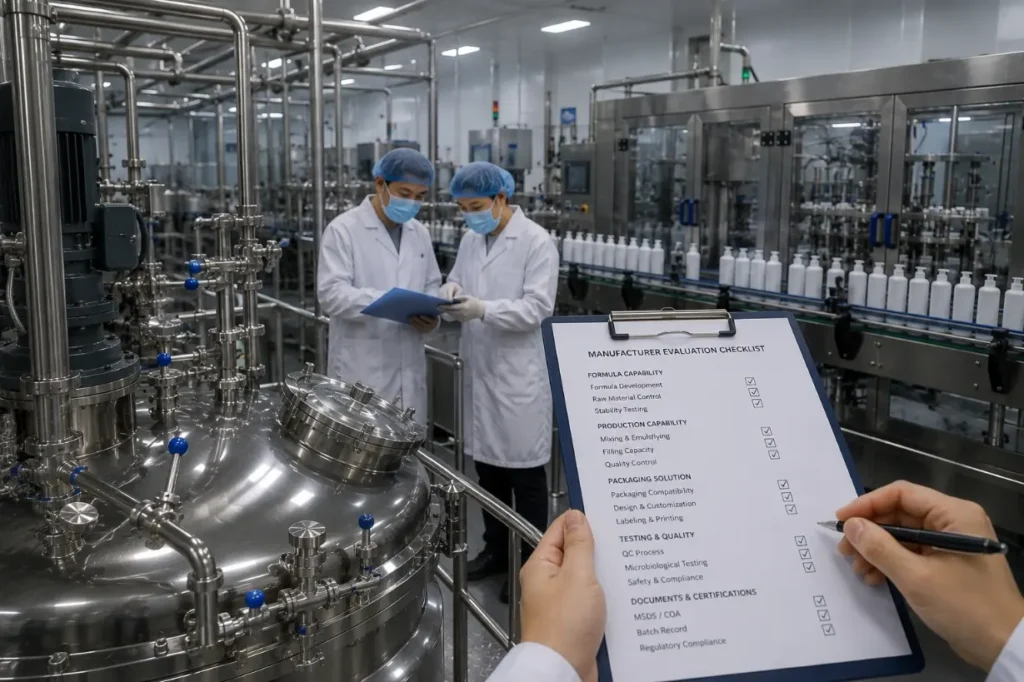
Ask for evidence that is current, legible, and connected to the entity and facility making your products. Useful items can include a business license, manufacturing address, relevant quality certificates, certificate scope and validity, recent audit summary, raw-material controls, master formula and specification controls, batch coding, in-process checks, finished-product release criteria, retained-sample policy, complaint handling, and recall procedure.
ISO 22716 provides cosmetics GMP guidance for production, control, storage, and shipment. A valid, applicable certificate can support supplier evaluation, but ISO 22716 is not product approval in Saudi Arabia, the UAE, or the GCC. Verify the certificate with its issuer and assess how the system is applied to your product.
Testing should be risk-based. Depending on the product, discuss stability, packaging compatibility, microbiological quality, preservative effectiveness, physical and chemical specifications, safety assessment inputs, performance or claim substantiation, and transport testing. Agree in writing who pays, which laboratory is used, what the acceptance criteria are, and what happens after a failed result.
Evaluate Sampling, Communication, and Reorder Control
The objective of sampling is to create a controlled production reference, not simply to receive an attractive prototype.
A polished first sample does not prove repeatable bulk production. Record the sample code, version, color, fragrance, viscosity, application method, and agreed specification. Before approval, confirm that the signed reference sample and written specification will control mass production.
Also test the supplier’s communication. Do questions receive precise answers? Are changes recorded in one version-controlled specification? Does the supplier disclose trade-offs, or agree to every claim without evidence? For reorders, confirm how formula and component changes are controlled, how long approved packaging can be stored, whether raw materials can be substituted, and how the brand is notified. Reliable reorder control is often more valuable than a small saving on the first purchase.
What Saudi Arabia and UAE Brands Must Verify Before Ordering
Saudi Arabia and the UAE have destination-specific product, label, responsible-party, and import processes. A manufacturer can supply technical documents, but it cannot replace the brand’s or importer’s local regulatory responsibilities. Confirm the current route before finalizing the formula or printing bulk packaging.
A regional shortlist should identify who will provide the factory documents and who will manage the destination-market process. The guide to Chinese manufacturing for Saudi and UAE brands develops that responsibility split for an overseas sourcing project.
Saudi Arabia — Confirm the Current SFDA, Ghad, and FASEH Route
Saudi projects should be planned around the current SFDA notification and clearance process from the beginning.
The Saudi Food and Drug Authority explains that cosmetic products are regulated under the Saudi cosmetics framework and provides an official cosmetics overview. Its current guidance and systems should be checked at the time of the project because submission routes and procedural details can change. The SFDA has also announced the transition of cosmetic clearance activity to Ghad and FASEH.
Before production, the Saudi responsible party or importer should confirm the current notification and clearance route, product classification, required account and establishment status, ingredient restrictions, label content, claims, documents, and shipment process. Use the latest official SFDA cosmetic product notification guidance and obtain qualified local advice for the actual product. Do not print bulk packaging merely because a manufacturer says a formula has previously been sold in the Gulf.
Regional supply and Saudi domestic production are different sourcing choices. Our Saudi Arabia hair care manufacturer guide focuses on local leads so buyers can compare that route with the wider Middle East shortlist.
UAE and Dubai — Confirm the Applicable Montaji and Import Route
For UAE projects, confirm the route that applies to the product, emirate, importer, and intended sales channel.
For products entering Dubai, review the current consumer-product services published by Dubai Municipality and confirm the applicable Montaji registration or assessment and import-release steps with the responsible UAE entity. Requirements can vary by product type, emirate, route, and business role.
The brand or local responsible party should confirm classification, ingredients, artwork, bilingual information, claims, supporting documents, importer details, and any samples or laboratory work required. “UAE-ready” is too vague to accept as evidence. Ask the supplier exactly which documents it will provide, in what format, and whether they will be available before the artwork and production deadlines.
Separate Manufacturer Documents From Local Market Responsibilities
Assign every compliance and import task to a named party before sampling or packaging approval.
The following matrix shows a common division of work, but the contract, product, and local rules determine the final responsibility:
| Task | Manufacturer usually supports | Brand, importer, or local responsible party usually leads | Confirm in writing |
|---|---|---|---|
| Formula and INCI information | Provides controlled formula-related documents and specifications | Reviews with local regulatory expertise | Exact document format, confidentiality and update control |
| Product testing | Produces samples and arranges agreed factory or third-party tests | Defines destination needs and approves scope | Laboratory, methods, criteria, cost and failure action |
| Packaging artwork | Supplies dielines, technical limits and production checks | Owns brand claims, translations and legal label approval | Final signed artwork and revision responsibility |
| Market notification or registration | Supplies available supporting documents | Holds local accounts and submits through the applicable route | Responsible entity, timeline and document gaps |
| Import and customs clearance | Supplies commercial, packing and shipment documents | Manages licensed import, customs and local release | Incoterm, importer of record and originals required |
| Post-market responsibility | Supports batch investigation and corrective action | Handles local complaints, reporting and market action | Recall contacts, records, retained samples and response time |
The allocation above is common but not universal. Contracts, local law, commercial structure, and the product itself determine the final responsibility. A manufacturer may help prepare documents, but it normally cannot replace the legally responsible local entity.
Review Formula, Claims, Arabic-English Labels, and Packaging Before Bulk Production
Complete the formula, claims, translation, and artwork review before purchasing printed packaging.
Screen ingredients against current destination requirements and confirm that the product remains cosmetic rather than crossing into a medicinal or otherwise regulated classification. Review every front-, back-, and side-panel statement, usage instruction, warning, and online claim.
Claims must be truthful, supportable, and appropriate to the product. The current edition and applicability of standards such as GSO 2528:2024 on cosmetic claims should be confirmed with a qualified professional. Arabic and English text should be reviewed together, because a translation can unintentionally change the claim. Finally, sign off the INCI list, net content, batch and date coding area, country-of-origin wording, responsible-party details, warnings, barcode, label adhesion, print durability, and pack compatibility before authorizing bulk production.
Build a Three-Supplier Shortlist and Request Comparable Quotes
The goal is not to contact all ten manufacturers with a vague request. Select three credible candidates and make them respond to the same destination-specific brief, quotation structure, evidence checklist, and approval gates.
Prepare One Destination-Specific Product Brief
A controlled brief prevents suppliers from quoting different products under similar descriptions.
Reduce the ten manufacturers to three based on category fit, development route, target order size, destination support, and the evidence available. Send all three the same written brief. It should state:
- Destination country and intended importer or responsible-party setup
- Product category, consumer, channel, retail price, and target launch date
- Required development route: ready formula, modified ODM, or custom OEM
- Benchmark product and measurable performance expectations
- Ingredients or claims to include or avoid
- Fragrance, color, texture, fill size, and packaging preferences
- Forecast for the first order and twelve-month reorders
- Testing, documentation, certification, artwork, and language requirements
- Required Incoterm and delivery location
Avoid asking only, “What is your MOQ and best price?” Without a controlled brief, suppliers will make different assumptions and the cheapest quote may omit the work your launch actually requires.
Ask Every Manufacturer for the Same Evidence and Quote Breakdown
Comparable quotes require identical cost categories and identical supplier-evidence requests.
Request a line-by-line quotation showing formula, filling, each packaging component, decoration, cartons, testing, samples, development, documentation, inspection, freight assumptions, and taxes or duties included or excluded. Ask for separate formula and packaging MOQs, production lead time after each approval milestone, quote validity, payment terms, defect policy, and reorder conditions.
For a supplier conversation, bring a brief covering format, packaging, market and order stage. Our 2026 Beautyworld Dubai exhibition brief shows the hair care development topics prepared for that event; current project inquiries can continue through the contact team.
Use the same evidence checklist for every candidate:
- Legal company and contracting entity
- Manufacturing address and category capability
- Current certificates and verifiable scope
- Product specification and proposed INCI information
- Testing and batch-release plan
- Formula, artwork, mold, and data ownership
- Packaging compatibility and component controls
- Destination-document list and regulatory responsibility
- Sample, pilot, bulk, inspection, and shipment timeline
- Change control, complaint handling, and reorder procedure
This gives you a defensible comparison based on evidence rather than sales presentation.
Use a Go/No-Go Review Before Paying for Samples or Production
Payment should follow an evidence-based approval decision rather than sales pressure or headline pricing.
Before paying for development, decide whether the supplier has answered the critical questions and whether the sample plan can prove the remaining points. Before paying a production deposit, require an approved formula or reference sample, signed product and packaging specifications, final artwork, agreed tests, confirmed regulatory-document route, inspection plan, commercial contract, and realistic timeline.
A simple scorecard can weight product capability, quality evidence, regulatory support, communication, total landed cost, lead time, and reorder reliability. Treat any unresolved legal entity, factory identity, certificate, formula safety, product classification, or packaging compatibility issue as a potential no-go, regardless of price.
The right choice among these private label hair care manufacturers for the Middle East depends on your SKU, destination, scale, and risk tolerance. A Saudi hair oil start-up, a Dubai salon group, and a GCC distributor launching professional color will not need the same factory. Build a shortlist, verify the evidence, compare like-for-like quotes, and approve production only when the formula, pack, documents, and responsibilities are clear.
If Keronhair matches your project, send a destination-specific brief through the Keronhair contact page. The team can discuss the relevant private label, OEM, ODM, or custom formulation route and prepare project-specific information for evaluation. You should still apply the same verification checklist used for every supplier in this guide.
Frequently Asked Questions
Is It Better to Use a Local Middle East Manufacturer or an Overseas Factory?
Neither route is automatically better. A local supplier may offer easier communication, shorter transport, and regional familiarity. An overseas specialist may offer wider formula, packaging, category, or scale options. Compare product capability, verified quality evidence, total landed cost, timing, regulatory responsibilities, and reorder control—not country alone.
Which Manufacturer Is Best for a Small Private Label Hair Care Brand?
The best fit usually combines an appropriate formula with manageable packaging minimums and a transparent sampling process. Ask for formula and packaging MOQs separately. A low headline MOQ is not useful if custom bottles, pumps, labels, or cartons require a much larger purchase.
Can One Manufacturer Supply Both Saudi Arabia and the UAE?
Yes, one manufacturer may produce goods for both markets. However, each formula, label, responsible entity, notification route, and import process must satisfy the applicable destination requirements. Do not assume one country’s acceptance automatically covers the other.
What Documents Should I Request From a Hair Care Manufacturer?
Start with evidence that connects the legal company, factory, quality system, and proposed product. Request the factory address, current certificates, product specification, INCI information, testing plan or reports, batch-release criteria, packaging specifications, traceability procedure, and available export documents.
Does ISO 22716 Mean a Product Is Approved in the GCC?
No—ISO 22716 is not GCC product approval. It provides cosmetic GMP guidance and can support factory evaluation, but it does not approve an individual formula, claim, label, product notification, importer, or shipment.
How Should I Compare MOQs Between Different Manufacturers?
Convert formula batch size into finished units, then add every packaging and decoration minimum. Compare SKUs, variants, surplus components, testing, freight, and total cash commitment. Require all manufacturers to quote the same formula route, fill size, packaging specification, Incoterm, and destination.