For beauty founders, salon owners, ecommerce sellers and procurement teams, private label hair care can look simple from the outside: choose a shampoo, add a logo, approve packaging and launch. In practice, the success of a private label project depends on four practical details that affect almost every decision: MOQ, sampling, packaging and lead time.
These details influence your launch budget, product quality, inventory risk and ability to respond to the market. A low MOQ may help you test demand, but it may limit formula or packaging options. A custom formula may strengthen differentiation, but it usually requires more testing, more communication and a longer schedule. Packaging may look like a branding decision, yet it can affect filling speed, leakage risk, label compliance and shipping durability.
This guide explains how private label hair care projects usually move from idea to shelf-ready product. It also shows what buyers should ask before choosing a supplier, so the final quote reflects the real project rather than a rough assumption.
What Private Label Hair Care Means
Private label hair care means selling hair care products under your own brand while working with a manufacturer that develops, produces, fills or packages the product. The manufacturer may provide ready-made formulas, modify existing formulas, or develop a custom formula based on your brief.
For brands exploring private label hair care products, the first decision is not only “Which product should we launch?” It is also “Which development model fits our budget, target customer and timeline?”
Private Label vs White Label vs Custom Formulation
These terms are often used loosely, but they do not always mean the same thing.
| Model | What It Usually Means | Best For | Main Tradeoff |
|---|---|---|---|
| White label | A standard product with limited customization | Fast market testing | Low differentiation |
| Private label | A manufacturer-made product sold under your brand, often with packaging and formula options | Brand launches and salon retail lines | Options depend on supplier capability |
| Semi-custom | Existing formula adjusted for scent, texture, claims direction or ingredient story | Brands that need some uniqueness | More approval steps |
| Custom formulation | Formula developed for your target brief | Differentiated or premium brands | Longer timeline and higher development involvement |
A buyer should clarify these definitions early. One supplier’s “private label” may mean a ready-to-fill formula with stock packaging. Another may include formula adjustment, custom packaging support and export documentation.
Common Hair Care Product Types
Private label hair care can include:
- Shampoo
- Conditioner
- Hair masks
- Leave-in treatments
- Oils and serums
- Scalp care products
- Styling wax, cream or gel
- Keratin or smoothing products
- Hair color support products
A single-SKU launch is usually easier to manage than a full routine. A shampoo and conditioner pair may look simple, but it doubles formula approvals, labels, packaging decisions and inventory planning.
MOQ Explained: Units, SKUs and Formula Types
MOQ means minimum order quantity. In private label hair care, MOQ may be calculated by unit, formula, fragrance, shade, packaging type or SKU. This is why two quotes can look very different even when both suppliers describe themselves as low-MOQ manufacturers.
A hair care product manufacturer may offer different minimums for stock formulas, custom formulas, bulk filling and fully customized packaging. The buyer needs to understand what the MOQ actually includes.
Why MOQ Changes by Formula Path
MOQ is usually lower when the supplier already has a stable formula and compatible packaging. It often increases when the project requires custom ingredients, special fragrance work, unique claims, exclusive packaging or a new production setup.
| Formula Path | Typical MOQ Pressure | Why It Changes |
|---|---|---|
| Stock formula | Lower | Formula is already developed and tested |
| Stock formula with custom label | Lower to moderate | Main work is branding and packaging preparation |
| Semi-custom formula | Moderate | Requires adjustments and additional approvals |
| Custom formula | Higher | Requires R&D, testing, sourcing and production setup |
| Custom packaging | Higher | Component suppliers may set their own minimums |
The most important question is not “What is your MOQ?” A better question is: “What is the MOQ for this exact formula, package size, bottle, closure, label type and fragrance?”
Why SKU Count Matters
MOQ is usually applied per SKU. If a brand launches three shampoos in different fragrances, that may count as three SKUs. If the same formula is filled into two bottle sizes, that may also create separate MOQ requirements.
Before asking for a quote, define:
- Product type
- Formula path
- Fragrance or color variants
- Bottle or jar size
- Label or decoration method
- Target launch quantity
- Target market
This helps the supplier quote the project accurately and prevents surprises after sampling.
MOQ Questions to Ask Before Paying a Deposit
Ask these questions before committing:
- Is the MOQ calculated per formula, per SKU or per packaging type?
- Does the MOQ change if I use stock packaging?
- Does custom fragrance increase the MOQ?
- Are samples, labels, boxes or shipping included in the quote?
- Can I reorder at the same MOQ?
- What happens if a packaging component is unavailable?
- Is the quoted MOQ suitable for my target market’s regulatory and labeling needs?
These questions are especially useful for first launches because they separate production cost from launch risk.
Sampling and Formula Approval
Sampling is not just a formality. It is the stage where the buyer decides whether the product experience matches the brand promise. A sample can reveal issues that are hard to judge from a formula description: viscosity, scent strength, foam level, rinse feel, residue, after-feel and packaging compatibility.
For private label shampoo, for example, the buyer may need to evaluate cleansing level, scalp feel, fragrance retention and how the product performs on different hair types. Keronhair’s private label shampoo page is a relevant reference point for brands considering shampoo as the first SKU in a hair care line.
What to Evaluate in a Sample
A useful sample review should be structured. Do not approve a sample only because it looks acceptable in the bottle.
Evaluate:
- Appearance: color, clarity, pearl effect or opacity
- Texture: viscosity, spread and dispensing behavior
- Fragrance: first impression, dry-down and strength
- Performance: foam, slip, detangling, softness or hold
- Hair type fit: oily scalp, dry hair, curly hair, treated hair or damaged hair
- Packaging fit: pump function, bottle squeeze, leakage and label adhesion
- Brand fit: ingredient story, claims direction and price positioning
Brands should also decide who approves the sample. A founder, product manager and salon professional may focus on different details. One person may prefer a rich sensory feel, while another may prioritize cost, compliance or repeat-purchase potential.
How Many Sample Rounds Are Normal?
A stock formula may require only one or two rounds if the buyer is choosing from existing options. A custom formula may need several rounds because each adjustment can affect fragrance, viscosity, stability, cost or production behavior.
Sample rounds often include:
- Formula direction review
- First sample evaluation
- Feedback on scent, texture or performance
- Revised sample
- Packaging compatibility review
- Final approval before production
The more specific the initial brief, the smoother the sampling process. “Moisturizing shampoo for damaged hair” is less useful than a brief describing hair type, target price, fragrance direction, ingredient preferences, market claims and packaging format.
Approval Criteria Before Production
Before approving mass production, confirm:
- Final formula name or code
- Product function and target user
- Fragrance and color approval
- Packaging components
- Label artwork
- Ingredient list
- Claims language
- Market destination
- Testing or documentation needs
- Reorder plan
This approval step protects both the brand and the manufacturer. It turns a subjective sample preference into a production-ready specification.
Packaging Choices: Stock Components, Custom Bottles, Labels and Compatibility
Packaging is where branding, cost, operations and compliance meet. A premium-looking bottle may increase shelf appeal, but it can also raise MOQ, extend sourcing time or require additional compatibility testing.
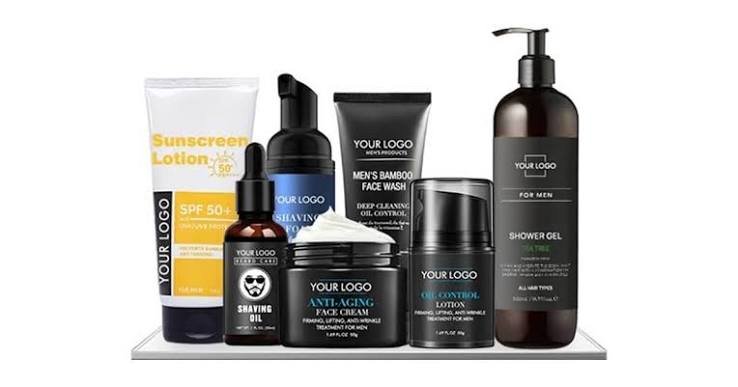
For hair care, packaging must work with the formula. A thick conditioner may need a tube, jar or pump designed for high-viscosity products. A lightweight shampoo may suit a squeeze bottle or pump. A hair oil may require a closure that controls dispensing and prevents leakage.
Stock Packaging
Stock packaging is often the fastest route. The manufacturer or packaging partner already has bottle, cap, pump, tube or jar options available. You may customize labels, colors, decoration or boxes depending on the supplier.
Stock packaging is useful when:
- Speed matters
- MOQ must stay manageable
- The brand is testing demand
- The formula is not highly unusual
- The launch budget is limited
The tradeoff is differentiation. If many brands use the same bottle shape, your label design and product positioning need to work harder.
Custom Packaging
Custom packaging gives more control over brand identity. It can include custom bottle shapes, special colors, premium caps, printed tubes, cartons, inserts or gift sets.
Custom packaging may be worth considering when:
- The product is premium or giftable
- Retail shelf impact is important
- The brand has a clear design system
- The expected order volume supports higher component minimums
- The launch timeline allows sourcing and testing
However, custom packaging often introduces separate lead times. Component suppliers may require tooling, color matching, decoration tests and transport time before the hair care manufacturer can fill the product.
Component Compatibility Testing
Compatibility testing helps confirm that the formula and packaging work together. A formula can interact with a closure, pump, label adhesive or bottle material over time. For example, fragrance oils may affect certain plastics, high-viscosity products may clog pumps, and labels may lift in humid bathroom environments.
A practical packaging checklist should include:
- Bottle or tube material
- Closure type
- Pump or dispensing performance
- Fill volume and headspace
- Label material and adhesive
- Leak testing
- Drop or transport resistance
- Storage conditions
- Carton and shipping format
Packaging should be approved before production begins, not after the formula has already been filled.
Lead Time: A Realistic Timeline from Brief to Delivery
Lead time depends on formula complexity, packaging availability, sample approval speed, order volume, testing requirements and production scheduling. A fast project usually uses an existing formula, stock packaging and clear artwork. A slower project usually involves custom R&D, custom packaging, export documentation or multiple approval rounds.
Fastest Path: Stock Formula and Stock Packaging
A faster private label hair care project may follow this path:
- Buyer shares product brief
- Supplier recommends stock formulas
- Buyer orders and reviews samples
- Packaging and label format are selected
- Artwork is approved
- Production slot is scheduled
- Product is filled, labeled and packed
- Final inspection and shipping are arranged
This route is suitable for market testing, salon retail extensions and ecommerce launches where speed is more important than formula exclusivity.
Slower Path: Custom Formula or Custom Components
A custom path may include:
- Formula development
- Ingredient sourcing
- Fragrance adjustment
- Stability or compatibility testing
- Packaging sourcing
- Artwork development
- Label review
- Pilot batch approval
- Production scheduling
- Final quality checks
Brands should build buffer time into the project. If the product will enter the US, EU, UK or another regulated market, documentation and labeling review may add time before launch.
What Delays Launches Most Often
Common delays include:
- Unclear product brief
- Late artwork files
- Changing packaging after sampling
- Unapproved fragrance direction
- Claims that need legal review
- Missing target-market information
- Component shortages
- Slow feedback after sample delivery
The buyer can reduce delays by preparing a complete brief and approving each stage in writing.
Stock Formula vs Semi-Custom vs Custom Formula
The best formula path depends on the brand’s stage. A first-time founder may benefit from a reliable stock formula. A salon group may want a semi-custom formula that reflects its professional positioning. A mature ecommerce brand may need custom development to create stronger differentiation.
Brands that need a proprietary formula or specific performance target should review the supplier’s custom hair care formulation capabilities before deciding.
| Option | Best For | Advantages | Watchouts |
|---|---|---|---|
| Stock formula | Fast launch, budget control | Shorter development, lower complexity | Less unique |
| Semi-custom | Moderate differentiation | Better brand fit, manageable timeline | Adjustments may affect cost |
| Custom formula | Strong differentiation | More control over texture, claims direction and product story | Longer development and more testing |
Choose Stock Formula When Speed Matters
A stock formula can still be commercially strong if the positioning, packaging and customer experience are clear. For example, a salon may launch a moisturizing shampoo and conditioner pair under its own brand using proven formulas and professional-looking packaging.
Choose Semi-Custom When You Need Some Differentiation
Semi-custom work may include fragrance changes, viscosity adjustment, hero ingredient direction or a different sensory profile. This can help a product feel more aligned with the brand without the time commitment of full custom development.
Choose Custom When Formula Ownership Matters
Custom formulation is useful when the product concept depends on a specific texture, ingredient story, target hair type or performance profile. It is also useful when the brand wants to build a long-term product line rather than test one SKU.
Quality, Compliance and Documentation Buyers Should Verify
Hair care products are cosmetics in many markets, but the exact rules vary by country and product type. A shampoo, conditioner, hair mask or hair oil may face different labeling, claims and documentation expectations depending on where it will be sold.
In the US, the FDA’s MoCRA overview explains modernized requirements affecting cosmetic facility registration, product listing, records and safety-related responsibilities. The FDA also provides guidance on product testing of cosmetics, making clear that companies need a basis for product safety.
For labeling, buyers should consult the FDA Cosmetics Labeling Guide when preparing US-market labels. For EU sales, the EU Cosmetic Products Regulation is a key reference for responsible person, safety assessment and product information file obligations.
Manufacturing quality systems also matter. ISO 22716 provides guidelines for cosmetic Good Manufacturing Practices, including production, control, storage and shipment practices.
Documentation to Ask For
Depending on market and product type, buyers may ask about:
- Ingredient list
- Formula specification
- Batch records
- Certificate of analysis, where applicable
- Microbiological testing
- Stability or compatibility testing
- Safety assessment or safety substantiation
- Label review support
- GMP or quality-management documents
- Export documents
Do not assume the manufacturer handles every compliance task automatically. The brand owner, importer, distributor or responsible person may have legal responsibilities in the target market.
Cosmetic and hair color requirements vary by market. Brands should confirm applicable safety, labeling, notification, ingredient and claims requirements before launch.
Launch Readiness Matrix: Best Path by Business Stage
A good private label hair care plan balances ambition with risk. The right path for a startup is not always the right path for an established retailer.
| Business Stage | Recommended Path | MOQ Strategy | Sampling Focus | Packaging Strategy | Timeline Priority |
|---|---|---|---|---|---|
| Startup testing one SKU | Stock or semi-custom | Keep units manageable | Product-market fit | Stock packaging | Speed and cash control |
| Salon adding retail products | Stock formula with professional packaging | Start with core routine | Sensory feel and client fit | Branded bottle and label | Smooth in-salon rollout |
| Ecommerce brand scaling | Semi-custom or custom | Plan reorder economics | Differentiation and reviews | Strong visual identity | Launch calendar discipline |
| Distributor or retailer | Proven formula range | Confirm per-SKU volumes | Consistency and documentation | Retail-ready packaging | Supply reliability |
The best supplier conversation begins with a clear brief. Include your target customer, product type, formula direction, packaging preference, launch market, expected order quantity and target launch date.
FAQs About Private Label Hair Care
What is the MOQ for private label hair care?
MOQ varies by supplier, formula type, packaging choice, SKU count and customization level. A stock formula with stock packaging usually has a more flexible MOQ than a custom formula with custom components. Always ask whether the MOQ applies per formula, per fragrance, per package size or per finished SKU.
Can I order samples before committing to production?
Yes, sampling is a normal part of private label hair care development. Samples help you evaluate texture, scent, performance, packaging fit and brand alignment before approving production. For custom formulas, expect additional rounds of feedback and revision.
How long does private label shampoo production take?
Lead time depends on the project. Stock formula projects with ready packaging can move faster, while custom formulas, special packaging and export documentation can extend the timeline. The fastest way to reduce delay is to prepare a complete brief and approve samples, labels and packaging on schedule.
Do private label manufacturers provide packaging?
Many manufacturers offer stock packaging, preferred packaging partners or design support. Some also support custom bottles, tubes, pumps, labels and cartons. Confirm whether packaging is included in the quote, whether components are in stock and whether compatibility testing is needed.
Is stock formula or custom formulation better?
Stock formulas are better for speed, lower complexity and market testing. Custom formulation is better when the brand needs a unique texture, ingredient story, performance target or long-term product identity. Semi-custom development sits between these two options.
What should I prepare before requesting a quote?
Prepare your product type, target user, market region, formula preference, packaging direction, desired order quantity, sample expectations, launch date and compliance requirements. A complete brief helps the supplier quote accurately and reduces back-and-forth.
Conclusion: Plan Your Hair Care Launch Around Risk, Not Just Price
Private label hair care is not only about finding the lowest MOQ or fastest lead time. A successful launch depends on matching formula path, sampling process, packaging choice, documentation needs and production schedule to the brand’s real stage.
A startup may need flexibility and speed. A salon may need a polished retail routine. An ecommerce brand may need stronger differentiation. A distributor may need supply consistency and export-ready documentation.
Brands preparing a private label hair care project can contact Keronhair with a clear brief covering target market, product type, formula direction, packaging needs and launch timeline.