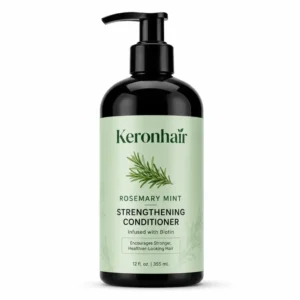
These stages can overlap, but mass production should not begin while the formula version, packaging combination, artwork, or approval responsibilities are still changing. The safest handoff is based on written specifications and approvals, not a general statement that the sample “looks good.”
If you are researching how to develop a hair care product, choosing attractive ingredients is only one part of the job. The formula must also suit the target user, planned claims, package, manufacturing process, price position, and markets where the product will be sold.
This guide explains how to create a hair care product with a manufacturer without turning the process into a generic checklist. It focuses on the decisions that reduce revisions, protect the approved product direction, and make the transition from laboratory sample to repeatable production more controlled.

Custom Formulation, Private Label, and OEM/ODM: What Changes?
Custom formulation describes product-development work. Private label describes selling a product under your brand, while OEM and ODM manufacturing models describe different ways of dividing development and production work. In practice, these terms often overlap, so the contract and project scope matter more than the label alone.
What Custom Hair Care Formulation Means
A custom hair care formulation process starts with a defined product objective and develops or adapts a formula around it. The brief may cover cleansing, conditioning, hold, texture, fragrance, color, rinse profile, ingredient direction, packaging, price positioning, and target-market requirements.
Customization can apply to shampoo, conditioner, masks, scalp care, oils, serums, styling products, hair color, straightening systems, or a coordinated range. It does not always mean inventing every component from zero.
When a Brand Needs Custom Development
Custom development makes sense when an available formula cannot meet the intended performance, sensory profile, packaging format, market position, or product-line strategy. A stock or modified formula may be more practical when speed, lower development complexity, or early market testing matters more than exclusivity.
The correct route is therefore a commercial decision as well as a technical one. Brands should define what must be distinctive and what can remain standard before paying for unnecessary development work.
Step 1: Define the Product Brief and Feasibility Requirements
The first stage is not the laboratory sample. It is a product brief that translates brand strategy into requirements a formulator and manufacturer can evaluate. A weak brief creates guesswork; a useful brief establishes priorities and exposes conflicts early.
Build a Brief Around the User and the Product Experience
Start with the product category, target customer, intended use, sales channel, price position, and destination market. Then describe the complete use experience rather than listing fashionable ingredients.
For a shampoo, that may include foam character, scalp cleansing, wet-hair friction, rinse feel, fragrance strength, viscosity, and the condition of the lengths after washing. For that category, review the custom shampoo development options to separate formula changes from fragrance, viscosity and packaging decisions. For a mask, consider spread, slip, detangling, rinse time, residue, and dry after-feel. A styling product needs measurable direction for hold, shine, tack, flexibility, flaking, restyling, and washout.
Turn Preferences Into Reviewable Requirements
Words such as “premium,” “clean,” “natural,” or “repairing” are not precise development instructions. Convert them into observations the team can review, such as “a pearlized shampoo with dense foam, a clean rinse, and enough slip for color-treated lengths.”
Use a structured brief:
| Brief Area | What the Brand Should Define | Why It Matters |
|---|---|---|
| Product role | Hero product, routine step, salon service, or retail add-on | Prevents overlapping products in the same line |
| Target user | Hair type, scalp needs, styling habits, climate, and channel | Guides cleansing, conditioning, texture, and fragrance decisions |
| Performance direction | Observable cosmetic benefits and use experience | Gives the formulator a testable target |
| Sensory profile | Texture, viscosity, foam, slip, fragrance, color, and finish | Reduces subjective revision cycles |
| Ingredients | Desired ingredients, exclusions, and retailer restrictions | Affects feasibility, cost, stability, and label content |
| Packaging | Bottle, tube, jar, pump, closure, fill size, and decoration | Influences viscosity, filling, compatibility, and cost |
| Market and claims | Sales countries, languages, proposed claims, and warnings | Shapes label, documentation, and review responsibilities |
| Commercial limits | Target cost, expected MOQ, launch window, and SKU count | Keeps the concept aligned with a viable order |
At Keronhair, we find that the strongest briefs separate must-have requirements from preferences. If the target cost, packaging, ingredient exclusions, texture, and claim direction conflict, the team needs to know which requirement should win.
Step 2: Choose a Stock, Modified, or Fully Custom Formula
The formula route affects differentiation, development work, testing decisions, cost, and launch planning. Private label hair care development does not require the same route for every product or every SKU. Compare stock, modified and fully custom formulas against the same brief before deciding which route justifies the additional development work.
Stock Formula
A stock formula is an existing product base offered for private labeling or limited changes. It can suit a faster launch, a first market test, or a supporting SKU that does not need a unique sensory profile.
The trade-off is differentiation. Brands should not describe a shared stock formula as proprietary or exclusive unless the agreement clearly supports that claim.
Modified Formula
A modified formula begins with an existing base and changes selected elements such as fragrance, color, viscosity, sensory finish, or an appropriate hero-ingredient direction. It can provide a practical balance between speed and brand distinction.
Even a limited change can affect preservation, stability, viscosity, packaging, labeling, raw-material availability, or cost. “Small customization” should not be treated as automatically risk-free.
Fully Custom Formula
A fully custom route is appropriate when the brief requires a performance profile, texture, format, ingredient system, or range strategy that an existing base cannot deliver. It normally creates more development questions and approval points.
Use the following decision framework:
| Formula Route | Best Fit | Main Advantage | Main Trade-Off |
|---|---|---|---|
| Stock | Faster launch or early market validation | Shorter development path | Less differentiation and fewer changes |
| Modified | A brand needing selected sensory or positioning changes | Balance of customization and efficiency | Changes may still trigger technical review |
| Fully custom | A concept built around distinctive performance or format | Greater control over product direction | More development, testing, and approval work |
Keronhair presents these routes within its custom hair care formulation services. The blog’s purpose, however, is to help a buyer manage the decisions behind the route—not to assume that fully custom development is always the best choice.
Step 3: Develop, Evaluate, and Refine Lab Samples
Hair care formula development is iterative. The first laboratory sample is a technical interpretation of the brief, not a miniature production batch and not an automatic final formula.
Review Feasibility Before the First Prototype
Before preparing a sample, the development team should review the ingredient direction, packaging concept, claims, target market, texture, fragrance, cost target, and manufacturing implications. If two goals conflict, resolve the priority before producing repeated samples.
For example, a very rich conditioning profile, a lightweight finish, a long exclusion list, an aggressive target cost, and a low-viscosity spray format may not all fit together. Feasibility review makes those compromises visible.
Give Structured Sample Feedback
Sample feedback should describe the observation, desired change, and reason. “Reduce fragrance intensity for a daily-use salon shampoo” is more actionable than “the scent is wrong.” “Increase wet slip without leaving fine hair coated” gives the formulator a clearer trade-off to manage.
Use the same review conditions where possible. Record the sample version, amount used, water conditions, application method, comparison product, evaluator, and observations. Avoid changing the formula, package, conditioner, and test method at the same time, because the team may not know what caused the result.
Evaluate a Product Line as a System
In a published U.S. clean hair repair collection, Keronhair coordinated a sulfate-free shampoo, daily conditioner, and intensive mask. Sample review considered cleansing, foam, combability, softness, fragrance retention, viscosity, rinse feel, and mask texture across the routine. The practical lesson is that individually acceptable products can still feel inconsistent when used together.
A separate Thailand lightweight scalp-care project required cleansing and conditioning that suited frequent washing in a hot, humid market. The review placed more attention on conditioning residue, fragrance intensity, rinse feel, and the distinct role of each product. Market conditions can therefore change what “good performance” means.
Move forward only when the brand and development team agree on the sample version, sensory direction, intended use, packaging direction, and unresolved questions that must be addressed during testing.
Step 4: Plan Testing, Packaging Compatibility, and Market Requirements
Testing should be planned around the formula, package, claims, intended use, and destination market. It is not a single universal certificate, and the manufacturer is not automatically responsible for every regulatory task.
Connect Formula Testing With the Product Risk
The development plan may include stability work, packaging compatibility, microbiological quality, preservation assessment, safety substantiation, performance evaluation, or claim-support work. The suitable scope varies by product and market.
A water-based shampoo, an anhydrous oil, a hair dye, a straightening product, and a high-viscosity mask do not create identical questions. Brands should ask what each proposed evaluation is intended to demonstrate and who will review the result. Our guide to verifying manufacturer testing and quality evidence helps you review the supplier’s reports, specifications and batch records alongside that test plan.
Test the Formula and Packaging Together
Packaging is part of product performance. A formula can feel correct in a laboratory jar but fail to dispense through the selected pump. A closure may leak during shipping, a label may not tolerate product contact, or a thick formula may fill inconsistently.
Review component material, viscosity, flow, closure, seal, fill quantity, dispensing, label area, product evacuation, and likely transport conditions. Changing a bottle or pump after approval may require another compatibility or filling assessment.
Assign Market and Compliance Responsibilities
The cosmetic product development process must account for where the product will be sold. The brand, manufacturer, importer, distributor, Responsible Person, testing provider, or regulatory adviser may hold different responsibilities depending on the market and agreement.
For the United States, the FDA Cosmetics Labeling Guide is a useful starting point. EU projects should review the official Cosmetics Regulation (EC) No 1223/2009, while UK projects should check GOV.UK cosmetic product notification guidance.
Do not copy one market’s label or documentation plan into another without review. Agree in writing who supplies data, reviews claims, arranges assessments, completes notifications, acts as the responsible party, and maintains required records.
Step 5: Lock the Formula, Packaging, Artwork, and Specifications
Final approval is the handoff from development to production planning. A positive sensory review is not enough if the formula version, packaging, artwork, specifications, or market details are still open.
Create a Production-Ready Approval Package
Before scheduling production, the project file should identify the approved formula and sample, product specifications, fragrance and color, package components, fill quantity, artwork, ingredient list, warnings, claim wording, coding area, and destination market.
The brand should also know which tests and documents are complete, pending, or outside the manufacturer’s scope. Written approval reduces the risk of using an old artwork file, the wrong fragrance version, or a package that was never evaluated with the final formula.
Control Changes After Approval
Define how later changes will be proposed, assessed, approved, and documented. Substituting an ingredient, fragrance, color, closure, pump, label material, or packaging supplier may affect more than the purchase price.
At Keronhair, we treat the approved sample and version-controlled project information as connected references. When a later observation appears—such as lower viscosity or harder dispensing—the first step is to compare versions and test conditions before changing the formula.
Step 6: Scale Up, Manufacture, and Release the Production Batch
Scale-up transfers the approved development direction into factory equipment and a larger batch. Mixing conditions, order of addition, temperature, air incorporation, transfer, and filling may behave differently from the laboratory.
Review the Scale-Up Plan
Production planning connects the formula version, batch size, raw materials, process instructions, equipment, packaging arrival, filling setup, quality checkpoints, and schedule. Technical staff should identify parameters that matter for the specific formula rather than copying settings from an unrelated product.
For shampoo, for example, pH and viscosity measurements should be made under defined conditions. Adding more thickener before checking sample temperature, air bubbles, test method, and formula version can make an investigation harder.
Check the Bulk Product and Filled Goods
In-process and finished-product checks may cover appearance, odor, color, uniformity, pH or viscosity where relevant, fill quantity, closure, leakage, label placement, coding, and packaging condition. The agreed specification determines whether a result is acceptable.
Finishing the filling operation does not automatically release the batch. Required records, results, packaging checks, and deviations should be reviewed under the agreed quality process before shipment.
Protect Repeatability for Reorders
Retained samples, batch numbers, raw-material records, approved artwork, product specifications, and change-control records help investigate future differences and support repeat orders. Reorders should reference the approved project version rather than rely on memory or a photograph of the last shipment.
Our detailed guide to how shampoo is manufactured shows how formula approval, controlled mixing, bulk checks, filling, packaging inspection, retained samples, and batch release connect at factory scale.
How Long Does Hair Care Product Development Take?
There is no reliable universal timeline for custom development. A stock formula in available packaging follows a different path from a fully custom formula, custom bottle, multiple fragrances, several markets, or a product requiring extended testing.
The main timeline drivers include:
- clarity of the original brief;
- stock, modified, or fully custom formula route;
- number and significance of sample revisions;
- ingredient and fragrance availability;
- testing and claim-support requirements;
- packaging availability, decoration, and compatibility review;
- artwork, translation, and label approval;
- target-market responsibilities and documentation;
- production capacity, order size, and shipment planning.
Build the schedule backward from a realistic launch window and identify dependencies. Formula work and packaging sourcing can sometimes proceed in parallel, but artwork should not be finalized before the required formula and label information is stable. Add decision time for your own team; delayed or conflicting feedback can be as important as laboratory time.
When comparing manufacturers, ask for a project-specific sequence with assumptions rather than one attractive headline lead time. The answer should distinguish sample development, testing, packaging procurement, production, quality release, and transport. Review MOQ, sampling and packaging lead times together when checking whether the proposed order structure and component sourcing fit your launch window.
What Drives the Cost of Custom Hair Care Development?
The cost of custom development is shaped by the formula, evidence, packaging, order structure, and target market. A low unit price does not reveal sample fees, testing, custom packaging, printing, freight, duties, or the cost of future changes.
Review these cost groups:
| Cost Driver | Questions to Ask |
|---|---|
| Formula route | Is the quote based on a stock, modified, or fully custom formula? |
| Ingredients | Do selected materials have minimum purchase quantities, long lead times, or price volatility? |
| Sampling | What is included, and what causes a new development charge? |
| Testing | Which evaluations are included, recommended, or arranged by a third party? |
| Packaging | Is it stock or custom? Are molds, decoration, plates, labels, and cartons included? |
| MOQ and SKU count | Is the minimum applied per formula, fragrance, color, size, or packaging variation? |
| Compliance | Who pays for safety assessment, claim evidence, notification, translation, or local representation? |
| Production and logistics | What is included in filling, coding, inspection, cartons, freight, duties, and delivery? |
Set priorities before asking for a lower price. Reducing cost by removing a decorative finish is different from changing the preservative system, package, test plan, or critical performance requirement. A good value-engineering discussion protects the parts of the concept that customers will actually notice.
Who Owns the Formula and What Should the Agreement Cover?
Formula ownership should never be assumed from words such as custom, OEM, ODM, or private label. The agreement should state what the brand receives, what the manufacturer retains, and what happens if the relationship or formula changes.
Before committing, review:
- ownership or licensing of the base and final formula;
- whether the formula or product configuration is exclusive;
- territory, channel, customer, or time limits on exclusivity;
- confidentiality and NDA terms;
- ownership of brand-supplied information and artwork;
- access to formula specifications, test reports, and regulatory documents;
- treatment of brand-funded modifications;
- rules for ingredient, fragrance, supplier, or packaging substitutions;
- transfer, termination, and reorder conditions;
- responsibility for claims, registrations, and document maintenance.
Formula ownership, manufacturing rights, and access to technical documents are not necessarily the same thing. A brand may own an identity and artwork while licensing a manufacturer’s formula, or it may fund custom development under a different ownership arrangement.
This section is a commercial checklist, not legal advice. Have the agreement reviewed by a qualified professional when ownership, exclusivity, market access, or transfer rights are important to the brand.
How to Prepare and Avoid Common Development Mistakes
Most preventable delays begin with an unclear requirement, late change, or informal approval. Before contacting a manufacturer, prepare the product category, target customer, target market, formula route, benchmark products, sensory goals, ingredient preferences, packaging idea, target cost, expected quantity, SKU plan, launch window, and proposed claims.
Avoid these common mistakes:
- Choosing hero ingredients too early: selecting ingredients before defining the product’s job;
- Over-customizing the first launch: asking for a custom formula when a modified base could meet the objective;
- Giving subjective feedback: commenting without connecting the observation to the target user;
- Separating formula and packaging approval: approving the formula without its intended packaging;
- Finalizing artwork too early: printing before ingredient, warning, and claim review is complete;
- Confusing sample approval with scale-up: treating an approved lab sample as proof of successful production;
- Leaving ownership unclear: accepting vague formula or exclusivity terms;
- Making uncontrolled changes: changing ingredients or packaging without assessing downstream effects;
- Misassigning compliance responsibility: assuming the manufacturer owns every regulatory obligation;
- Planning from production time alone: ignoring development, testing, packaging, release, and shipping.
A useful first inquiry does not require a finished technical formula. It requires a clear problem to solve, realistic commercial boundaries, and a willingness to document decisions. Brands comparing private label routes can also review Keronhair’s private label hair care products before deciding how much customization they genuinely need.
Frequently Asked Questions
These answers cover practical questions that often arise before a brand begins development with a manufacturer.
How Do You Develop a Hair Care Product From an Idea?
Convert the idea into a written brief, choose the appropriate formula route, review prototypes, plan testing and packaging, approve specifications and artwork, and then scale the product into controlled production. Each stage should produce a clear decision or approved deliverable.
Is a Custom Formula Better Than a Stock Formula?
Not automatically. A custom formula may support stronger differentiation, while a stock formula may offer a more efficient route for market testing or supporting products. The best route depends on what the brand must make distinctive.
How Many Sample Revisions Will a Project Need?
There is no universal number. Revision needs depend on brief quality, formula complexity, feedback, packaging, ingredient availability, and how much the concept changes during development. Ask how revisions are documented and priced rather than relying on an unsupported fixed promise.
Can Packaging Be Selected After the Formula Is Finished?
It can be finalized later, but packaging direction should begin early. Viscosity, dispensing, filling, compatibility, label area, shipping, and user experience can all influence formula and production decisions.
What Should Be Approved Before Mass Production?
Approve the final formula version and reference sample, specifications, packaging components, fill quantity, artwork, label information, claims, required testing status, destination market, and change-control process. Record who approved each item.
The hair care product development process works best when commercial decisions and technical decisions remain connected. A clear brief guides the formula; structured feedback improves the sample; packaging and market planning protect the approved concept; written specifications support scale-up and repeat production.
At Keronhair, our most useful role is not to add more steps to a project. It is to help the brand identify the next decision, document it clearly, and connect formula, packaging, production, and quality requirements. To explore support for your planned range, review our hair care product manufacturing capabilities. When your team is ready, share the brief and ask which development route fits the product rather than assuming every idea requires the same process.