A supplier can look like a perfect fit until the quote arrives. The advertised MOQ may exclude packaging, the sample may not scale, or the certificate may not cover the facility making your order. The manufacturers below differ in product focus, formula route, commercial entry point, and buyer support. Some suit first-time salon brands; others are built for retail programs. See where each may fit and what to verify before committing.
How Were These Hair Care Manufacturers Selected?
This list focuses on companies whose official sites currently show third-party hair care manufacturing, private label, OEM, ODM, or contract manufacturing services. Consumer brands, label printers, wholesalers, and distributors were excluded unless they also presented a clear manufacturing service.
Four questions guided the selection.
1.Does the company show relevant product capability?
Hair care is not one production category. A factory that fills shampoo may not handle hot-fill pomade, oxidative hair color, aerosols, powders, or professional smoothing systems. The product pages needed to provide enough detail to describe a plausible buyer fit.
2.What development routes are available?
Stock private label, semi-custom development, full custom formulation, OEM, ODM, and contract manufacturing involve different costs, timelines, and intellectual-property terms. A company was more useful to this guide when buyers could see at least part of that route on its website.
3.What commercial information can a buyer verify?
Public MOQ, sampling, packaging, testing, and site information make a first comparison easier. Missing MOQs are marked as “not publicly stated” rather than estimated.
4.hat still needs checking?
A factory website is the beginning of due diligence, not the end. Certificates must match the legal entity, manufacturing address, activity, and validity period. Product-specific specifications and test reports matter more than a logo in a website footer.
This is an editorial shortlist based on current public information and buyer usefulness. It is not a factory audit, certification decision, or guarantee of future performance. Verify the legal entity, production site, samples, specifications, certificates, testing, commercial terms, and contract before placing an order.
Top 10 Hair Care Manufacturers for Private Label Brands
| Manufacturer | Base or footprint | Main hair care fit | Formula route | Published entry point | Best fit for | Main buyer check |
|---|---|---|---|---|---|---|
| Biocrown Biotechnology | Taiwan, with additional facilities listed by the company | Shampoo, conditioner, treatments, hair powder, multi-category beauty | OEM and ODM | Not publicly stated | Brands combining hair care with other beauty categories | Confirm the hair care line, production site, MOQ, and certificate scope |
| Bo International | India | Shampoo, conditioner, masks, oils, serums, styling | Private label, contract manufacturing, custom formulation | Not publicly stated | Brands seeking India-based, multi-category development | Confirm the legal manufacturing site, test plan, MOQ, and export documents |
| CarasaLab | Spain | Shampoo, masks, oils, creams, professional care and color | Private label and custom development | Varies by product, bulk quantity, and fill size | European and professional hair care projects | Convert bulk minimums into the exact proposed pack size |
| COSMAX | South Korea, with a global factory network | Shampoo, treatment, oils, styling, color, functional hair care | OEM, ODM, OBM | Not publicly stated | Established brands seeking advanced R&D and multinational scale | Confirm the participating entity, factory, threshold, and IP terms |
| GAR Labs | Southern California, United States | Shampoo, conditioner, pomade, salon and natural hair care | Custom contract manufacturing | 5,000 pieces per product | Mid-size and larger US brands | Confirm whether 5,000 units applies to the final formula and package |
| HSA Cosmetics | Italy | Scalp care, treatment, styling, professional color | Private label and contract manufacturing | 500 kg per hair care formula; finished product examples start higher | Premium and salon brands seeking Made in Italy production | Confirm unit conversion, packaging MOQ, fees, and market documents |
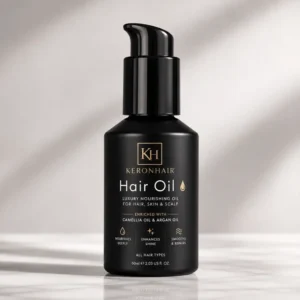
| Keronhair | Guangzhou, China | Shampoo, conditioner, masks, oils, scalp care, styling, color, smoothing | Private label, OEM, ODM, custom formulation | Main and service pages state 1,000 units per SKU; confirm eligible exceptions | Growing brands building a broad hair care range | Quote the exact formula, package, quantity per SKU, and destination market |
| Private Label Dynamics | Australia | Salon shampoo, conditioner, treatments, styling, men’s and children’s care | Ready-to-brand private label; custom options available | No MOQ when the buyer supplies printed labels; product conditions vary | Salons and professional outlets seeking Australian-made products | Separate label supply terms from finished product and custom formula MOQs |
| RainShadow Labs | Oregon, United States | Shampoo, conditioner, oils, scalp care, masks, styling | Buy Direct, stock filling, semi-custom, custom | No minimum for Buy Direct; 10 gallons for stock filling; 25 gallons for custom | Staged US launches and salons | Confirm packaging responsibilities, fill yield, fees, and timing |
| Tropical Products | Massachusetts, United States | Shampoo, anti-frizz, detangling, sprays, oils, gels, straightening lotion | Private label, stock, custom, contract manufacturing | Not publicly stated | US brands seeking turnkey liquid product development | Request the MOQ, current quality evidence, tests, and lead time |
1. Biocrown Biotechnology: Best for Taiwan-based multi-category OEM and ODM
Biocrown Biotechnology is based in Taiwan and offers OEM and ODM services for skin and hair care. Its current website lists shampoo, conditioner and hair treatments, and hair volume powder. The company also says that its head office and development department are in Taiwan, supported by two manufacturing facilities and a mainland China branch.
Biocrown may suit a brand that wants to develop hair care alongside skin, body, baby, or other personal care categories. That can simplify supplier coordination, but buyers should still confirm which facility will make each product. A broad catalog does not prove that every site runs every formula or filling process.
- Location: Taiwan
- Formula route: OEM and ODM
- Published entry point: Not publicly stated
- Potential fit: Multi-category beauty brands seeking an Asian development base
- Confirm before ordering: The legal manufacturing entity, actual production address, hair care MOQ, packaging minimum, test plan, and current certificate scope
2. Bo International: Best for India-based natural and multi-category development
Bo International presents private label, contract manufacturing, and custom formulation services from India. Its hair care catalog includes masks, conditioners, oils, serums, shampoos, styling creams, and sprays. The wider company site also describes formulation, sampling, production, packaging, and shipping support.
This range may appeal to buyers developing hair care and men’s grooming through one supplier. The company promotes natural ingredients and stability-tested formulas, but buyers should ask which stability conditions, microbial tests, compatibility checks, and release tests are included.
- Location: India
- Formula route: Private label, contract manufacturing, and custom formulation
- Published entry point: Not publicly stated
- Potential fit: Brands seeking coordinated product and packaging development in India
- Confirm before ordering: Contracting entity, factory address, formula ownership, MOQ per SKU, certificate validity, included testing, and target-market documentation
3. CarasaLab: Best for European professional hair care and color
CarasaLab is a Spain-based cosmetics laboratory with a visible focus on hair care, professional hairdressing products, treatments, and color. Its site covers shampoos, masks, oils, creams, repair products, and other salon-oriented formats.
CarasaLab is unusually helpful about minimums. Its current page lists 500 liters for bulk shampoo, with finished product examples ranging from 500 units at 1,000 ml to 5,000 units at 100 ml. It separately lists 200 liters for masks, 50 liters for oils, and 50 kilograms for creams, followed by pack-size examples. Some figures on the page should be confirmed because unit conversion and package yield can vary.
A 50-liter oil batch and a 500-liter shampoo batch are different commercial commitments, so buyers should not compare the headline figures alone.
- Location: Spain
- Formula route: Private label and custom manufacturing
- Published entry point: Product-specific bulk and finished unit minimums
- Potential fit: European salon, treatment, and color projects
- Confirm before ordering: Exact unit conversion, component minimums, sample rounds, compatibility work, EU documentation, and export support
4. COSMAX: Best for established brands seeking global ODM scale
COSMAX started in South Korea and now lists production facilities in Korea, China, the United States, Indonesia, and Thailand. Its official materials describe OEM, ODM, and OBM services. A COSMAX sustainability report lists shampoo, rinse, treatment, hair oil, vinegar, mist, powder, styling, color, baby hair, and functional hair care among its product categories.
It may suit an established company that wants structured R&D, a wide beauty portfolio, and production closer to more than one market. A larger ODM may require a more developed brief, forecast, and approval process than a small ready-to-label supplier.
- Base: South Korea, with a multinational factory network
- Formula route: OEM, ODM, and OBM
- Published entry point: Not publicly stated
- Potential fit: Established beauty businesses planning larger or multinational programs
- Confirm before ordering: The participating COSMAX company and site, hair-format capability, order threshold, development stages, IP terms, test ownership, and documents supplied by that facility
5. GAR Labs: Best for higher-volume custom hair care in the United States
GAR Labs is a Southern California contract manufacturer that describes laboratory, mixing, hot and cold filling, packaging, and palletizing services. Its hair care offer includes shampoo, conditioner, pomade, and other traditional and natural hair care formats.
GAR Labs publishes a qualifying minimum of 5,000 pieces per product. That makes it less suitable for a founder who wants a few hundred finished units, but potentially relevant to mid-size and larger brands that need custom production in the United States. The company also describes a sample-development process, though the exact commercial terms should be confirmed for the proposed project.
- Location: Southern California, United States
- Formula route: Custom contract manufacturing
- Published entry point: 5,000 pieces per product
- Potential fit: Mid-size and larger US brands with a validated concept or sales channel
- Confirm before ordering: Whether the minimum applies to each SKU, scent, size, and package; formulation terms; test plan; component sourcing; production schedule; and regulatory responsibilities
6. HSA Cosmetics: Best for premium Italian hair care, styling, and color
HSA Cosmetics is an Italian private label manufacturer with dedicated sections for scalp care, treatment, styling, professional color, and texture-specific hair care. It also describes packaging, labeling, R&D, and regulatory work as part of its service model.
HSA’s current page publishes 500 kilograms per formula for hair care, styling, and treatments, and 100 kilograms for hair color. For full-service finished products, it gives examples starting at 5,000 pieces for shampoos, conditioners, masks, and styling products. Those volumes point toward growth-stage, salon, premium, and established brands rather than a small validation batch.
- Location: Italy
- Formula route: Private label and contract manufacturing
- Published entry point: 500 kg per hair care formula, with separate finished product examples
- Potential fit: Premium, professional, styling, scalp, and color programs
- Confirm before ordering: Finished-unit conversion, packaging MOQ, development fees, sample revisions, exclusivity, documentation, and the market covered by the regulatory work
7. Keronhair: Best for growing brands building a broad hair care range in China
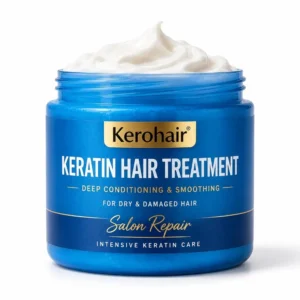
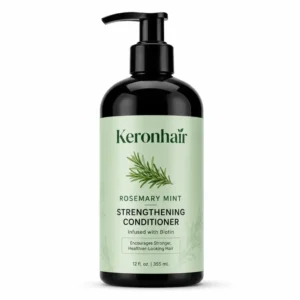
Keronhair is a Guangzhou-based hair care manufacturer offering private label, OEM, ODM, and custom formulation. Its public range covers shampoo, conditioner, masks, oils, serums, scalp care, styling, hair color, and professional smoothing products. The service model connects formula work, samples, packaging, manufacturing, and shipment preparation.
Keronhair may suit a buyer that wants several hair categories coordinated by one China-based team. The company’s main and service pages currently state a starting MOQ of 1,000 units per SKU, while a separate OEM page describes lower entry points for some standard ODM products. Treat the final MOQ as project-specific. Formula type, special ingredients, printed components, shade count, fragrance, pack size, and retail kits can all raise it.
- Location: Guangzhou, China
- Formula route: Stock or ready-to-brand, semi-custom, OEM, ODM, and custom formulation
- Published entry point: 1,000 units per SKU on current main and service pages; confirm eligible standard ODM exceptions
- Potential fit: Growing brands, salons, distributors, and established beauty companies building a wider range
- Confirm before ordering: Formula route, component MOQ, quantity per SKU, current certificates, product tests, quality documents, lead time, and destination-market responsibilities
8. Private Label Dynamics: Best for Australian salon and professional private label
Private Label Dynamics is an Australian manufacturer and distributor focused on salon and professional private label. Its ready-to-brand range includes shampoos, conditioners, intensive treatments, hair serum, curl cream, sprays, powders, and men’s and children’s products. The company says its range is Australian made and supplied to industry professionals rather than directly to consumers.
The purchasing route is closer to an online ready-to-brand program than a traditional custom contract manufacturing project. Buyers select products and packaging, place an order, and approve artwork. Custom formulation and packaging are available with higher minimums. Its process page says there is no MOQ when customers supply their own printed labels, but that statement is about label supply and should not be read as a universal zero MOQ for every finished product.
- Location: Sunshine Coast, Australia
- Formula route: Ready-to-brand private label, with custom options at higher minimums
- Published entry point: No label MOQ when the buyer supplies printed labels; finished product conditions vary
- Potential fit: Salons, spas, barbers, and professional outlets seeking an Australian-made range
- Confirm before ordering: Finished product minimum, custom formula threshold, label quantities, artwork rules, packaging choices, shipping cost, and destination-market label duties
9. RainShadow Labs: Best for staged US launches and lower-entry stock formulas
RainShadow Labs operates in Oregon and offers three useful entry routes. Buy Direct has no minimum, stock filling starts at 10 gallons, and custom formulas start at 25 gallons. Its hair care range includes shampoos, conditioners, oils, serums, scalp treatments, masks, and styling products.
This ladder lets a salon or e-commerce brand test a formula before moving into filled stock or custom development. It also makes comparisons more complicated. A no-minimum bulk or wholesale option is not the same as a turnkey finished product with custom bottles and labels. RainShadow says it does not sell packaging, although it provides vendor suggestions and tests components for compatibility.
- Location: Oregon, United States
- Formula route: Buy Direct, stock private label, semi-custom, and full custom
- Published entry point: No minimum for Buy Direct, 10 gallons for stock filling, 25 gallons for custom formulas
- Potential fit: Salons, spas, e-commerce brands, and staged US launches
- Confirm before ordering: Who buys and ships components, expected fill yield, compatibility work, customization fees, sample cost, production time, and freight
10. Tropical Products: Best for US turnkey development and broad liquid formats

Tropical Products is a Massachusetts contract manufacturer that describes product conception, formulation, manufacturing, filling, and packaging. Its listed hair care formats include shampoo, anti-frizz products, detanglers, hair spray, mousse, gel, polishers, pre-style sprays, shine mist, and straightening lotions.
The company presents both stock and custom development, which may suit brands seeking a US turnkey partner across several liquid and semi-liquid formats. Its hair care page does not publish a standard MOQ, so buyers need a project-specific quote. Do not treat a general facility claim or FDA registration as product approval.
- Location: Massachusetts, United States
- Formula route: Private label, stock formula, custom formulation, and contract manufacturing
- Published entry point: Not publicly stated
- Potential fit: US brands seeking coordinated formulation, filling, and packaging
- Confirm before ordering: MOQ per product and package, current certificates, testing included, component responsibilities, formula ownership, timeline, and total project cost
Which Hair Care Manufacturing Model Does Your Brand Need?
Supplier terminology is inconsistent. One factory may call a ready-made formula private label, while another uses the same term for a formula developed exclusively for one retailer. Judge the written scope, not the label.
White label or ready-to-brand production is usually the fastest route. You select an existing formula and available package, then apply your branding. It limits differentiation but reduces development work. This often fits salons, creators, and first-time founders testing a sales channel.
Stock private label gives you a proven base formula with choices such as fragrance, color, label, or package. The exact customization boundary varies. Changing an active ingredient or preservative can trigger new stability and compatibility work, even when the base looks similar.
Semi-custom development starts from an existing formula but permits controlled changes. It can provide more distinction without the full time and cost of a new formula. Ask which changes are allowed, how they affect testing, and whether the final formula is exclusive.
Custom formulation begins with your brief, benchmark, ingredient direction, performance target, or existing formula. It takes longer and may require development fees, more sample rounds, higher minimums, and a wider test plan. The contract should state who owns the formula, data, and transfer rights.
OEM usually means the manufacturer produces to a buyer’s specification or formula. ODM usually means the manufacturer contributes the formula or product design. These definitions are not universal. Use this OEM and ODM manufacturing comparison to prepare your questions, then put the agreed role in the contract.
How Should You Compare Hair Care Manufacturers?
A supplier comparison only works when every company receives the same brief. If one factory quotes a stock shampoo in a catalog bottle and another quotes a custom sulfate-free formula in a decorated pump, the prices tell you very little.
Match the factory to the exact product format
List the format, viscosity, fill size, application method, and expected performance. Ask whether the factory has made comparable products on commercial equipment. Shampoo, hair oil, powder, aerosol spray, oxidative color, wax, and keratin treatment require different processes and controls.
Also ask who will handle packaging compatibility. A formula can interact with a pump, liner, tube, label adhesive, or decorative coating. An attractive component is not automatically suitable for the formula or filling line.
Compare MOQ at formula, SKU, and packaging level
MOQ can apply to the bulk formula, each SKU, each shade, each fragrance, the bottle color, the printed tube, or the carton. Request a breakdown. A factory may allow 1,000 finished units while the printed bottle supplier requires 5,000 components. The unused balance still affects cash flow.
Convert every bulk minimum into estimated finished units using the proposed fill size and an agreed allowance for process loss. Keep liters, kilograms, gallons, and pieces in separate fields. The operational details in this guide to MOQ, sampling, packaging, and lead time can help you build a comparable request.
Define the test and approval plan
Ask what the quotation includes: raw-material checks, microbiological testing, stability, packaging compatibility, fill-weight control, bulk and finished-product specifications, retained samples, and batch release. The appropriate plan depends on the formula, claims, package, market, and risk profile.
Approve samples against written criteria. For a shampoo, that might cover appearance, odor, pH, viscosity, lather, wet combing, rinse feel, and residue. Styling products may need criteria for spread, hold, restylability, flaking, and finish. Written feedback is easier to reproduce than “make it feel more premium.”
Verify the company, factory, and certificates
The quotation, invoice, bank account, manufacturing agreement, certificate, and shipping documents may name different entities. Map the relationship before paying a deposit. Request the current certificate itself, then check the holder, address, activity, standard, issuing body, and validity date.
A website badge is not enough. A valid quality-system certificate also does not prove that your formula passed its product-specific tests. Both facility-level and product-level evidence matter. For a deeper screening process, use this guide to verifying a hair product manufacturer.
Clarify formula ownership and change control
The manufacturing agreement should state who owns the formula, whether it is exclusive, who can access the full composition, and what happens if the relationship ends. Cover test data, fragrances, molds, artwork, packaging files, and transfer rights too.
Define how the manufacturer will handle ingredient substitutions, discontinued components, specification changes, deviations, and process changes. A repeat order should not quietly become a different product.
Compare total landed cost and scalability
Unit price is only one line. Add development, samples, tests, formula or setup fees, packaging, labels, cartons, tooling, inspection, freight, insurance, duty, brokerage, warehousing, and payment charges. Include the cost of excess components and slow-moving inventory.
Then look beyond the first order. Ask about reorder MOQ, raw-material lead times, component continuity, forecast requirements, batch-to-batch controls, and what volume would trigger different equipment or pricing. The cheapest launch quote can become expensive if the supplier cannot support a stable reorder.
Which Manufacturer Type Fits Your Brand Stage?
An early-stage founder usually needs a different supplier from a retailer planning a national rollout.
| Brand stage | Practical manufacturing route | Main priority | Common mistake |
|---|---|---|---|
| Concept validation | Samples, Buy Direct, or ready-to-brand stock | Test formula and customer interest with limited exposure | Paying for full custom development before confirming demand |
| First commercial launch | Focused stock or semi-custom private label | Keep the range, packaging, and working capital manageable | Launching too many SKUs or fragrances |
| Growth stage | Semi-custom or custom formula with repeat-production plan | Improve differentiation and supply continuity | Comparing only unit price and ignoring reorder terms |
| Established brand or retailer | Structured custom, OEM, ODM, or multi-site program | Capacity, documentation, IP, change control, and scale | Assuming every site in a group has the same capability |
Location also matters, but country alone does not decide quality or total cost. Buyers comparing a China factory with a domestic option should review freight, duty, communication, development capability, order size, packaging access, and regulatory responsibilities together. This China versus local manufacturing guide provides a fuller framework.
How to Launch Your Own Hair Care Brand
A hair care launch is easier to manage when each decision is made in the right order. Your target customer shapes the product brief. The formula then affects packaging and testing, while those choices influence cost, MOQ, and timing. The seven steps below move the project from an initial idea to an approved production order and a workable reorder plan.

Step 1: Define the target customer and product promise
Start with a specific user, routine, and problem. “Premium hair care for everyone” gives a formulator little direction. “A lightweight wash-day range for fine, color-treated hair sold through independent salons” is more useful. Define the desired result, texture, fragrance direction, excluded ingredients, claims, price position, sales channel, and target market.
Claims affect formula work and evidence. Cosmetic language such as “helps reduce the look of frizz” is different from a drug or therapeutic claim. Review proposed claims for the destination market before they reach the front label or product page.
Step 2: Choose a focused opening range
A shampoo and conditioner pair is easier to fund, test, and explain than eight loosely connected products. Add a mask, oil, scalp serum, styling product, or color product only when it has a clear role in the routine and the sales plan.
Each extra SKU can create another formula minimum, component minimum, label, test package, forecast, and inventory risk. A smaller range also gives you cleaner customer feedback. You can see whether the formula, message, or channel is working before adding complexity.
Step 3: Select the right formula route
Choose stock formula when speed and lower development exposure matter most. Semi-custom can adjust an existing base while keeping the project relatively controlled. Full custom development makes sense when the product promise depends on a distinctive texture, ingredient system, performance profile, or owned specification.
There is no prize for choosing the most complex route. Use this stock versus custom formula comparison to match the development level to your commercial case.
Step 4: Build the budget and target unit economics
Work backward from the expected retail or wholesale price. Account for retailer margin, distributor margin, discounts, marketplace fees, fulfillment, marketing, returns, overhead, and profit. The remaining amount sets a realistic target for landed product cost.
Keep a separate launch budget for brand identity, artwork, samples, testing, regulatory work, photography, content, freight, duty, storage, and contingency. A low ex-factory unit price does not help if custom packaging absorbs the cash needed to market the product.
Step 5: Prepare the product brief and shortlist manufacturers
Your brief should cover the user, benchmark, product type, formula route, claims, ingredient preferences, exclusions, fill size, packaging direction, quantity per SKU, target cost, destination market, and launch date. State which elements are fixed and where you want recommendations.
Shortlist three to five manufacturers with evidence of the exact format. Send the same brief to each company. You will get more useful replies than you would from a message that asks only for a catalog and price.
Step 6: Approve samples, packaging, tests, and specifications
Use a scorecard for each sample. Record what changed between versions and preserve an approved reference. Test the proposed package, not just a lab jar. Confirm label text, artwork, fill quantity, tolerances, batch coding, carton marks, test plan, and written product specification before production.
If a change affects the formula or package after approval, ask whether it requires new compatibility, stability, or production work. Put final approvals in writing.
Step 7: Plan production, launch, and reorders
Build the schedule backward from the date inventory must reach your warehouse, not the date the factory starts filling. Include formula approval, testing, component production, artwork, bulk manufacturing, inspection, freight, customs, and receiving.
Set a reorder point using sales velocity, production lead time, transport time, and safety stock. Early communication matters when a fragrance, active, pump, or printed bottle has a long procurement cycle. The first order launches the product. A reliable reorder system keeps it in stock.
Why Choose Keronhair as Your Manufacturing Partner?
Keronhair may be a practical fit for growing brands, salons, distributors, and established beauty businesses seeking coordinated development across several hair care categories from a China-based OEM and ODM team.
- Develop multiple hair care categories through one team. Keronhair’s public range includes shampoo, conditioner, masks, oils, serums, scalp care, styling products, hair wax, hair color, and professional smoothing systems. A connected range can reduce the number of suppliers a brand must manage. Capability still needs confirmation for the exact formula, filling process, packaging, and target market.
- Choose a formula route that matches the launch stage. Buyers can discuss ready-to-brand formulas, controlled customization, OEM or ODM development, and full custom formulation. A stock route can shorten development, while a custom route provides more room for differentiation but usually requires more sample work, testing, time, and commercial commitment.
- Coordinate formula, packaging, sampling, and production. Formula and packaging decisions affect each other. Keronhair can coordinate viscosity, filling method, containers, closures, decoration, labels, cartons, samples, and production planning through one project team. Component availability and MOQ still depend on the selected package.
- Review quality and target-market documents before ordering. Buyers should request current facility certificates, audit records, product specifications, batch documents, and market-facing materials relevant to the project. Check every document’s holder, site, scope, date, and relationship to the proposed product. For US projects, registration and listing support must never be described as FDA approval.
- Plan for reorders and future range expansion. A manufacturing relationship also covers component continuity, batch consistency, change control, and new SKUs. Share forecasts early and agree how the team will manage formula or packaging changes. Scale depends on the approved product, package, order volume, and production plan.
To assess fit, review Keronhair’s hair care product manufacturing services and send the team your product brief, target market, quantity per SKU, packaging direction, and required launch date.
Conclusion: Build a Shortlist Around Project Fit, Not a Generic Ranking
There is no universal best hair care manufacturer. Biocrown, Bo International, CarasaLab, COSMAX, GAR Labs, HSA Cosmetics, Keronhair, Private Label Dynamics, RainShadow Labs, and Tropical Products serve different order sizes, product types, markets, and development routes.
Define your project before contacting suppliers. Shortlist three to five companies, send each one the same RFQ, evaluate samples against written criteria, verify site and product documents, and compare total landed cost and contract terms. Public MOQs and company information can change, so confirm them in the final quotation.
If your project includes shampoo, conditioner, masks, oils, scalp care, styling, hair color, or smoothing products, share your product brief with Keronhair to discuss an appropriate formula and production route.
Frequently Asked Questions About Hair Care Manufacturers
What is a private label hair care manufacturer?
A private label hair care manufacturer makes products that another company sells under its own brand. The supplier may provide an existing formula, adjust a stock base, develop a custom formula, fill a buyer-owned formula, or coordinate packaging. Because terminology varies, the quotation and contract should define the exact service.
How much does it cost to manufacture a hair care product?
There is no useful universal price. Cost depends on formula route, development, ingredients, testing, fill size, packaging, decoration, quantity, freight, duty, and destination-market work. Compare landed cost at the same product specification. Include setup fees, samples, excess packaging, storage, and working capital.
What is a typical MOQ for private label hair care?
MOQs range widely and may be quoted in units, liters, kilograms, gallons, or bulk batches. Ready-to-brand programs may allow small orders, while custom projects can require thousands of units or hundreds of kilograms. Packaging often has a separate minimum. Ask for the MOQ of every formula, SKU, fragrance, shade, size, and printed component.
How long does private label hair care manufacturing take?
Ready-made formulas in stock packaging are usually faster than custom development. A project schedule may include briefing, samples, revisions, stability or compatibility work, component production, artwork approval, bulk manufacturing, inspection, and freight. Ask for milestone dates and the assumptions behind them instead of relying on one headline lead time.
Can a brand own its custom hair care formula?
Yes, if the manufacturer agrees and the contract grants the required ownership or rights. Do not assume that paying a development fee transfers the formula. Cover exclusivity, full formula access, test data, fragrances, transfer rights, reformulation, and what happens if either party ends the relationship.
Which certifications should a hair care manufacturer have?
The answer depends on the product, site, and market. ISO 22716 or another applicable cosmetic GMP framework can support a quality-system review, but the certificate must match the legal entity, manufacturing address, scope, and validity period. Certifications do not replace product specifications, testing, batch records, audits, or regulatory review.
Can a US brand work with an overseas hair care manufacturer?
Yes. Many US brands source internationally. The parties must allocate safety, labeling, facility registration, product listing, records, adverse-event, import, customs, and documentation responsibilities correctly. The US brand should understand which entity is the Responsible Person and should not treat an overseas factory’s registration as FDA product approval.
How many hair care manufacturers should a brand compare?
Three to five qualified companies is usually practical. That is enough to compare formula routes, samples, evidence, communication, cost, and commercial terms without turning the process into an unmanageable list. Use the same brief and scorecard for each supplier.
What samples and documents should I approve before mass production?
Approve the final formula sample, proposed packaging, artwork, label text, written product specification, test plan or applicable results, fill and packaging standards, batch coding, tolerances, and release criteria. Keep a signed or otherwise controlled final reference sample. Record any approved deviation before production begins.